2026 HVAC Innovations Prevent Mold Through Precise Humidity Management
Indoor mold poses a persistent threat to homes, infiltrating ducts and walls while compromising air quality. In humid regions, this challenge escalates, often manifesting as musty smells near vents or discoloration on surfaces. By the time signs appear, remediation proves costly and disruptive. Fortunately, advancements in HVAC technology now enable proactive prevention, maintaining fresh air and safeguarding structural elements.
The Hidden Dangers of Excess Humidity
Humidity plays a dual role in indoor environments, supporting comfort at moderate levels but fostering mold when excessive. Levels exceeding 60 percent allow spores to proliferate on ventilation systems, insulation, and household items. In perpetually damp areas, air conditioners strain to dehumidify, potentially increasing energy consumption by 20 percent.
Unmanaged humidity extends beyond mold, leading to warped wood, condensation on walls, and diminished system performance. Homeowners often turn to standalone dehumidifiers or prolonged air conditioning cycles, yet these approaches fall short of comprehensive control. Integrated smart solutions address the root cause by automating balance between health and habitability.
Advancements in Smart HVAC for Humidity Regulation
Contemporary HVAC units incorporate humidity sensors, intelligent thermostats, and adaptive airflow mechanisms. These components go beyond basic temperature regulation, providing continuous air quality oversight and real-time adjustments. Such systems function as automated climate guardians.
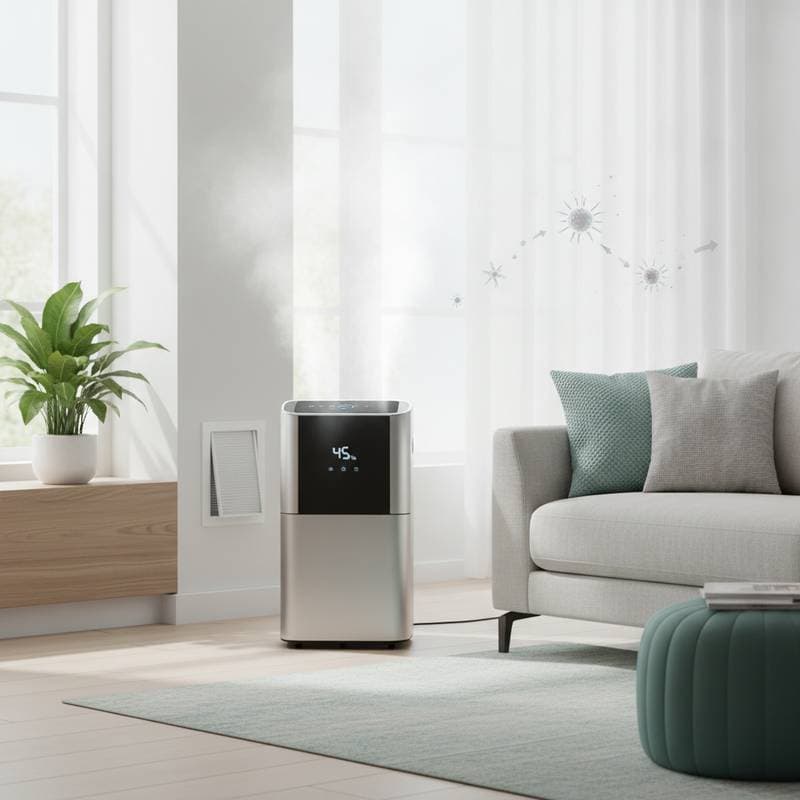
Experts advise keeping indoor humidity at 40 to 50 percent to deter mold while preserving comfort for occupants and possessions. Modern setups sustain this range amid varying weather conditions, from prolonged rains to arid periods.
Key features driving effectiveness include:
- Integrated Humidity Sensors: These devices track moisture continuously and relay information to thermostats for targeted responses.
- Variable-Speed Compressors: Operating at varied intensities, they align dehumidification and cooling precisely with home demands, avoiding inefficient cycling.
- Thermostat Integration: Sophisticated models synchronize humidity and temperature controls for unified operation.
- Zoned Management: Separate zones allow customized humidity settings, mitigating risks in moisture-prone areas like basements and bathrooms.
Mold Development and Smart HVAC Countermeasures
Mold spores permeate most environments, activating in the presence of moisture, warmth, and nutrients. Conventional systems may exacerbate spread by redistributing humid air via ducts. Growth within units then disperses allergens and odors throughout the home.
Next-generation smart HVAC counters this threat comprehensively:
- Targeted Moisture Reduction: Exact humidity oversight deprives mold of essential conditions.
- Enhanced Airflow Dynamics: Low-speed, extended fan operation eliminates stagnant areas susceptible to moisture buildup.
- Advanced Filtration: Particulate-capturing filters intercept spores prior to deposition.
- Diagnostic Capabilities: Units signal prolonged high-humidity periods, prompting intervention before issues arise.
HVAC engineer Carla Ruiz notes, "Smart humidity control represents a pivotal advancement in air health. It surpasses mere comfort by averting structural degradation and escalating repair expenses."
Implementing Smart Humidity Control: A Step-by-Step Guide
Transitioning to an intelligent HVAC configuration yields long-term gains in air purity and operational ease. Begin with these structured actions:
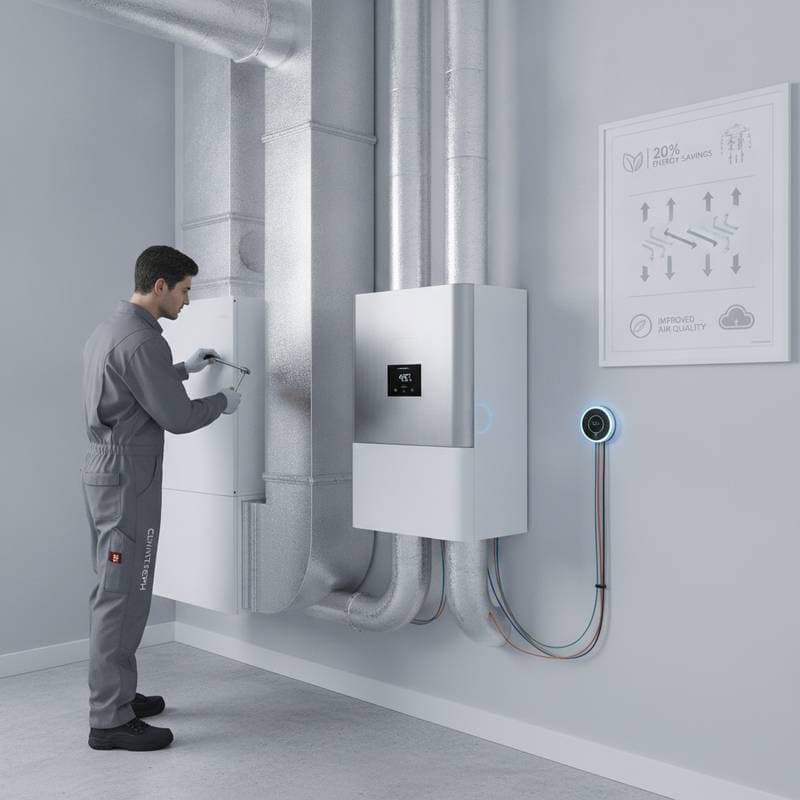
- Conduct a Professional Evaluation: Engage a certified technician to inspect ducts, insulation, and airflow for potential moisture accumulation sites.
- Incorporate Smart Sensors: For newer installations, affix humidity monitors and compatible thermostats to unlock enhanced functionality.
- Integrate Whole-Home Dehumidification: This addition complements HVAC for consistent moisture handling in humid locales.
- Clean and Seal Ducts: Addressing contaminants here boosts efficiency and curtails mold propagation.
- Establish Humidity Benchmarks: Configure thermostats to target 45 percent, with automatic adaptations informed by external forecasts.
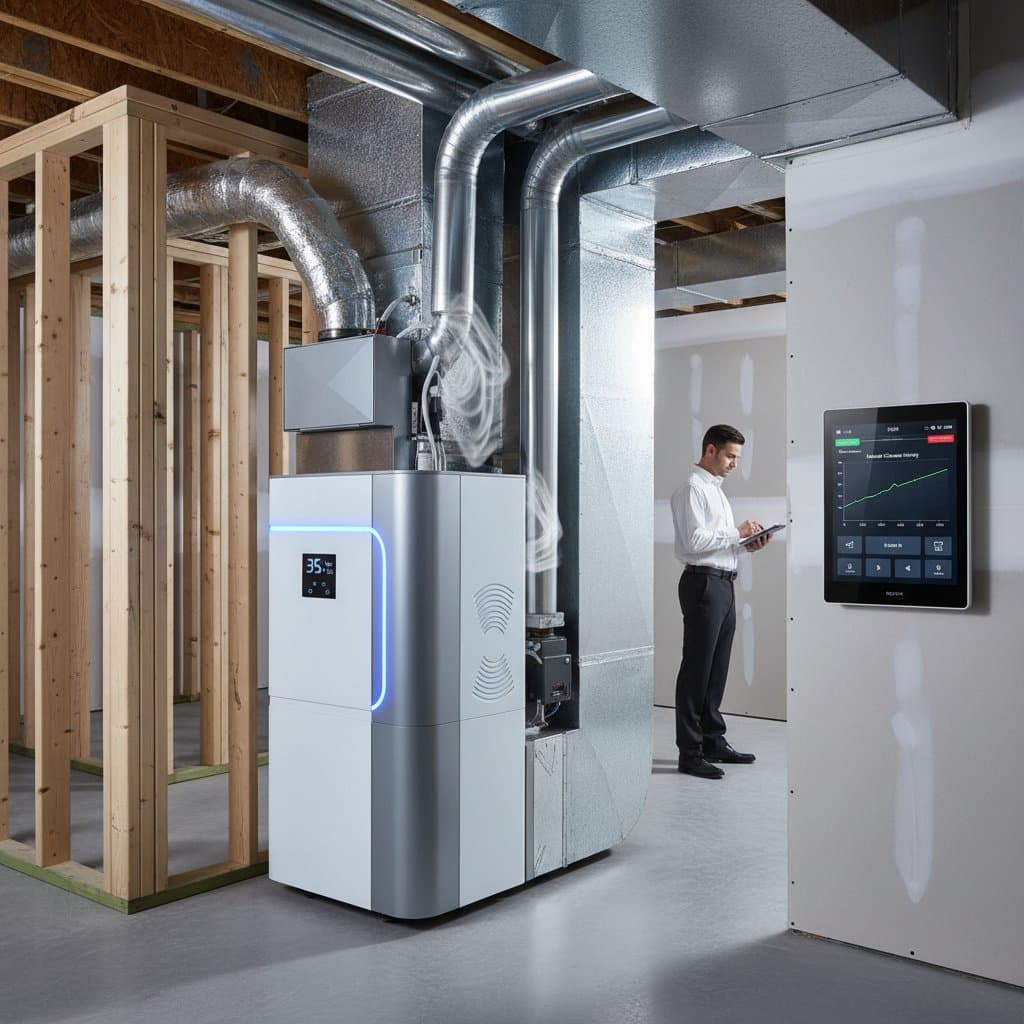
- Track and Adjust: Leverage app-based monitoring to observe patterns; technicians refine settings as needed.
Maintenance Strategies to Sustain Performance and Block Mold
Routine homeowner practices complement expert servicing, preserving system integrity. Adopt these measures:
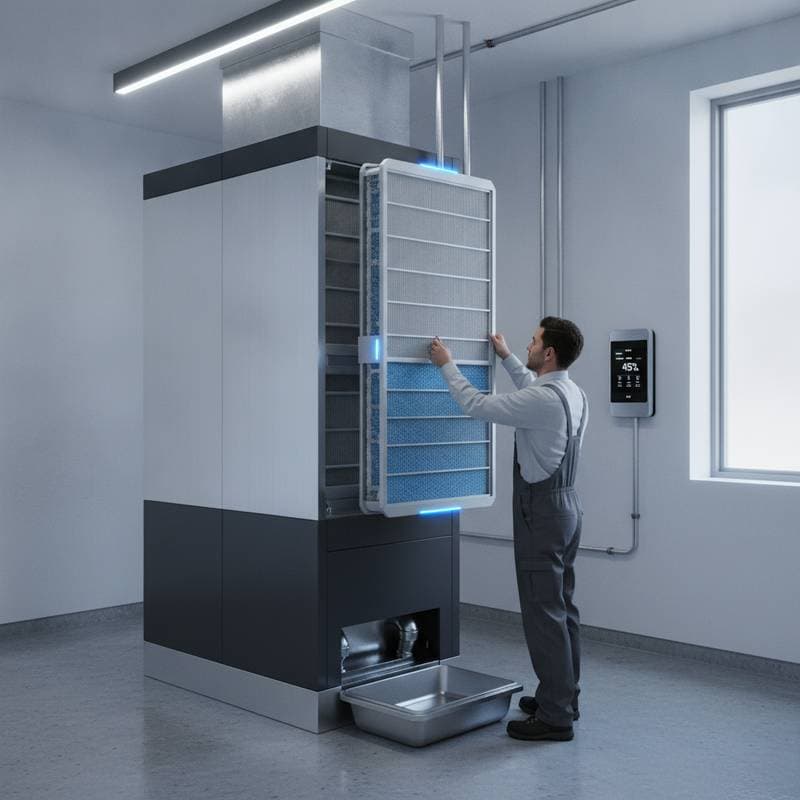
- Filter Replacement Schedule: Swap filters every 60 to 90 days, increasing frequency for households with pets or allergy sufferers.
- Drain Line Checks: Clear blockages to prevent moisture retention within the unit.
- Vent Accessibility: Position furniture to avoid obstructing vents, promoting uniform circulation.
- Exhaust Fan Usage: Activate fans in kitchens and bathrooms post-activity to vent surplus humidity.
- Leak Detection: Identify and repair plumbing issues near air handlers to avert system contamination.
Consistency in these steps fortifies air quality and extends equipment lifespan.
Investment Analysis: Expenses, Returns, and Precautions
Upgrade costs vary by existing infrastructure. Sensor and thermostat additions typically span $400 to $800, whereas comprehensive overhauls with variable-speed elements and dehumidifiers range from $3,500 to $7,000. Energy reductions of 10 to 20 percent, coupled with sidestepped remediation fees, recoup investments swiftly.
Yearly upkeep costs $200 to $300, encompassing coil sanitation, sensor verification, and firmware enhancements. This regimen minimizes disruptions and optimizes savings.
Prioritize safety by delegating mold-related tasks to professionals. Airborne spores risk health complications; certified experts employ containment protocols and approved agents for thorough restoration.
Field experience reveals that amateur dehumidification efforts can inadvertently elevate humidity through poor drainage. Professional installations mitigate such pitfalls entirely.
The Evolving Role of Smart Humidity in Residential Wellness
Home comfort now encompasses holistic air management, prioritizing health alongside temperature. Smart humidity regulation delivers this by fortifying against mold and elevating daily living quality. Air at optimal levels promotes vitality and preserves interiors.
HVAC designer Mark Ellison observes, "Stable humidity stabilizes home elements. Furniture endures, finishes adhere firmly, and devices operate efficiently. It elevates living standards comprehensively."
Connectivity features enable remote oversight via mobile applications, delivering alerts and usage insights for refined control. This integration suits those seeking effortless assurance.
Selecting and Collaborating with HVAC Specialists
Equipment selection pairs with expert partnership for optimal results. Seek providers versed in smart installations and attuned to local humidity variances. Coastal setups demand distinct adjustments from arid interiors; tailored configurations ensure efficacy.
Through vetted professionals at Americanairhvac.net, access guidance on selections, timelines, and upkeep. They align technology with environmental specifics for sustained performance.
Address emerging moisture indicators proactively. Intelligent systems, backed by skilled installation, secure mold-free conditions and equilibrium against seasonal shifts.
Frequently Asked Questions
Q: How do smart HVAC systems differ from standard units when it comes to humidity control?
A: Smart systems use built-in sensors and adaptive algorithms to measure and adjust humidity automatically. Traditional systems rely mainly on temperature settings, leaving humidity to fluctuate. The smart approach ensures consistent comfort and mold prevention.
Q: Can I retrofit my existing HVAC system with smart humidity control features?
A: In many cases, yes. If your current system is relatively new, a professional can install compatible sensors and a smart thermostat without replacing the entire unit. Older systems may need upgrades to variable-speed components for full integration.
Q: How much maintenance do these systems require?
A: Smart HVAC systems need routine checkups twice a year, similar to standard setups. Maintenance usually includes cleaning coils, checking sensor calibration, and updating software. The process helps maintain accuracy and maximize energy efficiency.