2026's Smart Humidity Control Revolutionizes HVAC
As an HVAC professional, I have entered numerous homes where the air seemed slightly unbalanced. The temperature might register correctly, yet the environment felt sticky, heavy, or dry to the point of discomfort. Many individuals recognize this sensation. True comfort depends on more than temperature alone; it requires precise moisture management. Smart humidity control addresses this need, and the newest systems elevate performance significantly.
The Hidden Challenge Inside Perfectly Cooled Homes
Homeowners often prioritize the thermostat. They lower the setting in summer or raise it in winter, assuming all issues resolve. Humidity levels outside the optimal 40 to 50 percent range create problems, however. Elevated humidity raises perceived warmth and promotes mold development. Reduced humidity dries wooden furnishings and irritates respiratory passages. In southern regions, energy costs increase by 20 percent when air conditioners labor excessively to extract moisture.
Conventional systems depend solely on temperature sensors. They activate cooling or heating until the target is met, overlooking moisture's critical role. This method consumes excess energy and compromises air quality. Smart humidity control monitors both temperature and moisture continuously, optimizing each operation for ideal conditions.
The Smart Solution Arrives
Contemporary smart humidity control systems combine sensors, artificial intelligence, and precise airflow regulation into an integrated framework. Based on extensive field experience, this innovation resembles adding intelligence to the HVAC unit. The system analyzes usage patterns, accommodates seasonal variations, and sustains comfort without manual adjustments.
Homeowners receive enhanced comfort alongside quantifiable gains. Intelligent dehumidification lowers energy use by up to 15 percent and extends component durability. It resolves the persistent sticky or drafty sensations that older HVAC configurations fail to eliminate.
How Smart Humidity Control Works
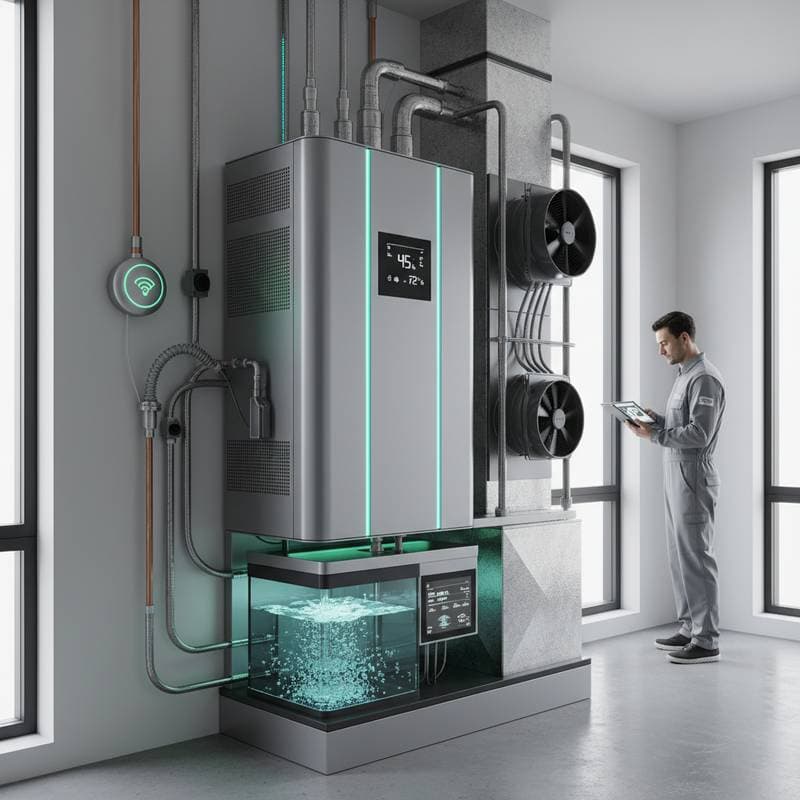
The system tracks indoor and outdoor humidity, temperature, and occupancy levels at all times. It then modifies airflow, compressor velocity, and fan speed to achieve equilibrium. Consider it analogous to cruise control for indoor climate: the unit modulates intensity according to environmental demands.
Three primary elements drive the technology:
-
Advanced Sensors
These devices assess humidity across multiple home locations, beyond the thermostat area. Such comprehensive data enables precise responses to room-specific variations. -
Variable-Speed Compressors and Fans
Rather than cycling abruptly, these parts operate incrementally. This gradual function conserves energy and stabilizes humidity. -
Smart Algorithms
Embedded software studies resident behaviors and regional weather patterns. It predicts humidity surges, like those during rain, and responds in advance.
Expert Tips to Maximize Smart Humidity Control
From professional perspective, several strategies optimize this technology's effectiveness.
-
Invest in a Whole-Home System
Standalone dehumidifiers or room-specific units lack the uniformity of centralized setups. Integration with the primary HVAC ensures even distribution. -
Use a Smart Thermostat with Humidity Sensing
Select thermostats that support humidity targets. These devices synchronize with the HVAC to uphold the specified levels automatically. -
Check Ductwork and Insulation
Leaky ducts or inadequate insulation undermine efficiency. Sealing these elements supports reliable moisture management. -
Schedule Annual Professional Maintenance
Regular servicing mirrors vehicle upkeep. Annual inspections calibrate sensors and replace filters as needed. -
Monitor Indoor Air Quality
Pair humidity control with robust filtration. An air purifier or energy recovery ventilator enhances overall performance.
The Benefits You Can Expect
Smart humidity control extends beyond comfort enhancement. It fosters healthier, more efficient residences. Key advantages include:
-
Improved Health
Balanced humidity minimizes allergens, dust mites, and breathing issues. It also alleviates skin dryness and throat irritation in colder months. -
Protection for Your Home
Surplus moisture distorts floors and erodes walls. Steady levels safeguard structural elements and surface materials. -
Energy Efficiency
Refined cycles prevent unnecessary operation. This approach reduces utility expenses while preserving comfort. -
Quieter Operation
Variable-speed mechanisms function smoothly, avoiding the noise from sudden activations in legacy systems. -
Smart Integration
Compatible units link to automation ecosystems. Remote monitoring of humidity, alerts, and adjustments occur via mobile devices.
Practical Considerations Before Upgrading
Upgrading warrants careful evaluation. Costs for smart humidity systems range from $1,200 to $3,500, influenced by current infrastructure and property dimensions. Installation requires one to two days. Additional thermostats or duct modifications may incur extra charges.
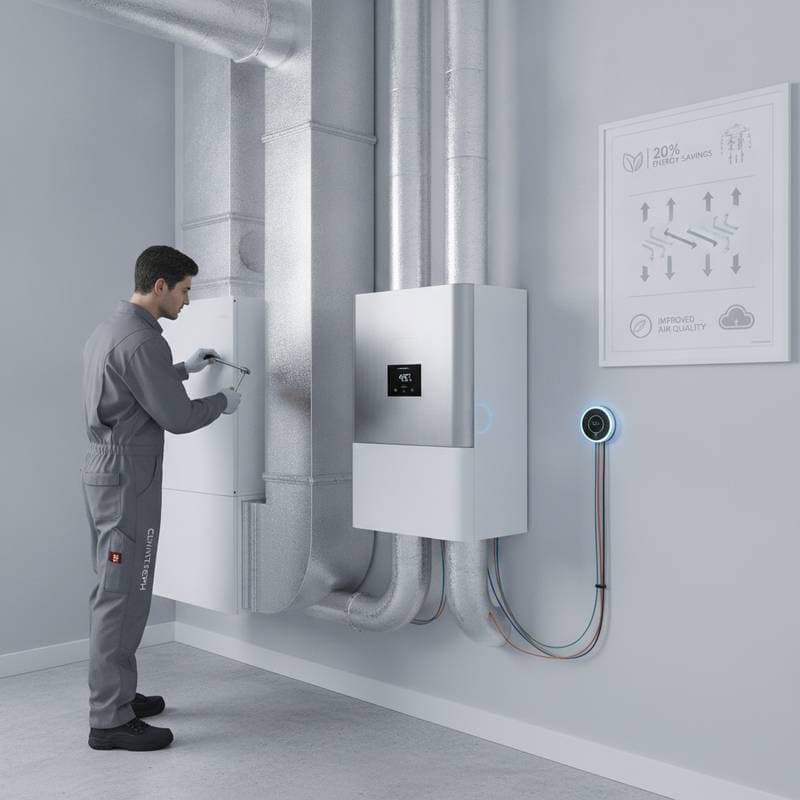
Prioritize safety by engaging certified technicians experienced in smart installations. Avoid self-installation, as errors in wiring or sensor positioning yield unreliable outcomes or failures. Manufacturers typically mandate professional work to uphold warranty terms.
Investments yield strong returns. Owners recover expenses in three to five years via decreased bills and fewer repairs. Comfort improvements manifest immediately, as unbalanced air conditions vanish.
The Key to Success Lies in Maintenance
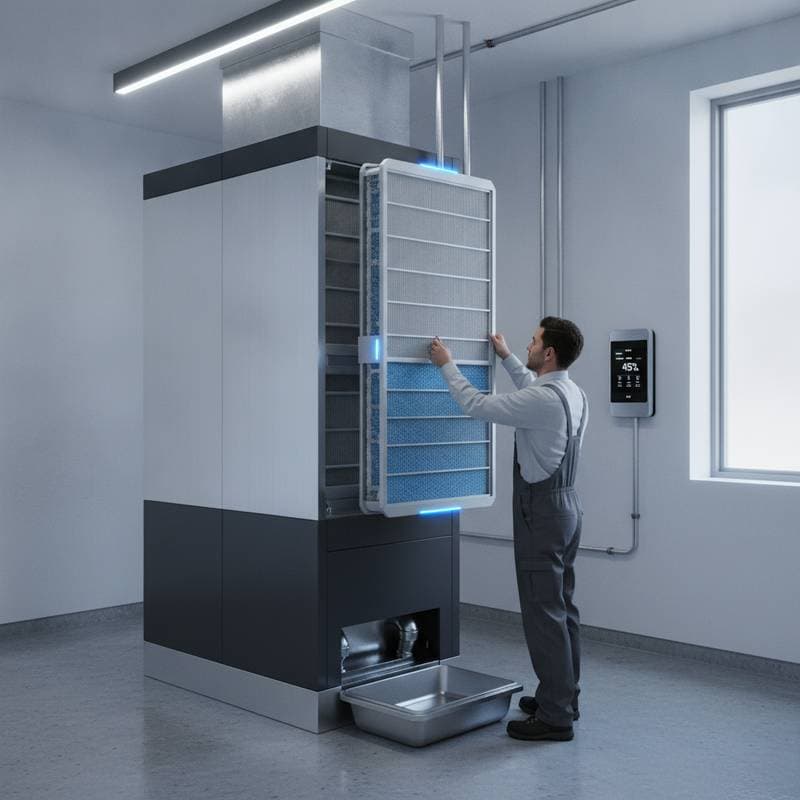
Sophisticated systems require ongoing attention. Exchange filters every one to three months, adjusted for usage and air conditions. Clear condensate lines to avoid blockages leading to moisture accumulation. Keep exterior units free of obstructions. Technicians during service check sensors, confirm alignments, and apply software updates.
Dr. Ethan Morales, a climate control engineer, stated, "Humidity control is no longer a luxury feature. It has become the foundation of indoor comfort and system longevity." This view aligns with practical observations. Diligent upkeep solidifies these benefits over time.
Taking Action Toward a Smarter, Healthier Home
Advancements in comfort management progress rapidly, with humidity control central to the effort. Envision entering rooms where air consistently feels optimal, free from stickiness or aridity. These systems provide reliable, balanced ventilation that enhances every season.
The solutions suit diverse properties and stand ready for implementation. To proceed with an upgrade, arrange a consultation with a qualified HVAC specialist. Experts evaluate existing setups, address local climate factors, and propose tailored recommendations. This transition from basic controls to advanced climate oversight delivers enduring assurance.
Frequently Asked Questions
Q: How does smart humidity control differ from a standard dehumidifier?
A: A standard dehumidifier solely extracts moisture. Smart humidity control integrates with the HVAC to regulate both humidity and temperature, delivering uniform comfort throughout the home.
Q: What is the ideal indoor humidity level?
A: Experts advise maintaining levels between 40 and 50 percent. This interval inhibits mold, curbs allergens, and shields wooden elements from contraction or expansion.
Q: How often should the system be serviced?
A: Plan professional maintenance twice yearly. Sessions cost $100 to $200 and avert up to 80 percent of possible failures.