Revolutionary HVAC Tech for Moisture and Mold Prevention
As an HVAC professional I have seen many homeowners face the same persistent challenge. Invisible humidity moves through walls and creates musty odors, peeling paint, and hidden mold colonies. In humid regions or areas with frequent rainfall this moisture threatens comfort, air quality, and structural integrity. Modern HVAC technologies now provide targeted solutions that address moisture at its source.
The Hidden Enemy in Your Air
Condensation on windows or damp spots near vents often signal excess indoor moisture. This humidity promotes mold growth and elevates allergen levels. Traditional HVAC units focus primarily on temperature control and frequently leave residual moisture behind. The result is a sticky sensation even when the thermostat reading appears correct.
Poor humidity management accounts for many indoor air quality complaints. Unchecked moisture can warp floors, degrade insulation, and irritate respiratory passages. Updated systems now monitor and adjust moisture levels in real time.
How Modern HVAC Systems Tackle Moisture Differently
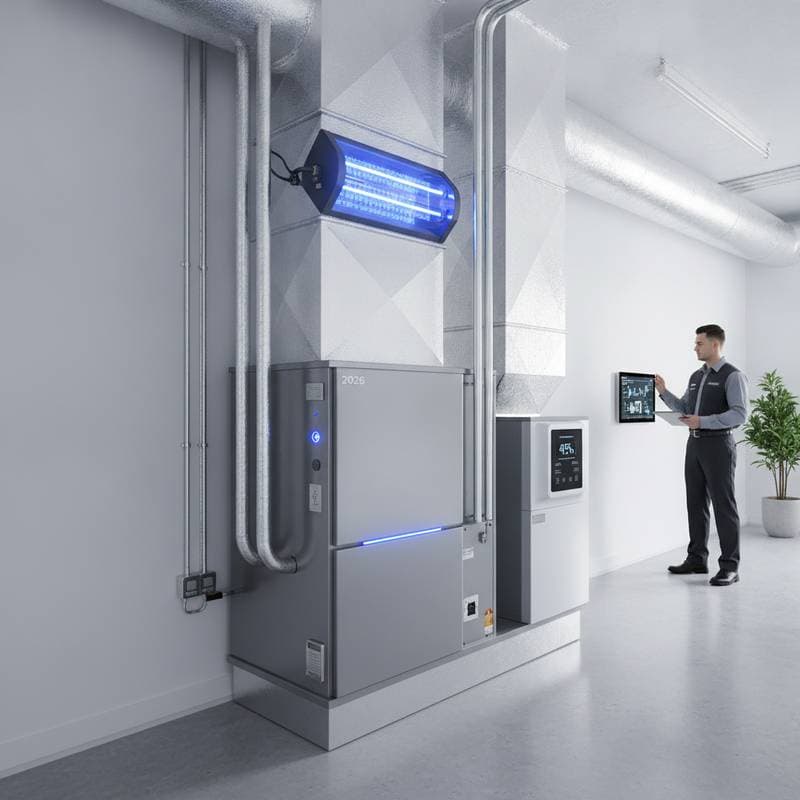
Current HVAC designs incorporate sensors that detect humidity and modify operation automatically. These features improve comfort while reducing the conditions that allow mold to develop.
Effective upgrades include the following options.
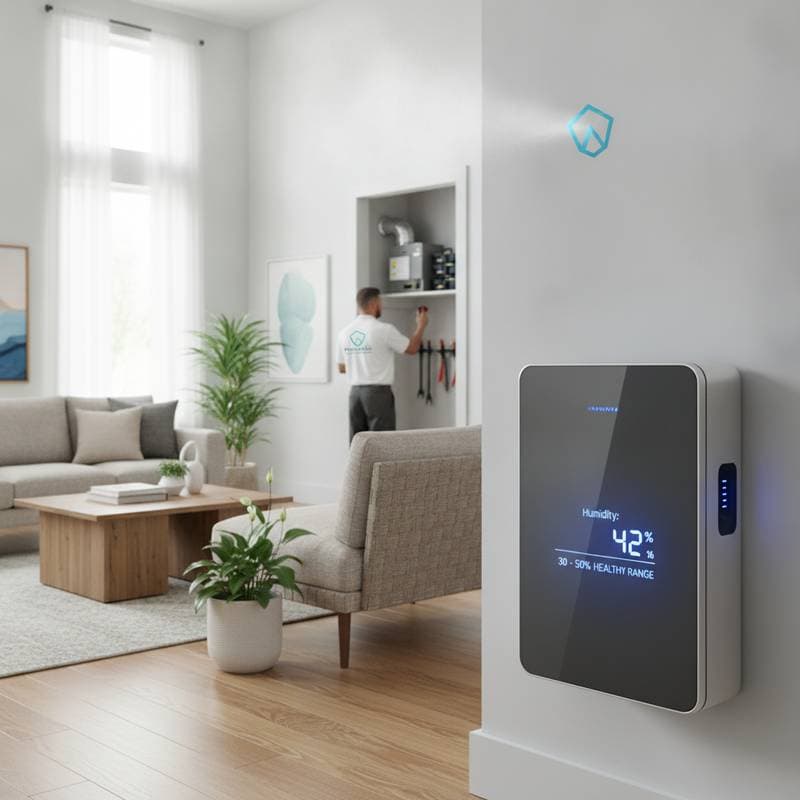
- Whole house dehumidifiers connect directly to the central system and extract moisture during air circulation. They hold indoor relative humidity between 30 and 50 percent.
- Variable speed compressors operate for longer periods at reduced output. This extended runtime improves moisture removal compared with short on off cycles.
- Smart thermostats measure both temperature and humidity. They adjust fan speeds and compressor activity to prevent mold friendly conditions.
- Energy recovery ventilators exchange indoor and outdoor air while transferring moisture as needed. They prove especially useful in tightly sealed homes.
Expert Tips for Maximizing Moisture Control
Proper maintenance and operation determine long term results. The following practices help sustain effective humidity management.
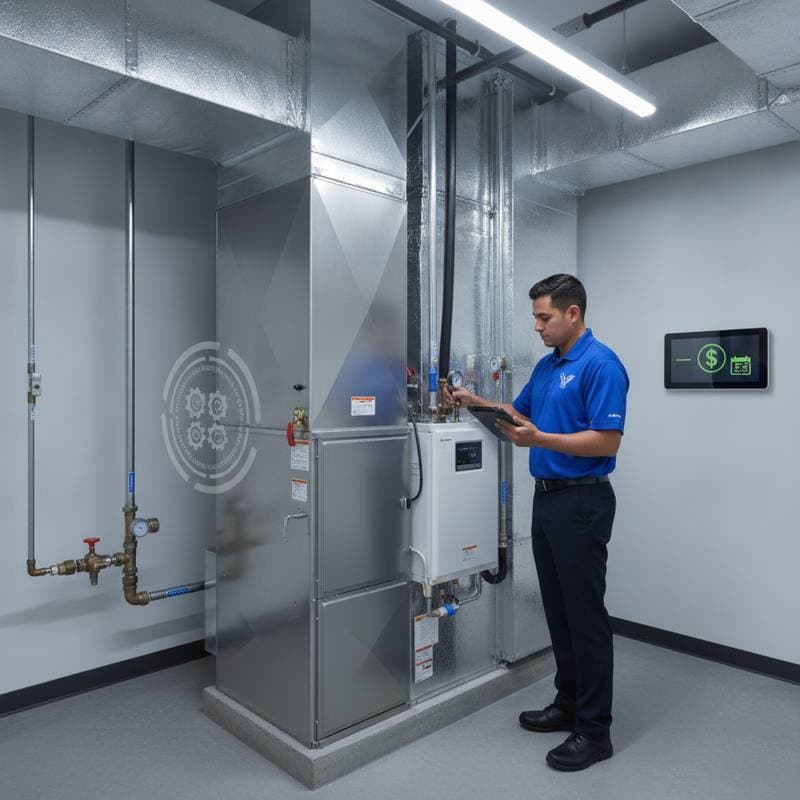
- Arrange professional inspections twice each year to keep coils, drains, and filters clear. A blocked drain line can produce leaks and subsequent mold.
- Seal ductwork and other air leaks that pull humid air from attics or crawl spaces into living areas.
- Operate exhaust fans in bathrooms, kitchens, and laundry rooms during and after moisture producing activities.
- Place a digital hygrometer in a central location. Readings that remain above 55 percent indicate the need for system adjustments or added dehumidification.
Practical Considerations for Homeowners
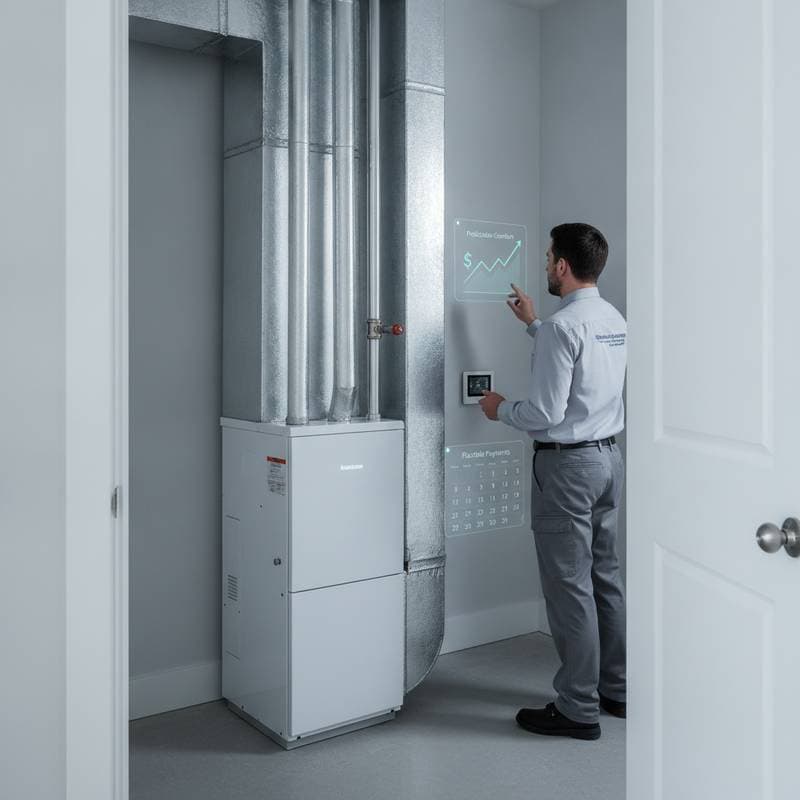
Moisture control investments protect both comfort and property value. Mold remediation expenses often exceed the cost of preventive equipment. A whole house dehumidifier installed with an existing system typically falls between 1800 and 3000 dollars.
A licensed technician should evaluate each home before equipment selection. Layout, insulation levels, and local climate influence the best combination of components. Humid climates may require both an energy recovery ventilator and a dehumidifier, while drier areas may need only variable speed operation paired with a smart thermostat.
Refrigerant handling and electrical connections require certified expertise. Homeowners should avoid these tasks to maintain safety and code compliance.
The Long Term Payoff of a Moisture Controlled Home
Balanced humidity produces air that feels crisp rather than heavy. Surfaces remain dry and rooms retain a clean scent. Systems that regulate moisture allow occupants to raise thermostat settings without discomfort, which can reduce cooling energy use by approximately 10 percent.
Protect Your Home with Targeted HVAC Upgrades
Early attention to humidity prevents costly damage. Contact a qualified HVAC specialist for an assessment of your property and recommendations suited to its specific conditions. Proper equipment selection and installation create an indoor environment that resists mold, lowers operating costs, and maintains structural integrity over time.
Frequently Asked Questions
Q: How can I tell if my home has a humidity problem?
A: Condensation on windows, musty odors, or damp walls provide visible clues. A hygrometer supplies exact readings. Levels that stay above 55 percent warrant professional review.
Q: What is the best humidity level for preventing mold?
A: Experts advise maintaining indoor humidity between 30 and 50 percent. This range limits mold growth and supports comfortable air quality.
Q: How often should I clean or service my dehumidifier?
A: Annual professional maintenance is recommended. Filters should be cleaned every few months to preserve airflow and moisture removal efficiency.