Moisture-Wicking Ducts Prevent Mold Growth Effectively
HVAC professionals often encounter recurring mold issues in ductwork. Homeowners clean and sanitize systems only to face the same musty odors months later. This challenge appears frequently in humid climates where condensation forms readily on metal surfaces. Moisture-wicking duct technology offers a proactive solution by managing condensation at the source.
Mold Risks in Residential Duct Systems
Mold develops in dark and moist duct environments. Dark spots near registers or persistent odors from vents often signal contamination. Condensation on inner duct walls allows spores to establish quickly. Once present, spores spread through the home each time the HVAC system operates.
High humidity and temperature fluctuations worsen these conditions. Even insulated ducts can trap moisture when warm air contacts cooler surfaces. The resulting dampness reduces system efficiency and may irritate respiratory systems. Industry observations indicate that mold in ducts can decrease performance by up to 15 percent.
Limitations of Conventional Duct Materials
Galvanized steel and flexible plastic ducts have served homes for decades. Metal surfaces cool rapidly and promote condensation. Flexible ducts collect moisture in their ridges, which complicates complete drying after service. External insulation provides only partial protection when airflow varies or temperatures shift sharply. These materials delay moisture problems rather than resolve them.
How Moisture-Wicking Technology Works
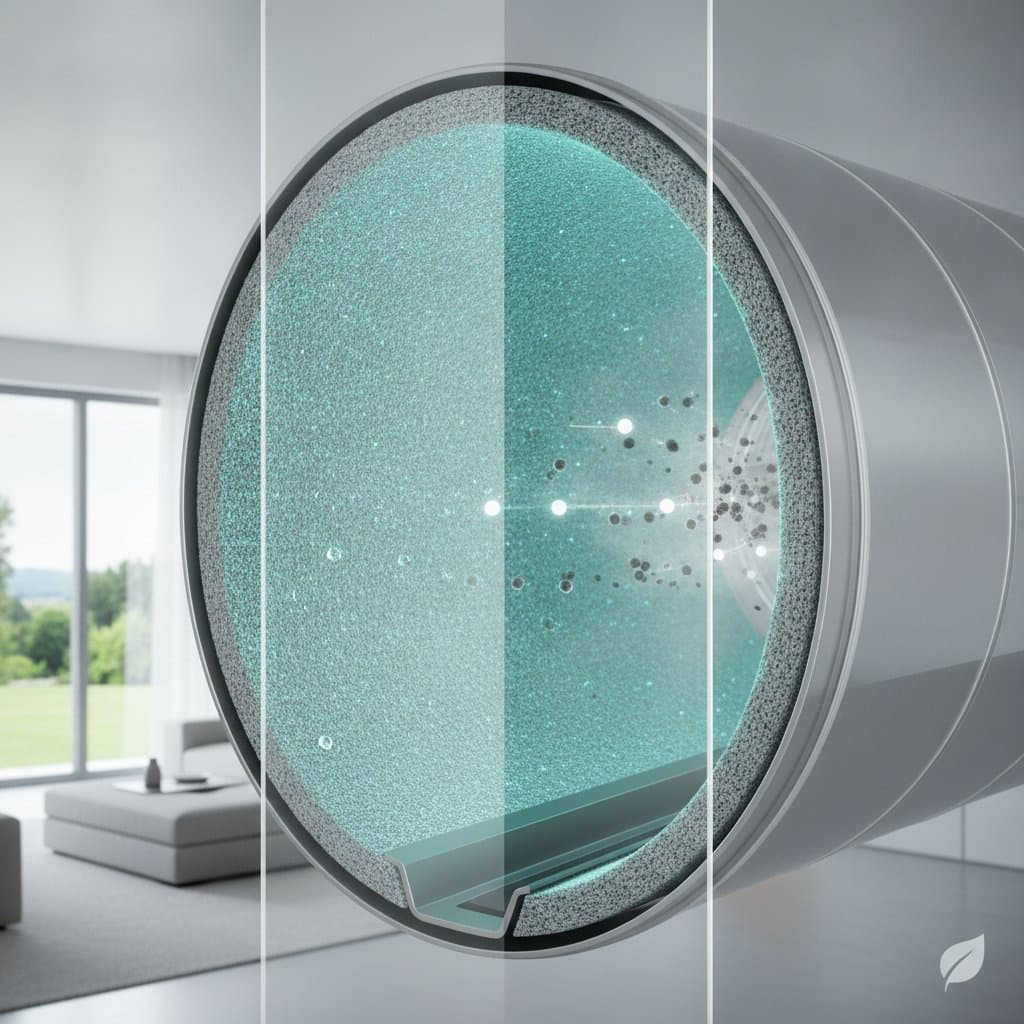
This approach draws from fabric technologies used in athletic clothing. Advanced duct linings pull condensation away from the interior surface and spread it for natural evaporation. Microporous fibers or hydrophilic coatings regulate moisture movement. Airflow inside the duct then removes the dispersed moisture before it accumulates.
Steps to Implement Effective Mold Prevention
Homeowners considering duct upgrades should evaluate materials and maintenance together. The following actions support long-term results.
- Select ducts with hydrophilic liners that move moisture from the airstream, antimicrobial coatings that limit growth, and integrated thermal insulation that stabilizes surface temperatures.
- Maintain consistent airflow by replacing filters every one to three months, keeping registers unobstructed, and verifying static pressure during professional service visits.
- Control indoor humidity between 40 and 50 percent through whole-home dehumidifiers, exhaust fans in wet areas, and sealing of building envelope leaks.
- Arrange annual or biannual inspections that include thermal imaging and moisture measurements to detect hidden issues early.
Installation and Performance Factors
Moisture-wicking ducts have shown strong results in commercial settings and now appear in more residential projects. Initial costs typically run 20 to 30 percent higher than standard systems. Homeowners often recover expenses through reduced cleaning frequency and extended equipment life. Energy savings of 10 to 15 percent annually are common when internal condensation no longer disrupts airflow.
Certified technicians should handle any suspected mold according to established safety protocols. Local building codes may specify moisture-resistant materials for new construction. Professionals can confirm compliance during system design.
Industry Perspective on Future HVAC Design
Materials engineer Jenna McCall notes that moisture-wicking ducts combine material science with HVAC engineering to address persistent air quality concerns. This technology shifts focus from repeated remediation to built-in prevention. Systems that maintain dry interiors support quieter operation and healthier living spaces.
Planning a System Upgrade
Consult a qualified HVAC technician familiar with regional humidity patterns and code requirements. Proper design pairs moisture-wicking ducts with suitable insulation and ventilation. When ductwork remains clean and dry, overall system performance improves and maintenance demands decrease.