Understanding Moisture-Wicking Ducts
Moisture-wicking ducts represent a significant advancement in heating, ventilation, and air conditioning systems. These innovative components address a common issue in traditional ductwork: the accumulation of humidity that leads to mold growth. By incorporating specialized materials, moisture-wicking ducts actively manage excess moisture, ensuring cleaner air and longer-lasting HVAC performance.
Homeowners often overlook the role of ducts in indoor air quality. In humid environments, condensation forms inside ducts, creating ideal conditions for mold and mildew. Moisture-wicking technology interrupts this cycle at its source, providing a proactive solution for healthier living spaces.
How Moisture-Wicking Technology Functions
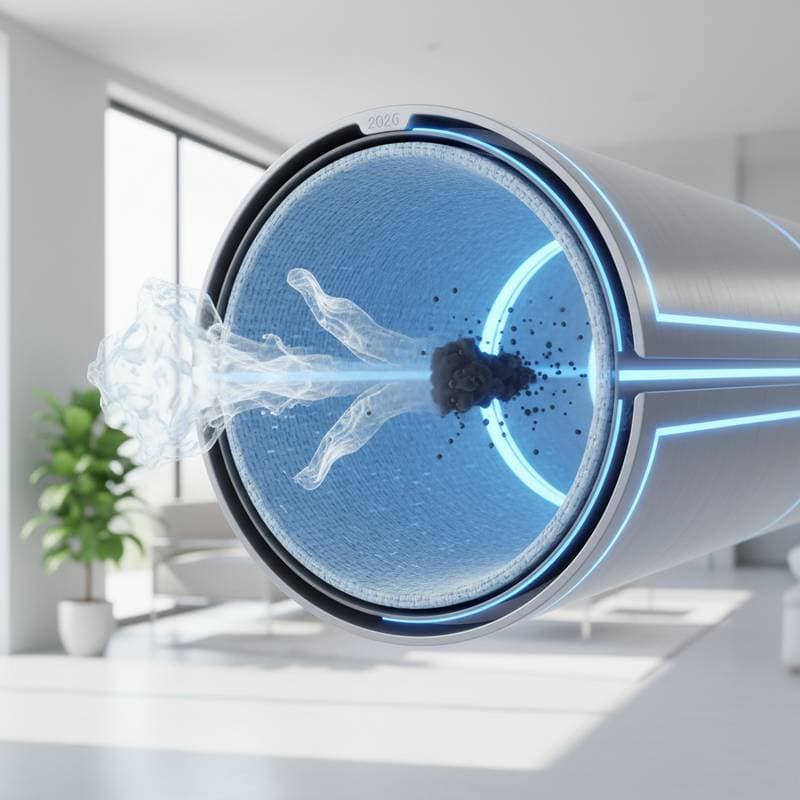
At the core of this technology lies advanced synthetic fabrics and coatings designed to absorb moisture rapidly. These materials draw humidity away from the duct surfaces, much like a towel wicks sweat from skin during exercise. The absorbed moisture then evaporates through dispersion channels, preventing any buildup.
Engineers have integrated these wicking elements into the duct lining without compromising airflow. The process involves layering hydrophilic polymers that attract water molecules and channel them outward. This design maintains structural integrity while enhancing the system's resistance to environmental stressors.
Testing in controlled environments demonstrates the effectiveness of this approach. Ducts equipped with wicking technology reduce internal humidity levels by up to 70 percent compared to standard models. Such performance translates to fewer instances of microbial proliferation and reduced strain on dehumidification components.
The Impact on Mold Prevention
Mold thrives in damp, dark spaces, and HVAC ducts provide both. Traditional systems lack mechanisms to combat condensation, allowing spores to spread through circulated air. Moisture-wicking ducts eliminate this vulnerability by keeping interiors consistently dry.
Consider a typical household in a coastal region. High outdoor humidity infiltrates the home, settling in ducts during cooling cycles. With wicking technology, excess moisture evaporates before it can condense, starving potential mold colonies of their primary resource.
Beyond prevention, these ducts simplify maintenance routines. Professional inspections reveal fewer contaminants, extending service intervals. Homeowners benefit from reduced risks of allergic reactions and respiratory issues linked to airborne mold particles.
Key Mechanisms Against Mold
- Rapid Absorption: Materials pull moisture from air and surfaces in seconds, minimizing dwell time.
- Evaporation Pathways: Built-in vents facilitate quick drying, even in low-airflow areas.
- Antimicrobial Additives: Some models include silver-ion coatings to inhibit bacterial growth alongside mold.
Enhancing Overall HVAC Efficiency
Dry ducts contribute to optimal system performance. When moisture accumulates, it can insulate duct walls, reducing heat transfer efficiency. Moisture-wicking designs counteract this by maintaining clear, dry pathways for conditioned air.
Energy savings become evident in monthly utility bills. Systems with wicking technology operate with less resistance, allowing fans and compressors to work more efficiently. Studies indicate potential reductions in energy consumption by 15 to 20 percent in humid climates.
Air quality improves as well. Cleaner ducts mean fewer particulates and odors circulating through vents. Families enjoy fresher indoor environments, particularly during peak usage seasons like summer.
Practical Steps for Adoption
Assess your current HVAC setup to determine compatibility. Older systems may require partial retrofitting, while new installations integrate wicking ducts seamlessly. Consult a certified technician to evaluate duct conditions and recommend suitable options.
- Schedule an inspection to identify moisture hotspots.
- Select ducts certified for wicking performance, verified by industry standards.
- Plan installation during routine maintenance to minimize disruption.
Budget considerations play a role in decision-making. Initial costs exceed those of standard ducts, but long-term savings offset the investment through lower repairs and energy use. Many providers offer financing to ease the transition.
Long-Term Benefits for Homeowners
Investing in moisture-wicking ducts yields sustained advantages. Homes remain comfortable year-round, with consistent temperatures and humidity control. Property values may increase due to enhanced air quality features appealing to health-conscious buyers.
Maintenance demands decrease over time. Routine cleaning focuses on filters and coils rather than extensive duct work. This shift allows homeowners to allocate resources elsewhere, such as landscaping or interior updates.
Ultimately, these ducts foster a safer living environment. By curbing mold risks proactively, they protect vulnerable family members from health threats. The result is peace of mind alongside tangible improvements in daily comfort.