Ductless HVAC Systems Deliver Targeted Comfort Without Major Renovation
Homeowners often face a familiar challenge. Older houses, finished attics, and room additions lack the ductwork needed for conventional heating and cooling. Ductless systems address this gap by delivering conditioned air directly to individual spaces through small refrigerant lines.
These units operate quietly and respond quickly to temperature changes. They also eliminate the energy losses that occur when air travels through unsealed ducts in attics or crawl spaces.
How Ductless Technology Addresses Common Installation Barriers
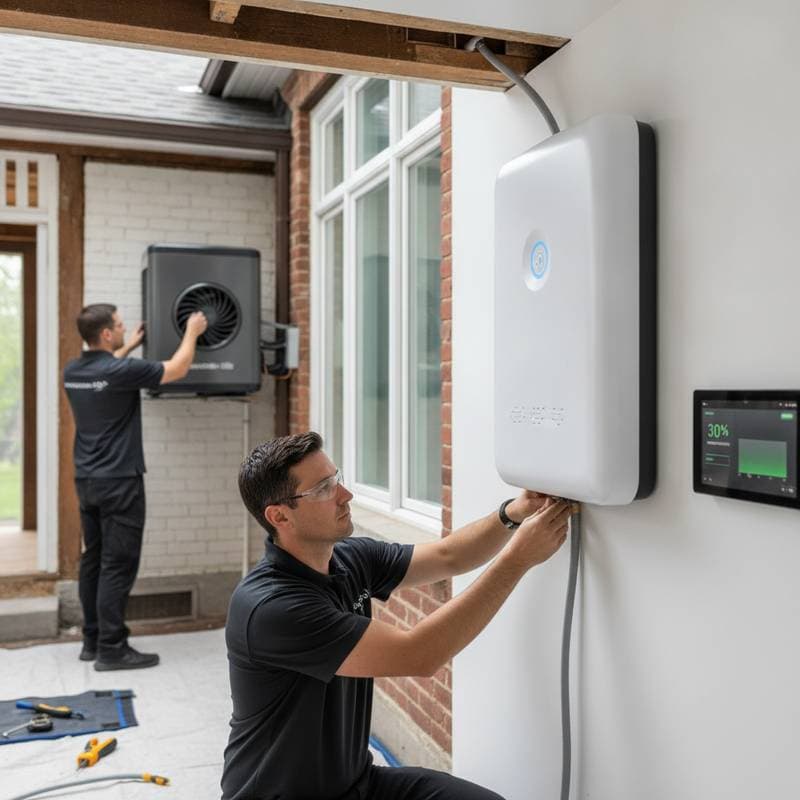
Many properties were constructed before central air conditioning became standard. Running new ducts through finished ceilings or walls creates dust, noise, and expense. A ductless heat pump avoids these disruptions because the indoor unit mounts on a wall, ceiling, or floor and connects to an outdoor condenser through a three-inch opening.
Proper sizing prevents short cycling. A correctly matched system runs long enough to remove humidity yet stops once the space reaches the desired temperature. This balance improves comfort and extends equipment life.
Studies from the Department of Energy indicate that typical duct systems lose between twenty and thirty percent of heating and cooling energy. A ductless installation removes that loss entirely for the zones it serves.
Equipment Options That Match Different Room Layouts
Manufacturers now offer several indoor unit styles. Wall-mounted heads remain popular for quick installation. Ceiling cassettes fit flush with finished surfaces and distribute air in multiple directions. Concealed ducted units hide behind drywall and supply air through short, hidden runs. Floor-mounted consoles work well under windows where heat loss is greatest.
Multi-Zone Control for Varied Household Needs
A single outdoor unit can connect to as many as five indoor units. Each zone maintains its own temperature setting. Parents can keep a nursery cooler while an adjacent home office stays warmer. Smart-phone apps and occupancy sensors allow further adjustments when rooms sit empty.
Contractors should confirm that the chosen system supports the desired controls before ordering equipment.
Sound Levels and Air Quality Features
Variable-speed compressors adjust output gradually. Indoor sound ratings often fall below thirty decibels, comparable to a library reading room. Washable filters capture dust and pollen. Regular cleaning maintains airflow and protects the evaporator coil from dirt buildup.
Steps for Selecting and Installing Equipment
Accurate load calculations form the foundation of any successful project. A technician measures insulation levels, window orientation, and air leakage rates for each room. Square-footage estimates alone frequently lead to oversizing or undersizing.
Review these items when comparing proposals:
- Room-by-room Manual J load calculation
- Heating and cooling capacity expressed in British thermal units
- Seasonal Energy Efficiency Ratio 2 (SEER2) and Heating Seasonal Performance Factor 2 (HSPF2)
- Condensate drainage method and line-set routing
- Electrical requirements and available panel capacity
- Warranty terms and labor coverage
Oversized units cool the air too quickly and leave humidity behind. Undersized units run continuously during extreme weather and may fail to reach set point.
Investment Range and Professional Requirements
Single-zone installations typically cost between thirty-five hundred and seventy-five hundred dollars. Multi-zone projects range from seven thousand to fifteen thousand dollars. Factors that increase price include masonry construction, long line-set runs, and electrical upgrades.
Refrigerant handling requires Environmental Protection Agency certification. Homeowners should never cut or recharge lines themselves. Qualified installers pressure-test connections, evacuate moisture, and verify temperatures and pressures before leaving the site.
Routine Care That Preserves Performance
Homeowners can clean washable filters every two to four weeks during peak seasons. Clear leaves and debris from the outdoor coil each spring and fall. Schedule professional service annually or when any of the following appear:
- Water dripping from the indoor unit
- Unusual noises such as buzzing or grinding
- Weak airflow or musty odors
- Ice formation on refrigerant lines
- Noticeable increase in monthly energy use
Technicians check drainage, electrical connections, and refrigerant charge during these visits.
Planning Your Installation
Begin with a site visit from a licensed contractor. Request a written proposal that itemizes equipment, labor, electrical work, permits, and disposal fees. Verify that the installer carries liability insurance and offers a workmanship warranty separate from the manufacturer coverage.
Once installed, the system provides quiet, room-by-room comfort without altering the architectural character of older homes. Targeted conditioning also reduces energy consumption by eliminating duct losses and allowing unoccupied spaces to remain at setback temperatures.