Moisture-Removing HVAC Tech Prevents Mold in Modern Homes
As an HVAC pro, I have seen countless homeowners frustrated by that musty odor creeping through their living spaces. Excess humidity can silently invade your home, seeping into walls, furniture, and ductwork until mold takes hold. If you live in a humid region, you already know how relentless moisture can be. The good news is that modern HVAC technology is now built to fight back, keeping your air crisp, clean, and safe.
Why Moisture Control Matters
Mold thrives in damp, stagnant environments. When humidity levels climb above 60 percent, even the best-built homes can become vulnerable. You might notice condensation on windows, sticky air that never quite feels cool, or a lingering smell that regular cleaning cannot fix. These are early red flags that your HVAC system is struggling to balance moisture.
From my years in the field, I have found that most homeowners underestimate humidity effects on energy costs. When indoor air is too moist, your air conditioner works harder to maintain comfort, often running longer cycles that spike utility bills by up to 20 percent. Over time, this can also shorten equipment lifespan and compromise indoor air quality.
How Modern HVAC Systems Remove Moisture
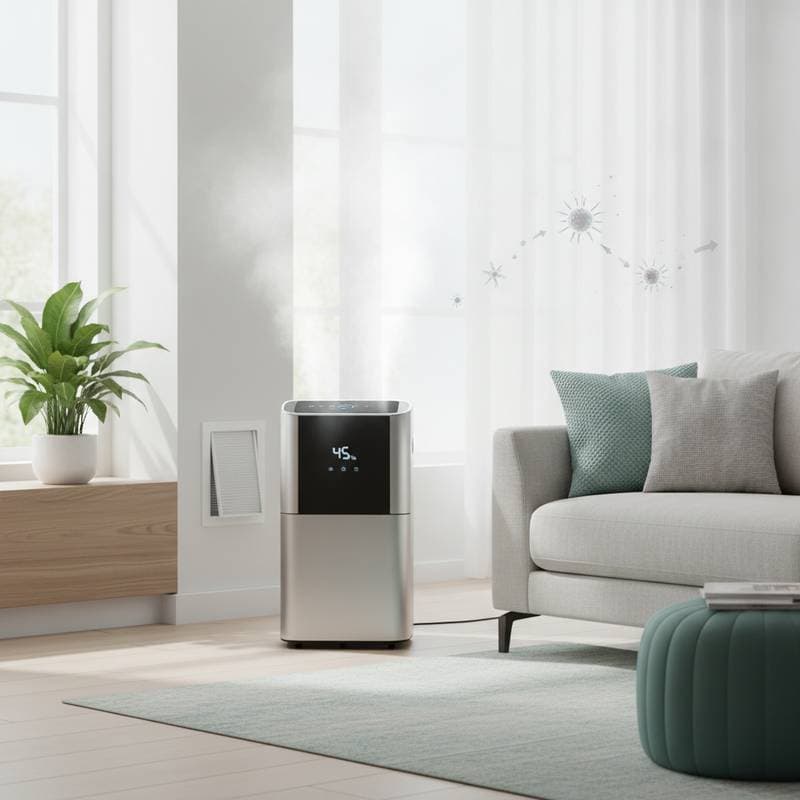
The latest generation of HVAC systems integrates advanced dehumidification technology right into the cooling process. Instead of simply lowering air temperature, these units extract excess moisture as they operate. This dual function creates a more balanced climate that feels cooler with less energy use.
Here is how it works:
- Enhanced Coils and Sensors: Modern evaporator coils are designed to condense and remove more water vapor. Smart sensors monitor humidity in real time, adjusting output automatically.
- Variable-Speed Fans: These fans slow down during dehumidification cycles, allowing more moisture to condense before air circulates back into your rooms.
- Integrated Drain Systems: Collected moisture drains safely away through a sealed line, preventing standing water that could breed mold.
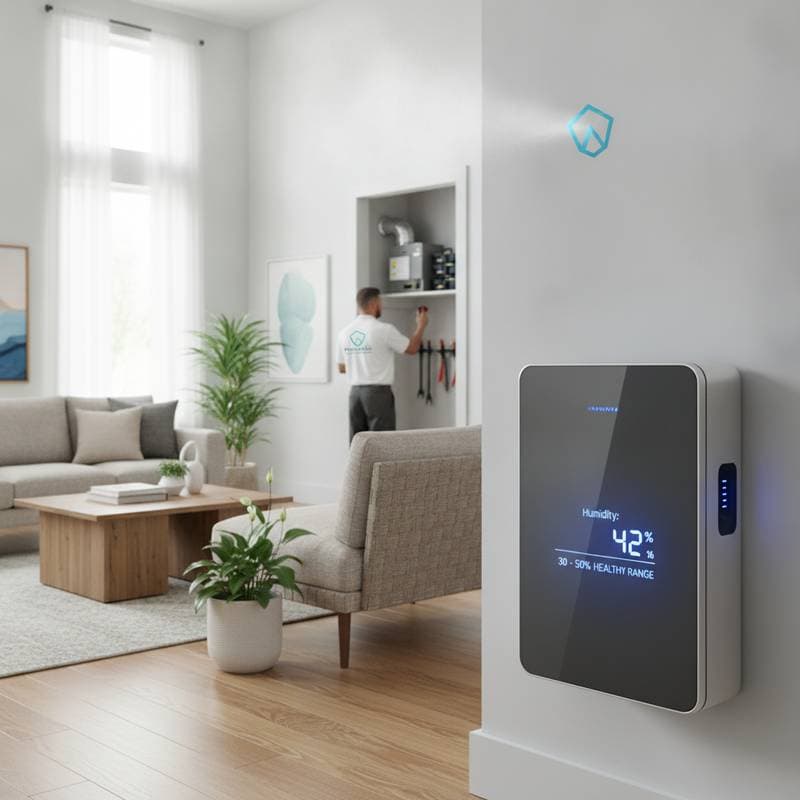
- Smart Controls: Many systems connect to digital thermostats that let you set ideal humidity levels, often between 40 and 50 percent.
As HVAC expert Daniel Reyes said, "Humidity control is the missing piece in many comfort systems. Once you manage moisture, the entire home feels fresher and more efficient."
Expert Tips to Keep Mold at Bay
Even with high-tech systems, a few maintenance habits go a long way toward preventing mold:
- Change filters regularly to maintain airflow and reduce trapped moisture.
- Clean condensate lines twice a year to prevent clogs and standing water.
- Seal ductwork leaks so humid air from crawl spaces or attics cannot infiltrate.
- Use bathroom and kitchen exhaust fans to vent moisture directly outside.
- Schedule seasonal HVAC tune-ups to confirm sensors and coils are functioning properly.
The key to success lies in consistency. A single missed inspection can undo months of healthy air balance.
Practical Considerations for Homeowners
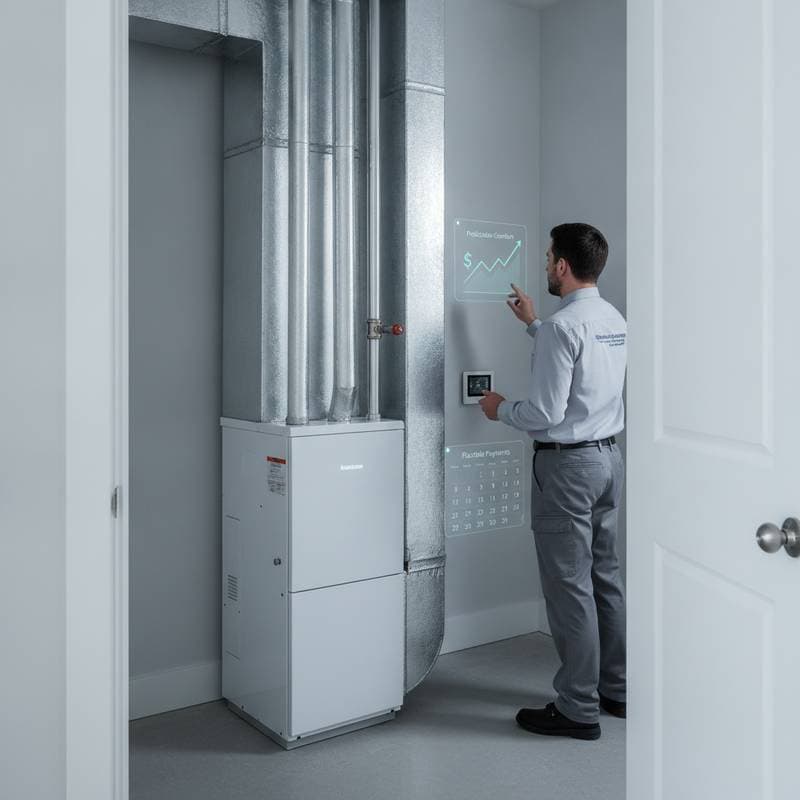
Installing a whole-home dehumidifying HVAC system typically ranges from $4,000 to $8,000, depending on your home size and layout. While that may sound steep, it often saves hundreds in annual energy costs and prevents expensive mold remediation later. If a full upgrade is not in your current budget, consider a standalone dehumidifier connected to your existing ductwork, which usually costs between $1,000 and $2,500.
Always verify that your contractor is licensed and familiar with local building codes. Proper installation ensures that drainage systems, refrigerant lines, and electrical components meet safety standards. Never attempt to handle refrigerant or internal wiring yourself. These tasks require certified expertise.
Achieving Year-Round Air Balance
When your HVAC system keeps humidity in check, everything feels different. The air becomes lighter, your home smells cleaner, and your family breathes easier. Mold spores lose their foothold, and your system runs more efficiently throughout the seasons. It is one of the most rewarding upgrades you can make for comfort and health combined.
If your home often feels damp or your AC runs constantly, it may be time to explore moisture-control HVAC options. Reach out to a vetted HVAC professional through our platform for a no-obligation consultation. You will gain expert insights tailored to your home unique climate and structure.
FAQs
Q: How can I tell if my home humidity is too high?
A: Common signs include condensation on windows, a sticky feeling in the air, and musty odors. A digital hygrometer can confirm readings above 55 percent, which typically signals excess moisture.