R-454B Shift: HVAC Costs and 2026 Deadlines Exposed
As an HVAC professional, I have observed numerous homeowners unprepared for refrigerant changes in the market. The phase-out of R-410A refrigerant prompts questions about implications for existing systems and budgets. Individuals who have recently purchased high-efficiency air conditioners or heat pumps may find another transition challenging. With appropriate guidance, preparation becomes straightforward, ensuring continued comfort.
What the R-454B Transition Means for You
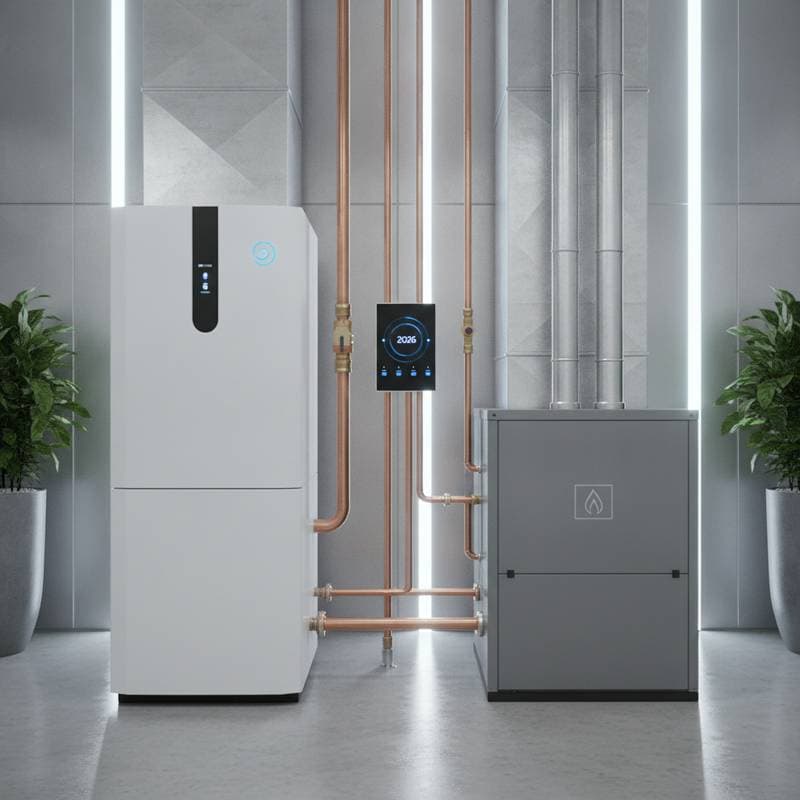
The HVAC industry moves toward R-454B, a refrigerant designed to minimize environmental harm and comply with enhanced efficiency requirements. This shift arises from regulations promoting refrigerants with reduced global warming potential. R-454B offers approximately 75 percent lower global warming potential than R-410A, establishing it as a sustainable alternative.
Regulatory changes extend beyond refrigerants to affect equipment design, safety protocols, and service equipment. These adjustments influence homeowner expenses comprehensively. The transition represents a comprehensive industry evolution rather than a simple technical adjustment.
The Cost Factor Behind the R-454B Conversion
Consideration of financial effects requires examination of multiple elements. New system installations anticipate increases of 10 to 20 percent over R-410A equivalents. Such elevations result from redesign expenses and initial supply constraints.
Service and maintenance costs for R-410A systems rise as production decreases, with distributor stockpiling contributing to price escalation. Retrofits from R-410A to R-454B prove impractical due to incompatible pressures, lubricants, and safety ratings. At the end of an existing system's lifespan, replacement emerges as the sole compliant solution.
Professionals advise treating this development as a strategic planning phase. Review system age, efficiency metrics, and service history promptly. Systems nearing obsolescence benefit from pre-transition upgrades, mitigating expenses and disruptions.
Understanding the 2026 Compliance Deadline
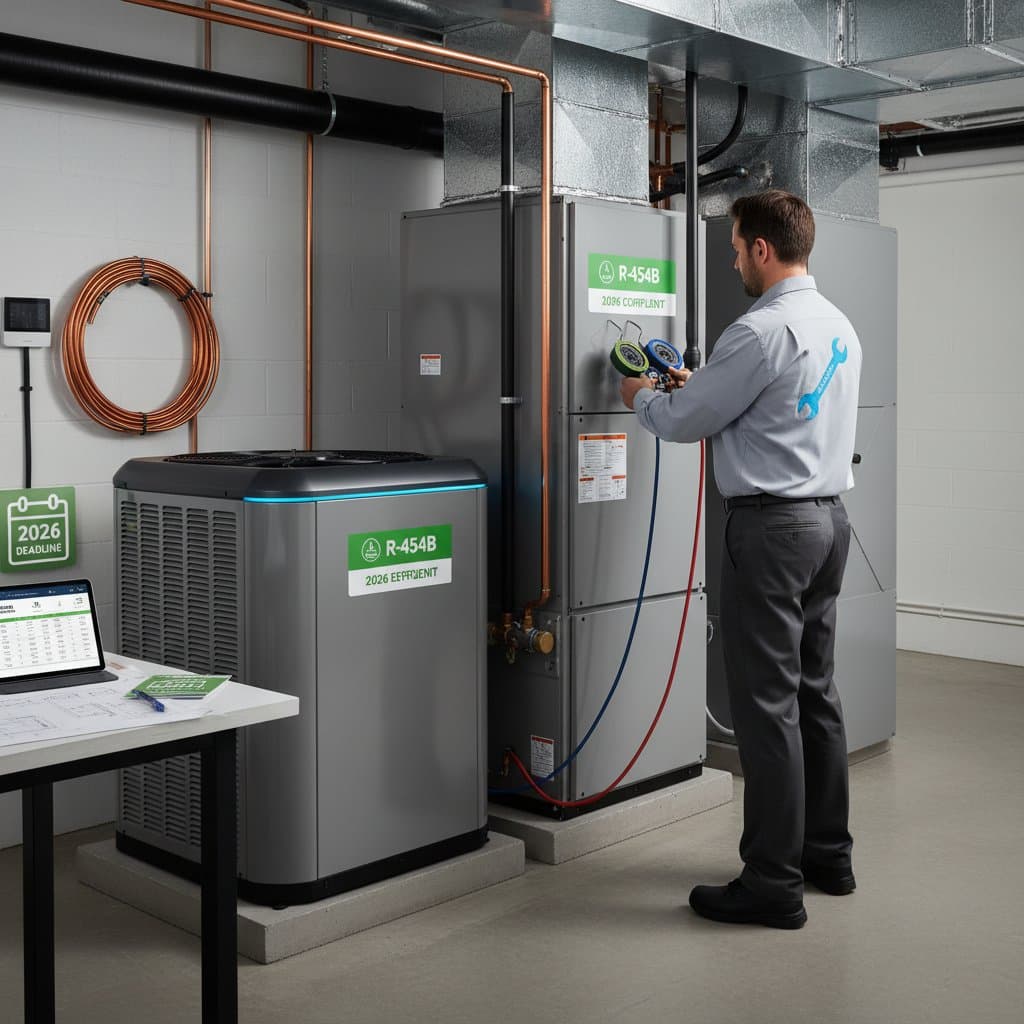
Manufacturers face mandates to adopt new refrigerants by the specified date, with contractors adhering to revised installation and maintenance standards. Post-deadline, production of new residential R-410A systems ceases. Existing units remain serviceable using remaining refrigerant supplies.
This schedule influences financial strategies significantly. For air conditioners or heat pumps exceeding ten years in age, the coming two seasons provide optimal timing for price comparisons and option evaluations. Delays risk inventory shortages and elevated installation fees amid surging demand.
Key Steps to Prepare for the R-454B Era
1. Assess Your Current System
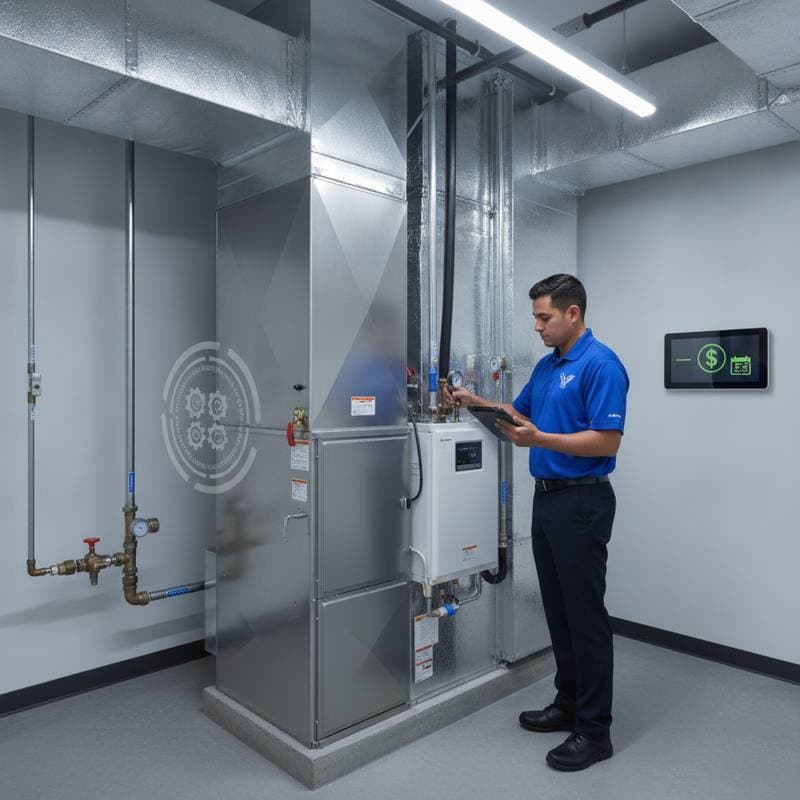
Engage a professional for a thorough inspection. Certified technicians measure refrigerant levels, compressor output, and coil conditions. This assessment informs decisions on maintenance continuation or replacement initiation.
2. Budget for the Transition
Central air system replacements range from $5,000 to $9,000, varying by residence size and efficiency ratings. R-454B-compatible units may command modest premiums initially, yet they provide superior durability and energy reductions. Certain configurations achieve 10 to 15 percent lower operational expenses via optimized heat transfer mechanisms.
3. Stay Informed on Local Rebates
Utility companies and local governments frequently provide incentives for low-global-warming-potential upgrades. Rebates vary from $300 to $1,000, easing upfront expenditures. Verify qualification criteria prior to installation arrangements.
4. Work with Certified Technicians
New refrigerants demand specialized training and credentials. Confirm that contractors possess qualifications for R-454B handling. Accurate charging, leak identification, and recovery methods guarantee optimal function and security.
Expert Insights on Safety and Performance
R-454B carries an A2L classification, indicating mild flammability in particular scenarios. Equipment incorporates advanced safeguards, including leak detectors and enhanced airflow provisions. Installations require adherence to regional codes and producer guidelines.
Veteran HVAC technician Laura Jensen notes, “Safety is built into the equipment design, but technician education is the real key. When pros understand the refrigerant behavior, homeowners enjoy safer, more efficient systems.” Field experience confirms the accuracy of this perspective in daily operations.
Long-Term Benefits of the Refrigerant Shift
Initial investments appear substantial, yet newer systems yield extensive gains. Enhanced energy efficiency reduces environmental impact and repair frequency. R-454B models often feature reduced noise levels and superior dehumidification, maintaining consistent indoor environments.
Proactive research facilitates model comparisons, financing arrangements, and timely scheduling. This approach averts peak-period complications.
Schedule Your System Evaluation Today
Embrace the transition as an opportunity to enhance home sustainability and reliability. Contact a qualified HVAC specialist through our service for a complimentary assessment. Experts review your setup, outline choices, and secure competitive rates ahead of market constraints.
Early action safeguards investments, curbs cost escalations, and sustains efficient home comfort indefinitely.
Frequently Asked Questions
Q: Can I retrofit my R-410A system to use R-454B?
A: No. The two refrigerants differ in pressure, oil compatibility, and safety classification. Conversion is not recommended or supported by manufacturers.
Q: What happens if I keep my R-410A system past the deadline?
A: You can continue using it as long as it functions. Technicians can still service it with available refrigerant stock, though prices may rise as supplies shrink.