New Wildfire Smoke Filters Boost HVAC Air Quality
As an HVAC professional, I have observed how wildfire smoke transforms a comfortable home into a haze-filled environment that irritates lungs and clogs filters. In regions where wildfire seasons extend longer each year, homeowners recognize that standard HVAC filters fail to keep pace. The air may appear clear indoors, but microscopic smoke particles persist, passing through lesser filters and accumulating in ducts.
Consider this scenario: the system operates normally, yet the air feels heavy, carries a faint ash odor, and energy bills rise as equipment labors excessively. At such times, many homeowners seek advice on superior solutions. Fortunately, advanced wildfire smoke filters, especially those rated MERV 16, now enable cleaner indoor air during smoky conditions.
Why Wildfire Smoke Requires Specialized Filtration
Wildfire smoke differs from typical dust. It contains ultrafine particles smaller than one micron, plus volatile organic compounds that irritate respiratory systems. Standard HVAC filters, such as MERV 8 or MERV 11, effectively capture larger dust and pollen but seldom trap these tiny smoke particles.
From extensive field experience, I note that even high-efficiency systems falter when external smoke intensifies. Homeowners frequently replace filters weekly during fire events, yet indoor air remains stale. Smoke particles differ in behavior from ordinary airborne debris; they prove lighter, disperse more rapidly, and persist longer.
Upgrading to filters designed for smoke mitigation presents a clear opportunity. These innovations incorporate dense filtration media paired with electrostatic layers that draw in and secure microscopic contaminants.
How Advanced Wildfire Smoke Filters Function
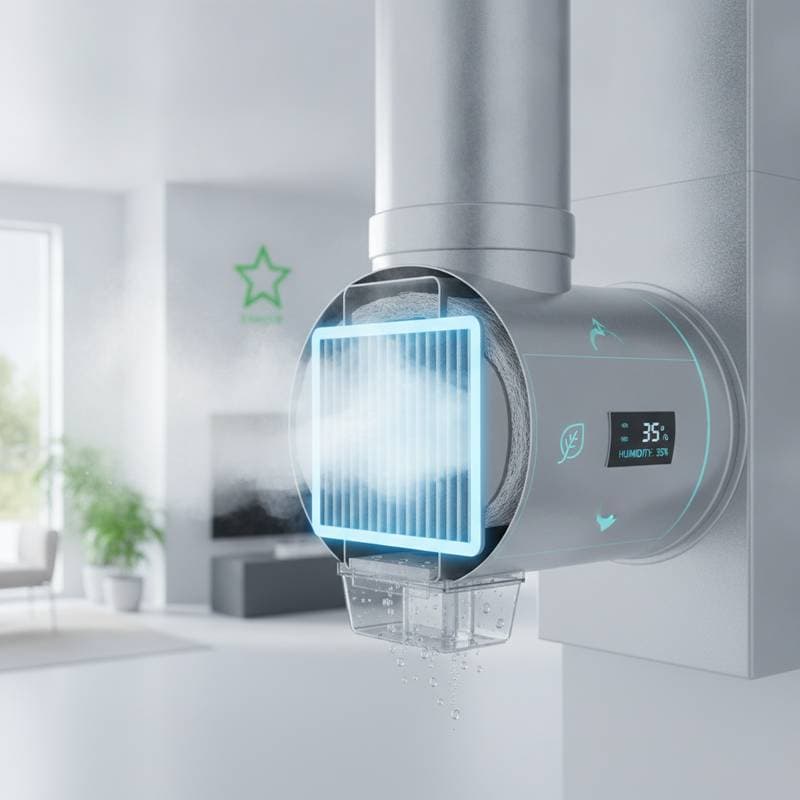
The newest HVAC smoke filters employ a multi-layer strategy. Each layer addresses specific contaminant sizes, optimizing efficiency while preserving airflow.
- Pre-Filtration Layer: Intercepts large debris, such as dust and lint, preventing premature clogging of finer media.
- Activated Carbon Layer: Absorbs odors and chemicals emitted by smoke, eliminating persistent burnt scents.
- High-Efficiency Media (MERV 16): Captures up to 95 percent of particles as small as 0.3 microns, including soot, fine ash, and smoke residue.
I advise combining these filters with sealed ductwork and routine system cleaning to sustain optimal performance. This integration elevates the HVAC system to a comprehensive air purification setup, beyond mere temperature regulation.
Key Benefits of Installation
Beyond lung protection, wildfire smoke filters enhance overall comfort and system durability while minimizing ongoing maintenance.
- Superior Indoor Air Quality: Eliminates fine smoke particles responsible for irritation and allergic responses.
- Prolonged Equipment Lifespan: Reduces operational strain through consistent airflow maintenance.
- Odor Reduction: Activated carbon effectively neutralizes volatile compounds that produce unpleasant aromas.
- Improved Energy Efficiency: Prevents excessive energy use from pushing air through obstructed filters.
Integrating smart thermostats or air quality monitors allows real-time tracking of indoor purity, with automatic adjustments to fan speeds or filter replacement intervals.
Strategies for Optimal Filter Performance
To ensure upgrades yield dependable outcomes, adhere to these guidelines.
- Verify HVAC Compatibility: High-MERV filters suit not all systems. Engage a qualified technician to assess static pressure and airflow; overly dense filters may overburden the blower motor.
- Seal Ductwork Leaks: Even minor gaps permit smoke entry. Professional sealing enhances containment and efficiency.
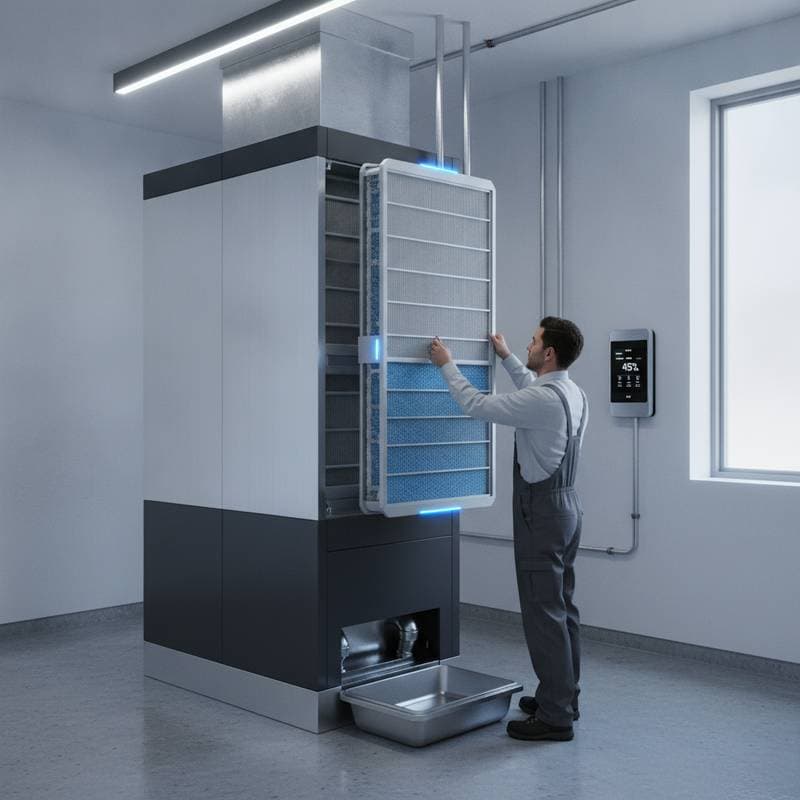
- Modify Filter Housing: Older systems often lack sufficient depth for thicker filters. Installing a media cabinet resolves this issue.
- Plan Frequent Replacements: In wildfire season, replace filters every two to four weeks, based on smoke levels.
- Incorporate Air Purifier Supplements: Whole-home units with HEPA or UV features augment HVAC filtration for comprehensive protection.
Insights from Industry Professionals
“Wildfire smoke challenges every component of an HVAC system,” stated Michael Torres, a certified indoor air specialist. “The new MERV 16 filters are engineered to capture what older filters miss, and that makes a dramatic difference in indoor air quality.”
Another experienced technician, Laura Nguyen, noted, “We’re seeing homeowners experience fewer respiratory symptoms and less dust accumulation after upgrading. It’s a real game-changer for those living near recurring fire zones.”
Essential Factors in Purchasing Decisions
Prior to acquiring advanced filters, evaluate expenses, upkeep, and comfort implications. A premium MERV 16 filter typically ranges from $60 to $120 per unit, varying by size and manufacturer. Systems needing cabinet modifications incur additional costs of $200 to $400 for materials and labor.
Installation generally requires one hour, followed by essential airflow testing. Technicians measure static pressure to confirm blower adequacy; excessive pressure may necessitate fan speed adjustments or a MERV 15 alternative for equilibrium.
Field observations confirm that thorough installation accelerates returns on investment. Homeowners report reduced service needs and enhanced comfort. Moreover, finer particle capture keeps evaporator coils and ducts cleaner, potentially cutting long-term cleaning expenses by up to 30 percent.
Safeguarding Your Home in Wildfire Seasons
In addition to filter upgrades, adopt these practices to counter smoky air.
- Seal windows and doors securely.
- Operate the HVAC in recirculate mode to restrict outdoor air influx.
- Apply weatherstripping to seal vents and sills.
- Refrain from burning candles or using strong cooking oils that introduce indoor particulates.
Such measures foster a purer indoor setting and optimize filter efficacy.
Steps to Achieve Cleaner Indoor Air
Wildfire smoke forms an ongoing environmental reality, yet it need not compromise indoor living. Modern filtration advancements deliver fresh, healthful air despite external haze. Success depends on selecting system-appropriate filters, consistent maintenance, and collaboration with a reliable HVAC specialist.
Contact a certified professional via American Air HVAC for a complimentary consultation or system assessment. Experts assist with filter choices, pressure evaluations, and seasonal upkeep to maintain year-round home protection.
Frequently Asked Questions
What distinguishes MERV 13 from MERV 16 filters for wildfire smoke?
MERV 13 filters capture up to 75 percent of small particles, whereas MERV 16 filters trap up to 95 percent. This superior efficiency positions MERV 16 as the preferred option in smoke-prone areas.