Moisture-Wicking Filters: Prevent HVAC Mold by 2026
Homeowners often encounter a persistent musty odor emanating from vents, a sign of mold flourishing in moist filters and ducts. Imagine an air conditioner operating on a humid day, delivering air that carries an unwelcome hint of decay rather than refreshment. Moisture management then shifts from mere convenience to essential protection for health, system performance, and overall comfort.
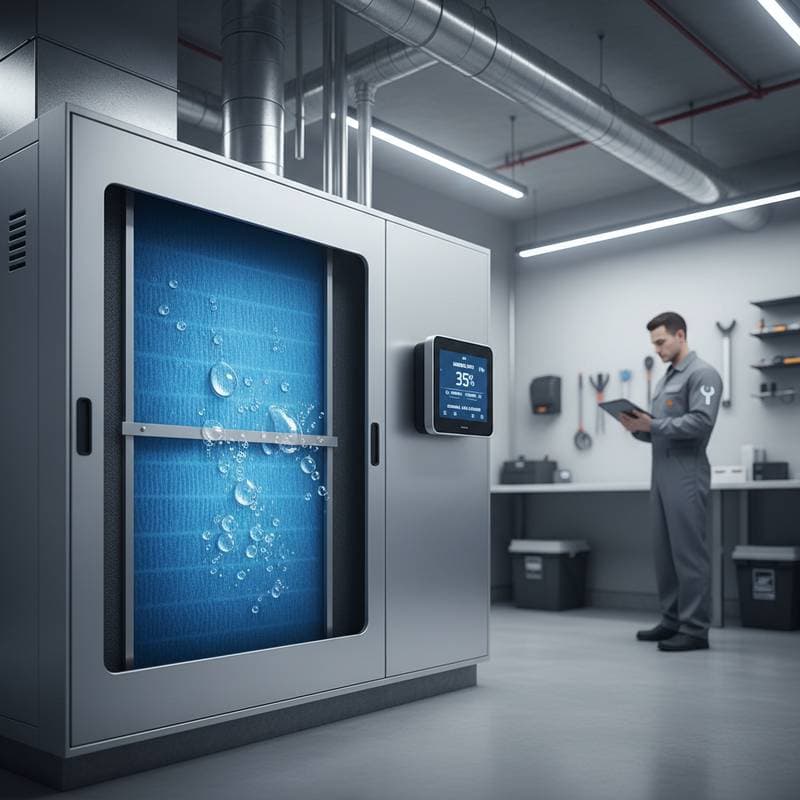
Mold within HVAC systems poses serious threats. It exacerbates allergies, compromises indoor air quality, and shortens equipment longevity. In areas prone to high humidity or heavy rainfall, these dangers intensify. Professionals and residents increasingly turn to moisture-wicking filters as a proactive solution. These specialized filters repel water and promote rapid evaporation, denying mold the damp conditions it requires to proliferate.
Controlling moisture stands as the most reliable method to safeguard HVAC systems from mold. Moisture-wicking filters elevate this strategy by addressing humidity at its source, empowering systems to resist microbial threats effectively.
Understanding Moisture-Wicking Filters
Standard filters excel at capturing dust and debris, yet they frequently retain moisture as well. Moisture-wicking filters employ a superior design. Their fibers receive treatments or engineering that repels water, enabling smooth airflow while accelerating moisture dispersal. This innovation curtails the humid zones where mold spores germinate.
Experts advise these filters for residences facing recurrent humidity surges or condensation challenges. They prove particularly valuable in regions where air conditioners operate continuously or heat pumps function throughout the year.
Key advantages encompass:
- Diminished potential for mold and bacterial proliferation
- Enhanced airflow purity and elimination of stale odors
- Greater energy savings via optimal air passage
- Prolonged durability for filters and core HVAC elements
Consider these filters akin to performance fabrics in athletic wear. They sustain dryness and vitality within the HVAC framework, much as such materials do for the body.
Practical Strategies for AC Longevity Through Moisture Management
Superior filters require complementary practices to maximize effectiveness. Integrate these proven techniques, refined over years of client consultations, to amplify moisture-wicking benefits.
Maintain Clean Evaporator Coils
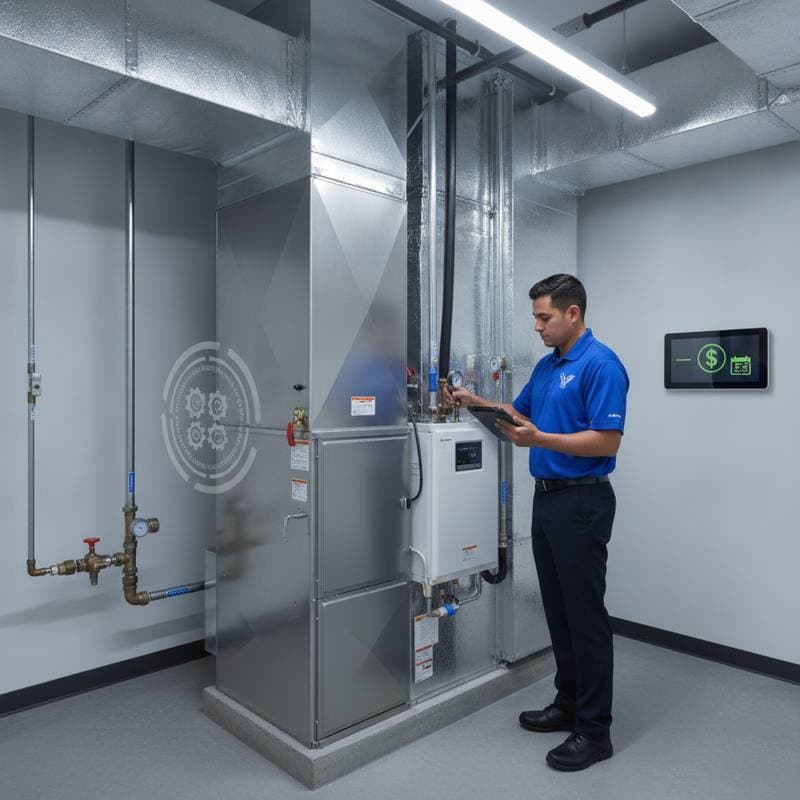
Evaporator coils accumulate condensation readily. Accumulated dirt traps this moisture, nurturing mold growth. Arrange annual professional cleaning to eliminate residues and facilitate proper drainage, preserving operational efficiency.
Inspect and Clear Condensate Drain Lines
Blockages in drain lines lead to water accumulation within the air handler. Perform routine flushes using vinegar or a gentle cleaner. Address any visible pooling near the unit by summoning a technician without delay to avert overflows.
Regulate Indoor Humidity Levels
Employ a hygrometer to sustain levels between 30 and 50 percent. In damp environments, install a whole-home dehumidifier to counter seasonal excesses, particularly during prolonged wet periods.
Adhere to Filter Replacement Intervals
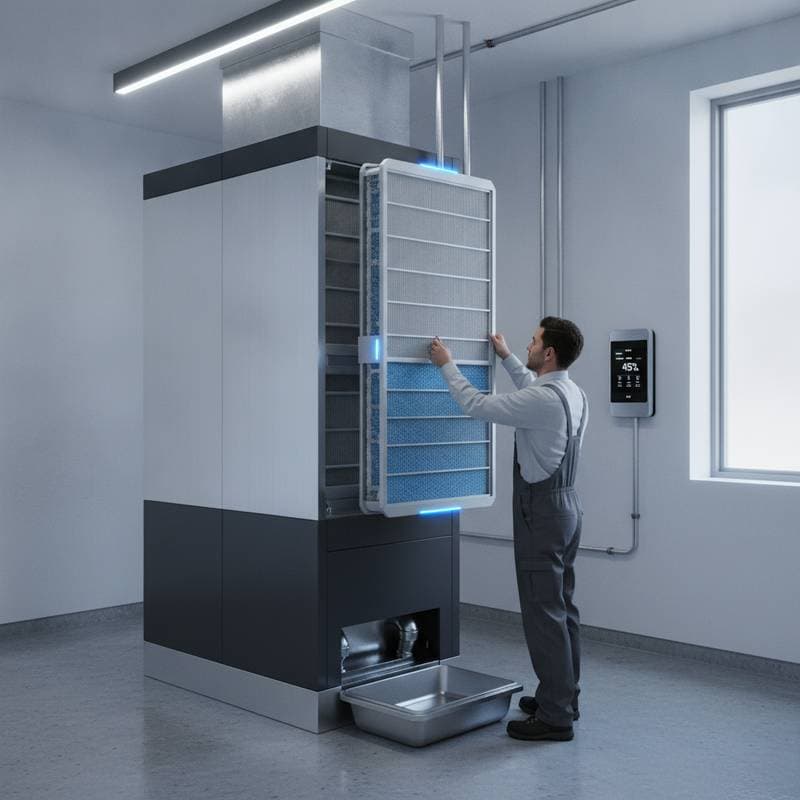
Moisture-wicking filters demand changes every one to three months, influenced by household activity, pet presence, and regional pollutants. Consult manufacturer specifications or seek personalized advice from an HVAC specialist to align with specific needs.
Conduct Biannual System Inspections
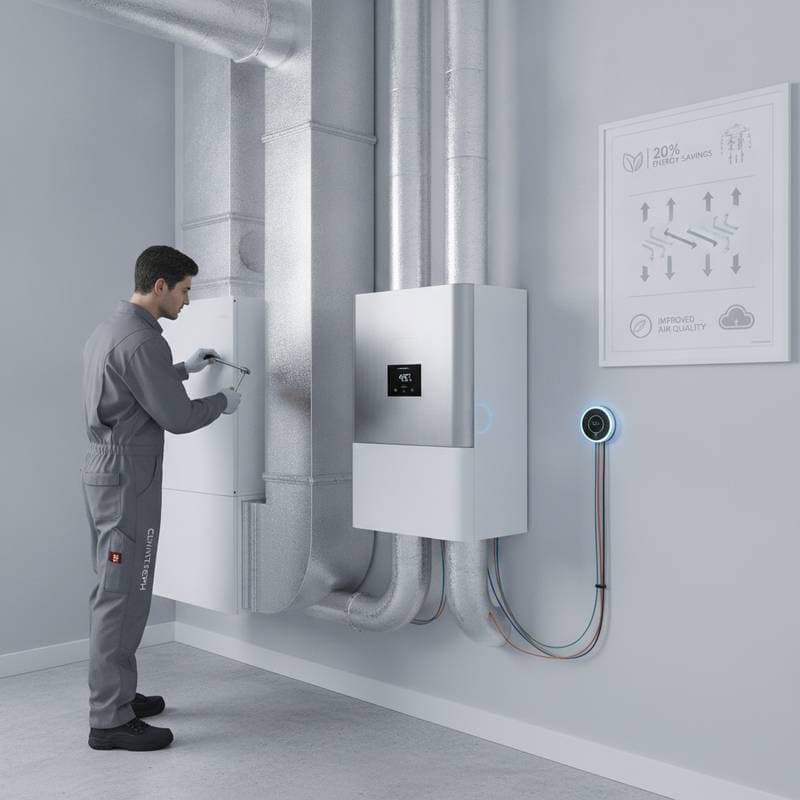
Regular tune-ups ensure balanced operation and peak efficiency. Technicians detect subtle moisture discrepancies or early microbial signs, intervening before issues compound.
Selecting Optimal Moisture-Wicking Filters
Begin filter selection by evaluating the MERV rating, which measures particle capture efficiency. A rating of 8 to 11 suits typical households, striking a balance between filtration and air circulation. For those with sensitivities or pets, opt for MERV 12 or above, verifying compatibility with the system's blower capacity to avoid strain.
Prioritize these attributes:
- Hydrophobic fibers that expedite water evaporation
- Antimicrobial treatments to inhibit bacterial and mold activity
- Robust framing resistant to humidity-induced warping
- Elevated capacity for dust retention to prolong usability
HVAC specialist Jamie Turner notes, “Moisture-wicking filters do not merely maintain dryness; they establish elevated benchmarks for indoor air sanitation.” This insight aligns with observations from numerous service interventions, where filter upgrades resolved persistent mold problems swiftly.
Addressing Common Concerns
How frequently must one replace a moisture-wicking filter?
Change it every one to three months, adjusted for factors like household traffic, animals, and ambient pollutants. Despite superior moisture handling, particulate buildup eventually restricts airflow.
Do moisture-wicking filters eradicate all mold hazards?
They substantially lower risks yet offer no absolute assurance. Comprehensive measures, including humidity oversight, coil maintenance, and drain vigilance, remain indispensable.
Realizing Lasting Benefits from Proactive HVAC Care
Adopting moisture-wicking filters alongside diligent maintenance yields transformative outcomes. Homeowners enjoy superior air quality, reduced allergen exposure, and diminished repair demands. Systems operate with greater reliability, cutting energy costs and environmental impact. By 2026, widespread implementation of these strategies promises to render mold-free HVAC environments the norm, fostering healthier living spaces for all.