Master Humidity Control to Prevent HVAC Mold
As an HVAC professional with years of experience, I have assisted numerous homeowners in addressing concealed mold growth within their systems. Imagine entering your residence anticipating clean, invigorating air, only to detect a subtle musty aroma. This odor frequently indicates elevated humidity fostering mold in ducts or the air handler. In humid areas, managing moisture proves essential alongside temperature regulation. Fortunately, targeted approaches enable you to maintain a dry, sanitary, and mold-resistant HVAC setup.
Why Humidity Poses a Concealed Risk
Mold flourishes when relative humidity exceeds 60 percent. Residences with inadequate ventilation or oversized cooling units retain moisture, which condenses on chilled coils or duct interiors. Once established, mold spores disperse via vents, compromising air purity and operational efficiency. Field observations reveal that unmanaged humidity diminishes system performance by as much as 15 percent and necessitates expensive remediation.
Beyond comfort, humidity regulation safeguards structural integrity, occupant well-being, and equipment longevity. Moisture penetration into insulation or ducts promotes corrosion, deteriorates drywall, and exacerbates breathing difficulties. Effective management hinges on harmonizing temperature, circulation, and dehumidification.
Identifying Indicators of Elevated Humidity
Determine humidity excess through these observable symptoms:
- Ongoing moisture buildup on windows or walls
- Musty fragrance during system operation
- Apparent mold or mildew adjacent to vents or intakes
- Clammy atmosphere despite thermostat readings indicating moderation
- Deteriorating paint, buckled floors, or wet areas near outlets
Multiple indicators suggest humidity challenges within your dwelling. Consequently, the HVAC unit labors excessively, and mold likely develops in obscured areas.
Mechanisms of Mold Development in HVAC Components
Mold spores pervade environments but activate only under damp, temperate conditions. Within HVAC assemblies, condensate accumulates on evaporator coils or drain reservoirs. Obstructed drainage or impeded airflow prolongs water retention, ideal for mold proliferation. In moisture-rich locales, progression hastens, particularly with short-cycling units that inadequately extract humidity.
Annual evaluations of coils and routine drain flushing avert accumulation. Minor obstructions suffice to sustain water volumes fostering expansive mold networks throughout conduits.
Proven Methods for Effective Humidity Management
Implement these validated techniques to safeguard your residence and apparatus while optimizing moisture and circulation.
1. Sustain Optimal Indoor Humidity Ranges
Target 40 to 50 percent relative humidity indoors. Employ a digital hygrometer for monitoring, particularly in peak moisture periods. Exceedances beyond 55 percent warrant intervention. Fine-tune thermostat configurations or activate dehumidification devices for prompt stabilization.
2. Integrate a Centralized Dehumidification Unit
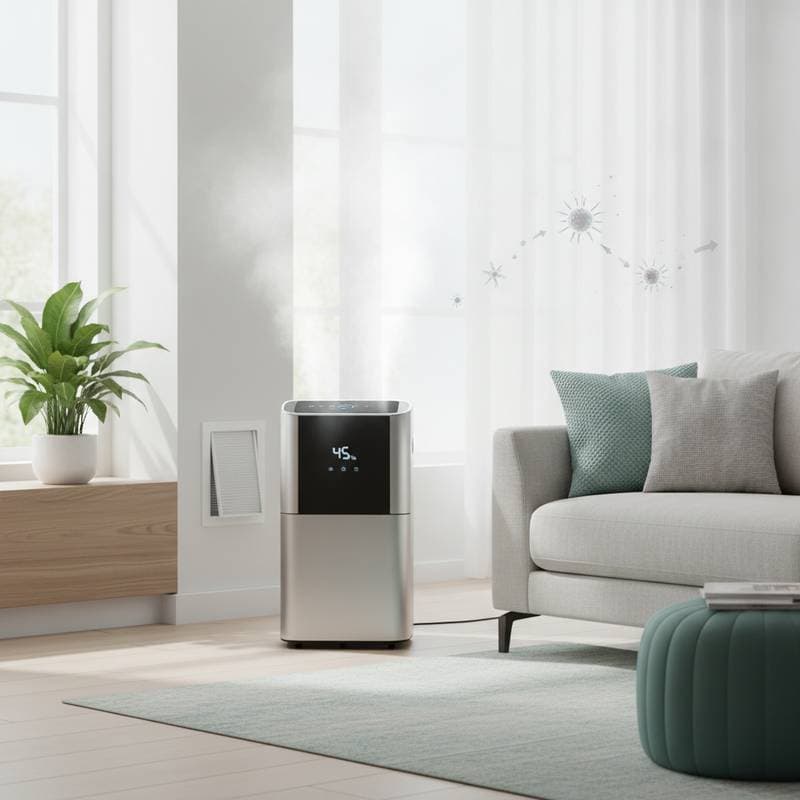
Centralized dehumidifiers link seamlessly to HVAC infrastructure, extracting surplus moisture prior to air distribution. These outperform standalone models by uniformizing conditions across spaces. Installation expenses range from $1,500 to $3,000 based on specifications and manufacturer. Such investments recoup via diminished energy consumption and averted mold interventions.
3. Examine and Fortify Duct Integrity
Compromised ducts permit humid infiltration from unconditioned zones like attics or subfloors. Reinforcement curtails condensation and enhances flow. Experts apply mastic compounds or foil-backed tape for sealing, followed by insulation to mitigate thermal fluctuations inducing moisture.
4. Adopt Variable-Capacity HVAC Technology
Conventional fixed-speed units cycle abruptly, dehumidifying insufficiently during rapid cooling. Variable-capacity models operate extended durations at reduced intensities, promoting steady moisture extraction. Installed costs span $7,000 to $10,000, yet they ensure even comfort and humidity mitigation in demanding environments.
5. Ensure Coil and Drain Reservoir Sanitation
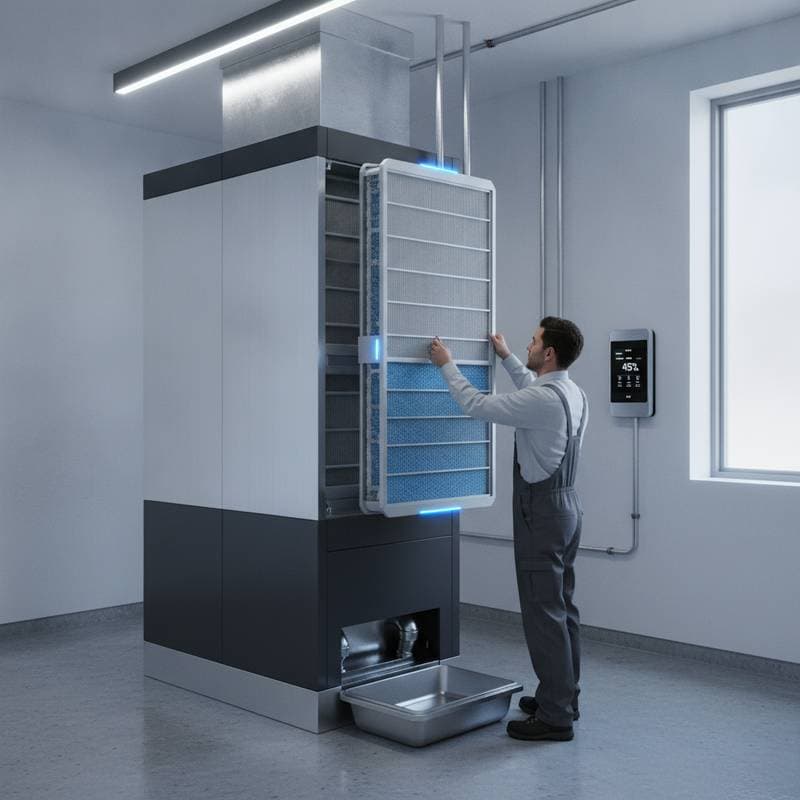
Accumulated debris on coils impairs thermal exchange and retains droplets, priming mold sites. Arrange periodic servicing for coil washing, reservoir checks, and drain purging. Routine annual servicing costs $100 to $200, forestalling substantial future expenditures.
Sustaining Long-Term Efficacy
Humidity oversight demands ongoing vigilance across the HVAC framework, not isolated remedies.
- Servicing Cadence: Arrange expert assessments biannually. Spring preparations optimize cooling, while autumn verifications ready heating components.
- Filtration Upkeep: Exchange filters monthly to quarterly. Obstructions hinder circulation, extending coil exposure to dampness.
- **Ventilation ** Activate exhaust mechanisms in moisture-generating zones such as kitchens, restrooms, and utility spaces. This expels vapors pre-entry into ducting.
- Thermostat Calibration: Refrain from extreme cooling settings. Excessive chill risks coil icing, which thaws into surplus liquid upon deactivation.
- Efficiency Gains: Reduced humidity enhances perceived coolness, permitting modest thermostat elevations without discomfort. This yields up to 10 percent energy reduction.
Adhere to regional codes mandating precise drainage or exhaust setups to avert accumulation. Verify contractor adherence prior to any modifications.
Consequences of Overlooking Humidity Issues
Disregarding moisture regulation incurs steep penalties. Remediation for mold averages $500 to $6,000 by infestation scope. Extensive contamination may necessitate full duct replacement. Financially, such oversights surpass preventive outlays; health-wise, spore inhalation provokes allergic reactions, asthma flares, and pulmonary ailments.
Professional encounters underscore that proactive measures eclipse reactive costs, yielding pristine air, extended durability, and steadfast climate control.
Collaborating with Qualified Specialists
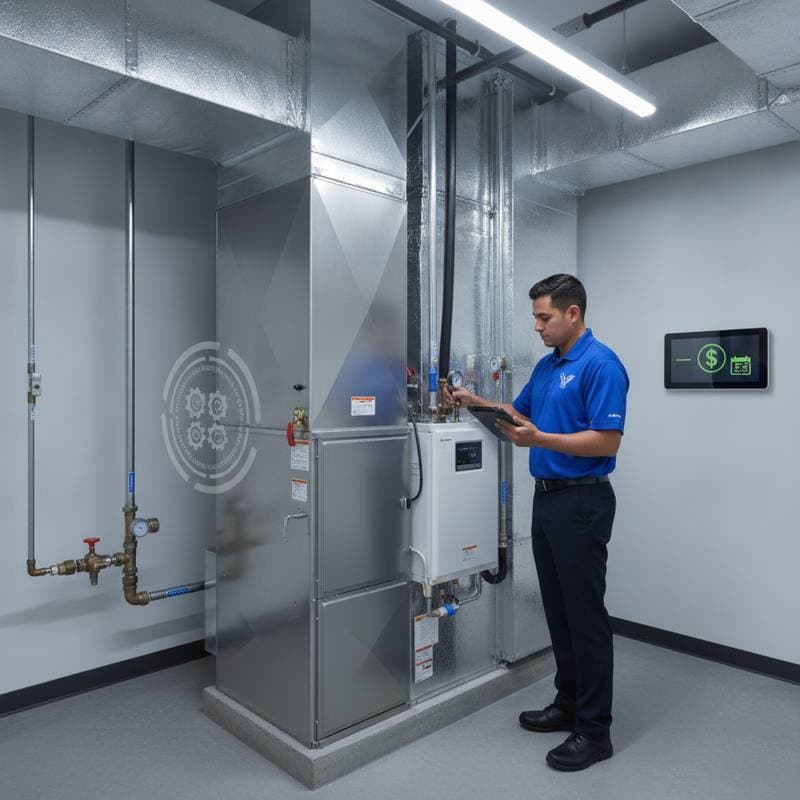
Certain humidity remedies suit self-application, but others necessitate precise execution. Handling refrigerants, sanitizing coils, and securing ducts demands licensed personnel for regulatory compliance and hazard avoidance. Contact certified HVAC providers through reliable channels for customized assessments and estimates.
Advancing Toward Enhanced Indoor Environments
Equipped with appropriate instruments and routines, convert your HVAC from vulnerability to bastion of purified, equilibrated air. Proficiency in humidity governance shields machinery and family health alike. Monitor moisture diligently, commit to scheduled upkeep, and intervene promptly on condensation or odors. Proactive steps today avert tomorrow's disruptions.
Frequently Asked Questions
Q: How frequently should indoor humidity be monitored?
A: Monitor weekly during high-moisture seasons. Persistent levels over 55 percent necessitate dehumidifier activation or professional HVAC tuning.
Q: Which dehumidifier suits comprehensive home coverage?
A: HVAC-integrated whole-home units provide uniform efficacy. Portable variants suffice for localized zones but falter in expansive layouts.
Q: Do ultraviolet systems deter HVAC mold?
A: Affirmative; UV installations proximate coils suppress mold and microbial expansion. Installation fees approximate $300 to $600, augmenting core humidity tactics.
Q: Is self-cleaning of air handler mold advisable?
A: Negative. Internal handler or coil mold remediation requires specialized equipment and agents for safety.