The Mold-Fighting Power of HVAC Humidity Control
Maintaining proper humidity levels in your home represents one of the most effective strategies to prevent mold growth. HVAC humidity control systems regulate indoor moisture, keeping levels between 30 and 50 percent, which supports comfort and inhibits mold development. Costs vary based on system type, home size, and efficiency features, yet the benefits include a healthier living environment with reduced moisture-related problems.
Average Cost Overview
| Service Type | Average Cost |
|---|---|
| Whole-home dehumidifier installation | $1,200 to $3,500 |
| Portable dehumidifier | $150 to $600 |
| Smart humidity control upgrade | $300 to $900 |
| HVAC maintenance with humidity testing | $250 to $750 |
| Ductwork cleaning and moisture inspection | $400 to $1,000 |
| Metric | Amount |
|---|---|
| National average cost | $2,000 |
| Minimum cost | $150 |
| Maximum cost | $3,500 |
| Average cost range | $1,200 to $3,000 |
Cost data derives from industry research and reported project expenses.
Why Humidity Control Matters for Mold Prevention
Mold flourishes in damp, humid conditions. When indoor humidity exceeds 60 percent, moisture condenses on surfaces, nourishing spores that propagate rapidly through the air and HVAC ductwork. A well-calibrated HVAC humidity control system monitors air moisture continuously and adjusts operations to sustain a healthy balance. This approach not only averts mold but also safeguards wood furniture, drywall, and flooring against rot and warping.
Advanced systems incorporate sensors to measure relative humidity and temperature, automatically modulating airflow or engaging dehumidifiers as needed. Such ongoing management maintains a comfortable home atmosphere free from the sticky feel or musty odors typical of mold-infested areas.
How HVAC Humidity Control Systems Work
HVAC humidity control systems manage moisture in tandem with temperature regulation. These systems draw in humid indoor air, cool it to condense excess moisture, and reheat it slightly before circulating it throughout the home. The resulting condensate drains via a dedicated line, preventing water buildup.
Types of Humidity Control Systems
| Type | Description | Average Cost |
|---|---|---|
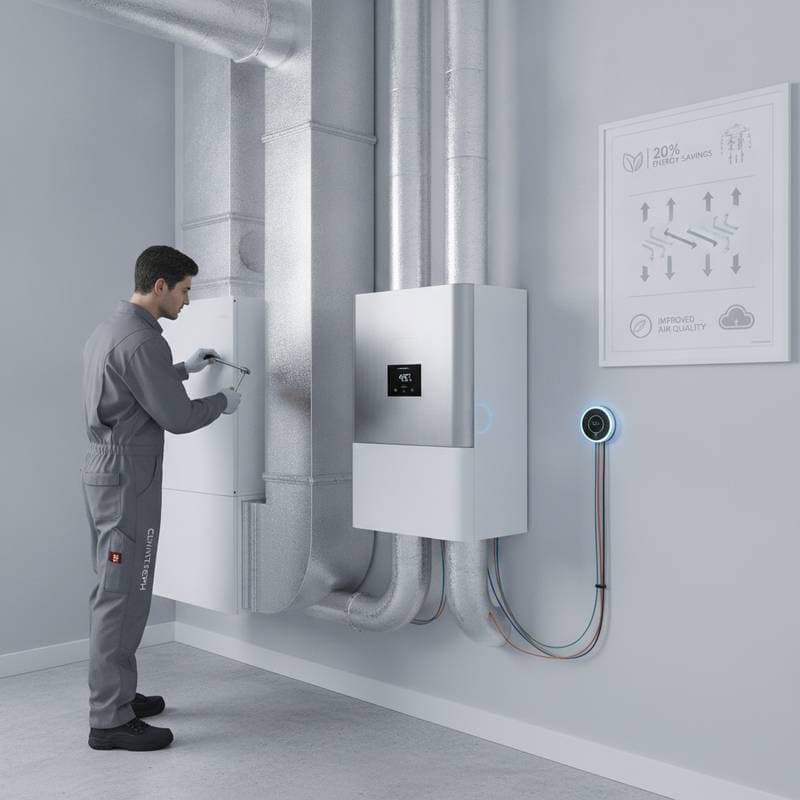
| Integrated whole-home dehumidifier | Connects to HVAC ductwork for comprehensive moisture control | $1,200 to $3,500 |
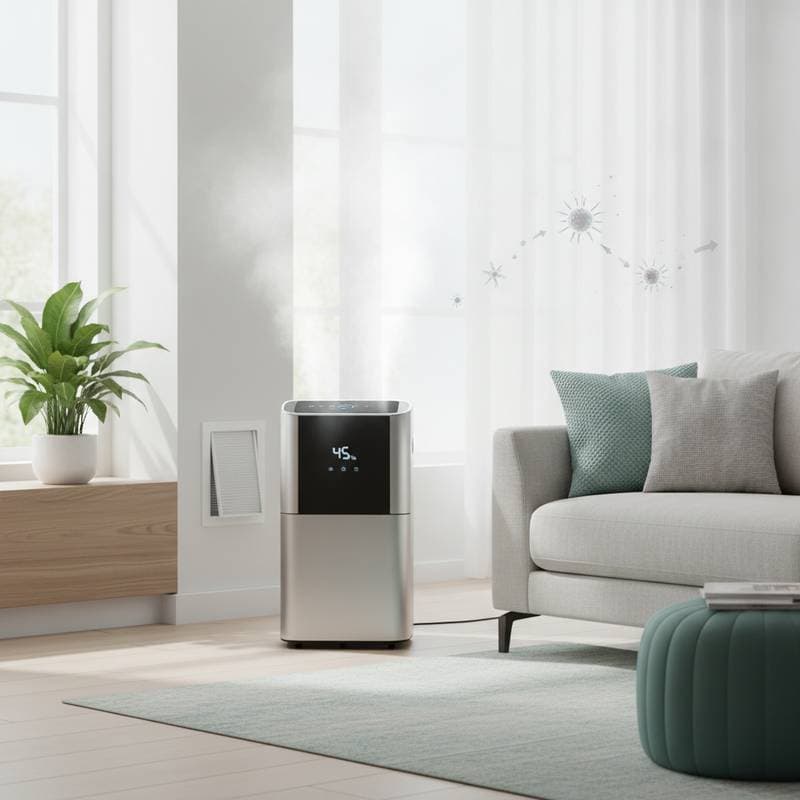
| Standalone dehumidifier | Portable device suited for individual rooms or basements | $150 to $600 |
| Smart thermostat with humidity sensor | Enhances existing HVAC with moisture monitoring capabilities | $300 to $900 |
| Ventilation control system | Enhances airflow to eliminate stagnant humidity zones | $800 to $1,800 |
| UV light and filter upgrades | Inhibits mold spore circulation through air pathways | $400 to $1,200 |
Whole-home systems deliver uniform coverage, whereas portable options target specific zones like basements or bathrooms effectively.
Key Factors Affecting Humidity Control Costs
Multiple elements determine the expense of installing or maintaining humidity control systems. Homeowners benefit from understanding these to budget precisely.
- Home size: Larger residences demand higher-capacity units to address moisture in numerous rooms, elevating equipment and labor expenses.
- System type: Integrated whole-home setups exceed the cost of portable models, though they provide superior sustained performance.
- Efficiency rating: Units with variable-speed fans or intelligent sensors carry higher initial prices but lower ongoing energy costs through optimized operation.
- Existing HVAC condition: Aging infrastructure might require prior duct cleaning or modifications, contributing additional fees.
- Location and climate: Residences in high-humidity areas necessitate robust dehumidification, whereas arid regions may suffice with basic monitoring.
- Installation complexity: Confined access or intricate duct configurations extend labor duration and charges.
- Add-ons and upgrades: Features like smart thermostats, UV treatments, or superior filters enhance efficacy at an extra cost.
- Maintenance frequency: Consistent servicing prevents costly breakdowns and upholds reliable humidity regulation.
Related Costs to Consider
Effective humidity control frequently pairs with supporting services and enhancements:
| Related Service | Typical Cost |
|---|---|
| Duct cleaning and inspection | $400 to $1,000 |
| Drain line installation or repair | $150 to $400 |
| Smart thermostat integration | $300 to $900 |
| Mold remediation (if needed) | $1,000 to $6,000 |
| Insulation or air sealing improvements | $500 to $2,500 |
These measures promote system efficiency and block moisture accumulation in concealed spots.
Maintenance Tips for Lasting Mold Prevention
Routine upkeep ensures HVAC efficiency and mold resistance. Follow these practices to sustain performance:
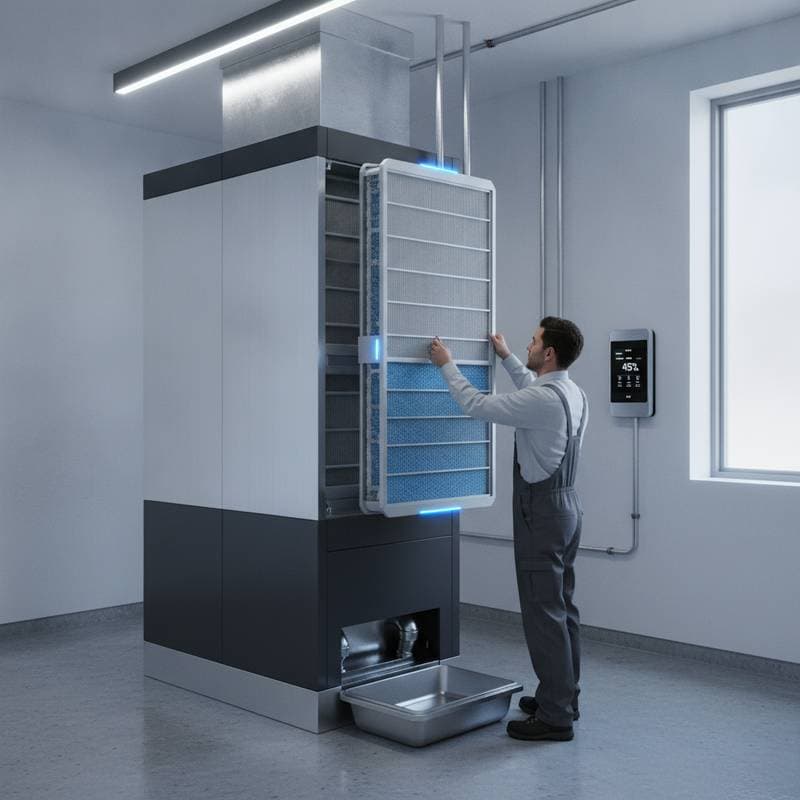
- Replace air filters every one to three months to maintain clean airflow.
- Clean condensate drain lines quarterly to avoid blockages that foster moisture traps.
- Arrange annual professional inspections to detect early issues in humidity regulation.
- Ensure vents and registers remain unobstructed for optimal circulation.
- Use a hygrometer to track indoor humidity levels daily or weekly.
- Operate exhaust fans in bathrooms and kitchens during showers or cooking sessions.
- Inspect for leaks near windows, roofs, and plumbing on a monthly basis.
A diligently maintained system fosters an indoor setting resistant to mold intrusion.
When to Repair or Replace Your Humidity Control System
Persistent dampness, musty scents, or window condensation indicate potential system shortcomings. Units over ten years old often diminish in efficiency, and irregular operation or weak airflow may stem from dirty filters or sensor malfunctions. Opt for replacement when repair expenses surpass half the cost of a new model, prioritizing energy-efficient alternatives for long-term savings.
Smart Ways to Save Money on Humidity Control
Homeowners can control expenses through strategic planning:
- Obtain estimates from several licensed HVAC professionals to compare value.
- Time installations for off-peak periods, such as winter, to secure discounted rates.
- Seek rebates from utilities for qualifying energy-efficient installations.
- Combine humidity upgrades with broader HVAC projects to consolidate labor fees.
- Install programmable thermostats to limit unnecessary system activation.
- Perform regular maintenance to prolong equipment durability.
- Seal ducts and enhance insulation to lessen the system's operational demands.
- Select appropriately sized units to prevent excess expenditure on oversized capacity.
These tactics balance affordability with enhanced comfort and well-being.
Frequently Asked Questions
How much does a whole-home humidity control system cost?
A whole-home system generally ranges from $1,200 to $3,500, influenced by capacity, brand, and setup demands.
What humidity level prevents mold growth?
Levels between 30 and 50 percent deter mold and bacterial proliferation while preserving occupant comfort.
Can my existing HVAC system control humidity?
Contemporary HVAC units often feature built-in sensors or accommodate upgrades via add-on controls and smart thermostats.
Do portable dehumidifiers work as well as whole-home systems?
Portable devices manage humidity effectively in confined spaces like basements but lack the scope for full-home regulation.
Steps to Achieve Mold-Free Comfort
Begin by assessing your home's current humidity with a simple hygrometer purchase. Consult a certified HVAC specialist for a tailored evaluation of system needs and cost estimates. Implement maintenance routines immediately to fortify defenses against moisture buildup. These actions secure a drier, healthier home environment that supports family well-being and structural integrity.