How Much Does an HVAC Subscription Cost? (2025)
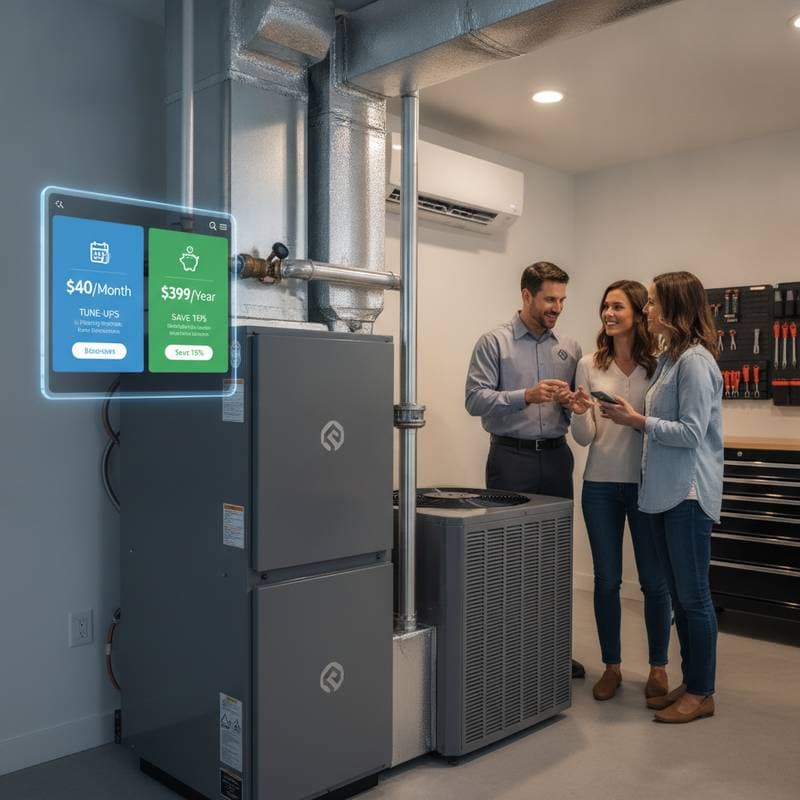
$15 to $40 monthly HVAC maintenance subscription
$150 to $450 annual HVAC maintenance plan
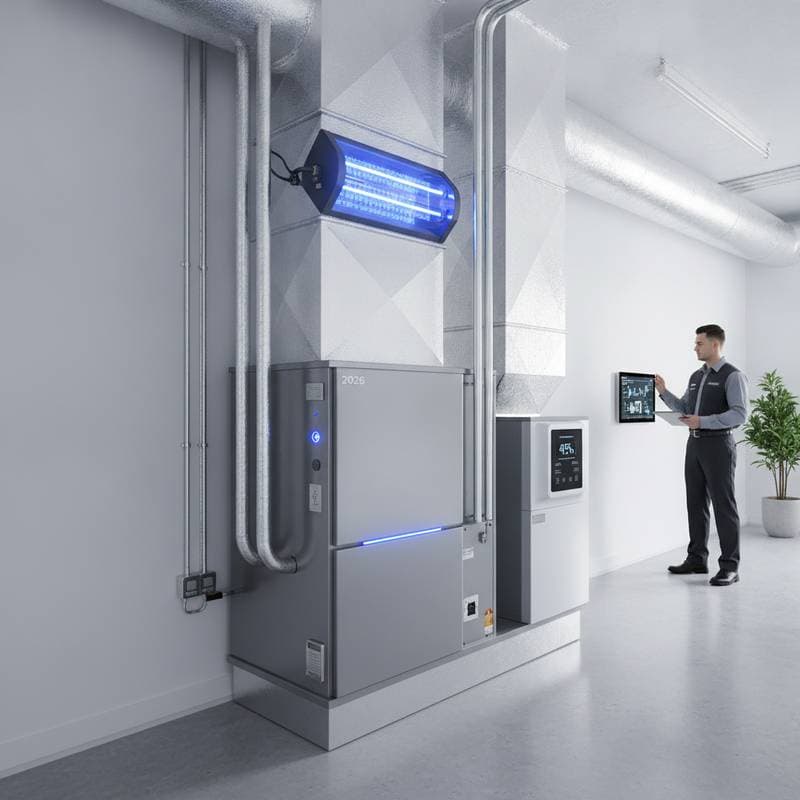
Regular HVAC maintenance supports efficient operation and extends equipment life. Homeowners select between monthly and annual subscription plans that combine tune-ups, priority service, and repair discounts. Costs vary with system type, visit frequency, and coverage details. Comparing payment structures helps match options to budget and comfort priorities.
| Subscription Type | Average Cost |
|---|---|
| Basic monthly plan | $15 to $25 per month |
| Premium monthly plan | $25 to $40 per month |
| Basic annual plan | $150 to $250 per year |
| Premium annual plan | $300 to $450 per year |
| Commercial service plan | $500 to $900 per year |
| Metric | Amount |
|---|---|
| National average cost | $300 |
| Minimum cost | $120 |
| Maximum cost | $900 |
| Average cost range | $150 to $450 |
Cost data reflect aggregated research and reported project expenses.
Monthly Versus Annual HVAC Subscription Costs
Monthly and annual plans both deliver routine maintenance, inspections, and adjustments. Payment timing and overall convenience create the main distinctions. Monthly options divide expenses into smaller increments that aid short-term budgeting. Annual plans typically apply discounts for upfront payment and yield average savings of 10 to 20 percent compared with monthly billing over a full year.
| Plan Type | Payment Frequency | Typical Cost | Best For |
|---|---|---|---|
| Monthly | Every month | $15 to $40 | Budget flexibility |
| Annual | Once per year | $150 to $450 | Long-term savings |
| Hybrid plan | Quarterly | $45 to $100 | Seasonal tune-ups |
Services Included in Typical Plans
Maintenance plans supply comparable services across billing cycles. Consistent attention and lower repair expenses generate most of the value.
- Two seasonal tune-ups per year
- Filter inspection and replacement when covered
- Refrigerant level and airflow verification
- Condenser and evaporator coil cleaning
- Electrical connection and moving-part inspection
- Priority emergency scheduling
- Discounts on repairs, parts, and installations
Premium tiers may add limited repair coverage or waived diagnostic fees.
Pricing by System Type
Costs shift according to equipment and service demands.
| System Type | Average Annual Cost |
|---|---|
| Central air conditioner | $150 to $300 |
| Heat pump | $200 to $400 |
| Gas furnace | $150 to $250 |
| Ductless mini-split | $200 to $350 |
| Commercial rooftop unit | $500 to $900 |
Multi-zone or dual-fuel configurations require extended visits and raise labor expenses.
Key Factors Influencing Costs
Several variables determine final pricing. Understanding these elements supports informed coverage choices.
- System size determines required service time and materials.
- Multiple units increase total coverage expense.
- Quarterly visits raise costs relative to biannual schedules.
- Basic tiers address maintenance only while premium tiers add limited repairs.
- Regional labor rates and climate conditions affect pricing.
- Provider reputation influences rates and response reliability.
- Multi-year contracts often lower annual rates.
Additional Expenses to Plan For
Subscriptions may leave certain items uncovered.
| Related Expense | Typical Cost Range |
|---|---|
| Filter replacements | $10 to $40 each |
| Emergency service not covered | $100 to $250 per call |
| Duct cleaning | $300 to $600 |
| Refrigerant recharge | $150 to $400 |
| System cleaning upgrades | $50 to $150 |
Some providers offer add-on coverage for these items.
Advantages of Consistent Maintenance
Routine service preserves efficiency and reduces breakdown risk. A maintained system can run up to 20 percent more efficiently than a neglected unit. Subscriptions enforce schedule adherence through automated reminders.
Regular inspections catch issues such as dirty coils or loose connections before they cause major failures.
Deciding on Repairs or Replacement
Maintenance records help evaluate repair versus replacement. Technicians monitor performance trends to flag efficiency loss. When repair costs exceed half the price of new equipment, replacement becomes the practical choice. Plans reduce diagnostic fees and supply installation discounts.
Strategies to Reduce Subscription Costs
Several approaches increase value without sacrificing coverage.
- Obtain three or more quotes from licensed contractors.
- Request bundled service packages that include plumbing or electrical work.
- Inquire about renewal incentives for long-term customers.
- Check utility rebates for efficiency upgrades.
- Book maintenance during spring or fall for lower rates.
- Enroll in auto-renewal to access reduced annual pricing.
- Participate in referral programs for service credits.
Answers to Common HVAC Subscription Questions
How much does an HVAC subscription cost?
Most homeowners pay between $15 and $40 per month or $150 to $450 per year.
Are HVAC maintenance plans worth it?
Yes. They reduce breakdown likelihood, improve efficiency, and can extend equipment life.
What is included in an HVAC service plan?
Plans generally provide two tune-ups, priority scheduling, and repair discounts. Higher tiers may cover filters or diagnostic fees.
Can I cancel my subscription anytime?
Most providers accept written cancellation notices. Early termination may incur a modest administrative fee.
Do HVAC subscriptions cover parts replacement?
Basic plans exclude parts. Premium options sometimes include minor components such as belts or capacitors.
How do I choose between monthly and annual billing?
Monthly billing suits those who prefer smaller payments. Annual payment delivers the lowest overall rate.
Can I transfer my plan if I move?
Many companies permit transfers to new owners or properties. Confirm terms before signing.
Selecting the Right Plan for Your Needs
Match plan length and tier to household budget, system complexity, and service priorities. Annual commitments deliver measurable savings while monthly options preserve cash-flow flexibility. Consistent maintenance through either structure protects comfort and controls long-term operating costs.