Each option influences long-term expenses, system reliability, and budgeting flexibility. Factors such as home size, usage patterns, and ownership duration play significant roles in determining the best choice. By breaking down true costs, this guide equips you with insights to align your decision with practical needs.
What Are HVAC Subscription Plans?
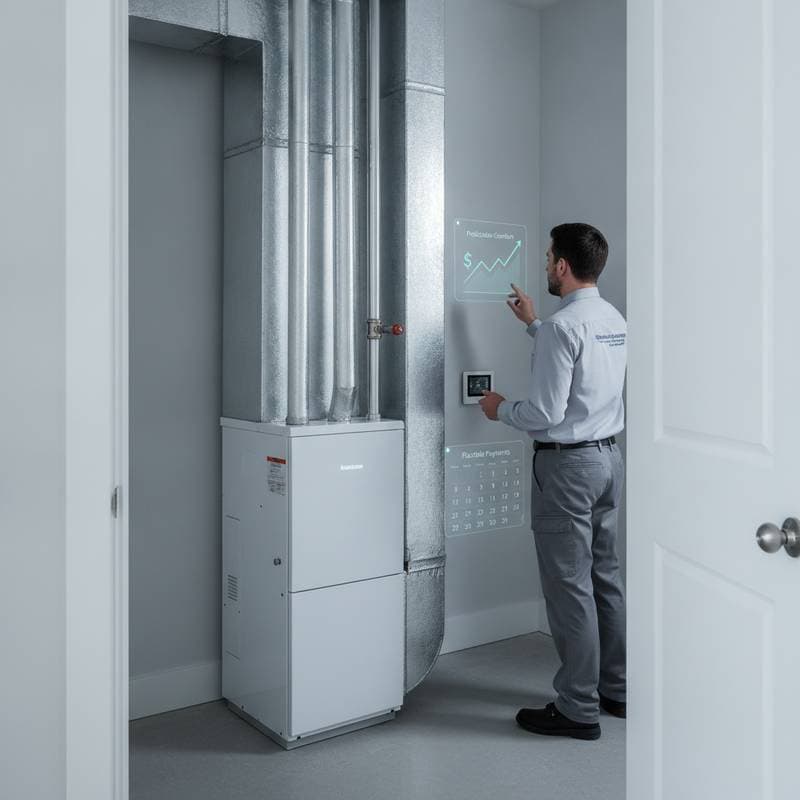
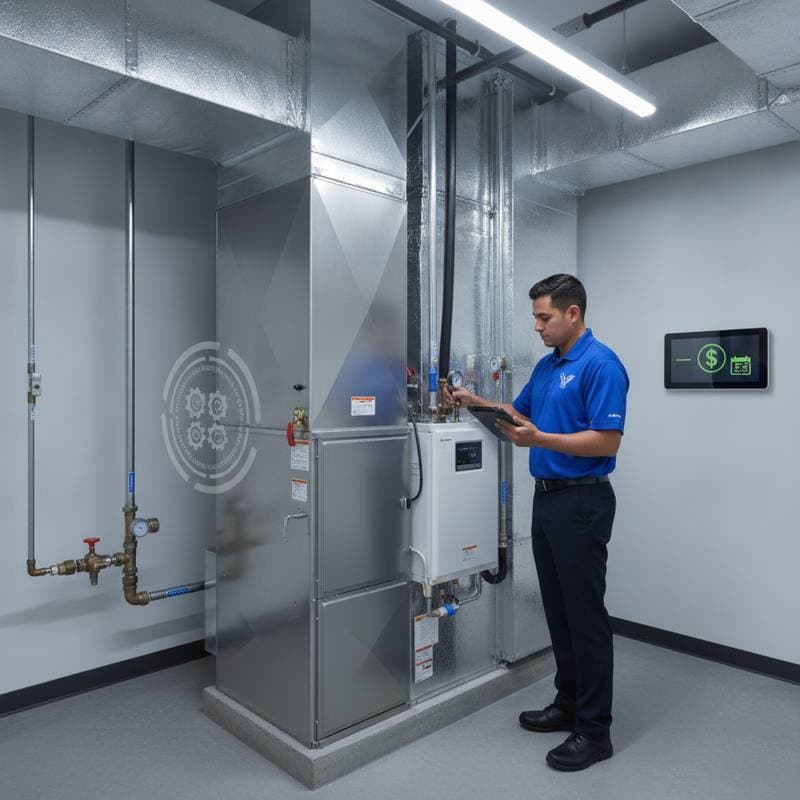
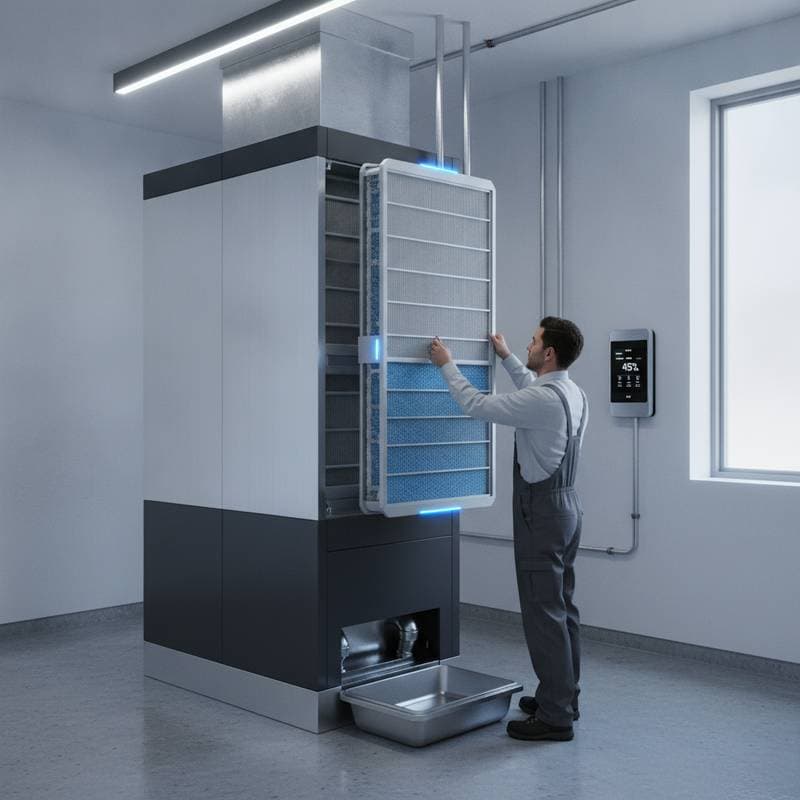
HVAC subscription plans function like a service contract, where you pay a recurring fee for the system itself plus maintenance and repairs. Providers typically install a high-efficiency unit and handle all servicing, from filter changes to annual tune-ups, under the agreement. These plans eliminate surprise bills and ensure the system operates at peak performance.
Monthly payments range from $100 to $300, depending on the unit's capacity and home requirements. Contracts often span 10 to 15 years, after which ownership transfers or renewal options become available. This model appeals to those seeking predictable expenses without a hefty down payment.
The Upfront Payment Approach
Opting for upfront payment means covering the entire cost of the HVAC system at once, including purchase, installation, and any initial warranties. Prices for a standard residential unit start at $5,000 and can exceed $10,000 for advanced models with smart features. Financing options exist, but they add interest that increases the total outlay.
Post-purchase, maintenance falls to the homeowner, with routine services costing $150 to $300 per visit. Emergency repairs might add thousands if major components fail outside warranty periods. This method suits individuals with available capital who prefer full ownership from day one.
Detailed Cost Breakdown: Subscriptions vs Upfront
To compare accurately, consider a mid-sized home requiring a 3-ton unit over 10 years. Subscription plans total approximately $12,000 to $36,000, incorporating all maintenance and potential upgrades. Upfront costs average $7,000 initially, plus $2,000 to $5,000 in maintenance, yielding a range of $9,000 to $12,000 total.
Energy efficiency factors into savings; subscriptions often feature newer, optimized systems that reduce utility bills by 20 to 30 percent annually. Upfront buyers might achieve similar efficiency with premium units but face higher repair risks as the system ages. Tax incentives for energy-efficient installations apply to both, potentially offsetting $500 to $1,500.
Break-even analysis shows subscriptions becoming cost-effective after five years for frequent repairs, while upfront saves if the system lasts beyond 15 years without issues. Calculate your scenario by estimating annual energy use and local service rates.
Short-Term Financial Impact
- Initial Outlay: Subscriptions require no large payment, preserving cash flow for other home improvements.
- Monthly Budgeting: Fixed fees simplify planning, avoiding seasonal spikes in utility or repair costs.
- Opportunity Cost: Upfront ties up funds that could earn interest in savings accounts or investments.
Long-Term Value Assessment
- Warranty and Coverage: Subscriptions provide comprehensive protection, minimizing downtime during peak seasons.
- Resale Benefits: A well-maintained subscribed system boosts home value by demonstrating reliability to buyers.
- Inflation Adjustment: Monthly plans often include adjustments, but upfront locks in today's prices against rising material costs.
Pros and Cons of Each Model
Subscription plans offer convenience and peace of mind through included services, ideal for renters or short-term owners. However, they may limit customization and involve cancellation fees if circumstances change. Upfront ownership grants complete control and potential equity buildup, though it demands proactive maintenance to avoid escalating expenses.
Evaluate your priorities: if reliability trumps initial savings, subscriptions excel. For those planning long-term residency, upfront investments yield greater returns over decades.
Factors to Consider Before Deciding
Assess your financial stability, including credit score for potential financing. Review local climate demands; harsher environments benefit from subscription-backed reliability. Consult system lifespan data—average units last 15 to 20 years—with subscriptions extending usability through regular care.
Home size and family needs influence capacity requirements, affecting both models' costs. Gather quotes from multiple providers to compare terms, ensuring transparency on hidden fees or escalation clauses.
Making the Right Choice for Your Home
Select the option that balances immediate affordability with sustained comfort. Subscriptions suit budget-conscious households valuing hassle-free operation, while upfront payments reward those with resources for ownership perks. Either path, when chosen wisely, enhances your home's efficiency and livability for years ahead.