Understanding HVAC Humidity Control Costs in 2026
$400 to $1,200 for whole-home humidifier installation
$800 to $2,500 for whole-home dehumidifier installation
$150 to $500 for humidity sensor or smart controller upgrade
Proper humidity control represents a significant advancement in home comfort systems. Contemporary HVAC units regulate moisture levels with the same precision as temperature. Homeowners typically invest between $400 and $2,500 to incorporate or upgrade humidity control features. These expenses vary based on system capacity, home size, and the choice between humidification, dehumidification, or combined solutions.
| Service Type | Average Cost |
|---|---|
| Whole-home humidifier | $400 to $1,200 |
| Whole-home dehumidifier | $800 to $2,500 |
| Smart humidity control system | $600 to $1,800 |
| Humidity sensor integration | $150 to $500 |
| Maintenance and filter replacement | $100 to $300 per year |
| Metric | Amount |
|---|---|
| National average cost | $1,400 |
| Minimum cost | $400 |
| Maximum cost | $2,500 |
| Average cost range | $800 to $1,800 |
Cost data derives from industry research and reported project expenses.
The Importance of Humidity Control in Contemporary HVAC Systems
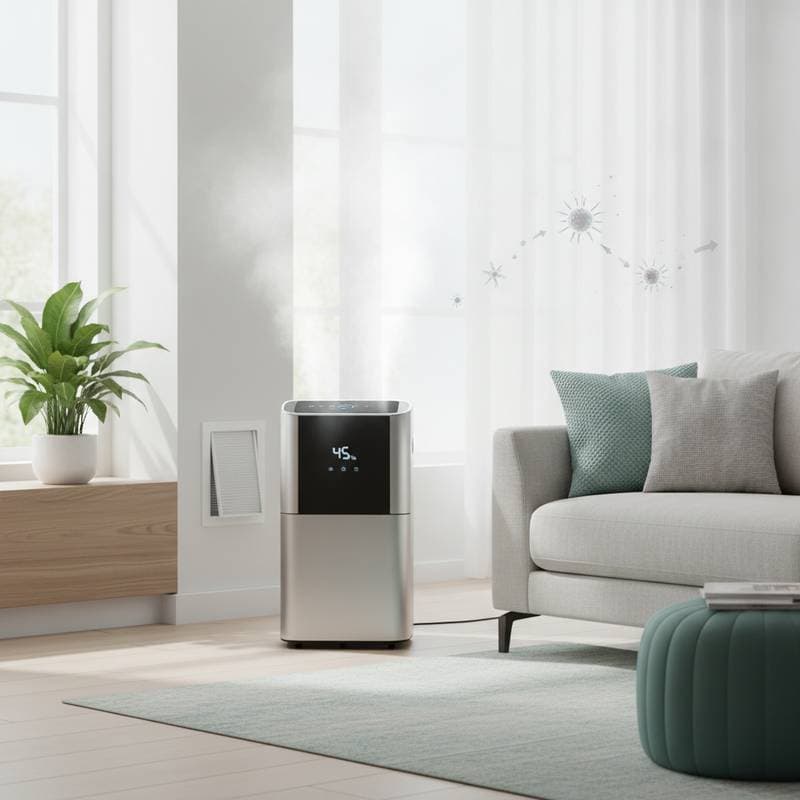
Comfort extends beyond mere temperature settings. Humidity levels determine perceived warmth or coolness in a space and impact air quality, energy consumption, and the durability of furnishings. Experts recommend maintaining relative humidity between 40 and 50 percent indoors. Excess moisture promotes mold development and unease, whereas insufficient levels cause dryness in skin and structural materials.
Current HVAC technologies automatically sustain this equilibrium. Rather than depending on independent devices, integration into the primary HVAC framework delivers unified operation.
Comprehensive Cost Analysis
Whole-Home Humidifiers
Central humidifiers link to existing ductwork and introduce moisture during air circulation.
| Type | Average Cost (Installed) |
|---|---|
| Bypass humidifier | $400 to $800 |
| Fan-powered humidifier | $600 to $1,000 |
| Steam humidifier | $1,000 to $1,200 |
Steam variants provide superior efficiency for expansive residences, whereas bypass models accommodate limited budgets.
Whole-Home Dehumidifiers
These units extract surplus moisture to stabilize levels amid humid conditions.
| Type | Average Cost (Installed) |
|---|---|
| Standard whole-home unit | $800 to $1,500 |
| High-capacity unit | $1,500 to $2,500 |
| Integrated HVAC dehumidifier | $1,200 to $2,000 |
Units with greater capacity serve larger properties or areas prone to high humidity.
Smart Controllers and Sensors
Intelligent components enable real-time monitoring and automatic humidity adjustments.
| Component | Average Cost |
|---|---|
| Smart thermostat with humidity control | $300 to $600 |
| Standalone humidity controller | $150 to $400 |
| Wireless humidity sensors | $100 to $250 |
When combined with efficient HVAC setups, these enhancements lower energy demands and prolong equipment lifespan.
Labor and Installation Expenses
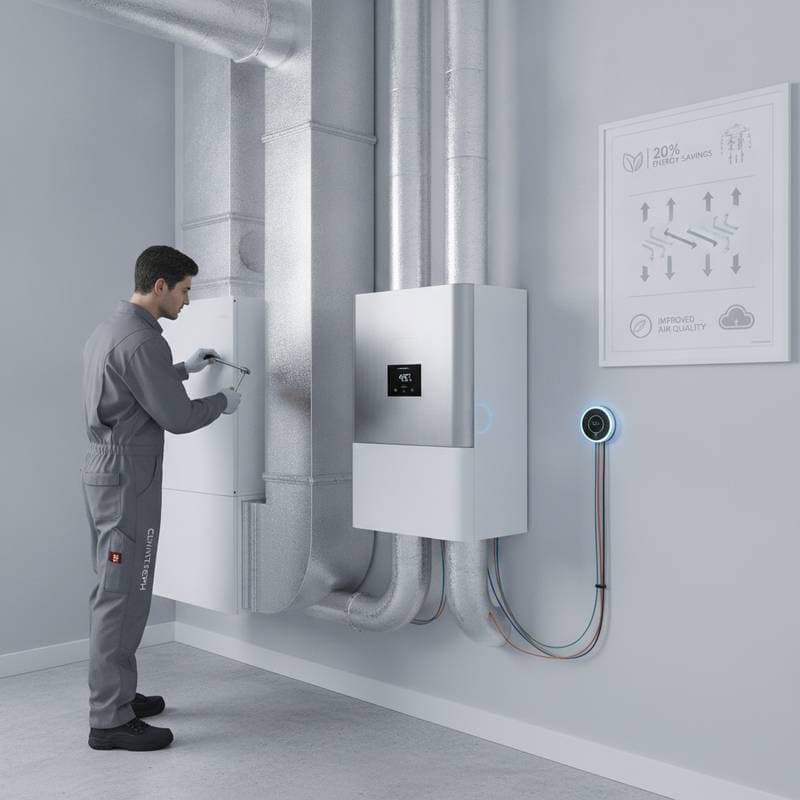
Labor constitutes 30 to 50 percent of the overall project budget. Professionals charge $75 to $150 hourly, influenced by regional rates and technical demands. Projects generally require two to six hours, contingent on duct accessibility and electrical requirements.
Factors Influencing Humidity Control Expenses
Multiple elements determine the final investment for humidity upgrades.
- System size and capacity: Expansive homes demand robust units, elevating equipment and installation fees.
- Compatibility with existing HVAC: Legacy systems might necessitate electrical or duct alterations.
- Efficiency ratings: Advanced models carry higher initial prices yet yield savings over time.
- Brand and build quality: Reputable options include extended warranties and superior sensors, increasing upfront costs.
- Installation challenges: Confined spaces or obstructed ducts extend labor duration.
- Regional climate: Properties in moist or arid zones require tailored capacities.
- Smart features: App connectivity or thermostat linkage adds expense while enhancing usability.
- Ongoing maintenance: Annual filter and pad changes range from $100 to $300.
Additional Associated Costs
Humidity initiatives may incur supplementary outlays outside the core equipment.
| Related Expense | Typical Cost |
|---|---|
| Ductwork modifications | $200 to $600 |
| Electrical wiring or circuit updates | $150 to $400 |
| Drain line installation | $100 to $250 |
| Old unit removal | $50 to $150 |
| System inspection or permit | $75 to $200 |
Such modifications promote safety, performance, and adherence to regulations.
Maintenance Strategies for Humidity Systems
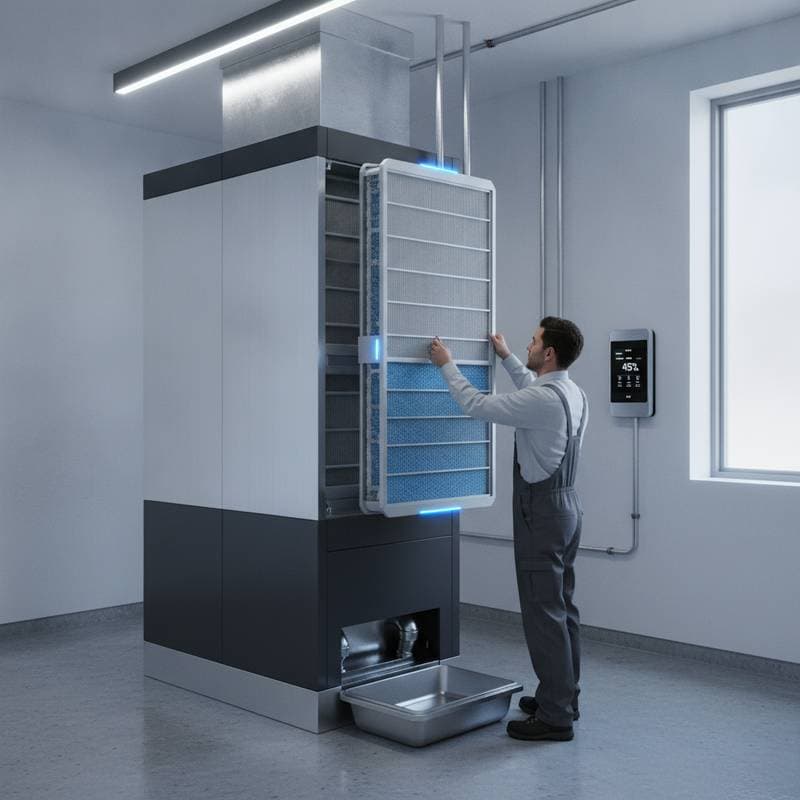
Regular upkeep ensures longevity and reliability in humidity controls. Oversight can result in deposits, leaks, or faulty measurements.
Essential Maintenance Procedures
- Swap humidifier pads and filters seasonally.
- Clear drain lines and water panels periodically.
- Examine sensors for precision biannually.
- Scan ducts for mold or mildew.
- Confirm humidity readings via thermostat.
Annual professional services, priced at $100 to $300, encompass thorough cleaning, adjustments, and component reviews.
Homeowner Maintenance Approaches
Certain routines allow self-management.
- Drain and sanitize dehumidifier reservoirs if not plumbed.
- Employ distilled water in standalone devices to minimize scaling.
- Track levels using a digital hygrometer for system validation.
Repair Versus Replacement Decisions
When existing humidity mechanisms falter, evaluate options carefully.
Repairs address issues like blockages or sensor errors for $150 to $500. Replacement proves economical for units over ten years old or when fixes surpass 40 percent of new system costs.
Indicators of necessary renewal include erratic operation, persistent smells or mold, leaks, or escalating utility bills despite upkeep.
Strategies to Minimize Humidity Control Expenses
Implement these tactics to curb both setup and runtime costs.
- Time installations for off-peak seasons with reduced demand.
- Seek rebates from manufacturers on efficient designs.
- Combine projects, such as pairing with HVAC servicing.
- Incorporate smart controls for automated efficiency.
- Obtain bids from several providers.
- Perform consistent filter maintenance to prevent breakdowns.
- Utilize programmable thermostats for optimized balance.
- Explore utility programs supporting air quality enhancements.
Common Questions on Humidity Control
What is the cost of a whole-home humidifier?
Expect $400 to $1,200 on average, varying by type and scale. Steam systems excel in larger spaces despite higher installation fees.
What constitutes optimal indoor humidity?
Authorities advise 40 to 50 percent relative humidity to deter mold and ensure comfort.
Is self-installation feasible for humidifiers or dehumidifiers?
Portable models suit DIY efforts, but central systems demand expert handling for secure duct and electrical integration.
What is the lifespan of humidity control systems?
Proper care yields 10 to 15 years of service. Steam types may need part swaps sooner due to scaling.
Do dehumidifiers lower cooling expenses?
Indeed, by eliminating moisture, they enable higher thermostat settings without discomfort, easing AC workload.
Does humidity control alleviate allergies?
Equilibrium reduces allergens like mites and mold, often yielding noticeable relief for sensitive individuals.
How frequently should filters and pads change?
Every three to six months, or seasonally, based on water hardness and operation.
How to determine system size?
Technicians assess needs using home area, insulation, and local weather to avoid inefficiency.
Are smart humidity systems valuable?
They provide continuous oversight, remote access, and energy reductions, justifying the investment.
Can humidity controls integrate with any HVAC?
Typically, yes; specialists adapt most forced-air configurations.
Selecting a Competent HVAC Professional
Choose experts to guarantee effective, secure installations. Review candidates against this criteria:
- Confirm state licensure and coverage.
- Request credentials like NATE or EPA.
- Demand itemized written proposals.
- Examine reviews and local endorsements.
- Clarify warranty details for parts and work.
- Outline schedules and site protocols.
- Explore maintenance agreements.
- Verify pre- and post-installation assessments.
Steps Toward Achieving Balanced Indoor Comfort
Begin by evaluating current humidity with a hygrometer. Consult a licensed technician for a tailored assessment. Proceed with upgrades that align with your home's needs and budget to enjoy sustained health benefits and efficiency gains.