Humidity Control HVAC Technology Transforms Moisture Management in 2026
As an HVAC professional, I have observed homeowners struggle with humidity as a hidden factor that reduces comfort and increases energy costs. In coastal regions, persistent dampness persists even when air conditioning runs continuously. In inland areas, low moisture leads to static and damaged wood surfaces.
This imbalance creates discomfort and indicates that an HVAC system struggles with moisture regulation. Advanced humidity control HVAC technology enables systems to adapt intelligently. Homeowners achieve better air quality, reduced bills, and extended equipment life.
Indoor Moisture Imbalance Creates Multiple Issues
Excess humidity promotes mold, warps flooring, and overworks cooling equipment. Low humidity causes respiratory discomfort, damaged finishes, and brittle furnishings. Poor humidity management can shorten HVAC system lifespan by up to 30 percent.
Traditional air conditioners often fail in high dew point areas because they remove heat without sufficient moisture extraction. Heating systems in arid climates remove too much moisture. Precision control requires equipment designed for these variable conditions.
Advanced Systems Deliver Precise Moisture Regulation
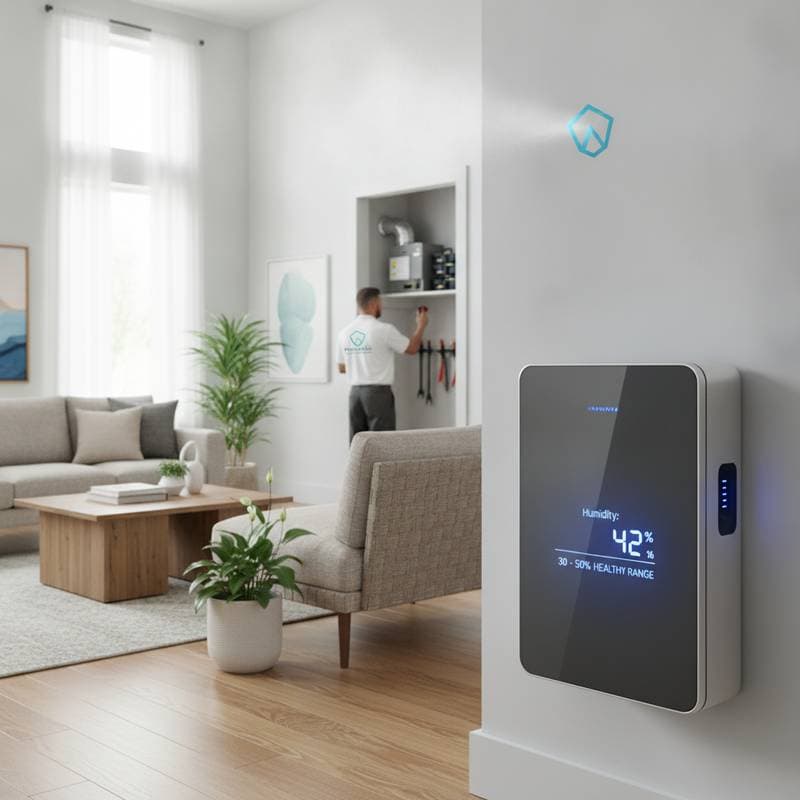
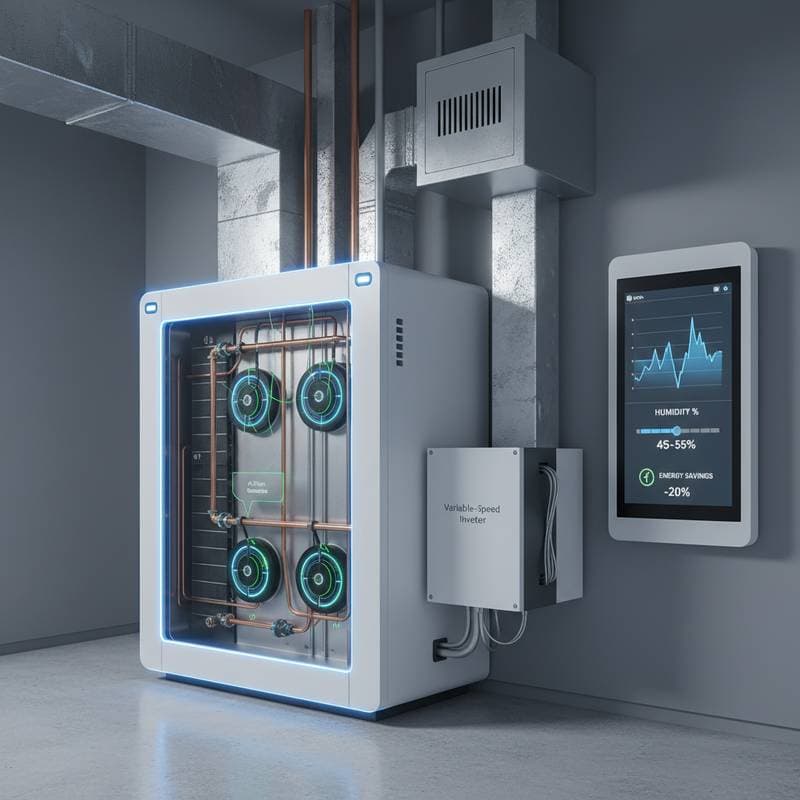
Current humidity control HVAC technology employs continuous sensors that monitor air conditions. These sensors direct variable speed compressors and fans to adjust output for optimal moisture levels. The system responds proactively rather than after discomfort occurs.
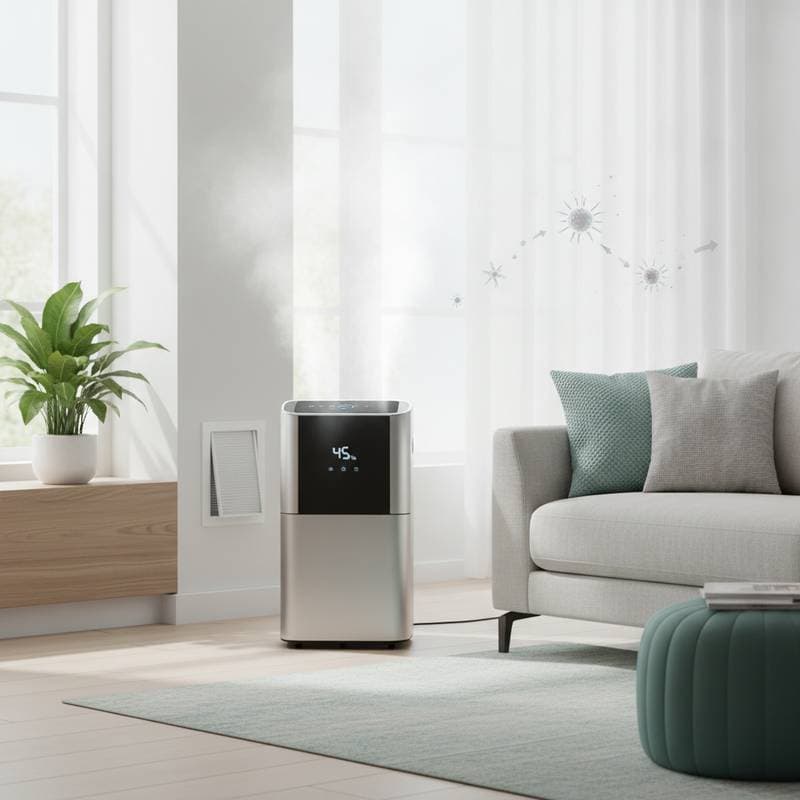
Integrated dehumidification units connect to existing ductwork and extract several pints of water hourly at lower energy use than separate appliances. In dry climates, synchronized humidifiers maintain steady moisture levels through thermostat integration.
Core Features Support Effective Operation
- Smart Sensors and Automation: Real time humidity data directs automatic changes to fan speed, compressor output, and reheat functions.
- Variable Speed Compressors: Multiple operating levels match exact indoor requirements and limit energy waste.
- Integrated Dehumidification Modules: These components extract moisture before circulation and improve removal rates by up to 15 percent over standard equipment.
- Zoned Moisture Management: Independent control maintains appropriate humidity levels in separate areas such as bedrooms and basements.
- Energy Recovery Ventilators: These units exchange indoor and outdoor air while preserving desired humidity and temperature.
Maintenance Practices Protect System Performance
- Clean or replace filters every one to three months to maintain airflow.
- Seal ducts and windows to prevent outdoor air infiltration.
- Connect humidity sensors to thermostats for consistent automatic adjustments.
- Clear condensate lines regularly to avoid internal moisture buildup.
- Arrange annual professional inspections to identify imbalances early.
Upgrade Planning Requires Climate and Equipment Assessment
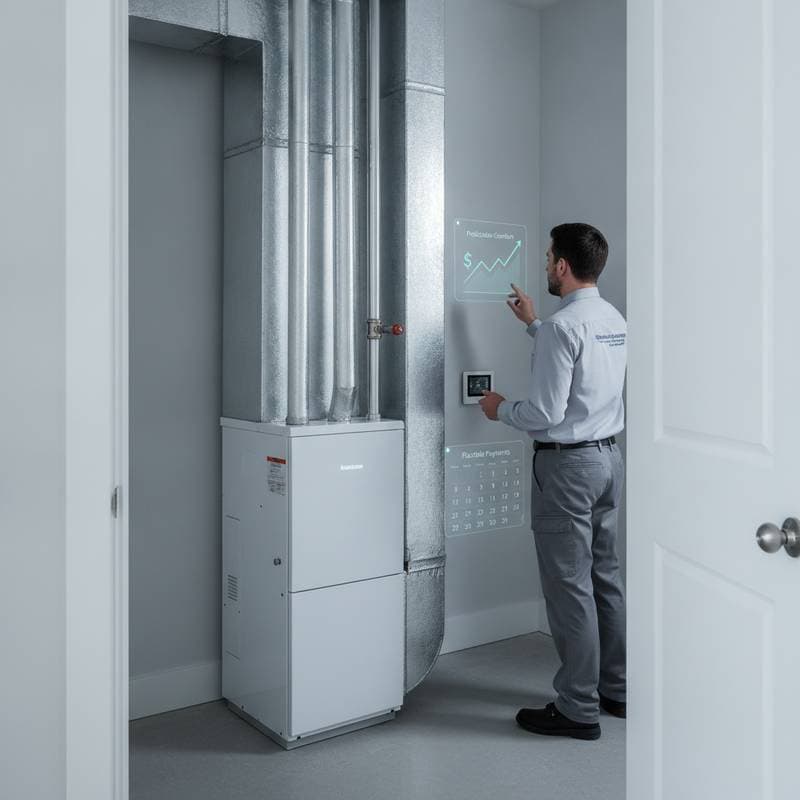
Homeowners should evaluate local climate, current system age, and comfort goals before installation. Whole home humidity equipment typically requires an investment between 1500 and 3000 dollars. Proper returns appear through reduced operating costs and improved air quality.
Correct venting and calibration prevent condensation and mold inside ducts. Licensed technicians ensure compliance with codes and manufacturer requirements. Veteran technician Laura Jensen noted that humidity control requires every component to operate in harmony for reliable results.
Steps Toward Sustained Indoor Comfort
Balanced humidity protects building materials, supports respiratory health, and improves daily living conditions. Sticky summer air or dry winter conditions signal the need for updated moisture management. A professional assessment identifies specific system limitations and matches equipment to budget and regional needs.