Understanding Humidity Control in HVAC Systems for 2026
Homeowners often encounter discomfort from sticky summers or dry winters, regardless of thermostat adjustments. This issue stems from humidity imbalance rather than temperature alone. In 2026, advanced HVAC systems address moisture levels to deliver consistent comfort, superior air quality, and notable energy savings.
Regional climates exacerbate these challenges, with humid areas fostering excess moisture and arid zones causing dryness. Effective humidity control transforms the HVAC system into a comprehensive climate manager. Homeowners benefit from healthier environments and reduced operational costs throughout the year.
Consequences of Inadequate Moisture Management
Poor humidity regulation leads to significant issues beyond mere discomfort. High moisture levels promote mold proliferation in walls, cause flooring to warp, and degrade insulation materials. In attics and basements, condensation forms that corrodes ductwork and accelerates rust on HVAC parts.
Low humidity proves equally damaging, resulting in cracks around windows and contracted door frames. Signs of excess humidity include persistent dampness despite air conditioning operation or emerging musty smells. Dry conditions manifest as irritated nasal passages or parched throats during winter months.
Both extremes increase HVAC workload, potentially reducing system longevity. Addressing these promptly prevents costly repairs and maintains structural integrity.
Proven Methods for Maintaining Optimal Humidity
Optimize Current HVAC Performance
Begin with a thorough professional assessment before considering upgrades. Technicians examine air conditioner coils for proper drainage and verify duct sealing integrity. Minor leaks allow humid outdoor air to infiltrate, disrupting indoor balance.
Integrate Whole-Home Solutions
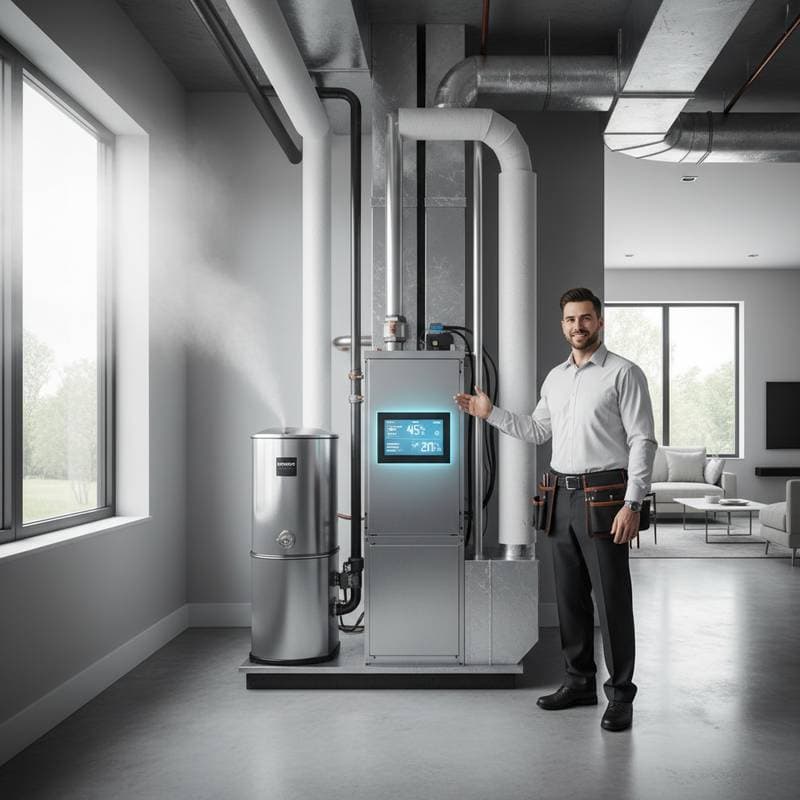
Whole-home dehumidifiers link to the air handler, extracting moisture from all distributed air. In contrast, whole-home humidifiers add precise amounts of moisture in dry conditions. Installation costs range from $1,200 to $2,500, with potential annual savings of several hundred dollars in energy and maintenance.
Implement Intelligent Thermostats
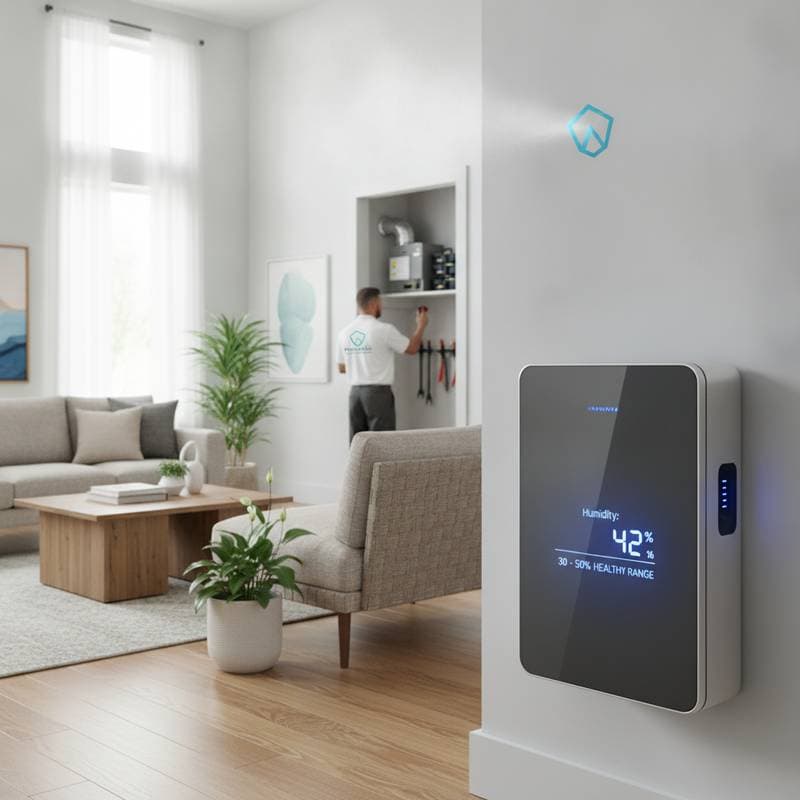
Smart thermostats equipped with humidity sensors serve as centralized controllers. They automate adjustments for heating, cooling, and dehumidification. On humid rainy days, for instance, the device activates extended low-speed fan operation to enhance moisture removal without excess cooling.
Enhance Ventilation Practices
Ensure exhaust fans in bathrooms, kitchens, and laundry areas direct air outdoors, avoiding discharge into attics or crawl spaces. This prevents accumulation of moisture in concealed areas. Energy recovery ventilators introduce balanced fresh air while regulating humidity levels.
Essential Maintenance for Sustained Humidity Control
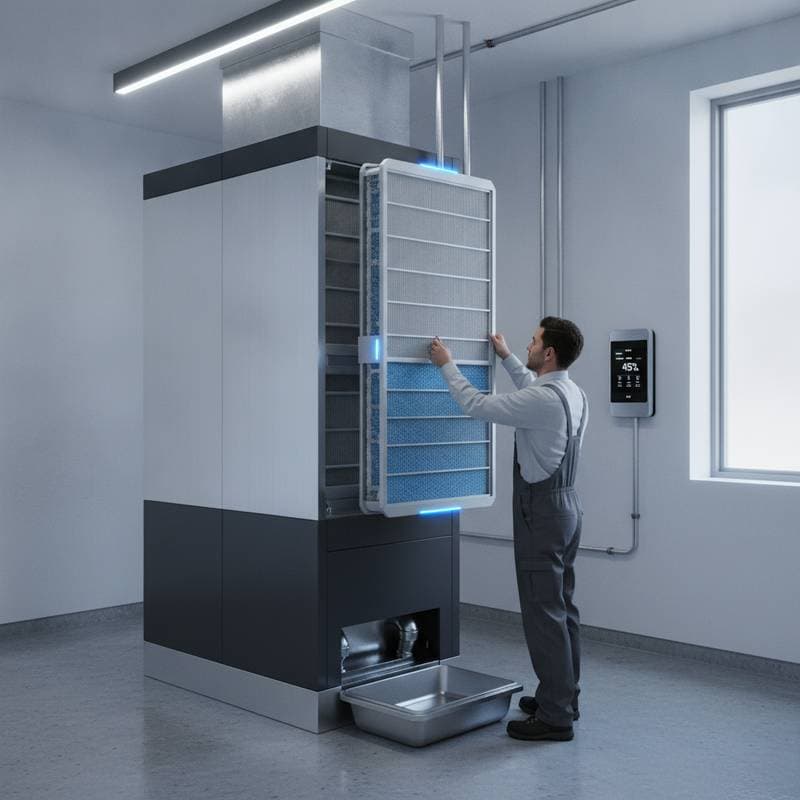
Regular upkeep ensures the HVAC system operates cohesively, much like components in a precision instrument. Clogged filters, obstructed drains, or soiled coils compromise performance. Consistent servicing preserves efficiency and reliability.
- Replace air filters every one to three months to maintain airflow and prevent humidity retention.
- Clear condensate drain lines to avoid blockages from algae that lead to water overflow.
- Arrange professional inspections twice yearly to detect issues like refrigerant shortages or malfunctioning fans.
- Examine ducts for leaks, as infiltration from moist external spaces elevates indoor humidity.
These tune-ups cost $100 to $200 annually and avert over 80 percent of typical failures. Efficiency gains can reach 15 percent, making maintenance a cost-effective investment in long-term comfort.
Steps to Achieve Balanced Indoor Climate
Inconsistent home comfort often signals humidity discrepancies. Initiate the process with an expert HVAC evaluation to measure moisture levels and assess equipment. Professionals recommend customized dehumidification or humidification based on findings.
American Air HVAC pairs homeowners with certified local specialists familiar with local weather patterns and building types. Solutions adapt to humid coastal settings or dry interiors, ensuring precise environmental control.
Mastering humidity yields tangible benefits: fresher air for breathing, pristine surfaces, and stable room conditions. Energy reductions and preserved home integrity follow naturally, enhancing overall living quality.
Frequently Asked Questions
Q: How can I determine if my HVAC system manages humidity?
A: Check the thermostat for humidity controls or inspect the air handler for built-in humidifiers or dehumidifiers. Systems limited to temperature settings depend on cooling cycles for basic moisture reduction.
Q: Is a portable dehumidifier preferable to a whole-home model?
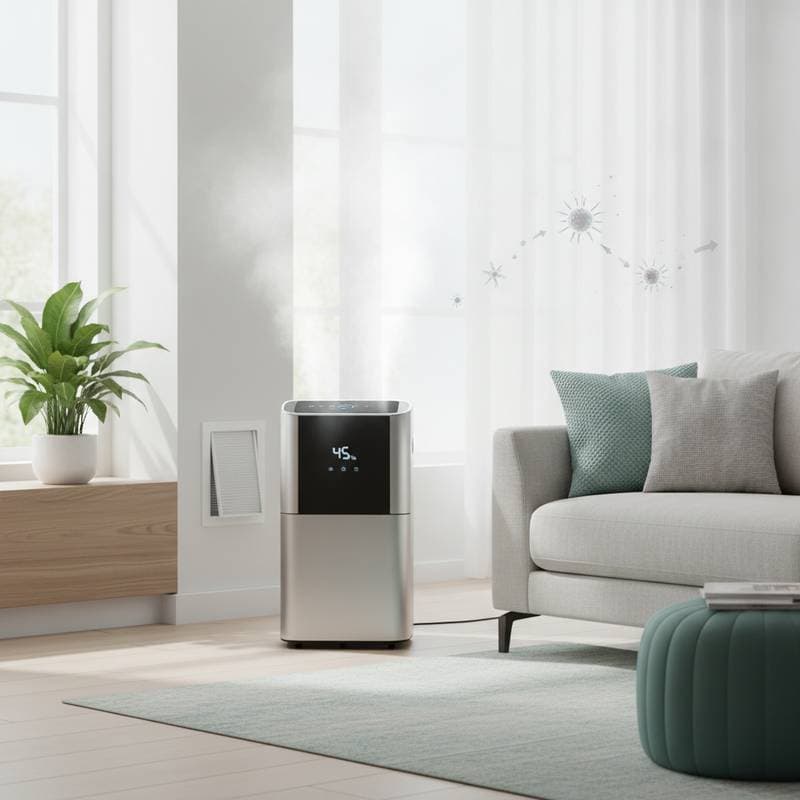
A: Portable options suit individual rooms or basements but fail to regulate entire-home air. Whole-home units integrate with ducts for uniform control and superior efficiency.
Q: What is the ideal indoor humidity range?
A: Target 40 to 50 percent relative humidity to inhibit mold, promote comfort, and safeguard wood and electronics.
Q: How frequently should dehumidifiers receive cleaning or service?
A: Clean drain lines and filters every few months. Annual professional reviews ensure optimal function.
Q: Does humidity control alleviate allergy or asthma issues?
A: Balanced levels suppress mold, dust mites, and irritants, often improving respiratory symptoms.