Humidity-Controlled HVAC Systems Prevent Mold in 2025 Homes
Installation of a humidity-controlled HVAC system costs between $4,000 and $11,000. Adding a whole-house dehumidifier ranges from $650 to $1,200. Annual maintenance for humidity management falls between $150 and $500.
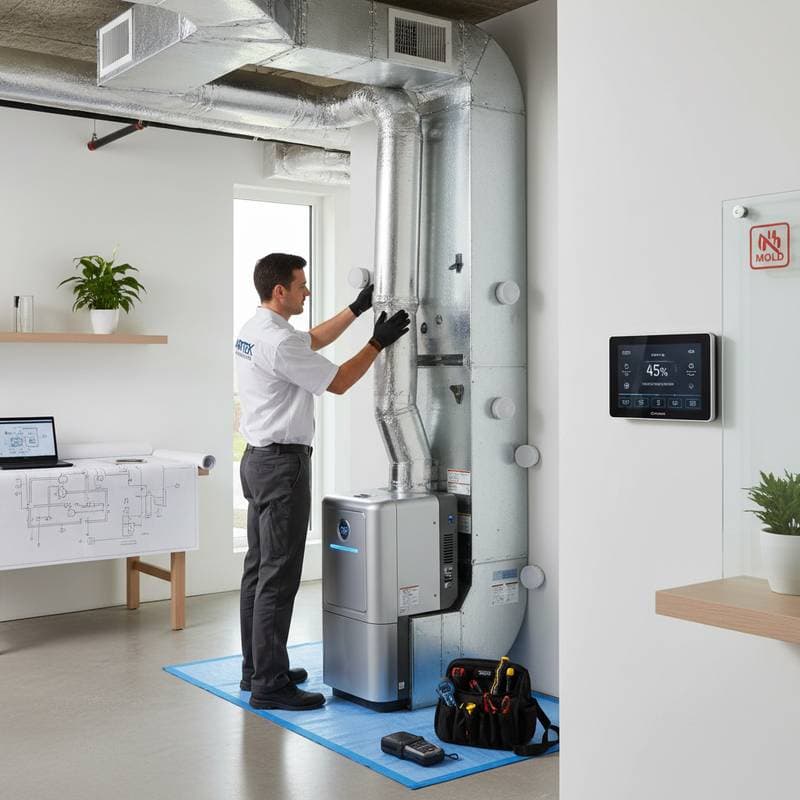
Maintaining balanced indoor humidity represents one of the most reliable methods to prevent mold growth. These HVAC systems regulate both temperature and moisture levels, fostering a healthier living environment. Installation costs vary from $4,000 to $11,000 based on factors such as system size, efficiency ratings, and included features. Key influences include the square footage of the home, the selected humidity control technology, and whether the project involves upgrading an existing setup or a new installation.
| Service Type | Average Cost |
|---|---|
| Full humidity-controlled HVAC system | $4,000 to $11,000 |
| Whole-home dehumidifier | $650 to $1,200 |
| Smart humidity sensor integration | $300 to $800 |
| Ductwork modifications | $1,000 to $3,000 |
| Annual maintenance | $150 to $500 |
| Metric | Amount |
|---|---|
| National average cost | $7,200 |
| Minimum cost | $3,800 |
| Maximum cost | $12,500 |
| Average cost range | $4,000 to $11,000 |
Cost data derives from industry research and reported project expenses.
How Humidity-Controlled HVAC Systems Prevent Mold
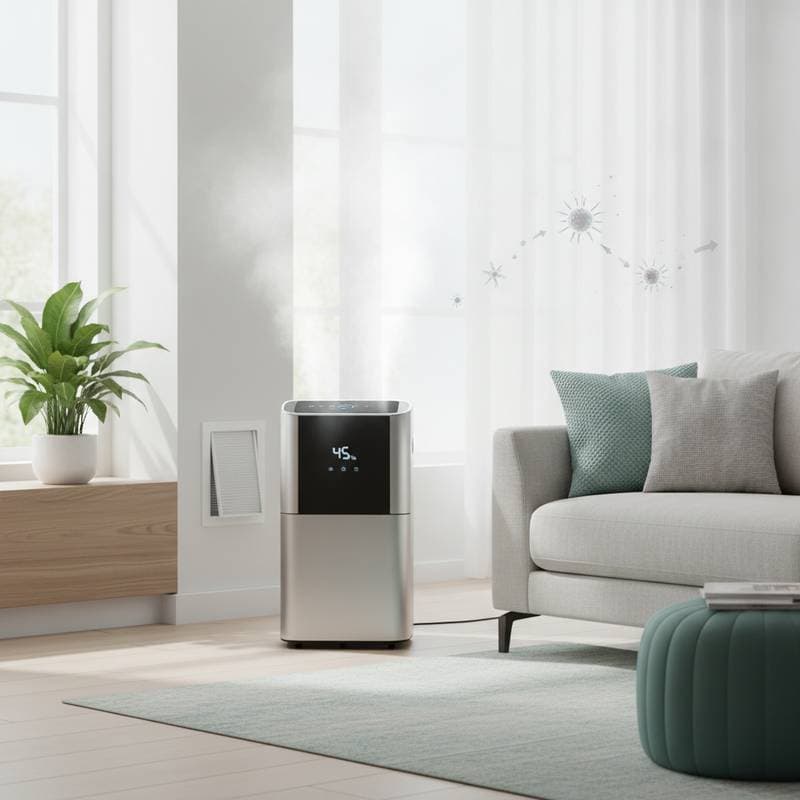
Mold flourishes in conditions of high moisture and inadequate ventilation. A humidity-controlled HVAC system sustains indoor relative humidity at 40 to 50 percent, the optimal range for both comfort and mold deterrence. This automated regulation prevents condensation from accumulating on surfaces such as walls, ceilings, and ductwork.
Integrated sensors monitor humidity fluctuations and respond by adjusting airflow, cooling output, or dehumidification processes. In regions with high ambient humidity, the system extracts excess moisture via evaporator coils or supplementary dehumidifiers. In arid areas, it introduces moisture to avoid issues like static electricity buildup or structural damage to wooden elements.
Detailed Cost Breakdowns
| Component | Average Cost | Description |
|---|---|---|
| Central AC with humidity control | $5,000 to $10,500 | Integrates temperature and moisture regulation for comprehensive climate control |
| Furnace with humidistat | $2,800 to $6,000 | Manages winter dryness through embedded sensors |
| Standalone dehumidifier | $650 to $1,200 | Supplements existing HVAC to target moisture removal |
| Smart thermostat with humidity sensing | $300 to $800 | Enables automated adjustments based on real-time data |
| Duct sealing and insulation | $1,000 to $3,000 | Minimizes condensation risks and improves energy retention |
Labor Costs
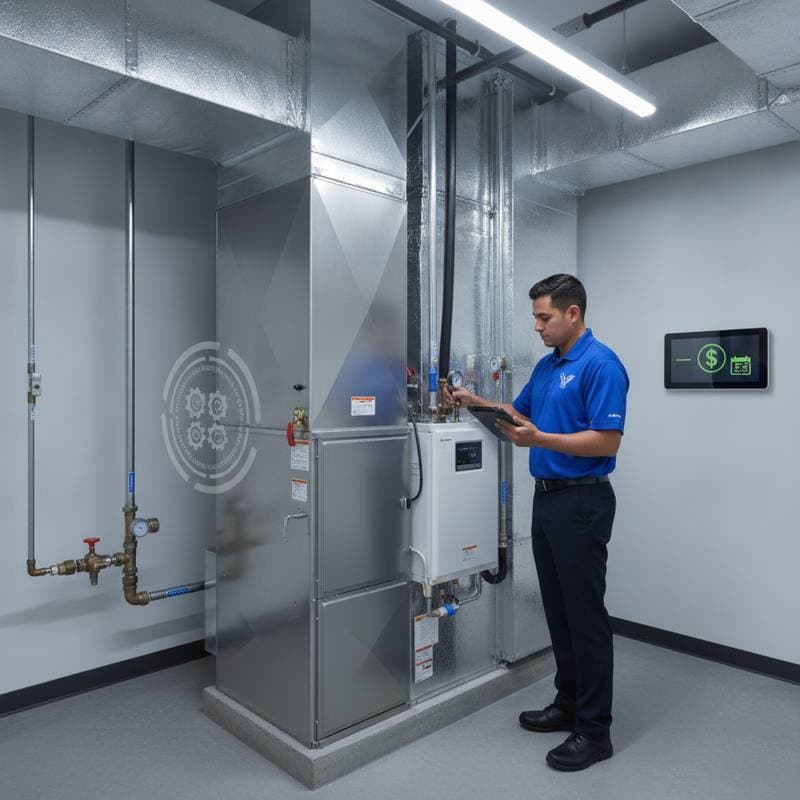
Labor expenses generally span $1,500 to $3,500, influenced by the system's intricacy and installation site accessibility. Retrofitting into an established HVAC framework may incur higher fees if modifications to ductwork, electrical components, or drainage systems prove necessary. Projects in new constructions tend to cost less, as infrastructure can integrate seamlessly from the outset.
Material Costs
Equipment and components account for 60 to 70 percent of the overall budget. Systems featuring advanced elements like variable-speed fans and intelligent controls command higher initial prices yet deliver long-term energy savings. For budget-conscious homeowners, integrating a whole-house dehumidifier into the current HVAC configuration offers an economical entry point to humidity management.
Key Cost Factors
Multiple elements determine the final expense of a humidity-controlled HVAC system.
- System size: Residences exceeding 3,000 square feet demand greater capacity and extensive ducting, adding $1,000 to $2,000 to material and labor totals.
- Efficiency ratings: Models with elevated SEER scores and ENERGY STAR labels carry premium prices but lower ongoing utility bills.
- Brand quality: High-end manufacturers providing sophisticated sensors and reduced noise levels increase costs by $1,500 to $3,000 compared to basic options.
- Installation complexity: Properties lacking pre-existing ducts or facing access challenges require additional workforce for adaptations.
- Climate zone: Regions with persistent humidity, such as coastal or southern locales, necessitate robust dehumidification capabilities, modestly elevating system prices.
- Smart technology: Incorporating thermostats or air quality monitors contributes $300 to $1,000.
- Existing system age: Aging HVAC units often require updates to electrical systems or refrigerant lines prior to new installations.
- Timing and season: Off-peak scheduling, such as during milder months, can trim labor expenses by as much as 10 percent.
Related Costs and Upgrades
Budgeting should encompass ancillary expenses tied to the primary installation.
| Related Service | Average Cost |
|---|---|
| Permit and inspection fees | $150 to $500 |
| Mold remediation (if needed) | $1,000 to $5,000 |
| Old equipment removal | $200 to $400 |
| Air duct cleaning | $300 to $700 |
| Energy efficiency upgrades | $500 to $2,000 |
Enhancements like UV air purifiers or HEPA filtration systems further elevate indoor air purity by neutralizing airborne particles. Smart home compatibility might involve wiring revisions or Wi-Fi enhancements for remote oversight.
Maintenance and Care
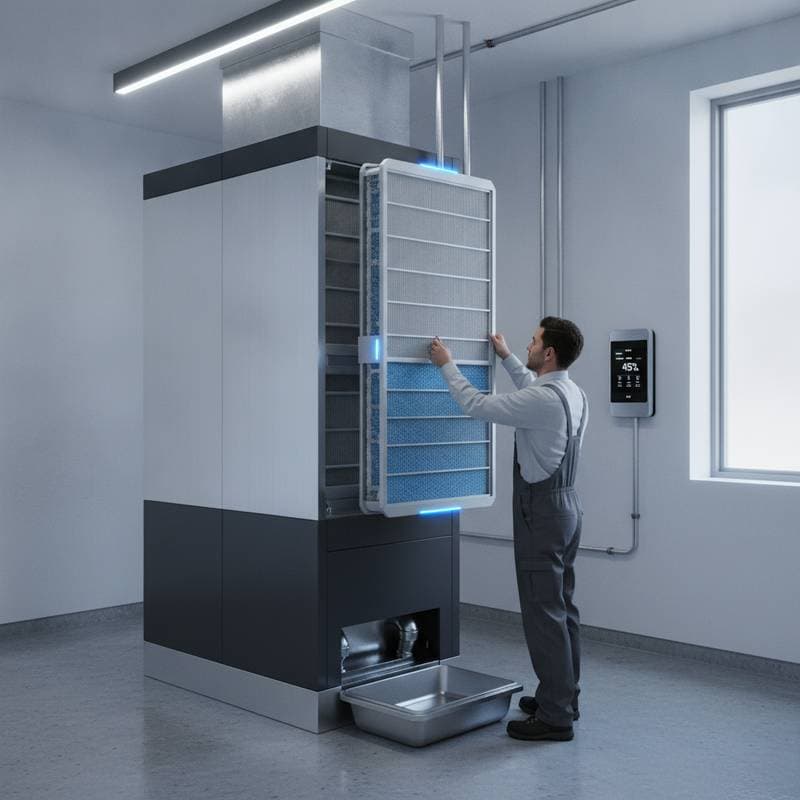
Regular upkeep ensures humidity-controlled systems operate at peak performance and avert internal moisture accumulation. Adhere to these essential protocols:
- Replace air filters every one to three months to sustain airflow.
- Clean evaporator and condenser coils on an annual basis.
- Examine drain pans and lines for obstructions or pooled water.
- Calibrate humidity sensors yearly for accuracy.
- Arrange professional servicing each spring or fall.
Such measures incur $150 to $500 annually, yet they prolong equipment durability and sidestep expensive mold treatments.
Repair or Replace Decisions
When an current HVAC system falters in humidity regulation, evaluating repair versus replacement becomes crucial. Replacement typically proves advantageous if:
- The unit exceeds 12 years in age.
- Repair costs surpass 40 percent of a new system's price.
- Humidity persists at elevated levels post-servicing.
- Utility expenses climb despite consistent upkeep.
Transitioning to a contemporary humidity-optimized model simultaneously advances comfort, efficiency, and air quality.
Ways to Save Money
Achieving effective humidity control need not strain finances. Implement these approaches to optimize expenditures:
- Obtain at least three comprehensive quotes to identify competitive rates.
- Pursue rebates and incentives from local utilities for energy-efficient installations.
- Select appropriately sized equipment to avoid energy waste and excess upfront costs.
- Time installations for off-season periods when contractors extend discounts.
- Commit to routine maintenance to forestall major repairs.
- Bundle related tasks, such as duct cleaning or insulation, to consolidate labor charges.
- Explore financing options, including low-interest plans from installers, for substantial projects.
Frequently Asked Questions
How much does a humidity-controlled HVAC system cost?
Homeowners typically invest $4,000 to $11,000 in a full humidity-regulated HVAC system. Variations stem from home dimensions, equipment specifications, and extras like smart thermostats or purification units.
What humidity level prevents mold growth?
Indoor humidity maintained at 40 to 50 percent inhibits mold development while preserving optimal air quality.
Can I add humidity control to my existing HVAC?
Yes, options include a whole-house dehumidifier or humidistat installation, priced at $650 to $1,200. These enhancements integrate with most conventional central systems.
How long does installation take?
Standard projects span one to three days, contingent on duct conditions and overall complexity.
Do humidity-controlled systems save energy?
Yes, they diminish energy consumption by stabilizing temperatures and easing demands on compressors and fans.
What maintenance is required?
Essential tasks encompass yearly inspections, filter replacements, and coil cleanings. Professional services cost $150 to $500 annually for most households.
Will this system remove existing mold?
No, it focuses on prevention rather than remediation. Existing mold demands professional treatment on affected areas.
What brands offer humidity control features?
Reputable options include Carrier, Trane, Lennox, and Goodman, each providing models with integrated sensors and dehumidification capabilities tailored to diverse needs.
Steps to Secure Mold-Free Indoor Air
Begin by assessing your home's current humidity levels with a simple hygrometer. Consult certified HVAC professionals for a site evaluation to determine the ideal system configuration. Invest in a humidity-controlled setup to safeguard your living space, enhance daily comfort, and minimize long-term health risks associated with mold exposure.