Why 2026 Homes Require Dual Humidity Control Systems
As an HVAC professional, I have observed numerous homeowners grappling with fluctuating comfort levels within their residences. One week, the atmosphere feels dense and damp. The following week, skin becomes parched and irritated, while wooden floors begin to emit creaking sounds. If you have encountered these aggravating shifts between humid and arid conditions, you share this experience with many others. Contemporary homes, particularly those constructed with sealed envelopes and energy efficiency in focus, prove more susceptible to retained moisture and variable humidity. This vulnerability explains the rising importance of dual humidity control systems for residences in the imminent future.
The Concealed Challenges Within Modern Residences
Envision a scenario: exterior temperatures remain moderate, yet indoors, droplets accumulate on window ledges as the air retains a sticky quality. The HVAC system operates continuously, yet it fails to manage airborne moisture effectively. Such disequilibrium subtly affects comfort, well-being, and utility expenses. From extensive field experience, approximately 60 percent of homeowners citing irregular comfort concerns actually confront humidity-related difficulties rather than temperature variations.
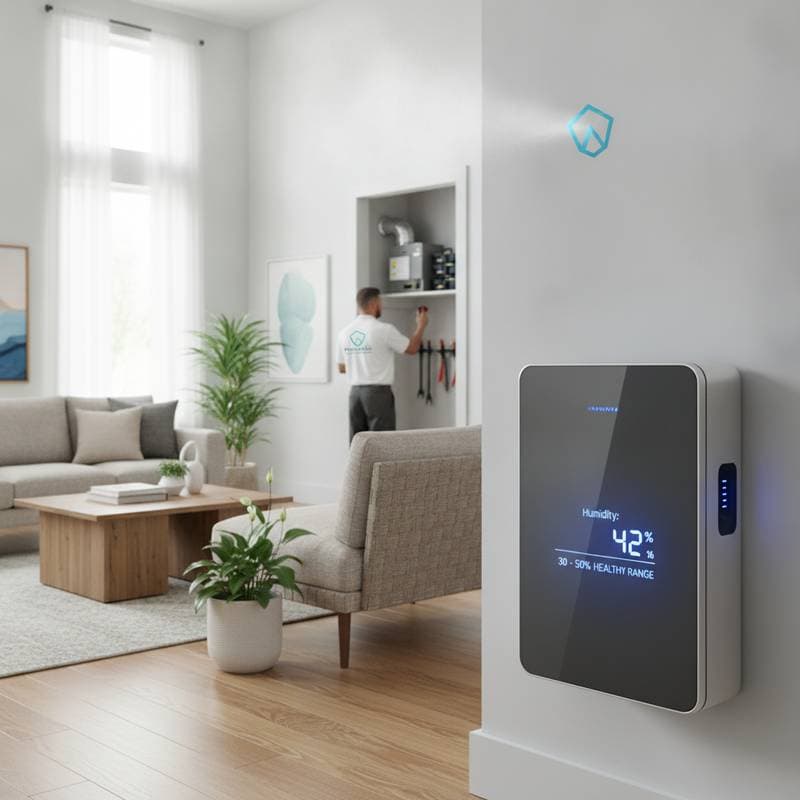
Numerous residents erroneously assume their air conditioning units manage humidity inherently. Although cooling mechanisms extract certain amounts of moisture, they lack design for year-round optimal level maintenance. When humidity exceeds 60 percent, mold and allergens proliferate. When it falls below 35 percent, static electricity surges, and respiratory discomfort intensifies. Preserving the ideal range of 40 to 50 percent fosters genuine residential comfort.
The Advantage: Intelligent, Equilibrated Air
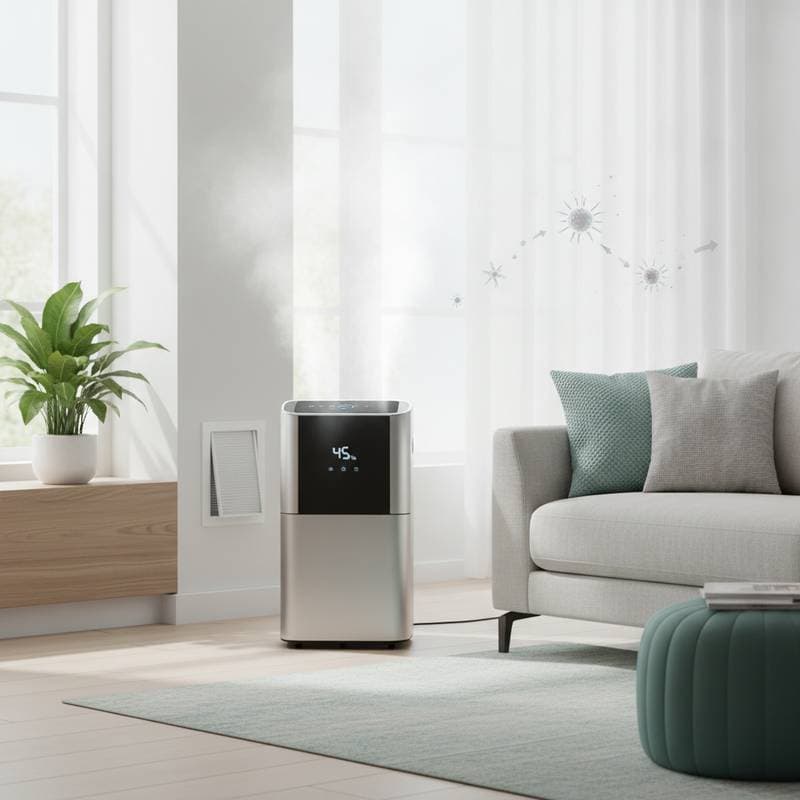
Dual humidity control systems merge a whole-home dehumidifier and a whole-home humidifier, providing exact regulation of indoor air quality throughout all seasons. This solution extends beyond mere comfort to safeguard the residence's framework, furnishings, and occupants' health. Consider entering a dwelling where the air consistently feels fresh and even, regardless of external conditions. Dual humidity control delivers this assurance and revolutionizes HVAC design and retrofitting approaches for current lifestyles.
Functionality of Dual Humidity Control
A dual humidity system incorporates two primary elements into the central air framework. The dehumidifier removes surplus moisture during warm, humid periods, whereas the humidifier introduces moisture during cooler, drier seasons. These components collaborate to sustain balance autonomously, directed by sensors that track indoor environments.
This method permits HVAC apparatus to function under optimal parameters, minimizing wear and prolonging durability. It also promotes uniform indoor temperatures. With balanced humidity, the thermostat avoids excessive adjustments, resulting in reduced energy fluctuations and reliable operation.
Expert Analysis: Significance of Dual Control
1. Safeguards Residence Structure and Finishes
Humidity transcends comfort concerns; it acts as an unseen agent capable of distorting floors, flaking paint, and fracturing drywall. Materials such as wood, plaster, and insulation respond to moisture fluctuations through expansion or shrinkage. A dual control system stabilizes these conditions, thereby upholding the residence's long-term soundness.
Professional Advice: Observations like window moisture or floor noises indicate the need for humidity equilibrium. Prompt action averts substantial repair expenditures in the future.
2. Improves Health and Indoor Air Quality
Elevated humidity encourages dust mites, bacteria, and mold development. Reduced humidity desiccates nasal passages and skin, heightening vulnerability to illnesses and irritations. Equilibrated air facilitates smoother respiration, healthier skin, and diminished allergens.
HVAC specialist Carla Jensen notes, “Your body is an indicator of your home’s humidity health. If you’re waking up congested or your throat feels dry, your indoor air is out of sync.” A dual system reestablishes equilibrium automatically, enabling effortless breathing throughout the year.
3. Increases Energy Efficiency
Air laden with excess moisture perceives as warmer than its actual temperature. Residents may lower the thermostat excessively for relief, escalating energy consumption. Similarly, excessively dry air feels chillier, leading to higher heating settings. By regulating humidity, dual systems alleviate the HVAC unit's burden. This adjustment can decrease annual energy use by 10 to 15 percent, yielding a clear investment return.
4. Prolongs HVAC Equipment Durability
Equilibrated humidity ensures components including evaporator coils, blower motors, and ductwork perform efficiently. Surplus moisture corrodes elements, while arid conditions amplify static that degrades electrical parts. Diminishing system stress curtails the demand for early replacements or expensive fixes.
5. Facilitates Smart Home Connectivity
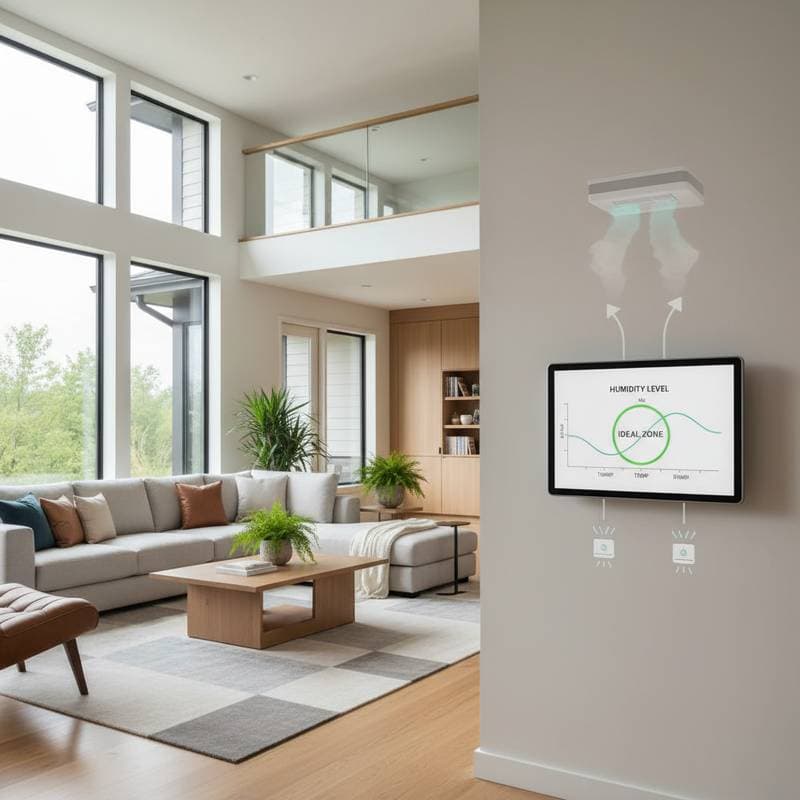
Contemporary humidity systems link effortlessly with smart thermostats and automation platforms. Residents monitor conditions via mobile devices, modify humidity remotely, and establish schedules aligned with seasonal changes. Such capabilities elevate comfort oversight to a methodical process from mere estimation.
Implementation Guide: Installing a Dual Humidity Control System
1. Evaluate Existing Residence Conditions
Initiate with a specialist humidity evaluation. A certified HVAC technician measures relative humidity across various locations to pinpoint disequilibria. This analysis identifies appropriate equipment capacity and specifications.
2. Select Suitable Equipment
- Whole-home dehumidifier: Positioned within central ductwork, this device extracts moisture from circulating air. It suits humid areas or damp basements.
- Whole-home humidifier: Introduces moisture via HVAC ducts, ideal for arid regions or forced-air heating systems.
- Smart controller: A hub device that oversees humidity and activates units accordingly.
3. Engage Professional Installation
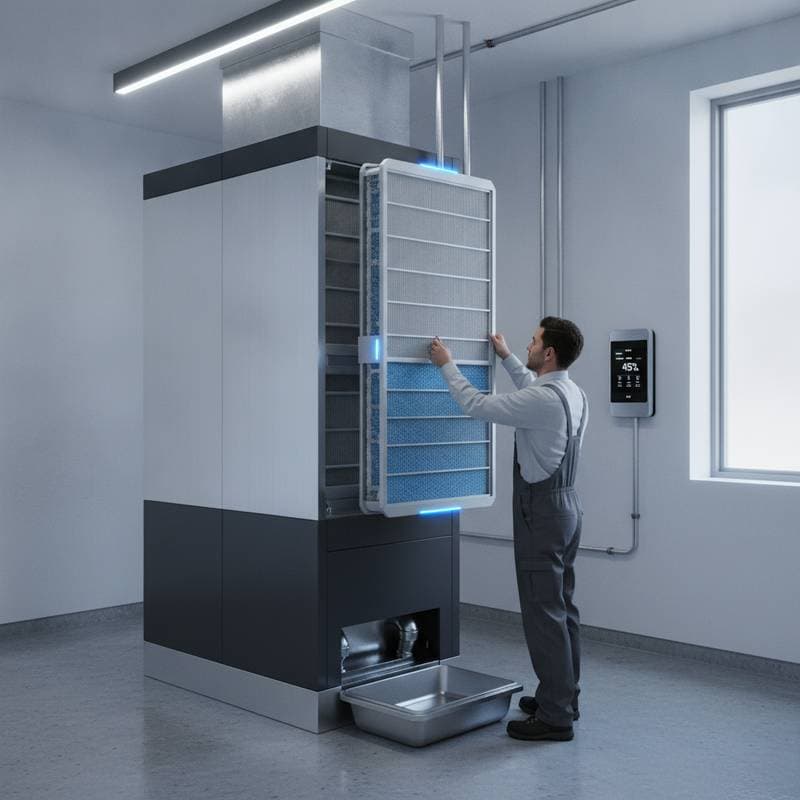
As an HVAC authority, I advise employing a licensed technician for setup. Accurate duct incorporation, drainage, and electrical linkages prove essential for dependability and security. Installations generally span one to two days, varying by residence scale and current system setup.
4. Perform Calibration and Verification
Post-installation, the technician adjusts the system employing digital hygrometers. This process confirms sensor precision in upholding target humidity ranges. Verification also confirms proper airflow and drainage functionality.
5. Conduct Maintenance and Oversight
Regular upkeep remains straightforward yet vital:
- Renew or cleanse filters every few months.
- Examine drain lines for obstructions.
- Arrange yearly inspections for humidifier and dehumidifier efficacy.
- Maintain sensor cleanliness for precise measurements.
Key Factors for Residents
Expenses and Financial Planning
A complete dual humidity control installation ranges from $2,000 to $4,500, influenced by residence configuration and equipment complexity. Although the initial outlay appears significant, energy reductions and averted repairs recoup costs within several years. Integration with an existing central HVAC system typically proves simpler and more economical.
Energy Savings and Bill Reductions
Equilibrated humidity enables the HVAC system to operate with fewer cycles, lowering overall demand. Residences equipped with dual controls frequently experience utility bills decrease by up to 20 percent monthly, particularly in regions with pronounced seasonal humidity variations.
Security and Regulatory Adherence
Moisture control devices encompass plumbing, electrical, and occasionally refrigerant elements. Verify that installers comply with local codes and secure necessary permits. Avoid uncertified handling of refrigerants, as errors pose health risks or equipment harm.
Adjustments by Season
Seasons introduce distinct humidity demands:
- Spring and summer: Dehumidifiers exert maximum effort, eliminating moisture from intense rains or elevated dew points.
- Fall and winter: Humidifiers preserve comfort as heating desiccates indoor air.
Intelligent systems transition modes automatically, though manual tweaks allow personalized oversight.
Ecological and Wellness Advantages
Sustained humidity balance conserves energy and cultivates a salubrious indoor setting. Diminished mold proliferation yields purer air, reduced allergens, and lessened reliance on chemical agents or deodorizers. View this as an investment in both residence and personal vitality.
Strategies to Optimize Dual Humidity Performance
- Integrate adequate ventilation. Employ exhaust fans in kitchens and bathrooms to avert localized dampness accumulation.
- Address duct imperfections. Minor leaks introduce uncontrolled air, compromising humidity regulation.
- Utilize intelligent sensors. Systems often enable tracking of humidity patterns and notifications for deviations.
- Renew filters consistently. Pristine filters sustain airflow and operational efficiency.
- Arrange expert inspections. Biannual reviews ensure peak system function.
Achieving Enduring Comfort Through Balanced Air
Adopting a dual humidity control system ranks among the most astute measures for fostering unwavering residential comfort. Residents benefit from refined air quality, minimized allergy incitements, and diminished energy demands. Critically, this protects the residence's framework and HVAC assets over extended periods.
To investigate the potential of a combined whole-home dehumidifier and humidifier, consult a qualified HVAC specialist via American Air HVAC. Our vetted professionals evaluate residences, suggest tailored systems, and execute installations meticulously. Equilibrated air evolves from optional enhancement to essential basis for healthful, efficient habitation.
Frequently Asked Questions
Q: How frequently should a dual humidity control system receive service?
A: Plan maintenance biannually, preferably prior to cooling and heating periods. Each session costs approximately $150 to $250 and preempts problems such as obstructed drains or sensor inaccuracies.
Q: Is installation possible with an existing traditional HVAC configuration?
A: Affirmative. Contemporary humidifiers and dehumidifiers adapt to current ductwork. A specialist review confirms compatibility and suitable dimensions.
Q: What is the expected lifespan of a dual humidity system?
A: Regular maintenance supports 8 to 12 years of operation for both units. Consistent filter changes and component care prolong endurance.