The Mold-Fighting Innovations in HVAC Ducts
Indoor air quality relies on maintaining clean and dry HVAC ducts. Moisture accumulation within ductwork creates ideal conditions for mold growth, which then disperses spores throughout the home. Recent advancements in HVAC technology address this problem head-on with specialized materials, protective coatings, and optimized airflow systems that control humidity and inhibit microbial development from the outset.
Why Mold in Ducts Poses a Serious Threat
Mold growth inside ducts extends beyond mere discomfort. It can exacerbate allergies, aggravate asthma symptoms, and produce persistent musty smells that permeate living spaces. Because ducts facilitate constant air circulation, mold spreads efficiently, often leading to expensive and labor-intensive remediation efforts. Proactive prevention proves more efficient than post-infestation cleanup.
Key Innovations in HVAC Ducts That Combat Mold
Contemporary HVAC systems incorporate targeted features to curb humidity and eliminate the prerequisites for mold proliferation.
1. Antimicrobial Duct Coatings
Certain manufacturers equip metal and flexible ducts with antimicrobial coatings. These formulations include durable, non-toxic agents that inhibit mold spore adhesion and growth upon exposure to moisture. Consequently, air quality improves, and the potential for widespread contamination diminishes.
2. Moisture-Resistant Insulation
Conventional fiberglass insulation absorbs condensation, fostering mold-friendly environments. Advanced closed-cell foam alternatives repel moisture effectively, ensuring ducts remain arid even in humid regions.
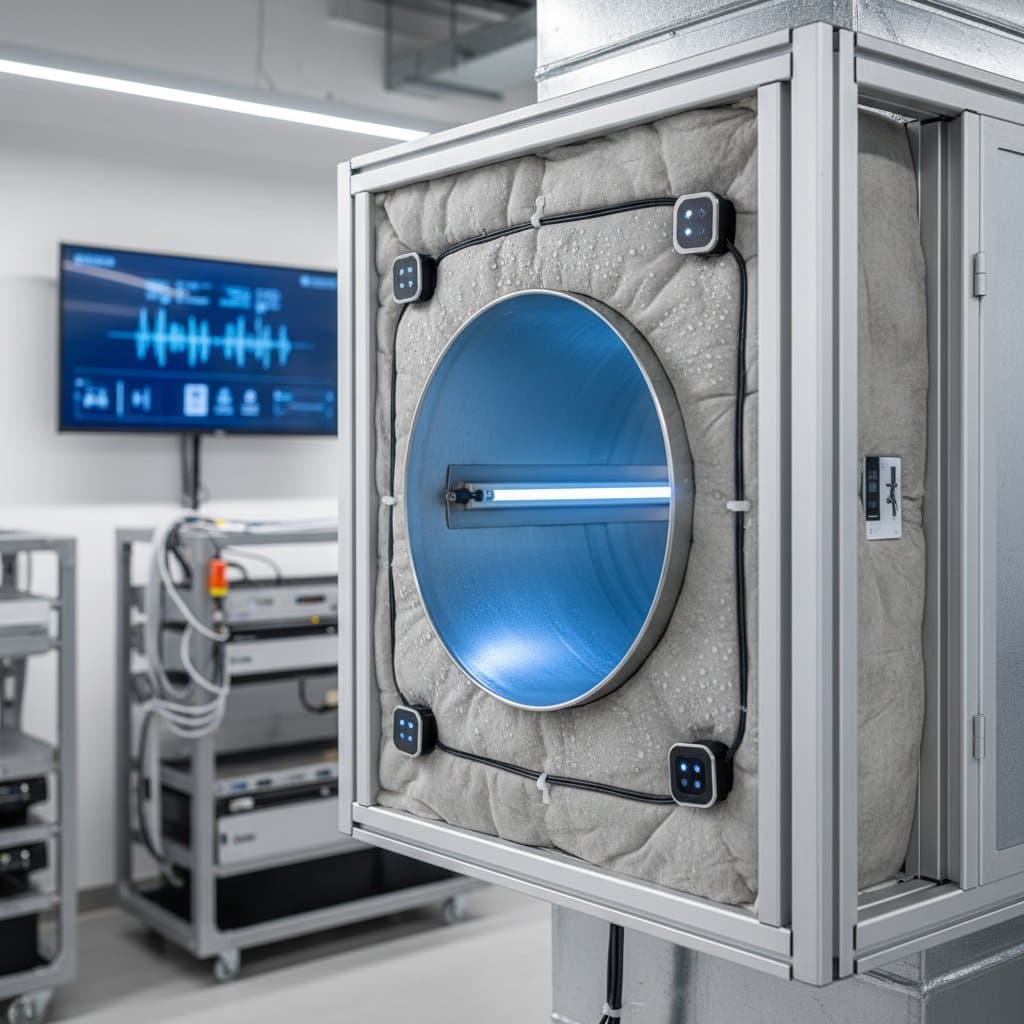
3. UV-C Light Systems
Ultraviolet light installations positioned adjacent to evaporator coils or within duct interiors deactivate mold spores and bacteria as air flows past. The UV-C rays disrupt microbial DNA, halting reproduction and dissemination.
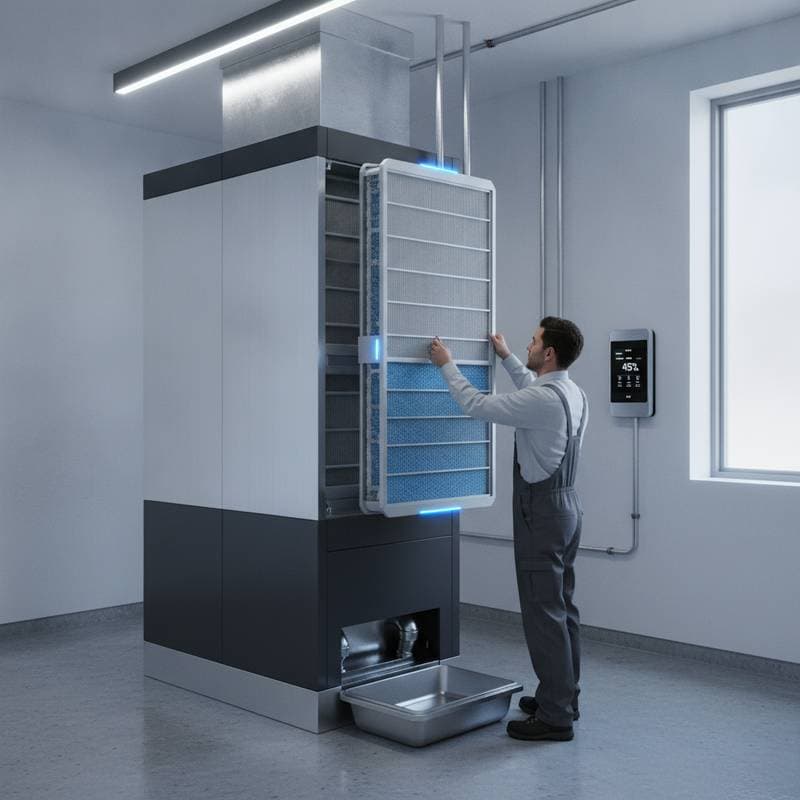
4. Self-Draining Condensation Mechanisms
Enhanced designs in ducts and drain pans direct condensation away from accumulation points. This straightforward engineering solution substantially curtails internal humidity levels.
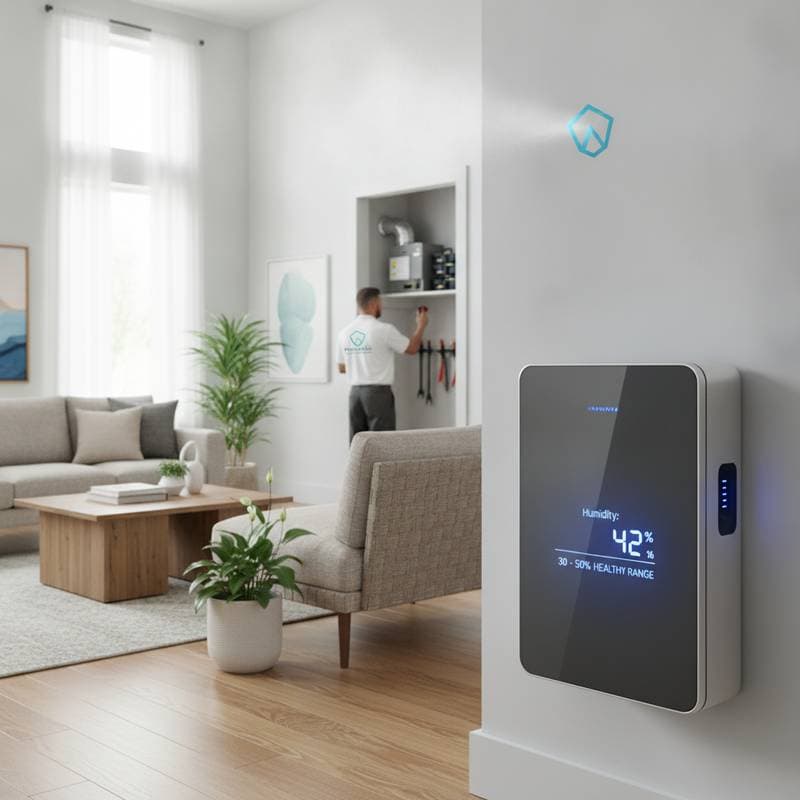
5. Integrated Humidity Sensors
State-of-the-art HVAC controllers feature sensors that track internal duct humidity. Upon detecting elevated levels, these systems modulate fan operation or engage dehumidification protocols to sustain optimal conditions.
Cost Breakdown for Mold-Prevention HVAC Upgrades
| Service Type | Average Cost |
|---|---|
| Duct cleaning and antimicrobial treatment | $400 to $900 |
| UV-C light installation | $500 to $1,200 |
| Moisture-resistant duct insulation | $800 to $1,800 |
| Smart humidity sensors | $200 to $600 |
| Full mold-prevention duct retrofit | $2,000 to $4,500 |
| Metric | Amount |
|---|---|
| National average cost | $1,500 |
| Minimum cost | $200 |
| Maximum cost | $4,500 |
| Average cost range | $800 to $2,500 |
Cost figures derive from industry research and reported project expenses.
Factors Influencing Costs for Mold-Prevention HVAC Measures
Homeowners encounter varying expenses based on several variables.
- System Scale: Extensive duct networks in larger residences demand greater quantities of materials and labor.
- Duct Composition: Treating rigid metal ducts incurs higher costs than flexible variants, though metal endures longer.
- Pre-Existing Mold Extent: Contaminated setups necessitate initial thorough sanitization prior to preventive applications.
- Access Challenges: Concealed or confined ducts prolong installation times and elevate labor charges.
- Local Humidity Profile: Residences in moist environments often require robust moisture-management solutions.
- Selected Technologies: Options like UV-C systems and sensors involve initial investments that avert future repair expenditures.
Essential Maintenance Practices for Sustained Mold Prevention
Advanced systems demand consistent upkeep to preserve efficacy.
- Replace air filters at recommended intervals to minimize dust accumulation that nourishes mold.
- Clear drain pans periodically to avoid water stagnation.
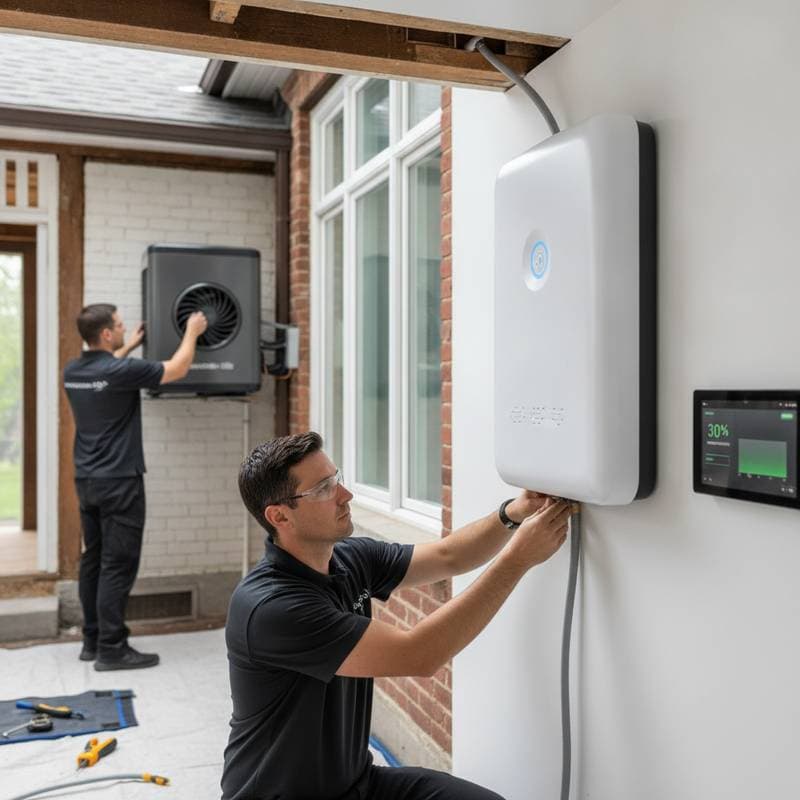
- Arrange yearly inspections by certified technicians to evaluate coils, ducts, and insulation for moisture signs.
- Deploy whole-home dehumidifiers in high-humidity areas to maintain indoor levels under 50 percent.
- Promote unobstructed airflow by ensuring vents remain clear and operational.
Choosing Between Repair and Replacement for Mold-Affected Ducts
When mold appears in existing ducts, assess the severity and overall duct integrity to decide on remediation.
- Surface-Level Mold: Professional sanitization combined with antimicrobial applications often suffices for mild cases.
- Extensive Contamination: Waterlogged insulation or corroded metal typically warrants complete duct replacement.
- Aging or Compromised Ducts: Upgrading to modern, moisture-repellent materials frequently offers superior long-term value over piecemeal fixes.
Strategies to Reduce Expenses on Mold-Prevention Installations
- Solicit estimates from multiple providers to identify favorable rates.
- Combine upgrades, such as integrating duct sanitization with UV installations, alongside routine HVAC servicing.
- Explore incentives from utility programs supporting energy-efficient humidity controls.
- Time installations for slower seasons when service providers extend promotional pricing.
- Opt for premium filters that capture particulates and limit internal moisture.
- Handle basic tasks independently, including vent dusting and drain line inspections.
Frequently Asked Questions on HVAC Duct Mold Prevention
What Triggers Mold Formation in Ducts?
Mold develops where moisture, moderate temperatures, and organic debris converge. Condensation on cooling coils or within insulation supplies the necessary catalyst for spore expansion.
How Do I Detect Mold in My Ducts?
Indicators encompass earthy odors, discernible dark patches around outlets, or heightened respiratory irritation during system operation.
Do UV Lights Pose Risks in Residential HVAC Setups?
No. These systems operate within enclosed duct spaces, neutralizing pathogens without direct exposure to inhabitants.
What Is the Durability of Antimicrobial Coatings?
Quality applications endure for multiple years, contingent on duct usage and upkeep routines.
Is DIY Mold Removal in Ducts Advisable?
Surface cleaning on accessible vents suits minor instances, but internal remediation demands expert intervention to contain spore dispersal.
Steps to Secure Your Home Against Mold Risks
HVAC duct innovations for mold prevention deliver tangible enhancements in air purity and equipment durability. Integrating resilient materials, intelligent monitoring, and diligent care safeguards against disruptive mold issues. Consult a qualified HVAC professional promptly if mold concerns arise to evaluate options and secure precise cost assessments for upgrades or overhauls.