Moisture-Control HVAC: Preventing Mold Growth by 2026
Homeowners often encounter mold issues that originate from excess moisture in the air. In regions with high humidity or inadequate ventilation, dampness infiltrates walls, ducts, and insulation, creating conditions ripe for poor indoor air quality and expensive repairs. Signs such as a musty odor in the basement or dark spots near vents signal the onset of mold. Fortunately, advanced moisture-control HVAC systems enable the creation of a dry, balanced indoor environment that resists mold and mildew.
The Importance of Moisture Management
Excess moisture undermines home comfort in subtle ways. When indoor relative humidity exceeds 60 percent, mold spores proliferate, wood materials expand, and insulation efficiency diminishes. This issue proves particularly prevalent in coastal or humid areas, where warm, moist air enters through cracks and joints. Traditional air conditioners may lower temperatures but often fail to extract sufficient moisture, resulting in sticky rooms and elevated energy costs.
Effective moisture control extends beyond immediate comfort. It safeguards structural integrity, enhances air quality, and prolongs HVAC system durability. Unmanaged moisture leads to corrosion in metal parts, fosters microbial development in ducts, and shortens overall equipment life.
Advanced Moisture-Control HVAC Systems
Moisture-control HVAC systems represent a comprehensive approach to eliminating mold risks while ensuring stable comfort levels. These systems integrate temperature control with targeted humidity regulation. Key components include dedicated dehumidifiers, energy-recovery ventilators, and intelligent thermostats that continuously monitor moisture.
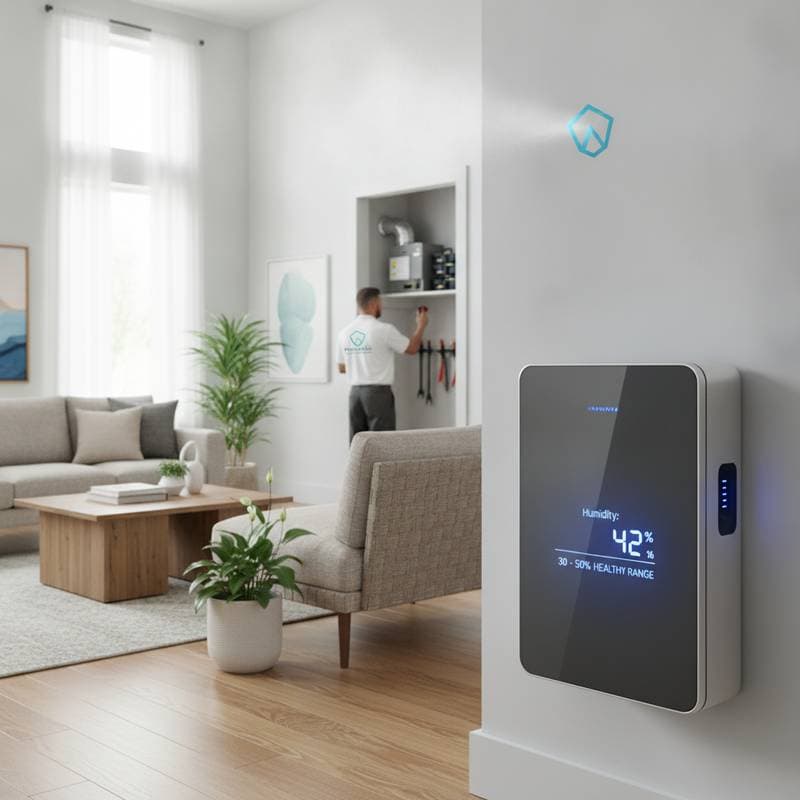
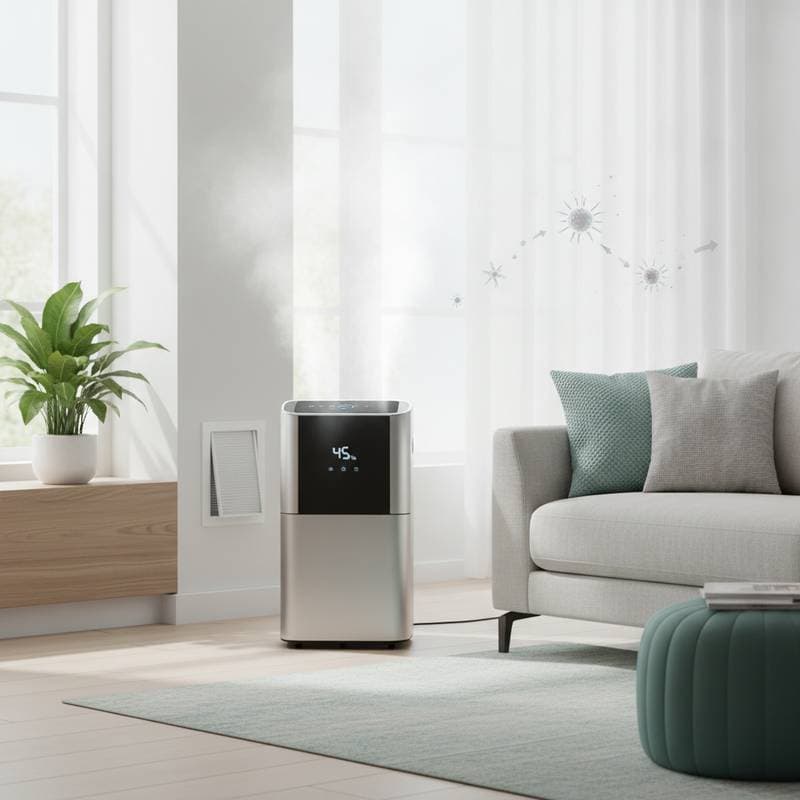
Experts advocate for systems featuring integrated dehumidifiers that maintain indoor humidity at 40 to 50 percent. This optimal range promotes fresh, invigorating air and inhibits mold formation along with condensation. Such systems function with minimal noise and high efficiency, elevating air quality without requiring frequent user intervention.
By 2026, these technologies will incorporate enhanced sensors and automation, adapting to environmental changes for proactive moisture management. Homeowners benefit from reduced allergen exposure and improved respiratory health, as cleaner air circulates throughout living spaces.
Strategies for Effective Moisture Control
Homeowners can implement several targeted measures to foster a mold-resistant environment. The following steps provide a structured path to humidity mastery:
-
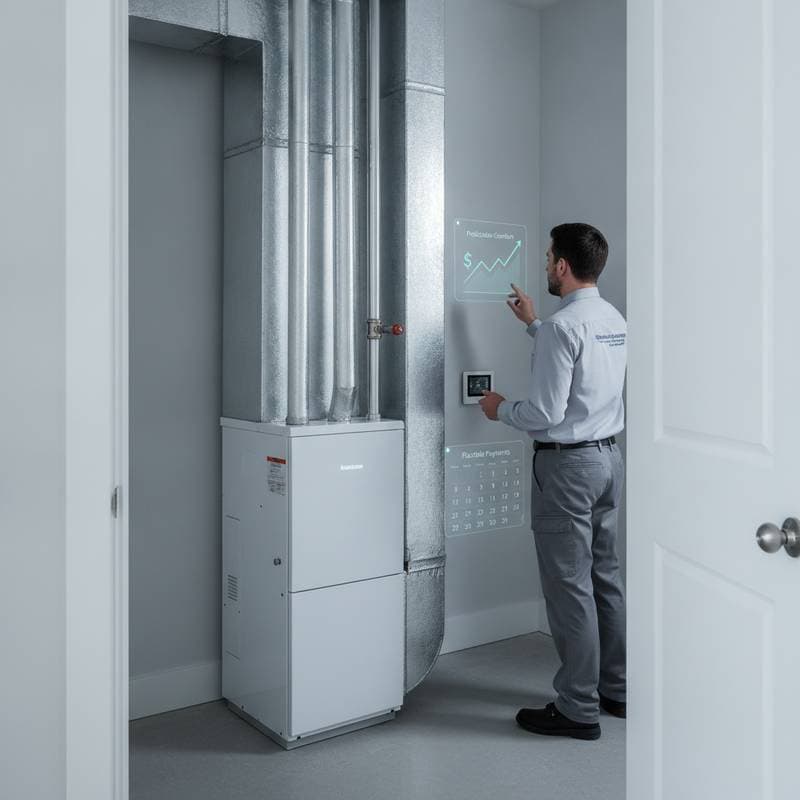
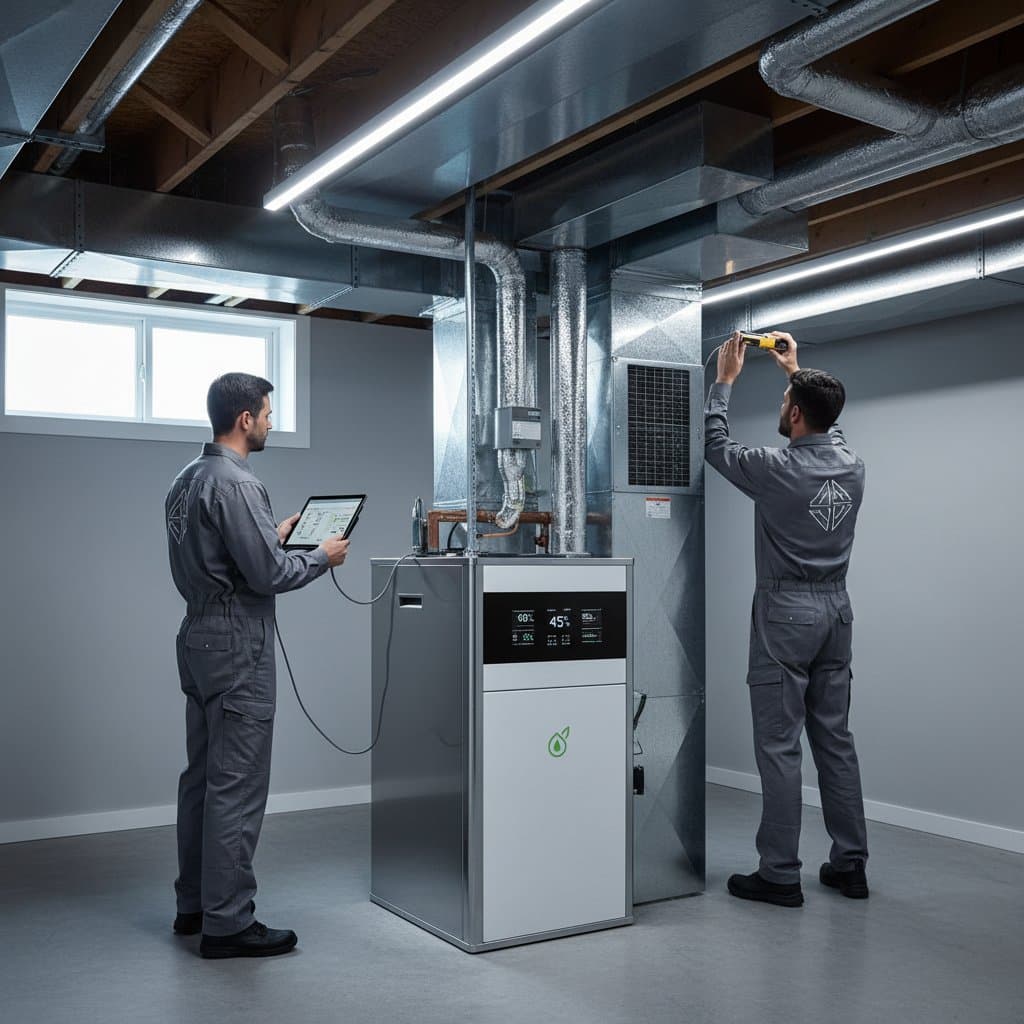
Conduct a professional humidity evaluation. A certified HVAC technician assesses moisture levels across the home, pinpointing vulnerable areas such as basements, crawl spaces, and attics.
-
Integrate a whole-home dehumidifier. These units link to ductwork for uniform humidity distribution, surpassing the limitations of standalone portable devices.
-
Address air leaks and enhance duct insulation. External moist air penetrates through gaps in vents, windows, and foundations. Proper sealing boosts system efficiency and humidity containment.
-
Adopt intelligent control systems. Advanced thermostats monitor temperature and humidity simultaneously, making automatic adjustments to sustain ideal conditions.
-
Establish a routine maintenance schedule. Biannual inspections, including coil cleaning, drain checks, and filter replacements, avert moisture accumulation within the HVAC components.
Additional practices, such as using exhaust fans in bathrooms and kitchens, further support these efforts by expelling humid air at its source.
Recognizing Early Warning Signs
Vigilance helps detect moisture issues before they escalate. Consider these common indicators:
-
A lingering musty smell emanating from vents or closets.
-
Moisture droplets forming on windows or chilled surfaces.
-
Inconsistent cooling accompanied by damp sensations, even with the air conditioner operating.
-
Apparent mold growth on air registers or baseboards.
-
Sudden increases in allergy symptoms or breathing difficulties among household members.
Upon observing any of these signs, engage a qualified HVAC specialist for a thorough examination. Prompt action prevents rapid mold proliferation and avoids the high costs associated with full remediation.
Key Considerations for Implementation
Prospective upgrades prompt questions about expenses and advantages. Installation of a whole-home dehumidifier generally ranges from $1,200 to $2,800, influenced by unit capacity and capabilities. This upfront cost yields returns through decreased energy use, as reduced AC workload lowers utility bills. Moreover, consistent humidity control averts damage to drywall, flooring, and furnishings, preserving property value.
Prioritize safety in all modifications. Avoid personal handling of refrigerants or sealed units, as these tasks demand specialized expertise. Certified professionals manage electrical wiring and drainage setups. Compliance with local building regulations often necessitates permits, particularly for alterations to ventilation or air return configurations.
Homeowners should evaluate system compatibility with existing HVAC infrastructure. For instance, integrating an ERV enhances fresh air exchange without compromising energy efficiency, ideal for tightly sealed modern homes.
Achieving Lasting Home Protection
Transitioning to a moisture-control HVAC system elevates more than daily comfort; it fortifies the home against long-term threats. Envision entering a space where air flows cleanly and energetically, devoid of oppressive dampness. This shift becomes reality through strategic system selection and diligent upkeep.
To initiate humidity management and preempt mold development, consult a certified local HVAC professional. These experts tailor solutions to regional climate demands, ensuring optimal performance and peace of mind for your household.
Frequently Asked Questions
How often should humidity levels be monitored in the home?
Monitor weekly during peak humidity periods or when the atmosphere feels uncomfortably sticky. A digital hygrometer offers an accessible tool for maintaining levels between 40 and 50 percent.
What distinguishes a whole-home dehumidifier from portable options?
Whole-home units connect to central HVAC systems for comprehensive coverage, whereas portable models treat isolated areas and may require frequent emptying.
Can moisture-control systems reduce allergy symptoms?
Yes, by curbing mold and dust mite growth through stable humidity, these systems often alleviate respiratory irritations and improve overall indoor air purity.