Prevent Mold Growth with Humidity Control Systems
Whole-home humidity control systems range from $3,000 to $8,000. Integrated dehumidification upgrades cost $1,500 to $4,000. Smart humidity sensor installations run $200 to $600.
Effective management of indoor humidity prevents mold formation and fosters a healthier living environment. Contemporary HVAC systems equipped with humidity-balancing features simplify the task of sustaining comfort and safeguarding property. Full-system installations typically fall between $3,000 and $8,000, influenced by factors such as home dimensions, integrated capabilities, and setup requirements.
Cost Overview
| Service Type | Average Cost |
|---|---|
| Whole-home humidity control system | $3,000 to $8,000 |
| HVAC-integrated dehumidifier | $1,500 to $4,000 |
| Smart humidity sensors | $200 to $600 |
| Portable dehumidifiers | $150 to $400 |
| Ductwork moisture inspection | $400 to $900 |
| Metric | Amount |
|---|---|
| National average cost | $4,800 |
| Minimum cost | $150 |
| Maximum cost | $8,000 |
| Average cost range | $3,000 to $6,000 |
Cost data derives from research and reported project expenses.
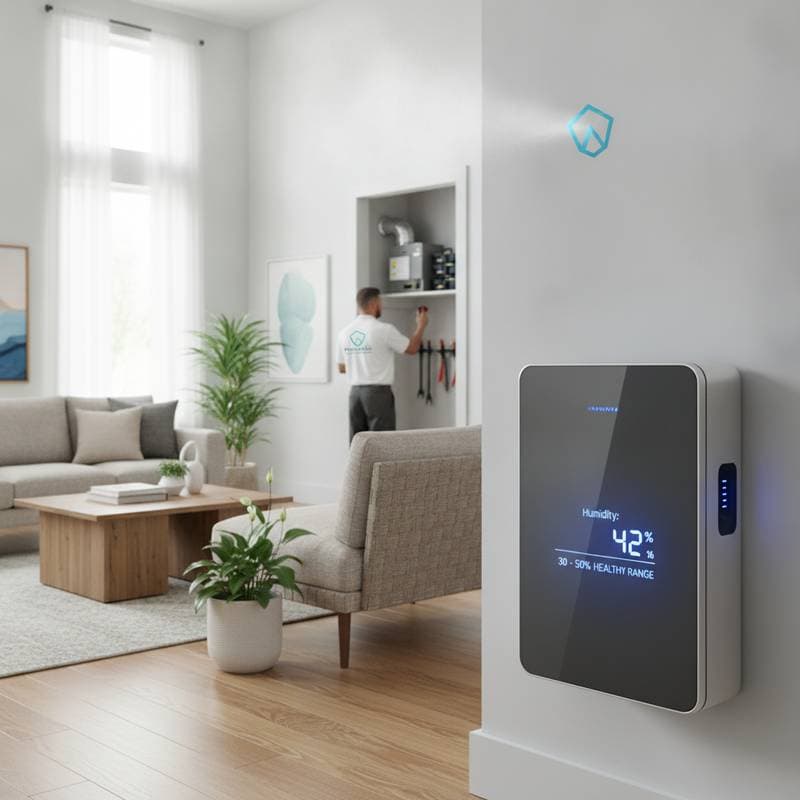
Advanced humidity-balancing HVAC systems incorporate sophisticated sensors, intelligent thermostats, and variable-speed fans to sustain relative humidity between 40 and 50 percent. These setups inhibit mold proliferation, elevate air quality, minimize energy consumption, and prolong equipment durability.
Detailed Cost Breakdowns
Whole-Home Humidity Control Systems
These systems link to the central HVAC unit and regulate moisture levels automatically. Prices range from $3,000 to $8,000, encompassing installation. Variations arise from home size, system specifications, and dual-function capabilities for humidification in arid conditions.
HVAC-Integrated Dehumidifiers
Such units extract surplus moisture from air passing through the HVAC framework. Expect costs of $1,500 to $4,000, with higher figures for greater capacity. Installation often coincides with broader HVAC enhancements or replacements.
Standalone or Portable Dehumidifiers
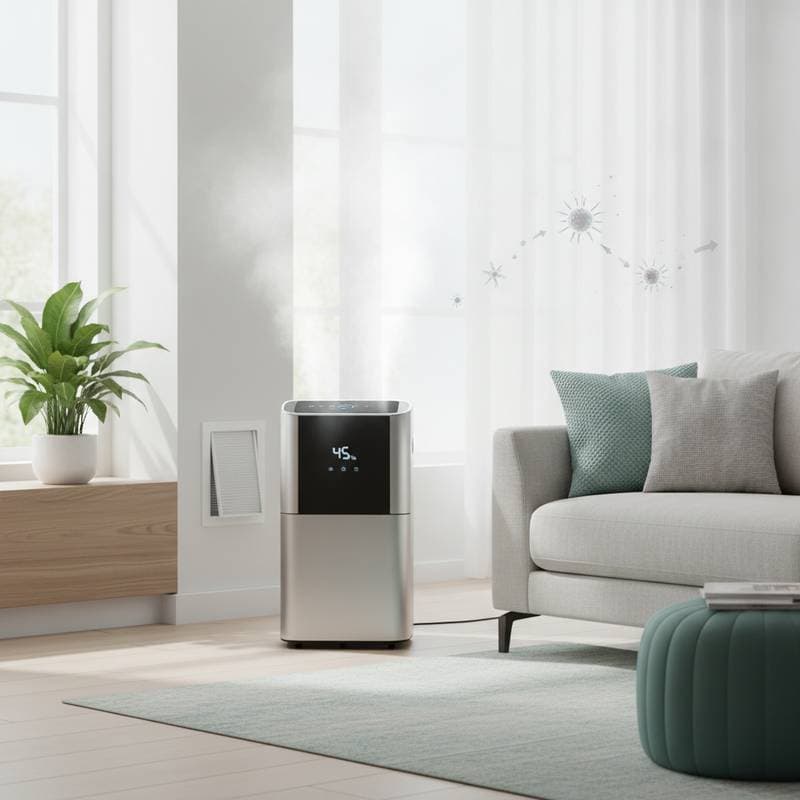
Compact portable models target moisture in specific zones, such as basements or bathrooms. Prices per unit lie between $150 and $400. However, they lack the comprehensive efficiency and reach of integrated solutions.
Smart Humidity Sensors and Thermostats
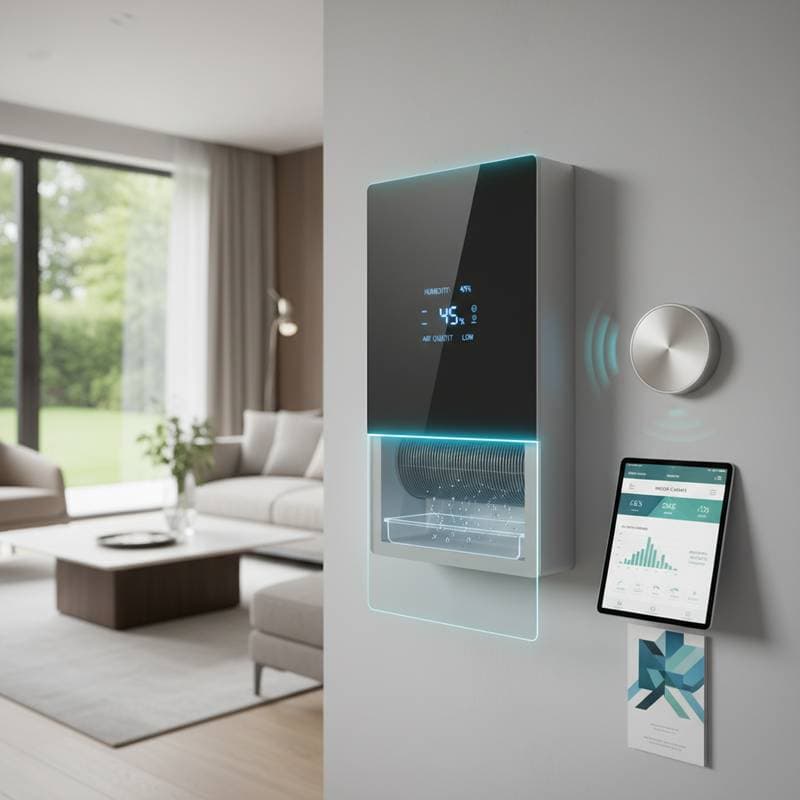
These devices monitor humidity, temperature, and air purity. Costs span $200 to $600, with compatibility for existing HVAC integrations. Numerous options link to mobile applications for instant data and notifications.
Ductwork Inspection and Sealing
Compromised ducts permit humid air infiltration, disrupting balance. Inspections cost $400 to $900, with sealing and insulation expenses varying by complexity.
Factors Influencing Costs
Multiple elements determine the expense of humidity-balancing HVAC installations. Awareness of these aids in strategic planning and selection.
- Home size: Expansive residences demand robust systems to handle larger air volumes, elevating equipment and labor expenses.
- HVAC system type: Central units facilitate seamless integration, whereas ductless or aged systems might necessitate supplementary parts.
- Moisture levels and climate: Humid regions require potent dehumidification, which heightens equipment and operational costs.
- System efficiency: Superior models involve higher initial investment yet yield savings via accurate regulation and reduced energy use.
- Installation complexity: Adapting older setups may involve extended time, bespoke duct modifications, or electrical revisions.
- Smart technology integration: App-enabled sensors and thermostats enhance usability but raise overall expenditure.
- Brand and warranty: Renowned brands with extended guarantees or superior filtration command premiums for dependability.
- Maintenance needs: Frequent filter replacements or sensor adjustments contribute to sustained costs.
Associated Expenses
Budgeting for humidity systems should account for ancillary costs impacting the project total.
| Related Expense | Average Cost |
|---|---|
| Electrical upgrades | $300 to $800 |
| System calibration | $150 to $350 |
| Mold remediation (if needed) | $500 to $3,000 |
| Annual maintenance plan | $200 to $500 |
| Air duct cleaning | $400 to $1,000 |
Additional outlays may encompass permits or disposal charges. Address existing mold through remediation prior to new installations.
Maintenance Guidelines
Routine upkeep sustains system performance and mold prevention.
- Replace filters at regular intervals to preserve airflow and avert moisture accumulation.
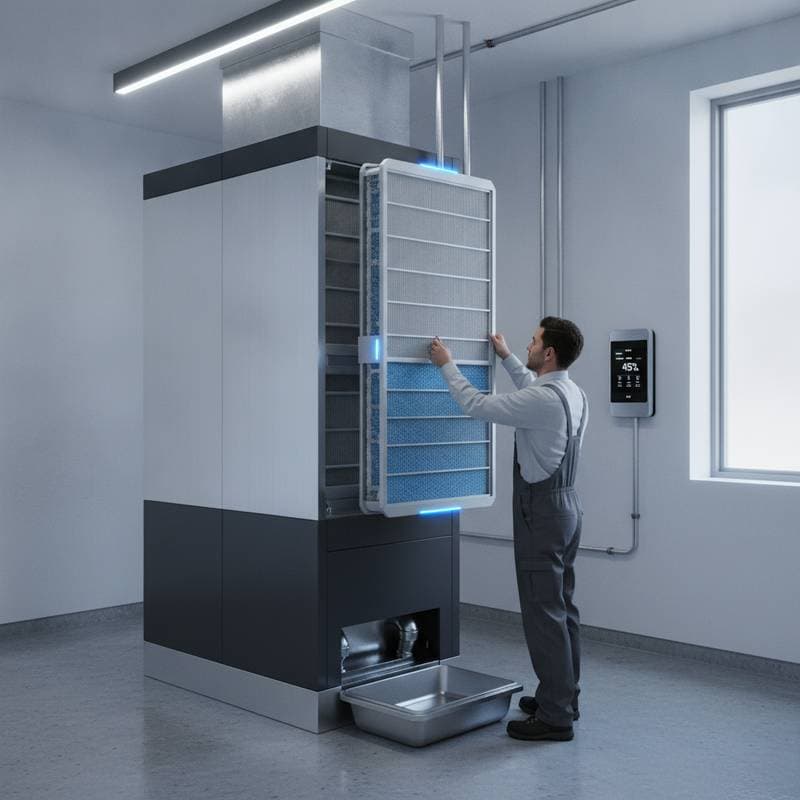
- Clean coils and condensate pans to inhibit internal mold and bacterial development.
- Examine ductwork yearly for breaches or insulation deficiencies that invite humid air.
- Verify sensor accuracy and recalibrate as required.
- Arrange annual professional inspections to evaluate efficiency and refine operations.
- Ensure vents remain unobstructed by obstacles to facilitate circulation.
- Use a hygrometer to track humidity and confirm adherence to optimal levels.
These practices mitigate repair expenses and uphold steady comfort.
Deciding Between Repair and Replacement
Repairs to current HVAC may appear economical initially, yet replacements often provide superior long-term benefits.
- System age: Units exceeding ten years frequently underperform in efficiency or integration for humidity features.
- Repair frequency: Recurring moisture issues signal the advantages of a full replacement.
- Energy expenses: Elevated humidity strains systems; modern alternatives cut bills and enhance comfort.
- Air quality issues: Ongoing odors or mold indicate inadequate control, favoring new installations.
Compare repair costs against half the replacement price; exceeding this threshold typically justifies renewal.
Strategies to Lower Upgrade Costs
Achieve savings through informed choices and incentives without compromising standards.
- Time installations with HVAC replacements to consolidate labor.
- Obtain quotes from several certified specialists for competitive insights.
- Seek rebates for efficient models or smart devices via utility programs.
- Combine services like duct cleaning for bundled discounts.
- Opt for off-peak scheduling when rates decline.
- Perform consistent maintenance to avoid failures.
- Employ efficient configurations to regulate humidity optimally.
- Explore tax credits for qualifying energy improvements.
These approaches optimize comfort, efficiency, and budget control.
Frequently Asked Questions
What is the cost of a humidity-balancing HVAC system?
Full-home systems average $3,000 to $8,000 based on scale and attributes. Integrated enhancements range from $1,500 to $4,000.
What humidity level deters mold?
Maintain 40 to 50 percent relative humidity to suppress mold. Automated systems target this precisely.
Do smart thermostats justify their expense for humidity management?
Affirmative; they deliver exact regulation and efficiency gains, adding $200 to $600 to setups.
Is retrofitting possible for existing HVAC?
Often, yes. Experts can incorporate dehumidifiers or sensors, though legacy systems may require modifications.
How long does installation require?
Typically one to two days, contingent on intricacies and duct alterations.
Does a humidity-balancing system cut energy costs?
Yes, efficient operation reduces HVAC workload and utility expenses.
What indicates poor humidity control?
Observe window condensation, musty smells, mold visibility, or room temperature disparities.
How frequently should servicing occur?
Annually, including coil cleaning, sensor checks, and humidity verification.
Are these systems suitable for dry climates?
Yes, many handle both dehumidification and humidification needs.
Can portable dehumidifiers substitute whole-home options?
They suit localized areas but fail to achieve uniform house-wide control.
Selecting a Qualified HVAC Contractor
A skilled professional guarantees optimal performance and safety. Consider these criteria.
- Confirm licensing and insurance for code adherence and protection.
- Secure detailed written estimates covering equipment, labor, and warranties.
- Inquire about credentials like NATE certification.
- Review client references and online feedback.
- Examine warranty scopes for parts and workmanship.
- Validate compatibility with current HVAC.
- Request pre-installation moisture evaluations.
- Explore maintenance agreements.
- Assess efficiency ratings across brands.
- Gauge responsiveness in initial discussions.
Secure three or more bids to gauge fair pricing.
Key Questions for Contractors
Pose these to foster clarity and assurance.
- Do you hold licensing and insurance for HVAC work?
- Which brands and models suit my home's dimensions?
- What is the projected installation timeline?
- What comprises your estimate?
- Do warranties cover parts and labor?
- How do you verify post-installation humidity?
- Will it sync with my thermostat?
- What annual maintenance do you advise?
- Are rebates available for efficient systems?
- How are unforeseen issues or changes managed?
- Do you offer service contracts?
- How does this enhance air quality and mold prevention over my existing system?
Steps to Achieve a Mold-Free Environment
Precise humidity regulation thwarts mold, preserves assets, and elevates living quality. Humidity-balancing HVAC advancements empower control over air dynamics, curbing energy loss and promoting wellness.