How Dual-Fuel HVAC Systems Halve Heating Costs by 2026
Dual-fuel HVAC systems represent a smart evolution in home heating technology. These systems combine an electric heat pump with a gas furnace, automatically switching between the two based on efficiency and cost. By 2026, advancements in this technology promise to reduce heating expenses by up to 50 percent for many households.
The appeal lies in their ability to leverage the strengths of both electricity and natural gas. Heat pumps excel in moderate temperatures, while furnaces provide reliable warmth during extreme cold. This hybrid approach minimizes energy waste and maximizes savings.
Understanding Dual-Fuel HVAC Technology
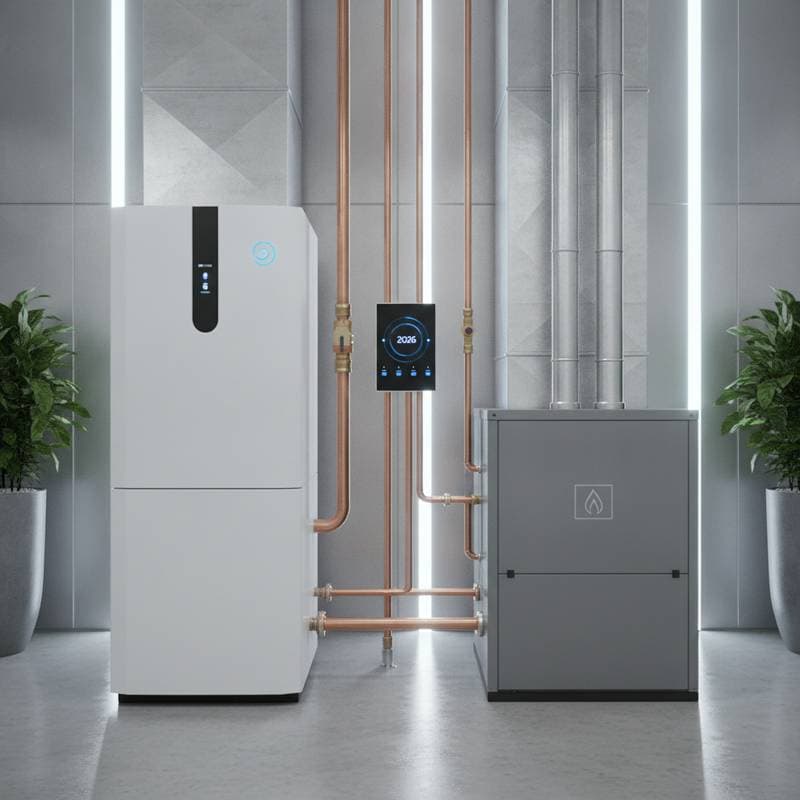
A dual-fuel system integrates a heat pump for milder weather and a gas furnace for harsher conditions. The heat pump extracts heat from outdoor air, even in chilly temperatures, using electricity. When outdoor temperatures drop below a set threshold, typically around 30 degrees Fahrenheit, the system shifts to the gas furnace for efficient, high-output heating.
This automatic switching occurs through a thermostat with advanced controls. Modern units feature sensors that monitor weather conditions and energy prices in real time. The result is a seamless transition that prioritizes the most cost-effective fuel source.
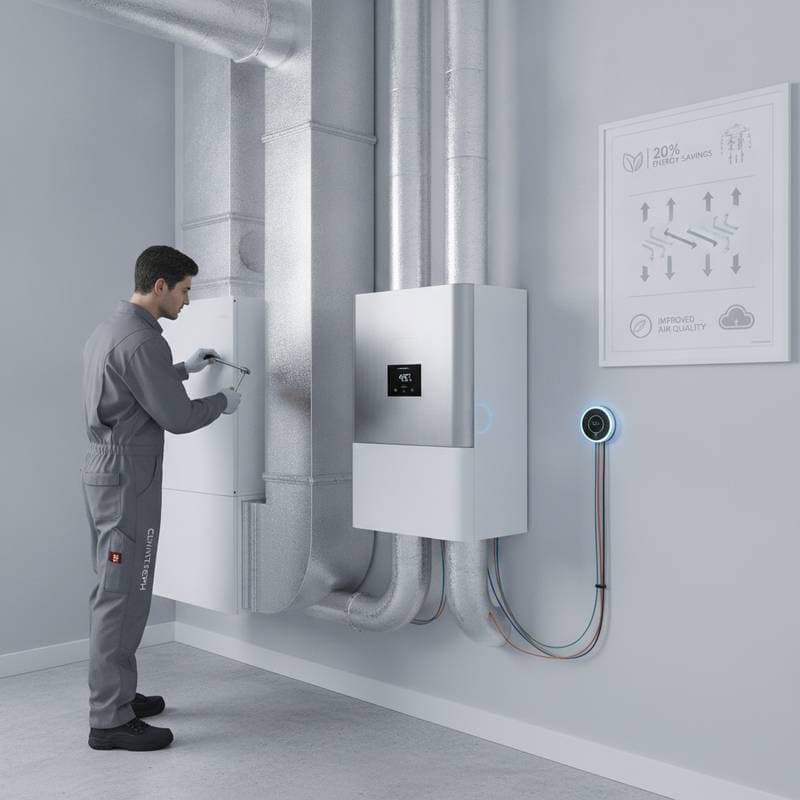
Installation involves connecting both components to a single ductwork system. Professional assessment ensures compatibility with existing home infrastructure. Homeowners benefit from consistent indoor comfort without manual intervention.
Projected Cost Savings by 2026
By 2026, dual-fuel systems will achieve up to 50 percent reductions in heating costs due to improved efficiencies and lower fuel prices. Heat pumps now reach seasonal energy efficiency ratios above 20, meaning they deliver more heating per unit of electricity. Gas furnaces with modulating burners adjust output precisely, reducing fuel consumption.
Energy providers anticipate stable natural gas prices, while electricity rates for efficient appliances continue to decline. A typical household spending $1,500 annually on heating could save $750 or more. These projections account for federal incentives that offset initial investments.
Long-term savings extend beyond fuel bills. Reduced wear on individual components extends system lifespan, lowering repair frequency. Insurance premiums may decrease slightly due to lower energy-related risks.
Installation Costs and Pricing Breakdown
Initial costs for a dual-fuel HVAC system range from $8,000 to $15,000, depending on home size and location. The heat pump portion accounts for $4,000 to $7,000, while the gas furnace adds $3,000 to $5,000. Ductwork modifications, if needed, contribute another $1,000 to $3,000.
Regional factors influence pricing. In colder climates, larger units command higher prices for robust performance. Labor costs vary, with urban areas seeing rates 20 percent above rural ones.
Financing options make installation accessible. Many manufacturers offer low-interest loans, and rebates from utility companies can reduce out-of-pocket expenses by up to 30 percent. A detailed quote from a certified installer provides clarity on total investment.
- Assess home heating needs through a professional energy audit.
- Select system size based on square footage and insulation quality.
- Budget for permits and any electrical or gas line upgrades.
Maintenance Requirements for Optimal Performance
Regular maintenance ensures dual-fuel systems operate at peak efficiency. Annual professional tune-ups, costing $150 to $300, include cleaning coils, checking refrigerant levels, and inspecting burners. Homeowners perform basic tasks like replacing air filters every three months.
Monitor the system's switching mechanism quarterly. Listen for unusual noises during transitions, which may indicate thermostat issues. Keep outdoor units clear of debris to maintain airflow.
Address problems promptly to avoid efficiency losses. A faulty sensor could force reliance on the more expensive fuel source. With proper care, these systems last 15 to 20 years, providing reliable service.
Key Factors Influencing Energy Savings
Insulation quality significantly impacts savings. Well-insulated homes retain heat longer, reducing overall demand. Seal drafts around windows and doors to enhance system performance.
Thermostat settings play a crucial role. Programmable models adjust temperatures based on occupancy, saving 10 to 15 percent on bills. Integrate smart home devices for remote control and usage tracking.
Local utility rates affect outcomes. Compare electricity and gas prices in your area to predict savings. Participate in demand-response programs for additional rebates.
Expert Tips to Maximize Efficiency
Position the outdoor heat pump in a shaded area to improve cooling during summer, indirectly benefiting heating cycles. Use ceiling fans to distribute warm air evenly, allowing lower thermostat settings.
Upgrade to variable-speed blowers for finer air control. These components adjust fan speed to match heating needs, cutting energy use by 20 percent.
Track monthly bills to measure improvements. Adjust the switchover temperature if needed, consulting a technician for guidance.
Realizing Long-Term Benefits
Adopting a dual-fuel HVAC system positions homeowners for substantial financial and comfort gains by 2026. Savings accumulate over time, funding other home improvements. Enhanced efficiency contributes to environmental goals by reducing overall energy consumption.
Consult local HVAC professionals to tailor a solution to your needs. The investment yields returns through lower bills and reliable performance. Embrace this technology for a warmer, more economical home.