Humidity Control Systems: Costs and Options for 2026
Whole-home humidity control systems range from $1,200 to $3,800. Portable units run $500 to $1,500. Add-on components for existing HVAC equipment start at $350.
Indoor humidity management supports comfort, reduces health risks, and protects building materials. Average project costs reach $2,400 when equipment, labor, and modifications are combined. Prices shift with home size, system type, and integration needs.
Average Costs by System Type
| Service Type | Average Cost |
|---|---|
| Whole-home dehumidifier | $1,500 to $3,800 |
| Whole-home humidifier | $1,200 to $2,800 |
| Portable dehumidifier | $500 to $1,500 |
| HVAC humidity add-on | $350 to $850 |
| Smart humidity control system | $2,000 to $4,000 |
National Cost Benchmarks
| Metric | Amount |
|---|---|
| National average cost | $2,400 |
| Minimum cost | $350 |
| Maximum cost | $4,000 |
| Average cost range | $1,200 to $3,800 |
Cost figures reflect reported project data and current market research.
Benefits of Balanced Humidity
Humidity levels above 60 percent promote mold, odors, and wood rot. Levels below 30 percent cause dry skin, static, and cracked furniture. Systems that hold indoor conditions between 40 and 50 percent reduce these problems while lowering energy use.
Cost Breakdown by System
Whole-Home Dehumidifiers
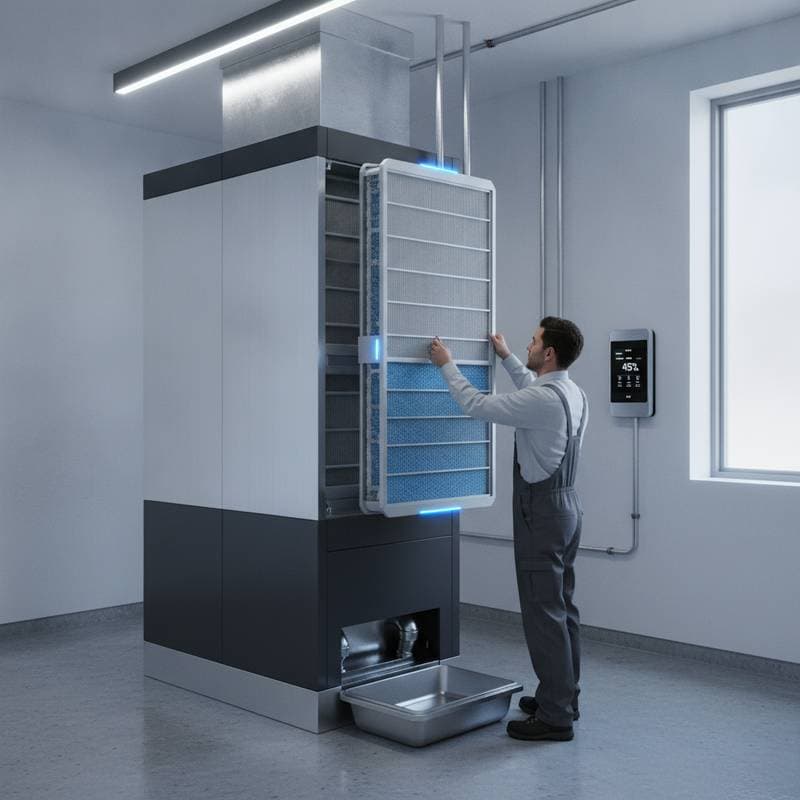
These units connect to central ductwork and remove moisture continuously. Installed prices fall between $1,500 and $3,800. Larger homes or high-capacity models may reach $4,000.
Whole-Home Humidifiers
Bypass, fan-powered, and steam models add moisture during heating seasons. Installed costs range from $1,200 to $2,800. Steam units deliver the steadiest output but carry higher equipment prices.
Portable Units
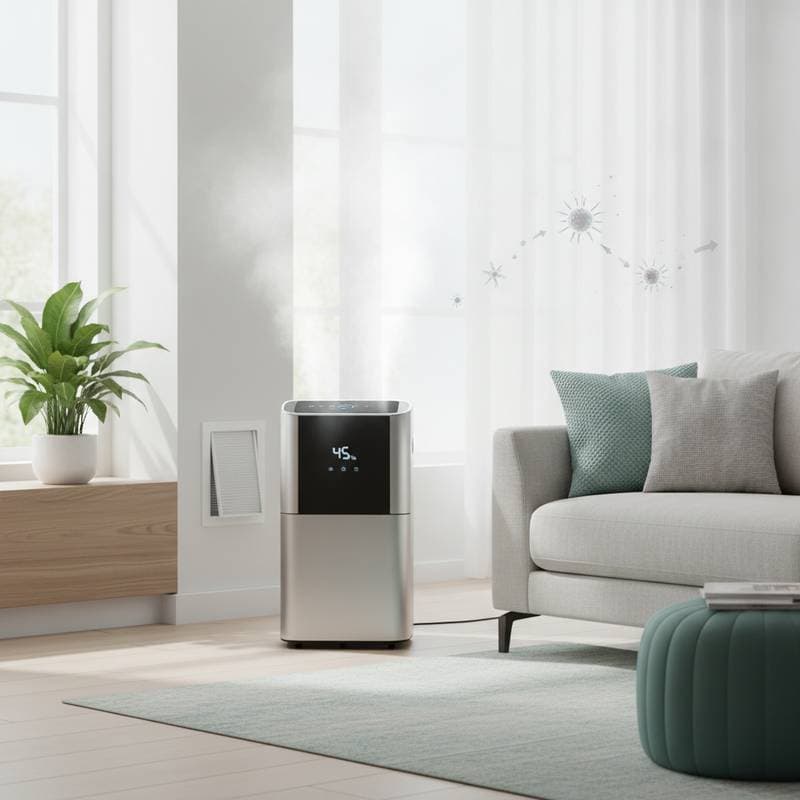
Single-room devices cost $500 to $1,500. They suit apartments or targeted spaces yet require frequent emptying and filter changes.
Smart Controls
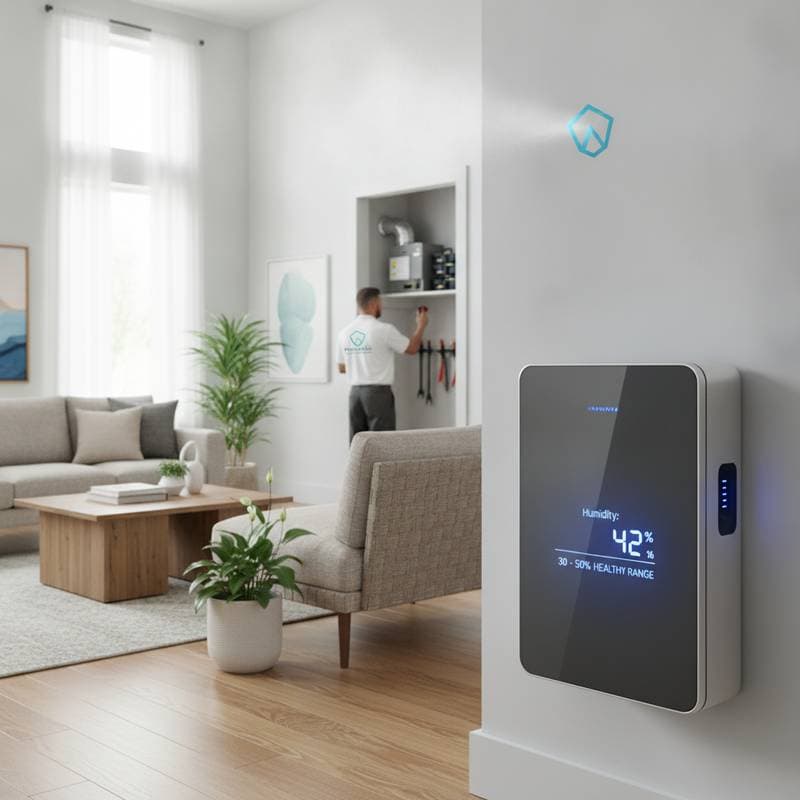
Sensor-driven systems with programmable thermostats range from $2,000 to $4,000. They adjust output automatically and integrate with existing HVAC equipment.
Labor and Ancillary Costs
| Cost Component | Average Cost |
|---|---|
| Equipment | $800 to $2,500 |
| Labor | $400 to $1,200 |
| Electrical connections | $150 to $400 |
| Ductwork modifications | $200 to $600 |
Factors That Influence Price
Home square footage determines required capacity. Whole-home setups cost more initially yet deliver uniform results. Higher efficiency ratings raise upfront expense but cut monthly utility bills. Older HVAC systems may need extra controls or wiring. Installation in tight spaces or with new duct runs adds $300 to $800. Brands such as Aprilaire, Honeywell, and Trane provide longer warranties at premium prices. Regional climate affects system size and whether dual-function equipment is necessary. Easy-access filters and drains lower future service calls.
Additional Expenses
| Related Service | Typical Cost |
|---|---|
| Permit and inspection | $100 to $300 |
| Old unit removal | $100 to $250 |
| Drain line installation | $200 to $500 |
| Smart thermostat upgrade | $150 to $400 |
| Annual maintenance | $100 to $250 |
Maintenance Practices
- Replace or clean filters every one to three months.
- Inspect drain lines for clogs each season.
- Schedule professional service annually.
- Track indoor levels with a hygrometer.
- Keep supply vents unobstructed.
- Empty portable collection pans weekly.
These steps extend equipment life and maintain indoor air quality.
Repair Versus Replacement
Systems older than ten years with repeated service calls often justify replacement. Newer units with minor issues can be restored through targeted repairs when parts remain available.
Ways to Reduce Project Costs
Schedule work during slower months when contractors discount labor. Bundle humidity control with duct cleaning or HVAC upgrades for package rates. Check utility rebate programs for energy-efficient models. Match capacity to measured home loads instead of oversizing. Obtain three written bids from licensed technicians. Maintain equipment on schedule to avoid emergency repairs. Add smart controls that limit runtime during low-demand periods.
Frequently Asked Questions
How much does a whole-home dehumidifier cost?
Installed prices typically fall between $1,500 and $3,800. Capacity, efficiency, and any required duct changes affect the final figure.
Is humidity control worth adding to an existing HVAC system?
Yes. Even basic add-ons starting at $350 improve comfort and protect finishes. Larger integrations deliver greater consistency across multiple rooms.
How long do humidity control systems last?
With routine filter changes and annual service, most units operate 8 to 15 years.
Can homeowners install these systems themselves?
Professional installation is required. Proper drainage, wiring, and duct integration prevent leaks and performance issues.
What signs indicate a need for better humidity control?
Look for window condensation, musty odors, dry skin, static shocks, or warped woodwork.
What is the ideal indoor humidity range?
Maintain 40 to 50 percent. This band limits microbial growth and preserves furnishings.
Do smart thermostats manage humidity?
Many models include sensors that automatically adjust equipment to hold setpoints.
Are portable units sufficient for large homes?
Portable devices work best in single rooms. Whole-home systems provide even conditions throughout larger properties.
Selecting a Qualified Contractor
Confirm current licensing and insurance coverage. Request references from recent humidity control projects. Collect at least three detailed written estimates. Review online feedback and local ratings. Verify warranty coverage for both parts and labor. Ask about ongoing maintenance agreements. Require an on-site humidity assessment before signing.
Next Steps for Homeowners
Compare proposals from licensed HVAC contractors, review capacity calculations for your home, and choose equipment that matches measured conditions and budget limits.