Understanding Humidity Control in HVAC Systems for Mold Prevention
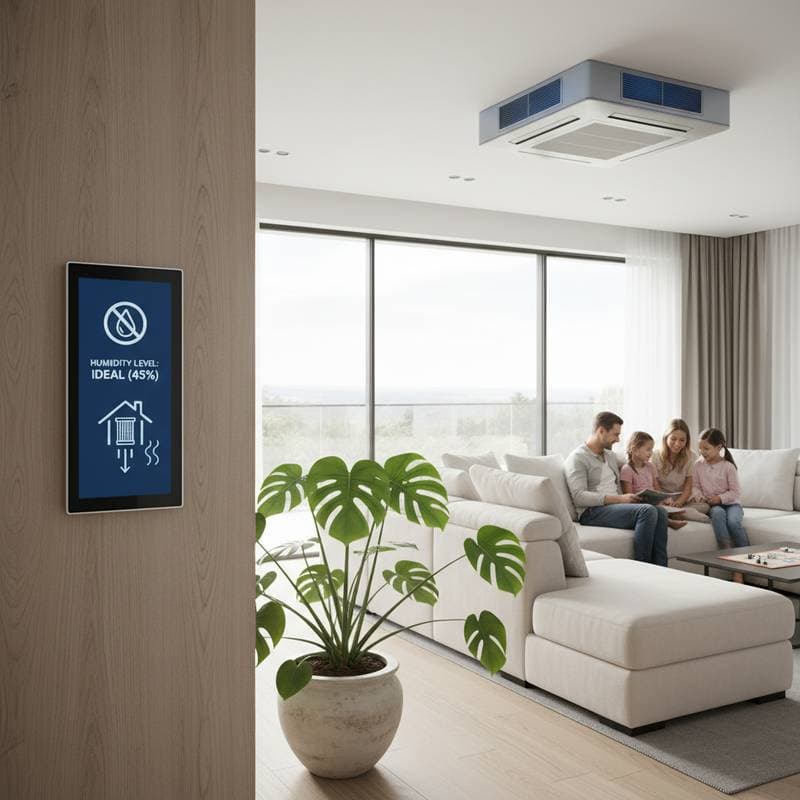
Indoor humidity management stands as a primary defense against mold development. When moisture levels exceed 60 percent, mold spores activate and spread rapidly, compromising structural integrity and health. Humidity-control HVAC systems integrate dehumidification technology to sustain levels between 30 and 50 percent, fostering a balanced environment that deters mold while enhancing overall comfort.
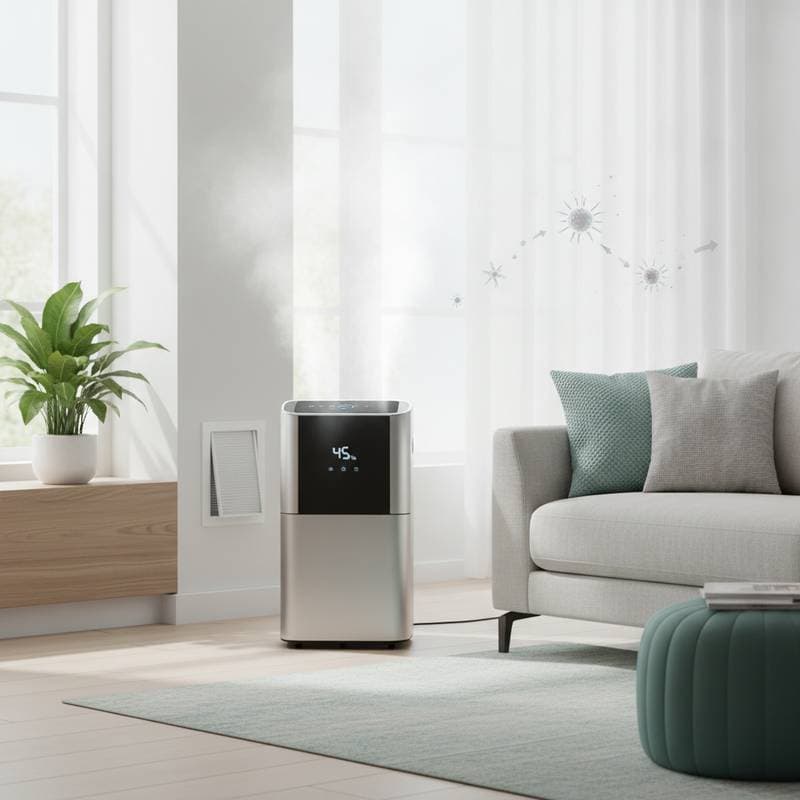
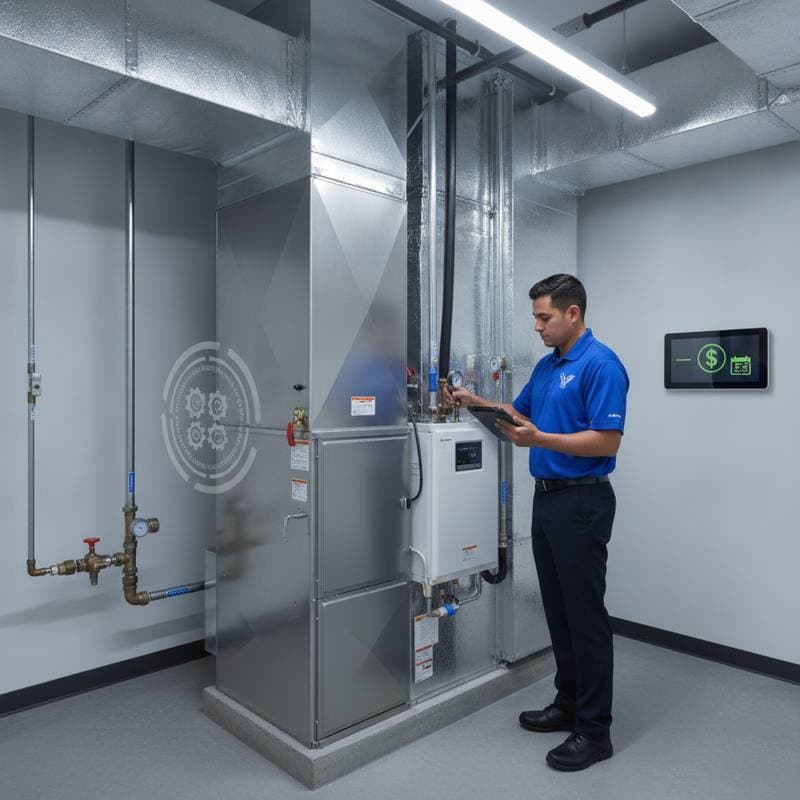
These systems employ sensors to monitor air moisture in real time. Upon detecting elevated humidity, they activate dehumidifiers to extract excess water vapor, safeguarding surfaces like walls, ceilings, and furnishings. Professional installation ensures seamless integration with existing HVAC infrastructure, with costs varying based on home specifics.
For whole-home solutions, expect investments from $3,000 to $7,500, covering equipment, labor, and calibration. Add-on dehumidifiers offer a more affordable entry at $1,200 to $2,800, suitable for targeted areas. Annual maintenance, ranging from $150 to $450, preserves system efficiency and prevents breakdowns.
Consult local HVAC specialists for customized assessments and free quotes to align the system with your property needs.
Mechanisms of Mold Prevention Through Humidity Regulation
Mold requires damp conditions to proliferate, typically above 60 percent relative humidity. Humidity-control HVAC systems counteract this by automating moisture extraction, maintaining optimal ranges that inhibit spore germination. This proactive approach not only curbs mold but also preserves indoor air quality by reducing allergens and irritants.
Core components include integrated dehumidifiers, precision sensors, and automated controls linked to the central HVAC unit. As humidity climbs, the system engages to condense and drain moisture, circulating drier air through ducts. This process protects vulnerable areas such as basements and attics, where poor ventilation often leads to hidden growth.
Beyond mold, balanced humidity supports respiratory health and prevents material degradation. Homeowners report fewer allergy symptoms and extended lifespan for fabrics and woodwork after implementation. Regular system checks confirm consistent performance across seasons.
Key Factors Influencing Installation and Operational Costs
Budgeting for a humidity-control HVAC system requires consideration of multiple variables. Home dimensions play a central role; larger spaces demand robust units and extensive duct modifications, elevating expenses. Layout complexities, such as multi-story designs or obstructed access, further impact labor requirements.
System selection affects pricing significantly. Whole-home integrations, priced at $3,000 to $7,500, deliver uniform coverage but involve higher initial outlays. In contrast, add-on units at $1,200 to $2,800 suit smaller properties or supplemental use, though they may lack comprehensive reach.
Brand quality and efficiency ratings influence long-term value. High-end models with smart features and superior energy performance command premiums yet yield savings through reduced utility bills. Location matters too; coastal or tropical climates necessitate stronger capacities to combat persistent dampness.
Additional elements include upgrades to aging infrastructure, such as electrical enhancements or new ductwork, which add to totals. Opting for energy-efficient add-ons like variable-speed compressors increases upfront costs but amortizes over time via lower consumption. Extended warranties provide peace of mind, typically adding modest fees for comprehensive coverage.
Essential Maintenance Practices for Sustained Effectiveness
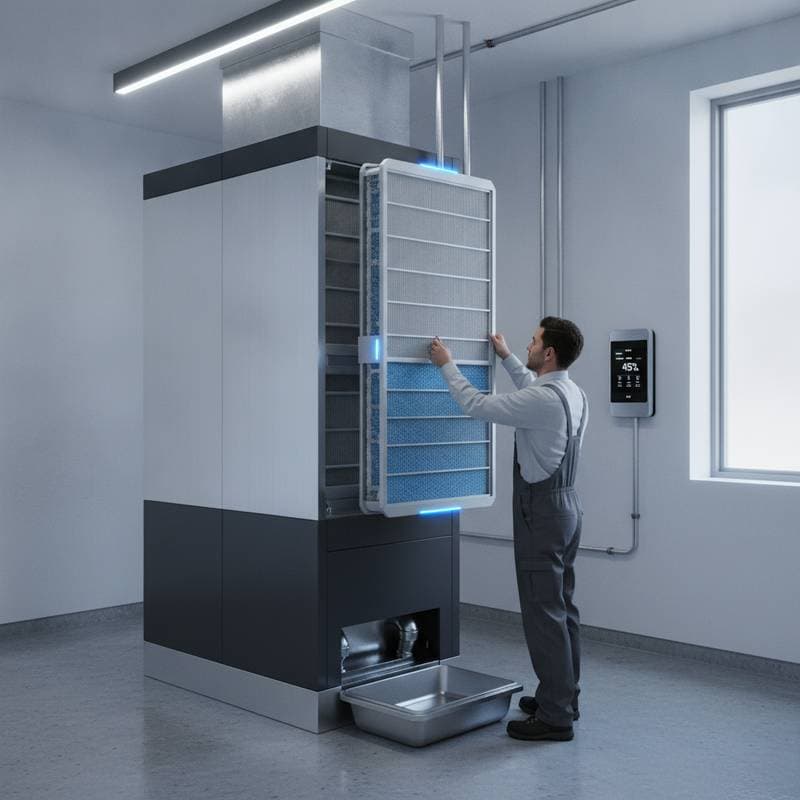
Proper upkeep ensures humidity-control systems operate at peak efficiency, directly contributing to mold prevention. Begin with filter management: clean or replace them every one to three months to sustain unrestricted airflow and filtration. Clogged filters force the system to work harder, potentially allowing moisture buildup.
Inspect condensation drains quarterly to avoid blockages that trap water and foster bacterial growth. Professional annual servicing, costing $150 to $450, involves thorough cleaning, sensor calibration, and performance testing. These visits detect issues early, averting costly failures.
Promote even air distribution by keeping all vents unobstructed and operational. Invest in a digital hygrometer for daily monitoring, verifying humidity stays within the 30 to 50 percent ideal. Address potential vulnerabilities by examining attics, basements, and crawl spaces for leaks or standing water that could overload the system.
In high-moisture zones like kitchens and bathrooms, activate exhaust fans during use to capture steam at the source. These habits extend equipment life, optimize energy use, and maintain a mold-resistant home environment year-round.
Strategies to Minimize Expenses on Humidity-Control Upgrades
Achieve cost efficiency without sacrificing quality through strategic planning. Time installations for off-season periods, such as fall or winter, when demand dips and contractors extend competitive pricing. Research utility rebates for energy-efficient models, which can offset 10 to 30 percent of costs.
Evaluate add-on dehumidifiers for compatibility with current HVAC setups, avoiding full replacements. Solicit quotes from at least three certified providers to benchmark pricing and negotiate better terms. Bundle complementary services, including duct sealing or filter upgrades, for discounted packages.
Prioritize models with high seasonal energy efficiency ratios to curb ongoing operational expenses. Inquire about seasonal promotions from manufacturers, which often include free accessories or extended guarantees. Diligent maintenance routines prevent premature wear, ensuring the investment delivers reliable performance over a decade or more.
These approaches balance affordability with durability, securing a healthier living space at reduced financial strain.
Frequently Asked Questions
How much does a humidity-control HVAC system cost?
Whole-home systems typically range from $3,000 to $7,500, factoring in equipment, labor, and home-specific adaptations. Add-on dehumidifiers provide a budget-friendly alternative at $1,200 to $2,800, ideal for partial coverage.
What humidity level prevents mold growth?
Maintain indoor levels between 30 and 50 percent to inhibit mold. Exceeding 60 percent creates favorable conditions for spores to multiply on surfaces and within HVAC components.
Can I add humidity control to my existing HVAC system?
Most central systems accommodate add-ons like dehumidifiers or control modules, with costs between $1,200 and $2,800. A professional evaluation confirms compatibility and outlines necessary modifications.
How often should I maintain my humidity-control system?
Annual professional inspections ensure optimal function, including coil cleaning and sensor adjustments. Supplement with monthly homeowner checks on filters and drains to uphold efficiency.
Do portable dehumidifiers work for mold prevention?
Portable units effectively manage small areas but fall short for whole-home needs due to inconsistent coverage. Integrated HVAC solutions offer superior, automated control for comprehensive protection.
What signs indicate high indoor humidity?
Watch for window condensation, persistent musty smells, blistering paint, or emerging mold patches. These symptoms often point to ventilation gaps or system inefficiencies requiring prompt attention.
Are humidity-control systems energy-efficient?
Contemporary designs incorporate variable-speed technology and intelligent sensors to minimize power draw while maximizing moisture removal. Many users experience reduced energy bills compared to standard HVAC operations.
Can humidity control improve air quality?
Yes, by stabilizing moisture, these systems limit mold, dust mites, and volatile compounds that degrade air. Cleaner circulation results in fewer irritants, benefiting those with allergies or asthma.
Steps to Secure Mold-Free Indoor Air
Begin your journey to superior home health by scheduling a professional HVAC assessment. Select a system tailored to your climate and layout for maximum impact. Implement maintenance protocols from day one to sustain benefits.
Track humidity trends and adjust habits accordingly, such as enhancing ventilation in moisture-prone rooms. Over time, these measures not only eliminate mold risks but also elevate daily comfort and property value. Commit to this upgrade for enduring protection and well-being.