Discover the Impact of Humidity Control in 2025 HVAC Systems
Whole-home humidity control systems range from $1,800 to $4,200.
Portable or room-based dehumidifiers cost $300 to $900.
Integrated HVAC systems with humidity management fall between $5,000 and $12,000.
Indoor comfort extends beyond temperature regulation. In 2025, effective humidity control emerges as a cornerstone of HVAC efficiency and occupant well-being. Homeowners increasingly adopt these systems, priced from $1,800 to $4,200 for whole-home installations, to enhance comfort while achieving notable energy reductions. Factors such as equipment selection, property dimensions, and integration complexity directly influence overall expenses.
| Service Type | Average Cost |
|---|---|
| Whole-home dehumidifier installation | $1,800 to $4,200 |
| Portable dehumidifier unit | $300 to $900 |
| Smart thermostat with humidity control | $250 to $600 |
| Integrated HVAC humidity system | $5,000 to $12,000 |
| Maintenance or calibration service | $100 to $350 |
| Metric | Amount |
|---|---|
| National average cost | $3,800 |
| Minimum cost | $250 |
| Maximum cost | $12,000 |
| Average cost range | $1,800 to $4,200 |
Cost data derives from industry research and reported project expenses.
The Evolution of Humidity Control in Modern HVAC
Contemporary HVAC setups incorporate humidity sensors, variable-speed air handlers, and intelligent controls to regulate moisture precisely. These advancements alter traditional approaches to comfort and resource consumption. By addressing humidity effectively, systems mitigate mold growth, elevate air purity, and alleviate operational stress on heating and cooling components.
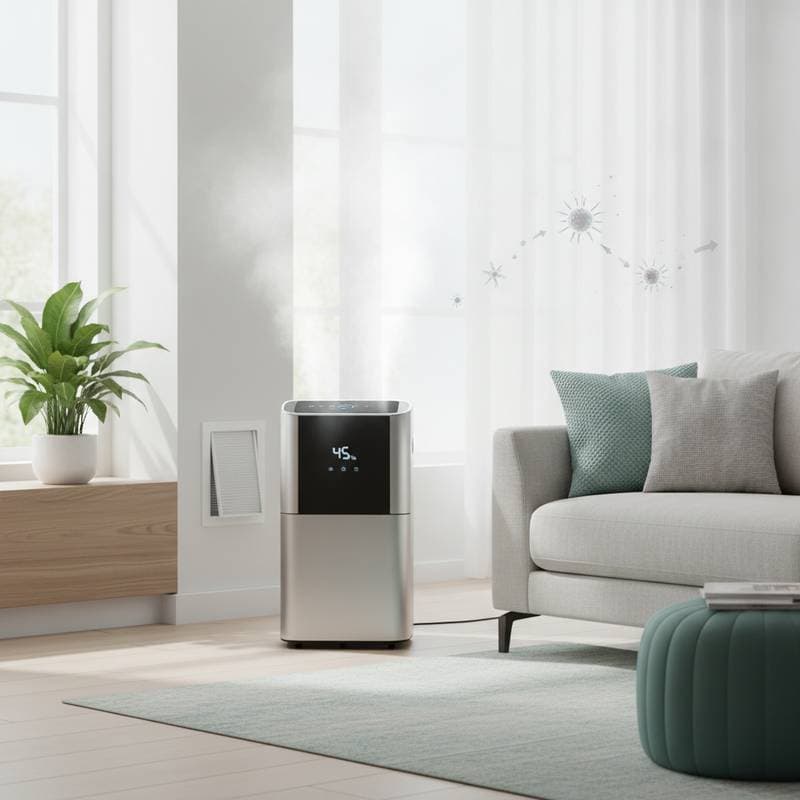
Optimal indoor humidity resides between 30 and 50 percent. Maintaining this balance diminishes allergens, safeguards wooden elements, and creates a cooler sensation without thermostat adjustments. Homeowners benefit from reduced respiratory irritants and preserved structural integrity in furnishings.
Comprehensive Cost Analysis
Breakdown by System Type
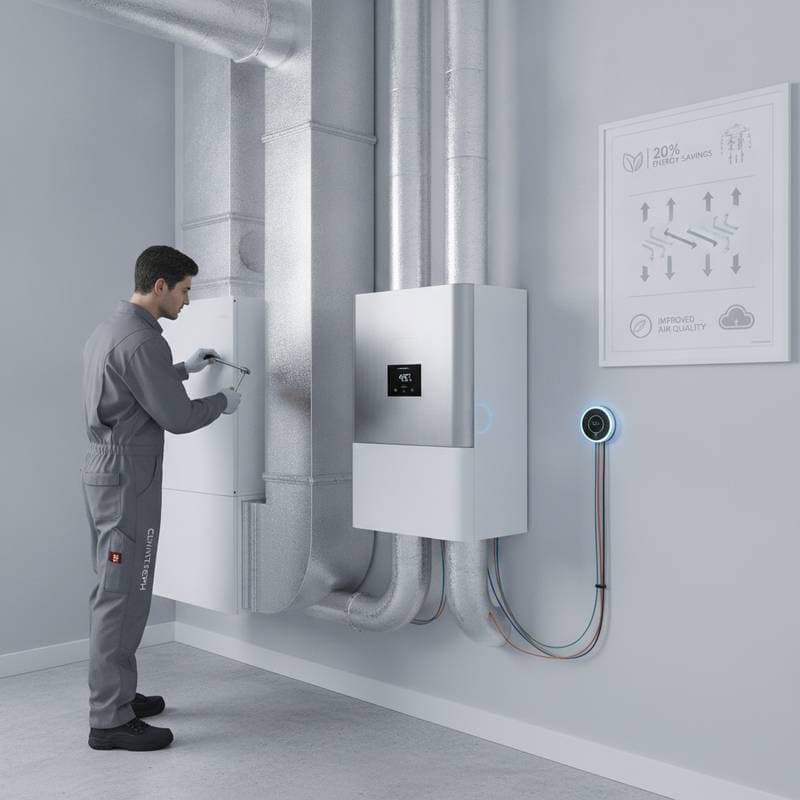
- Whole-home systems: These integrate into existing ductwork and range from $1,800 to $4,200, encompassing labor charges. They provide uniform moisture control across all living areas.
- Portable units: Suited for targeted spaces, prices span $300 to $900 based on moisture removal capacity and manufacturer specifications. Users appreciate their mobility and straightforward setup.
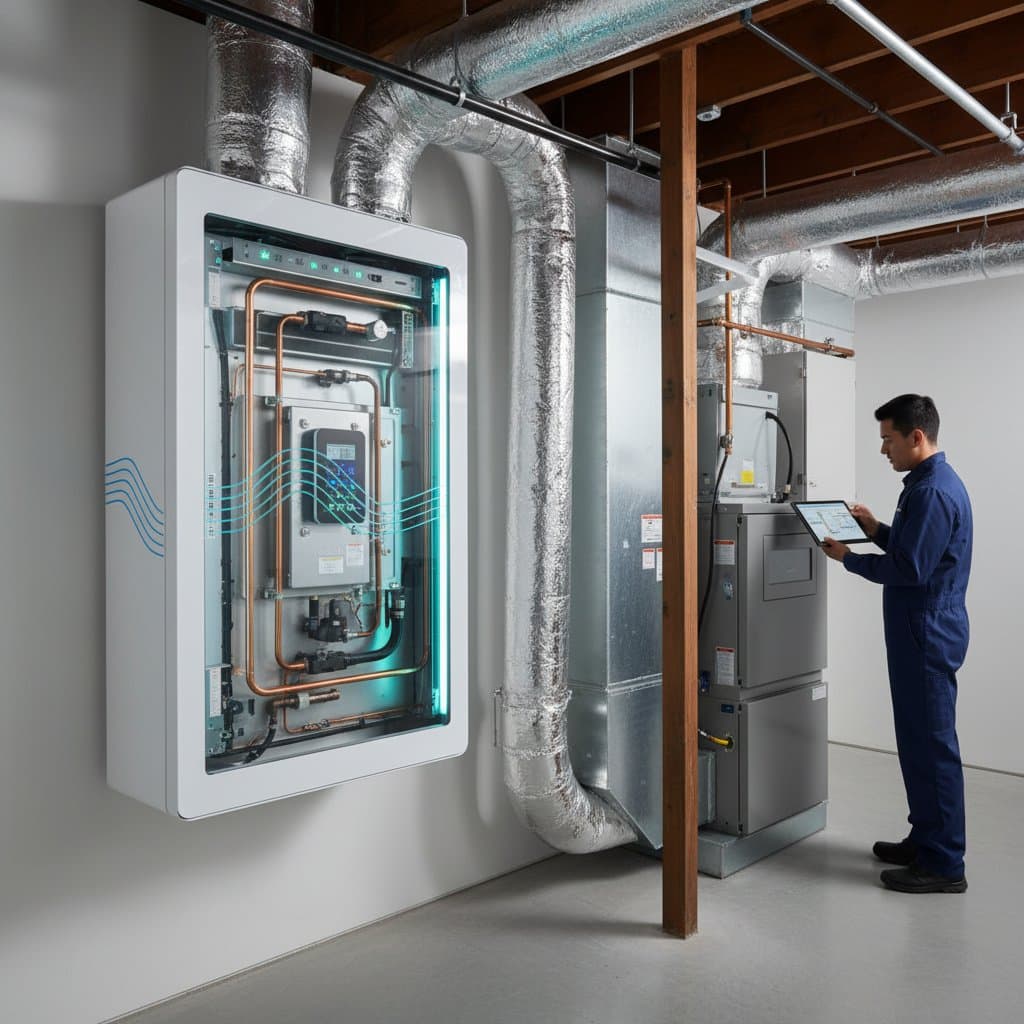
- Integrated HVAC upgrades: Incorporating humidity features during full system replacements costs $5,000 to $12,000. Such investments yield sustained efficiency gains through seamless operation.
Labor and Equipment Considerations
Labor typically accounts for 35 to 45 percent of total installation fees. Equipment pricing fluctuates with brand reputation and performance capacity; premium options deliver reduced noise levels and wireless integration capabilities. Selecting durable components ensures long-term reliability and minimal disruptions.
Factors Influencing Humidity Control Expenses
Several elements determine the final price of humidity management solutions.
- System size: Properties with greater square footage demand higher-capacity units, elevating costs proportionally.
- Efficiency rating: Models equipped with advanced sensors command higher initial prices yet generate savings on utility statements through optimized performance.
- Brand quality: Reputable manufacturers, backed by comprehensive warranties, position systems in the $2,500 to $5,000 range.
- Installation complexity: Adapting older HVAC frameworks often involves duct alterations or electrical enhancements, adding to labor demands.
- Climate and location: Residences in high-humidity zones require reinforced setups to achieve equilibrium.
- Maintenance requirements: Yearly professional visits cost $100 to $350 and sustain peak functionality.
- Additional controls: Incorporating smart thermostats or dedicated monitors increases expenses by $250 to $600.
Anticipated Related Costs
Budget for supplementary outlays to complete the project smoothly.
- Permits and inspections: Local regulations may impose fees of $50 to $200.
- Removal of old equipment: Disposal services for outdated units run $75 to $150.
- Duct cleaning or sealing: Enhancing airflow efficiency costs $300 to $700.
- System calibration: Fine-tuning sensors and balancing distribution adds $100 to $250.
Essential Maintenance Practices
Regular attention maximizes the longevity and effectiveness of humidity control installations.
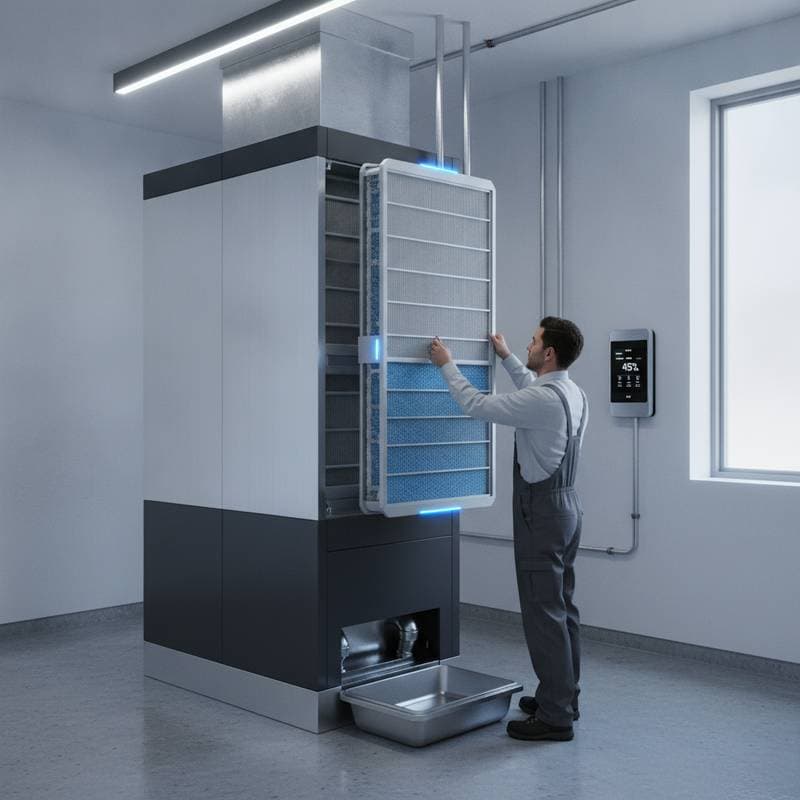
- Clean or replace air filters at intervals of one to three months to sustain airflow.
- Arrange yearly evaluations by qualified technicians to detect potential issues.
- Ensure condensate drains remain unobstructed to avoid water accumulation.
- Deploy smart sensors for continuous monitoring of moisture fluctuations.
- Examine duct integrity periodically to prevent imbalances from air escapes.
Deciding Between Repair and Replacement
Evaluate system age exceeding ten years, unusual operational sounds, or inconsistent performance as indicators for upgrades. Repairs costing below $500 often prove viable for minor fixes. Persistent malfunctions, however, justify transitioning to contemporary integrated solutions for enhanced reliability.
Strategies to Reduce Humidity Management Costs
Implement practical measures to optimize financial outlays.
- Time installations for less busy seasons when contractor rates decrease.
- Seek rebates from producers for qualifying energy-efficient products.
- Pair humidity additions with comprehensive HVAC overhauls to consolidate labor expenses.
- Adhere to routine maintenance schedules to avert costly emergencies.
- Solicit estimates from no fewer than three licensed HVAC specialists for competitive pricing.
Frequently Asked Questions on Humidity Control
What is the price range for a whole-home dehumidifier?
A standard whole-home dehumidifier, including labor and materials, costs between $1,800 and $4,200.
Does humidity control contribute to lower energy expenses?
Yes. Proper moisture regulation permits higher summer thermostat settings and lower winter ones, potentially cutting energy consumption by up to 15 percent.
What is the expected lifespan of humidity control systems?
Units generally endure 8 to 15 years, contingent on upkeep diligence and operational demands.
Steps to Implement Humidity Control in Your Home
Begin by assessing your current HVAC setup and humidity challenges through a professional audit. Select a system aligned with your home's size and regional climate. Proceed with installation from a certified provider, followed by calibration to ensure optimal function. Monitor performance via integrated apps and schedule ongoing maintenance to realize enduring benefits in comfort, health, and efficiency.