Humidity-Balancing HVAC Systems Prevent Mold Growth
As an HVAC professional, I have observed many homeowners contend with persistent musty odors that appear after humid periods. These odors often emerge in basements, near windows, or around vents. They signal that excess moisture has begun to affect comfort and air quality. In areas with humid summers or damp winters, this imbalance can escalate into mold issues that harm both property and health. Modern HVAC technology addresses humidity with the same precision used for temperature control.
Effects of Excess Indoor Humidity
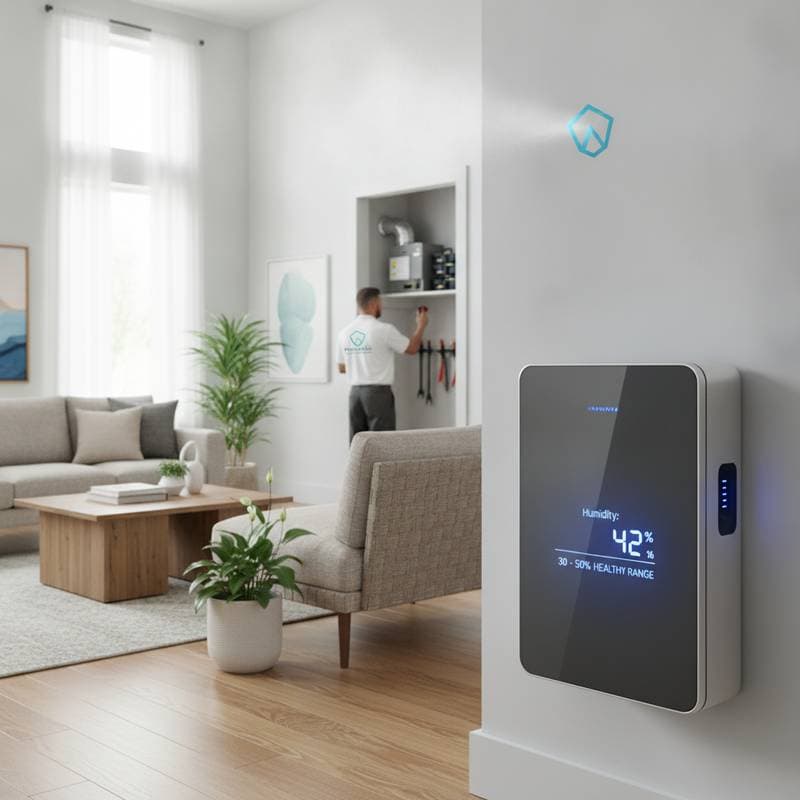
Indoor humidity levels above 50 percent allow moisture to accumulate in walls, carpets, and furnishings. Mold spores present in the air find these conditions ideal for rapid expansion. This growth releases allergens and weakens building materials over time. Unchecked humidity also increases HVAC workload, which can raise energy costs by up to 20 percent. Air that is too dry produces its own problems, such as cracked wood and irritated airways. Maintaining levels between 40 and 50 percent avoids both extremes.
Conditions That Promote Mold Development
Mold begins in microscopic form within hidden spaces such as ductwork, behind drywall, or under insulation. Condensation on cooler surfaces supplies the water that sustains colonies. Bathrooms, kitchens, and basements represent frequent problem areas, yet attics and crawl spaces face similar risks when ventilation is inadequate. In coastal and southern climates, even brief periods of elevated humidity can initiate growth. Advanced dehumidification becomes essential once moisture control exceeds the capacity of standard cooling equipment.
Capabilities of Current HVAC Equipment
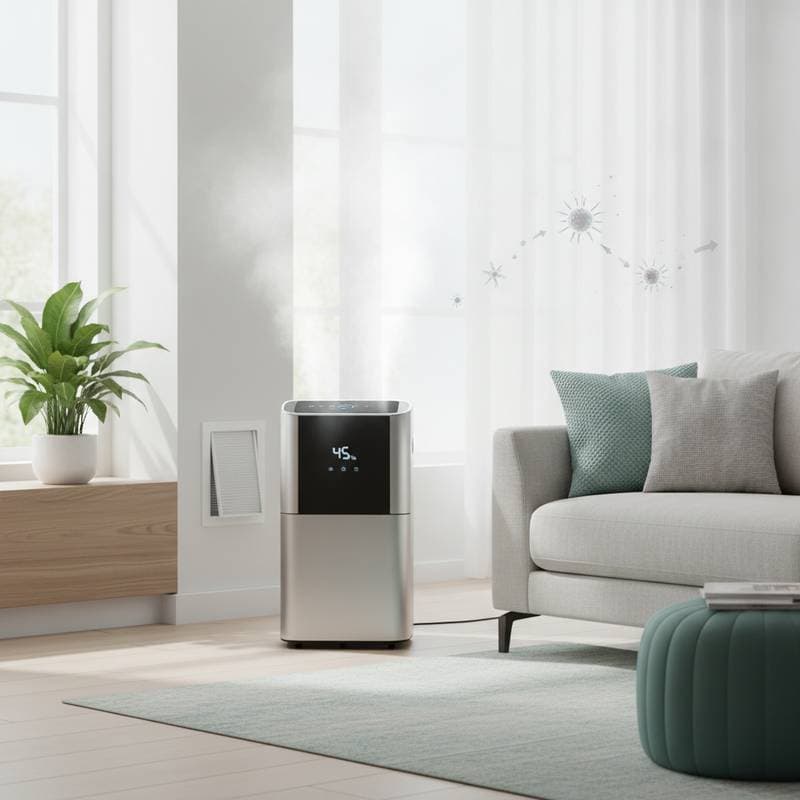
Standard air conditioners remove some moisture during cooling cycles, yet they lack targeted humidity regulation. Newer installations integrate whole-home dehumidifiers and variable-speed air handlers that adjust automatically to sensor readings. These components maintain set humidity thresholds by modulating airflow and compressor operation. When paired with smart thermostats, the systems deliver several practical outcomes.
- Keep humidity below 50 percent to limit mold formation
- Remove the sticky sensation common in summer months
- Permit higher thermostat settings while preserving comfort
- Shield flooring, furniture, and electronics from moisture damage
Energy recovery ventilators can further support balance by exchanging indoor and outdoor air while transferring heat and moisture.
Steps to Implement Effective Moisture Control
Homeowners considering humidity upgrades benefit from a structured approach.
- Assess current moisture sources through a professional audit that identifies leaks, insulation gaps, and unsealed crawl spaces. Air sealing alone often lowers humidity by 10 to 15 percent.
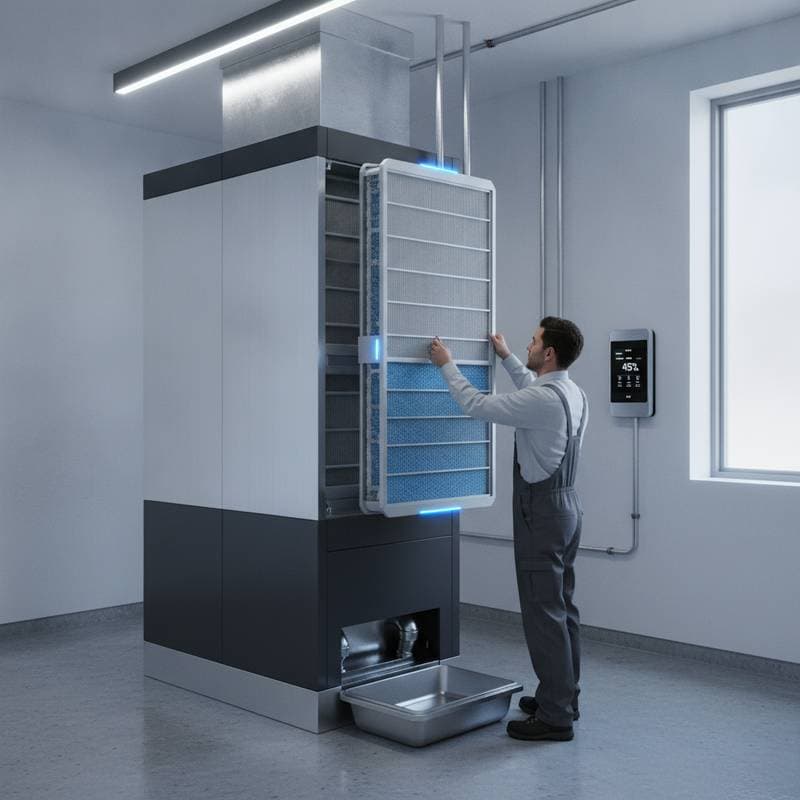
- Install a whole-home dehumidifier sized for the residence. These units integrate with existing ductwork and treat air throughout the property. Installed costs typically range from 1200 to 3000 dollars.
- Add smart controls that display real-time humidity data and adapt to weather changes without manual input.
- Preserve consistent airflow by replacing filters every one to three months and sealing ducts to prevent internal condensation.
- Arrange annual professional service to clean coils and clear condensate lines, avoiding the most common sources of hidden moisture.
Indicators of Humidity Imbalance
Early detection prevents extensive remediation. Persistent musty smells near vents, fogged windows, clammy air despite cooling, warped floors, and indoor allergy flare-ups all warrant a humidity check. A basic digital hygrometer provides immediate readings.
Installation and Operational Details
Whole-home dehumidifiers require one day for most installations. Pairing the unit with a new HVAC system can reduce costs because connections are already accessible. Smart controls add 200 to 400 dollars. Proper humidity management frequently allows a two- to three-degree thermostat increase, which lowers cooling expenses by as much as 10 percent. Local codes may require permits for drainage connections; licensed contractors handle compliance.
Additional Household Practices
Simple routines reinforce HVAC performance. Operate exhaust fans during and after cooking or bathing. Clean gutters regularly. Ventilate attics adequately. Apply vapor barriers in crawl spaces. Keep stored items such as firewood away from damp zones. These measures work together with mechanical systems to sustain long-term dryness.
Benefits of Consistent Moisture Management
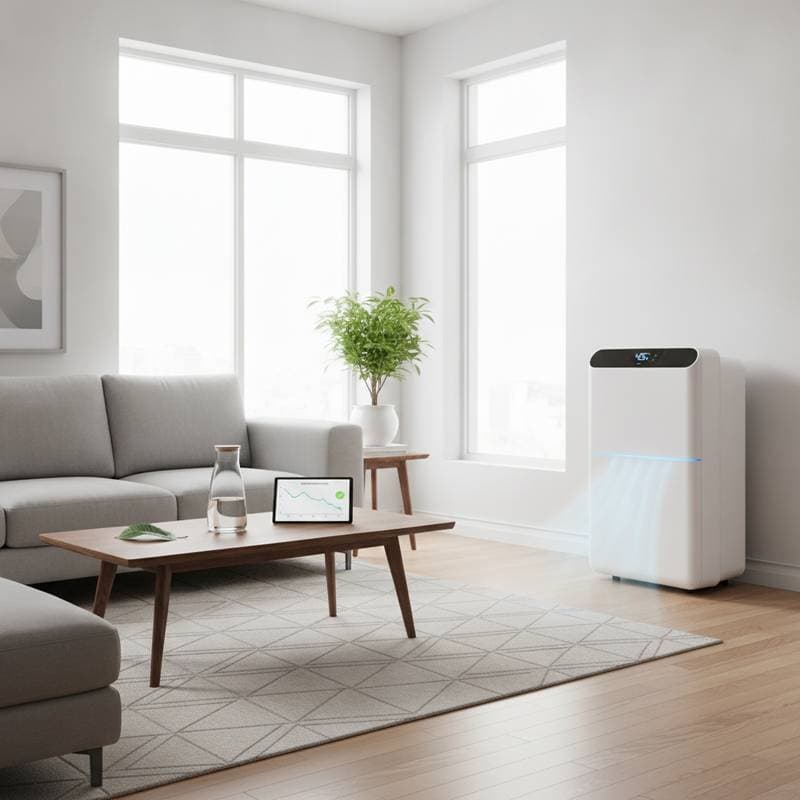
Balanced humidity improves perceived comfort because sweat evaporates more efficiently. The home feels crisp rather than heavy, and the HVAC equipment operates with greater efficiency. Homeowners who address moisture proactively avoid recurring mold concerns and enjoy steadier indoor conditions across seasons.