Why 2025 Homes Require Whole-Home Dehumidifiers
As an HVAC professional, I have observed numerous homeowners contend with dense, humid air that adheres to surfaces during warm seasons. Individuals may sense this when their air conditioning operates continuously, yet the interior remains damp and unpleasant. This represents the subtle challenge of elevated indoor humidity, which grows prevalent in contemporary airtight structures. Residences designed for energy conservation frequently retain moisture, fostering environments conducive to unease, mold development, and diminished air quality.
Homeowners who detect musty scents or a moist sensation despite active cooling are far from isolated. In various locales, increasing ambient humidity renders whole-home dehumidifiers a prudent enhancement for well-being, vitality, and performance.
The Rising Issue of Concealed Moisture
Through extensive field experience, I have determined that residents frequently overlook humidity's impact on livability and equipment operation. When indoor humidity exceeds 60 percent, air conditioners labor more intensely. This additional demand may reduce efficiency by as much as 20 percent and abbreviate system longevity.
Elevated humidity promotes condensation on glass surfaces, distortion in wooden floors, and mold proliferation within ventilation ducts or structural elements. Such problems extend beyond property damage; they exacerbate allergic reactions, provoke breathing difficulties, and generate persistent odors resistant to removal.
In regions characterized by humid summers or regular precipitation, conventional air conditioning alone proves inadequate for moisture regulation. Consequently, HVAC specialists advocate for whole-home dehumidifiers as supplementary systems that collaborate with current setups to deliver equilibrated, salubrious air.
The Professional Approach: Whole-Home Dehumidification
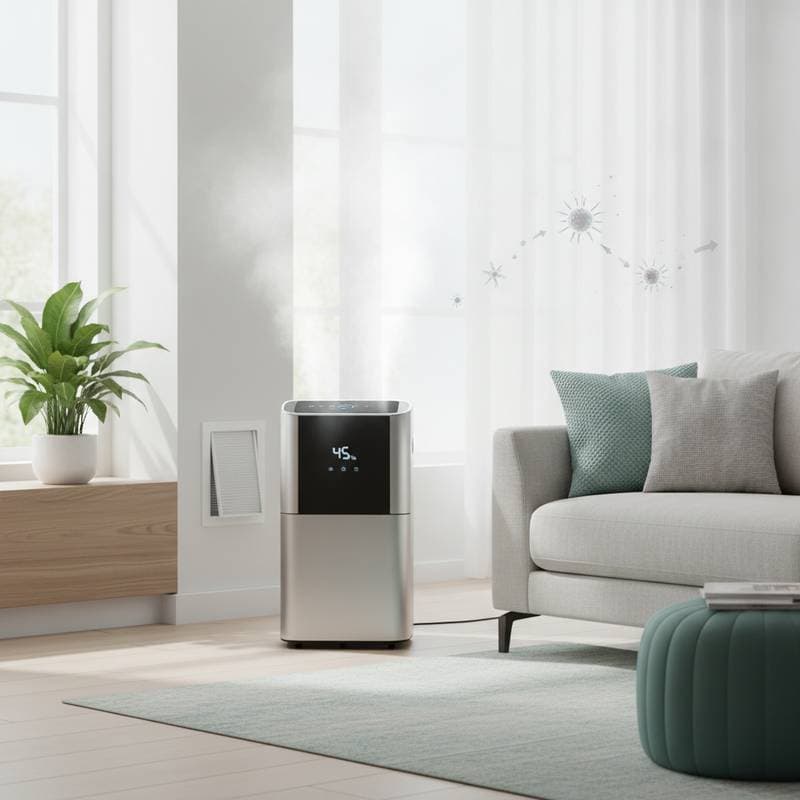
A whole-home dehumidifier links to the central HVAC framework and duct network. It tracks humidity throughout the residence and extracts surplus moisture on an automated basis. In contrast to compact portable devices limited to single areas, these units sustain optimal levels across all inhabited zones.
As an HVAC authority, I advise this option for those seeking uniform comfort without the inconvenience of reservoir drainage or device relocation. The apparatus synchronizes with thermostats, permitting users to establish desired humidity thresholds for unobtrusive functionality.
Effective implementation depends on accurate dimensioning and expert placement. An undersized unit fails to cope with intense humidity periods, whereas an oversized one risks over-drying the atmosphere. Competent technicians evaluate suitable capacity considering residence size, insulation quality, and regional weather patterns.
Benefits of Whole-Home Dehumidifiers for Comfort and Performance
1. Equilibrated Indoor Air Quality
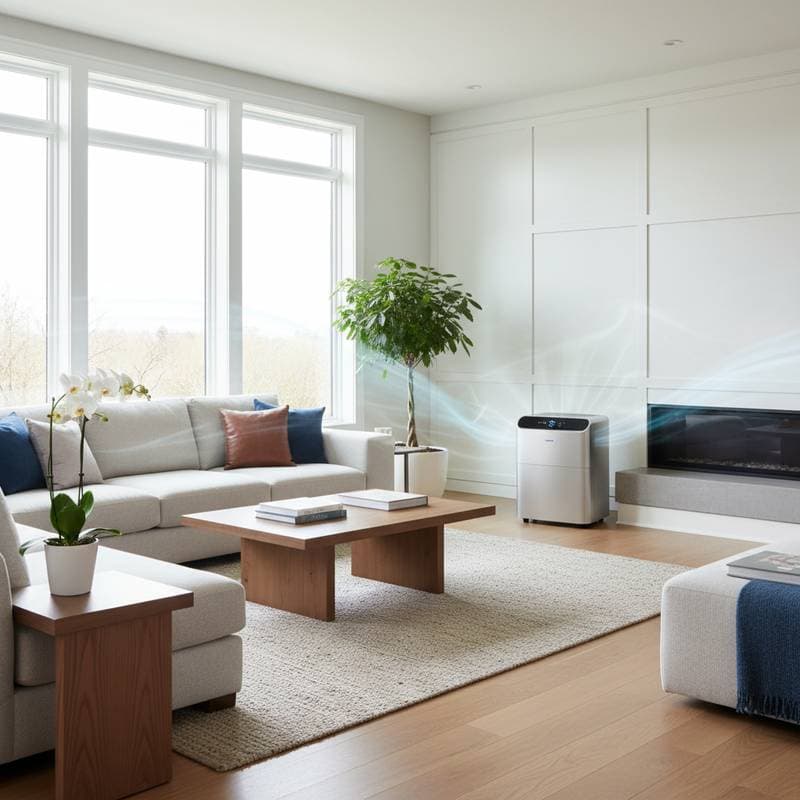
By sustaining humidity from 40 to 50 percent, residents experience prompt enhancements in comfort. The atmosphere feels refreshingly cooler, allowing thermostat adjustments upward by several degrees while preserving a sense of coolness. Such modifications yield tangible reductions in monthly energy consumption.
2. Salubrious Residential Atmosphere
Mold spores, dust mites, and bacteria flourish in damp settings. Humidity reduction curtails these irritants and eases respiration, particularly for individuals prone to asthma or sinus issues. Numerous clients describe diminished morning discomfort and alleviated nasal blockage following system adoption.
3. Extended HVAC Durability
With air conditioning relieved of moisture combat, operational cycles decrease in frequency. This alleviates stress on compressors and coils, thereby prolonging equipment service life. Consider it as assigning a reduced burden to the HVAC, fostering extended operational health.
4. Safeguarding Residence and Possessions
Timber furnishings, instruments, and flooring succumb readily to moisture effects. Whole-home dehumidifiers maintain structural integrity and avert expansion or fracturing. They further mitigate window condensation that might incite decay or surface deterioration.
Guidance for Selecting an Appropriate System
- Evaluate Humidity Concerns in Your Residence
Indicators such as obscured windows, stale aromas, or moist lower levels signal the necessity for comprehensive management.
- Prioritize Integrated Regulation
Select units compatible with prevailing HVAC thermostats to enable effortless automation.
- Examine Efficiency Specifications
Opt for Energy Star-rated models that consume minimal power while maximizing moisture removal.
- Anticipate Upkeep Requirements
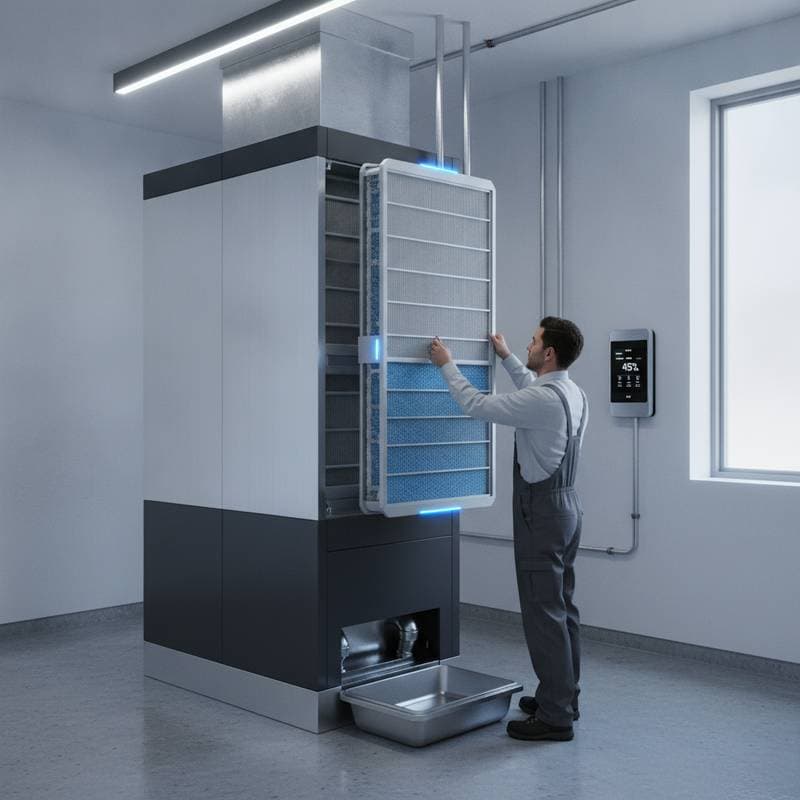
Arrange yearly inspections with reliable HVAC personnel to cleanse components, assess ventilation, and confirm effluent pathways.
Key Factors Prior to Acquisition
Regarding expenses, typical installations range from $1,500 to $3,000 when handled by professionals. Although this constitutes a significant outlay, energy and upkeep economies frequently recoup the expenditure over several years.
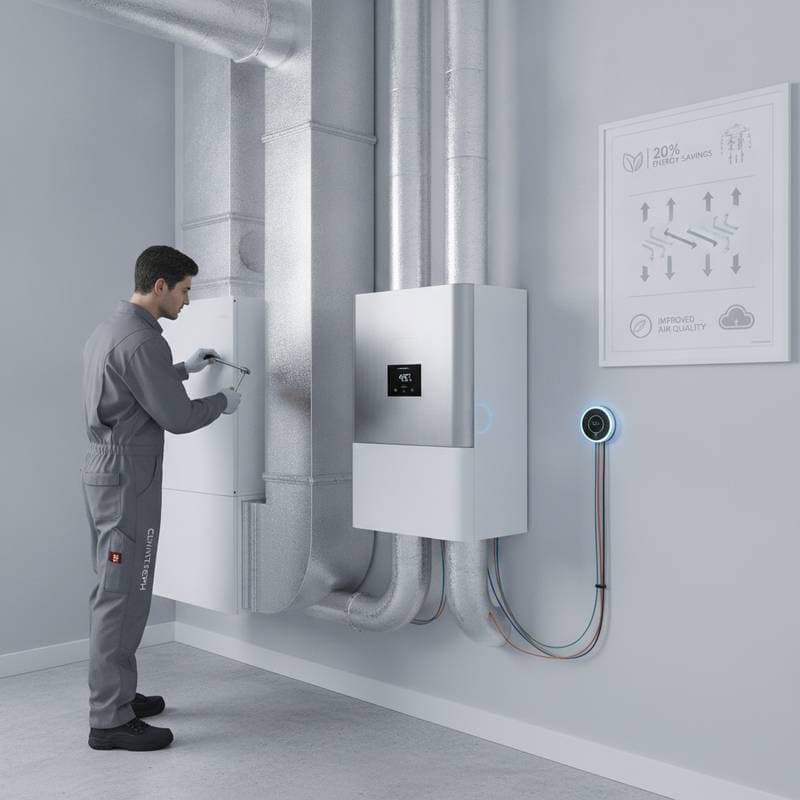
The process generally spans four to six hours. Integration occurs via established ducts with direct drainage to condensate conduits, eliminating manual intervention. Security remains paramount; expert execution guarantees suitable electrical linkages and adherence to regional standards.
Annual energy reductions may attain 10 to 15 percent, notably in areas with prolonged humid intervals. Additional advantages encompass fewer service interventions, lowered mold abatement needs, and superior air purity that promotes restful sleep and general vitality.
Tony Ramirez, a seasoned installer with decades in residential HVAC, stated, "The biggest surprise for most homeowners is how much lighter the air feels once humidity is under control. It’s like the house can finally breathe again."
Steps to Achieve Enduring Comfort
For those relying on fans or standalone dehumidifiers with limited success, a permanent remedy merits consideration. Whole-home dehumidifiers elevate living spaces to equilibrated, agreeable conditions that shield health and assets alike.
Contact a certified HVAC specialist via americanairhvac.net for a complimentary assessment. Our affiliated experts evaluate properties, suggest optimal configurations, and guarantee reliable performance for perpetual ease. Command your interior climate and relish the vitalizing circulation of a harmonized residence.
Frequently Asked Questions
Q: How frequently should a whole-home dehumidifier receive service?
A: Plan maintenance annually, aligned with standard HVAC inspections. This encompasses coil examination, filter replacement, and drainage verification to sustain optimal function.
Q: Is self-installation of a whole-home dehumidifier feasible?
A: Professional involvement by a licensed HVAC technician is advisable. The procedure entails duct integration, wiring, and drainage that conform to safety codes and efficacy standards.