Ductless Retrofits: The Smart HVAC Upgrade for Old Homes
A ductless retrofit provides an efficient path to modern comfort in homes built before central ductwork became common. These systems use slim indoor air handlers paired with an outdoor compressor. Thin refrigerant lines connect the components and eliminate the need for invasive duct installation.
Homeowners typically spend between 3000 dollars and 8000 dollars on a complete retrofit. Single zone setups range from 2000 dollars to 6000 dollars. Multi zone configurations cost between 5000 dollars and 12000 dollars. Full home coverage with three to five zones usually falls between 7000 dollars and 15000 dollars.
Average Cost Breakdown
Equipment and materials account for the largest share of expenses. Labor and installation add between 1000 dollars and 3000 dollars. Permits and inspections range from 100 dollars to 500 dollars. Electrical upgrades in older homes can add another 300 dollars to 1000 dollars.
National averages place a typical project at 6500 dollars. The lowest reported costs start near 2000 dollars while complex installations reach 15000 dollars.
Why These Systems Suit Older Homes
Older homes often feature tight wall cavities or historic details that make traditional ductwork impractical. Ductless units mount on walls or ceilings and require only a small penetration for refrigerant lines. This approach preserves architectural character while delivering quiet, zoned temperature control.
Each indoor unit serves a specific area. Homeowners can set different temperatures in separate rooms. The design works especially well in multi story houses or homes with additions that lack existing ducts.
Factors That Affect Final Price
Home size and layout determine how many indoor units are needed. System capacity measured in BTUs influences equipment cost. Premium brands such as Mitsubishi or Daikin carry higher upfront prices yet offer stronger warranties and efficiency ratings.
Higher SEER models reduce monthly energy use. Older electrical panels may require upgrades before installation. Installation complexity rises when refrigerant lines must travel long distances or pass through finished spaces. Peak season scheduling can increase labor rates.
Additional Expenses to Consider
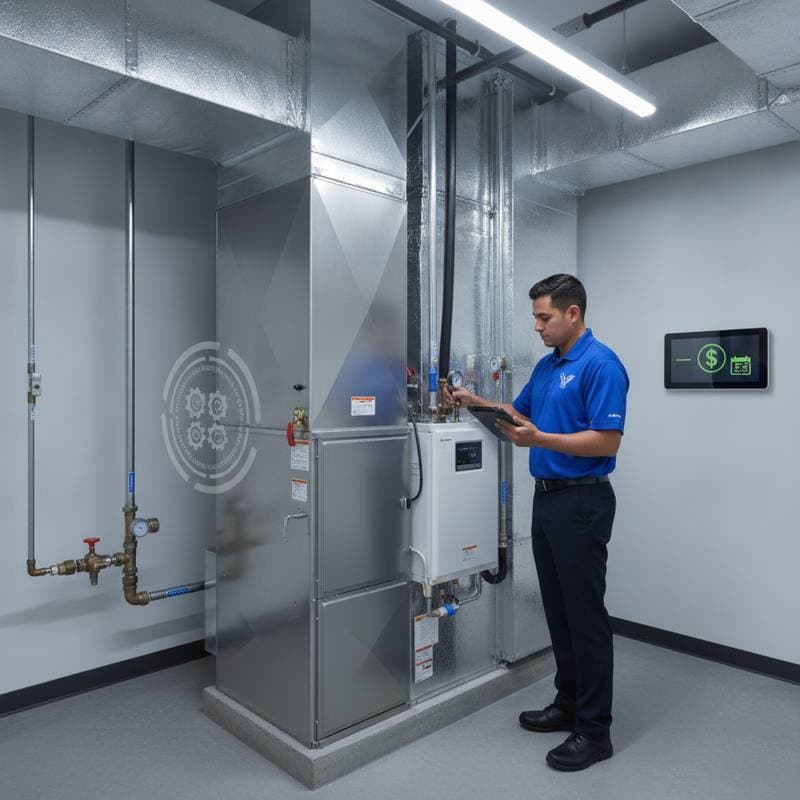
Budget for removal of old equipment. Condensate pumps may be necessary in certain installations. Smart thermostat integration adds convenience for zone management. Minor wall repairs after line routing typically cost between 200 dollars and 800 dollars. Annual maintenance plans help protect efficiency over time.
Maintenance Practices That Protect Your Investment
Replace or clean filters monthly during periods of heavy use. Clear debris from the outdoor unit regularly. Schedule professional service each year to check refrigerant levels and clean coils. Inspect condensate lines to prevent water damage.
When Replacement Makes Sense
Systems older than ten years that require frequent repairs often justify replacement. When repair costs exceed 40 percent of a new installation price, a ductless retrofit becomes the more economical choice. These units also serve targeted spaces such as attics, basements, or sunrooms that central systems cannot reach effectively.
Steps to Control Project Costs
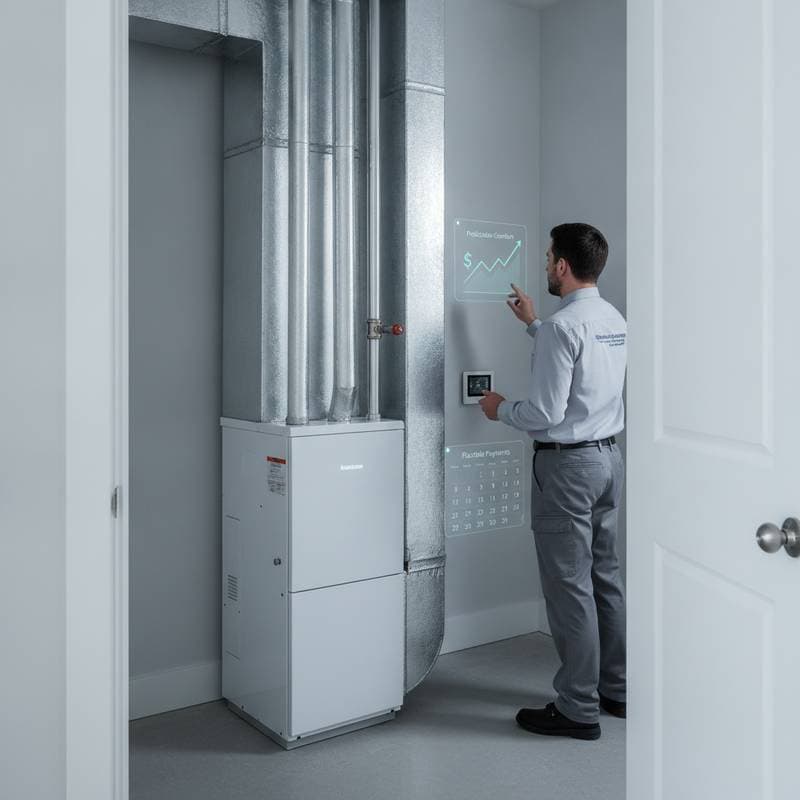
Obtain written estimates from at least three licensed contractors. Compare equipment efficiency ratings and warranty terms side by side. Apply for utility rebates available for high SEER models. Schedule work during slower months to secure lower labor rates. Bundle electrical or insulation improvements for package pricing. Finance options offered by many contractors allow payments to be spread over time.
Common Questions
How long does installation require? Single zone systems are often complete in one day. Multi zone projects usually finish within two or three days.
Do these systems provide both heating and cooling? Most models function as heat pumps and handle both tasks through the same equipment.
What efficiency levels are available? Modern units reach 18 to 30 SEER, well above the performance of many central air systems.
Which rooms gain the most benefit? Spaces without existing ducts, such as finished attics or room additions, see immediate improvement. Many owners extend coverage to the entire house with multiple zones.
Planning Your Next Steps
Review your home layout and identify comfort problem areas. Contact local contractors for site visits and detailed proposals. Compare total project costs against expected energy savings to confirm the best path forward.