Understanding Dual-Fuel HVAC Systems
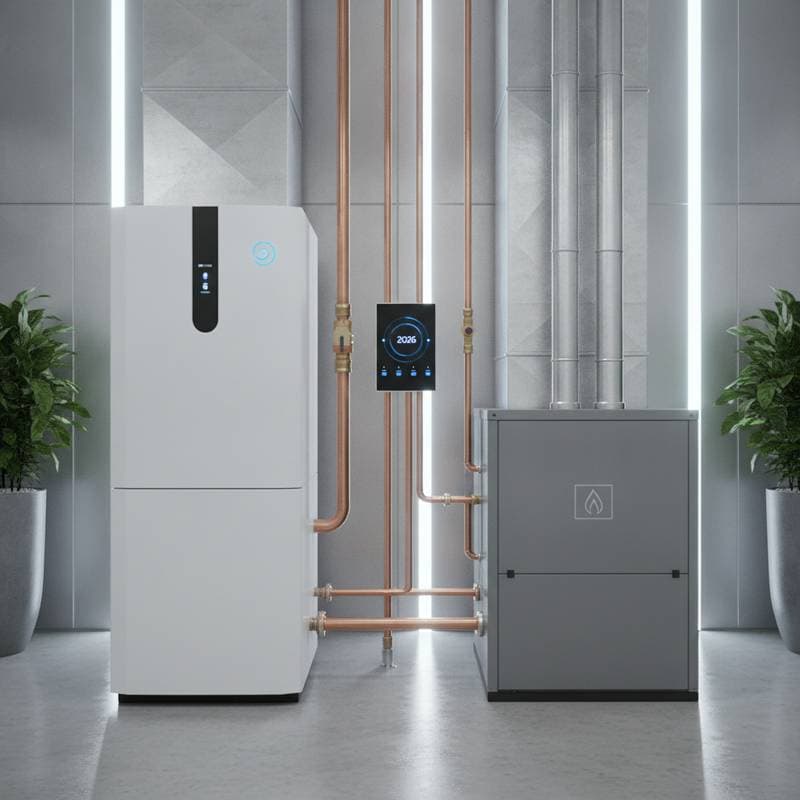
Dual-fuel systems represent an advanced approach to home heating and cooling. They combine the efficiency of an electric heat pump with the reliability of a gas furnace. This hybrid setup allows homeowners to benefit from the strengths of both technologies without relying solely on one.
In colder regions, where single systems may struggle, dual-fuel configurations provide seamless transitions. The system monitors outdoor temperatures and switches fuels based on efficiency thresholds. This design ensures optimal performance throughout the year.
Homeowners often overlook the potential of such integrations until facing rising energy bills. These systems address that concern directly by adapting to environmental demands. As energy prices fluctuate, the appeal of versatile solutions grows.
How Dual-Fuel Systems Operate
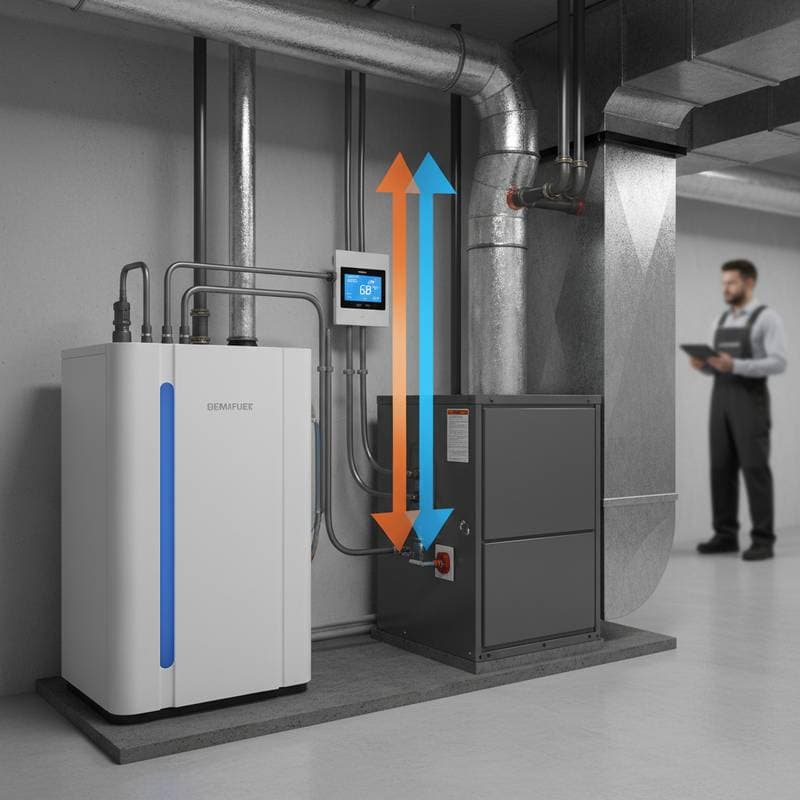
The core of a dual-fuel system lies in its intelligent control mechanism. An electric heat pump handles mild weather by extracting heat from outdoor air, even in temperatures above freezing. It operates with high efficiency, using less electricity than traditional heating methods.
When temperatures drop below a set point, typically around 30 degrees Fahrenheit, the system activates the gas furnace. The furnace provides robust heat quickly and effectively in extreme cold. This switch occurs automatically through a thermostat programmed for energy optimization.
Sensors and controls fine-tune the operation. They assess humidity, indoor temperature, and energy costs to make real-time decisions. Such precision minimizes waste and maximizes comfort.
Key Benefits for Energy Savings
One primary advantage is the potential to halve heating bills during winter months. By using the heat pump for most of the season, homeowners avoid the higher costs associated with constant gas usage. Savings accumulate as the system prioritizes electricity when it proves more economical.
These systems also enhance overall home efficiency. The heat pump contributes to cooling in summer, reducing reliance on separate air conditioning units. Year-round operation leads to consistent energy use patterns.
Environmental impact receives a boost as well. Heat pumps produce fewer emissions than gas-only systems, aligning with sustainability goals. Homeowners contribute to lower carbon footprints while enjoying financial relief.
Savings Breakdown
- Electricity Efficiency: Heat pumps achieve efficiencies up to 300 percent, meaning they deliver three units of heat for every unit of electricity consumed.
- Gas Backup Reliability: The furnace ensures no performance dips in sub-zero conditions, preventing inefficient overrides.
- Customizable Thresholds: Professionals adjust switch points based on local utility rates and climate data for personalized savings.
Ideal Conditions for Maximum Savings
Dual-fuel systems excel in regions with distinct seasonal changes. Moderate winters allow the heat pump to dominate, keeping costs low. Harsh summers benefit from the same unit's cooling capabilities.
Savings peak when electricity rates remain lower than gas prices, a common scenario in many areas. Homeowners in the Midwest or Northeast see the most dramatic reductions. Utility rebates often support installation in these zones.
Variable weather patterns amplify the value. Systems handle fluctuating temperatures without manual intervention. This reliability translates to predictable bills month after month.
Installation Process and Home Considerations
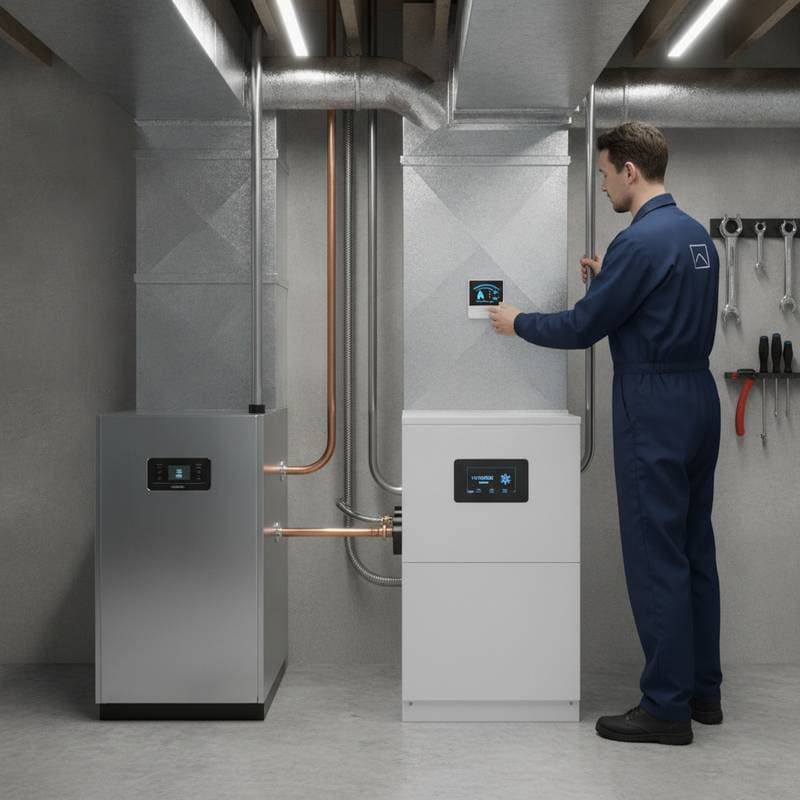
Installing a dual-fuel system requires professional assessment. Technicians evaluate existing ductwork, electrical capacity, and gas lines. They ensure compatibility with the home's layout and insulation levels.
The process typically spans one to two days. It involves mounting the outdoor unit, connecting indoor components, and calibrating controls. Minimal disruption occurs if the home already supports HVAC infrastructure.
Budget for initial costs, which range from $8,000 to $15,000 depending on system size and home square footage. Long-term savings offset this investment within five to seven years. Financing options and incentives make it accessible.
Steps to Prepare Your Home
- Schedule a site evaluation with a certified HVAC specialist.
- Review local energy rebates and tax credits for hybrid systems.
- Insulate attics and seal ducts to enhance system performance.
- Select a model with smart thermostat integration for remote monitoring.
Emerging Trends in 2025
Advancements in dual-fuel technology promise even greater efficiency. Newer models incorporate variable-speed compressors for finer control. Integration with home automation systems allows voice-activated adjustments.
Regulatory shifts encourage adoption. Many states mandate energy-efficient upgrades, offering grants for qualifying installations. This support accelerates the transition to hybrid solutions.
Homeowners report higher satisfaction with these systems. Comfort levels rise due to even heating distribution. Maintenance remains straightforward, with annual tune-ups preserving longevity.
Realizing Long-Term Value
Switching to a dual-fuel system positions homeowners for sustained savings and comfort. The combination of technologies addresses modern energy challenges effectively. Families enjoy warmer winters without the financial strain.
Consult local experts to determine suitability for your property. Tailored installations yield the best results. Embrace this innovation to transform your home's energy profile today.