Dual-Fuel HVAC: The Hybrid Trend Taking Over Heating
Homeowners often face challenges in balancing comfort and energy costs amid unpredictable weather patterns. One day brings mild temperatures, the next delivers harsh cold. When furnaces operate excessively or heat pumps underperform, residents question more effective options for managing both warmth and utility expenses. Dual-fuel HVAC systems provide a hybrid solution that addresses these issues with intelligent efficiency.
Why Homeowners Are Turning to Hybrid Heating
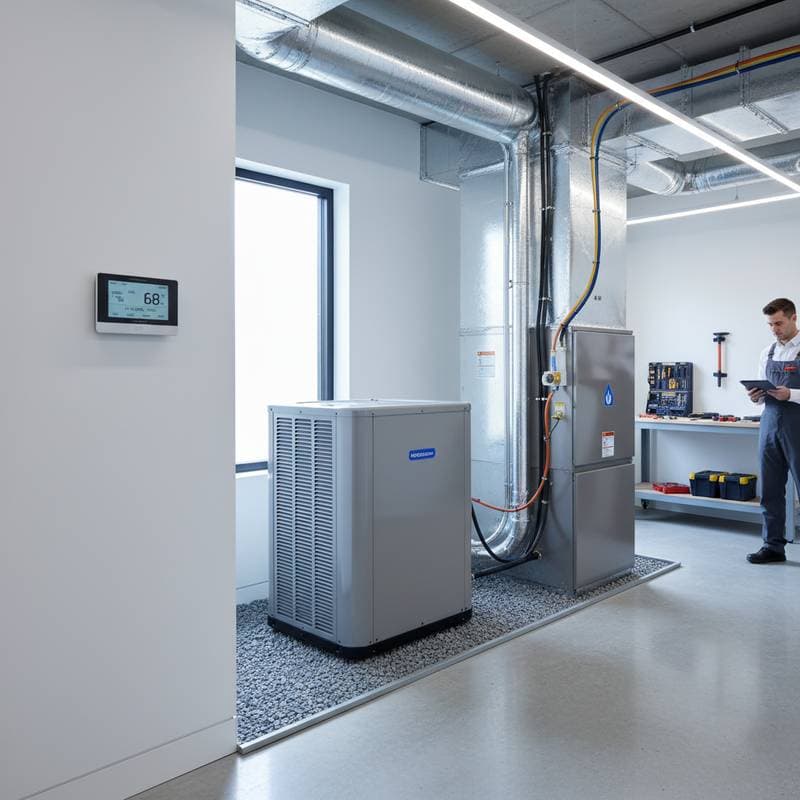
Dual-fuel systems integrate the advantages of electric heat pumps and gas furnaces to form an adaptive heating strategy. In moderate conditions, the heat pump extracts heat from outdoor air using electricity. When temperatures fall below efficient levels for the heat pump, the gas furnace activates automatically.
Field experience shows this automatic transition reduces heating expenses by up to 30 percent relative to conventional setups. Equipment longevity improves as each component operates only when optimal. A client remarked after installation, "It feels like the system knows exactly what we need before we do."
Understanding the Problem: Energy Waste and Temperature Extremes
In areas with variable climates, standard systems frequently prove inefficient. Heat pumps may falter in subfreezing weather, relying on costly electric resistance elements. Gas furnaces perform well in severe cold but consume excess fuel during milder periods.
Such inefficiencies elevate utility bills and compromise consistent comfort. Indicators include inconsistent room temperatures, short cycling, or increased energy consumption. Dual-fuel technology resolves these concerns by selecting the most suitable energy source for prevailing conditions.
How Dual-Fuel Systems Deliver Smarter Comfort
Dual-fuel HVAC configurations employ a control board that tracks outdoor temperatures to manage heat source activation. The switchover threshold typically occurs near freezing, though adjustments accommodate local weather and utility pricing.
The process unfolds in these steps:
- Mild weather: The heat pump manages heating with electricity, minimizing costs.
- Dropping temperatures: At the designated balance point, the system shifts to gas for robust output.
- Warming up again: The heat pump reactivates as conditions improve, deactivating the furnace.
This method maintains steady comfort while conserving resources. The system operates quietly and responds fluidly to environmental changes.
Expert Tips to Maximize Efficiency
Professional maintenance ensures dual-fuel systems perform optimally. Implement these strategies for sustained results:
- Schedule seasonal tune-ups: Arrange inspections for the heat pump and furnace biannually. Technicians clean coils, verify refrigerant charges, and inspect gas burners for reliable ignition.
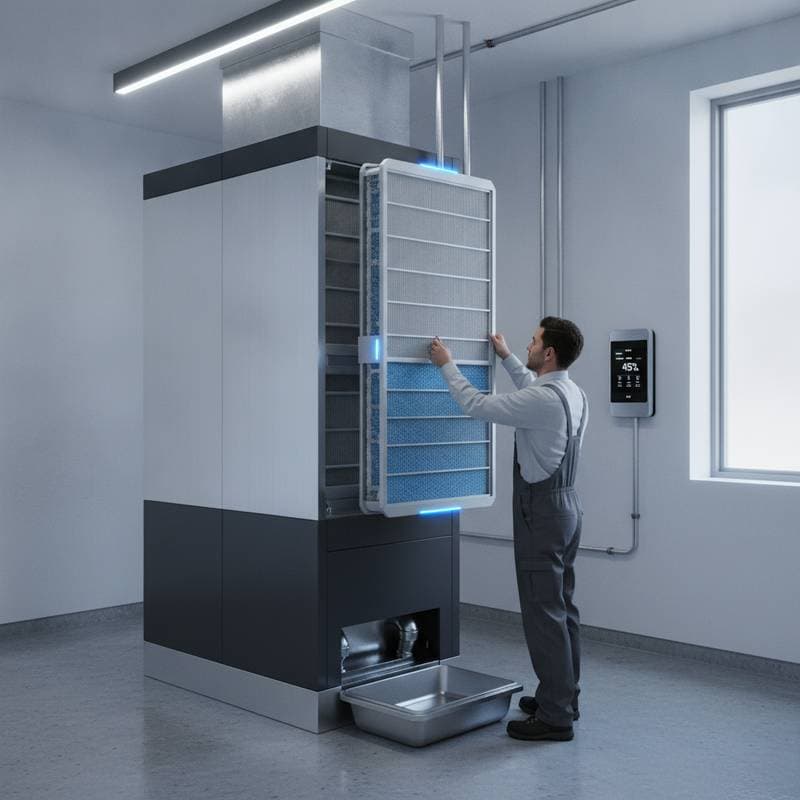
- Check air filters regularly: Restricted airflow from dirty filters diminishes performance. Replace filters every one to three months based on usage.
- Use a smart thermostat: Advanced models refine transitions between heat sources using current data, enhancing overall efficiency.
- Seal ducts and insulation: Leaks in ductwork or poor insulation waste energy. Addressing these issues boosts efficiency by up to 20 percent.
Combine routine checks with expert evaluations to safeguard the system and prevent disruptions.
Practical Considerations Before You Invest
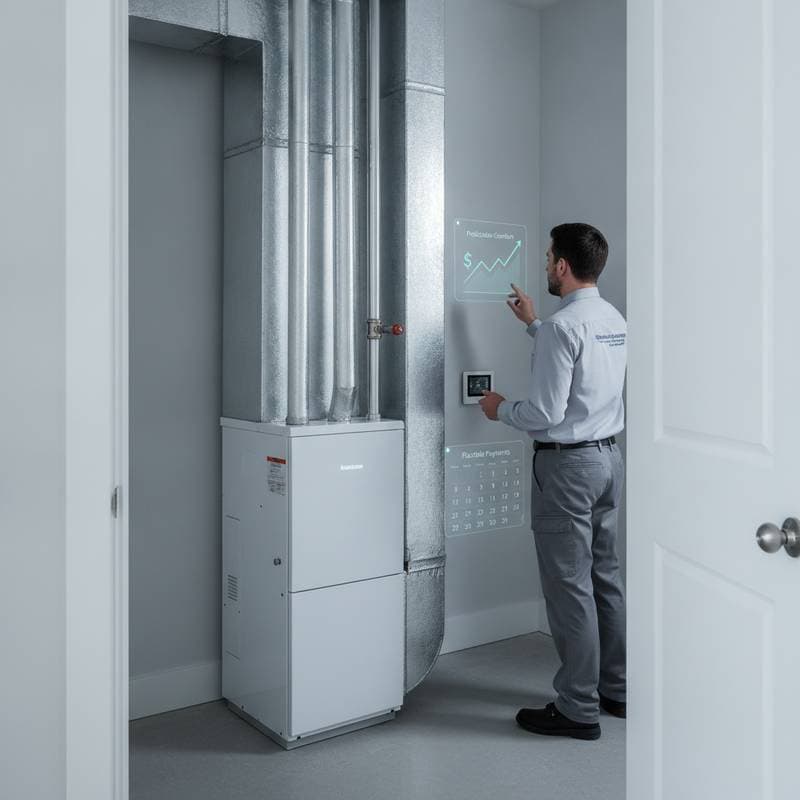
Installation costs for dual-fuel HVAC systems range from $6,000 to $12,000, influenced by unit capacity, manufacturer, and integration requirements. Although initial outlay exceeds that of single-source units, payback through savings occurs within several years.
Evaluate regional factors such as electricity rates and winter severity. In mild areas with affordable power, the heat pump dominates usage. Harsher climates with elevated electric costs favor greater furnace reliance. Success depends on precise balance point settings and appropriate sizing for home structure and insulation.
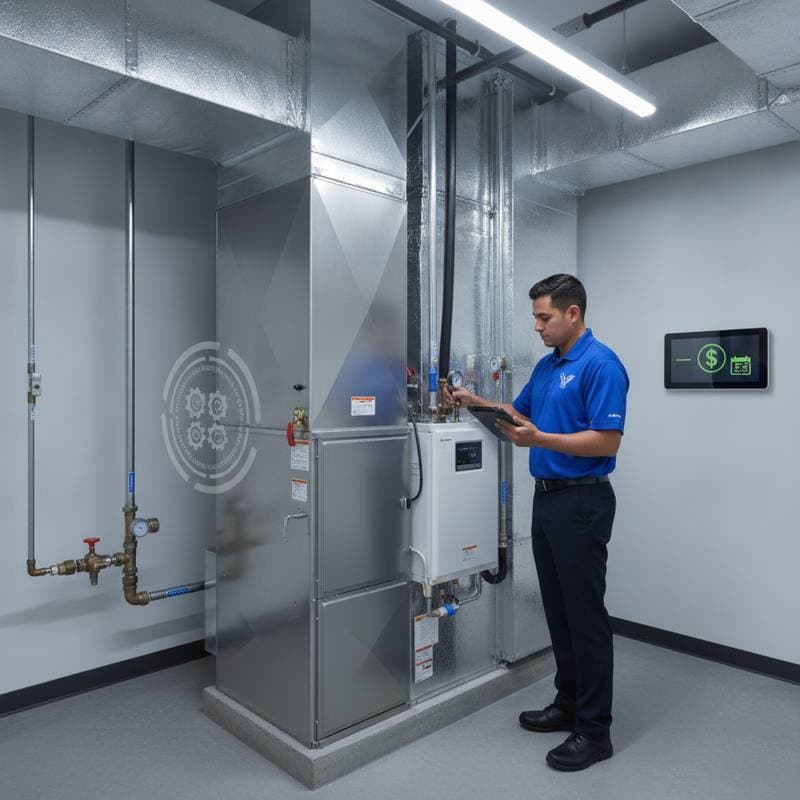
Engage a certified HVAC specialist experienced in dual-fuel installations. Such professionals assess ductwork compatibility, ensure gas line integrity, and secure necessary approvals.
Achieve Reliable Heating with Dual-Fuel Upgrades
Imagine entering a consistently warm home on a chilly day, free from concerns over excessive energy use. Dual-fuel systems realize this scenario through adaptive operation and reduced operational demands.
Consult a qualified HVAC provider for personalized guidance and estimates. This upgrade positions homeowners for enduring efficiency and comfort.
Frequently Asked Questions
What is the balance point in a dual-fuel system?
The balance point represents the outdoor temperature where the system switches from heat pump to gas furnace operation, usually set between 25 and 35 degrees Fahrenheit, adjustable for local needs.
How much can dual-fuel systems save on energy bills?
Savings average 30 percent on heating costs compared to single-fuel alternatives, varying by climate, utility rates, and system efficiency.
Are dual-fuel systems compatible with existing homes?
Most installations integrate with current ductwork, though assessments confirm compatibility and may require modifications for optimal performance.
What maintenance do dual-fuel systems require?
Biannual professional tune-ups, monthly filter changes, and annual duct inspections maintain efficiency and reliability.