Dual-Fuel Systems Cut Heating Bills by 50%
Homeowners often encounter rising heating expenses during winter months when a single heating source struggles to maintain efficiency. Dual fuel systems address this issue by combining an electric heat pump with a gas furnace. The hybrid setup automatically selects the optimal energy source based on outdoor conditions.
Why Homeowners Choose Dual-Fuel Heating
Single source systems frequently fall short in variable climates. Heat pumps operate efficiently in moderate weather yet lose performance in extreme cold. Gas furnaces consume substantial fuel during temperature drops. Dual fuel configurations resolve these limitations through integrated operation.
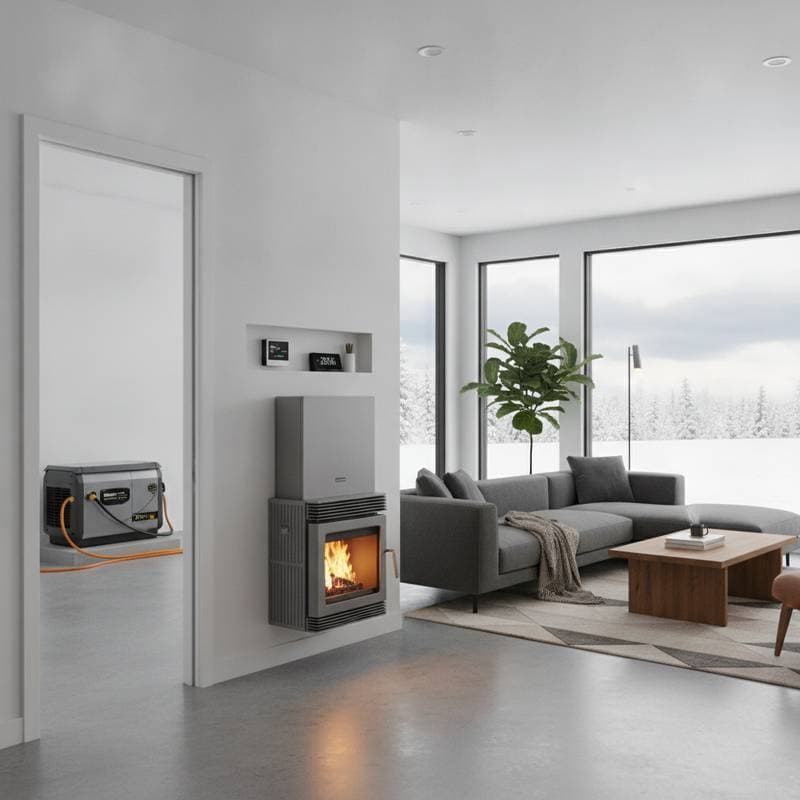
The heat pump manages milder periods by extracting warmth from outdoor air. Once temperatures fall below a programmed threshold the furnace activates to deliver higher output. This automatic transition maintains consistent indoor temperatures while optimizing resource use.
How Dual-Fuel Systems Reduce Heating Expenses
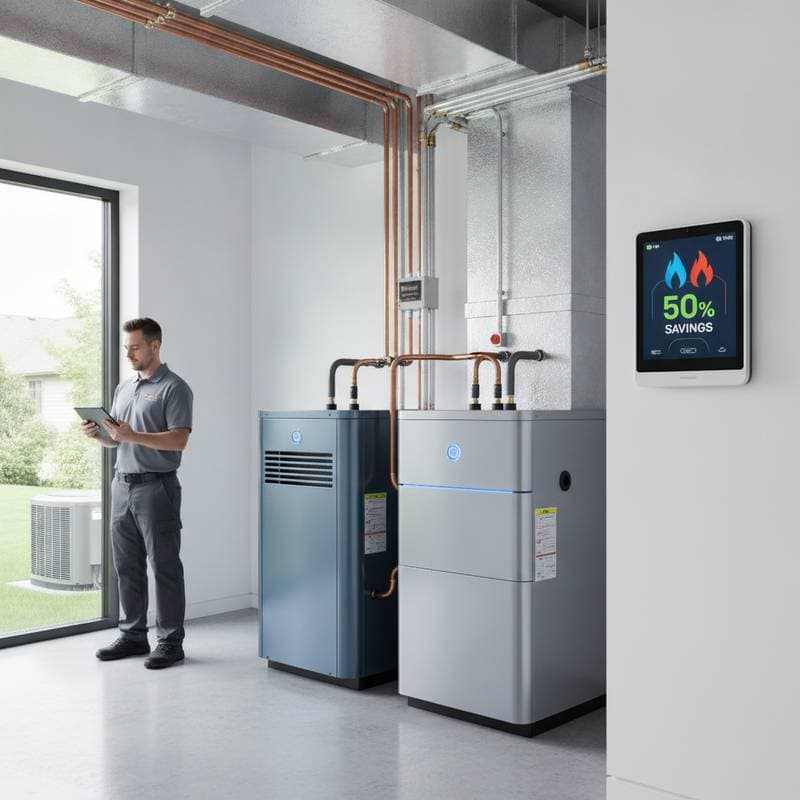
Operating costs decrease substantially with dual fuel technology. The system prioritizes electricity during periods of lower demand and switches to gas only when required. Homeowners commonly achieve savings between 40 and 50 percent relative to conventional single source equipment.
Savings result from several factors. The controls evaluate real time temperature data to select the lower cost option. Furnace runtime decreases which extends equipment durability and reduces fuel consumption. Dual fuel units also deliver improved Seasonal Energy Efficiency Ratio and Annual Fuel Utilization Efficiency ratings.
Consistent performance eliminates abrupt temperature fluctuations that occur with single source systems. Proper installation allows the equipment to exceed the results of either component operating independently.
Additional Benefits of Dual-Fuel Systems
Dual fuel technology provides advantages that extend past cost reduction. The heat pump reverses operation during summer months to supply cooling. Reliance on electricity for extended periods lowers overall fossil fuel consumption. Heat pumps generate less noise than furnaces during typical cycles. Alternating use between components decreases wear on individual parts.
Steps for Selecting and Maintaining a Dual-Fuel System
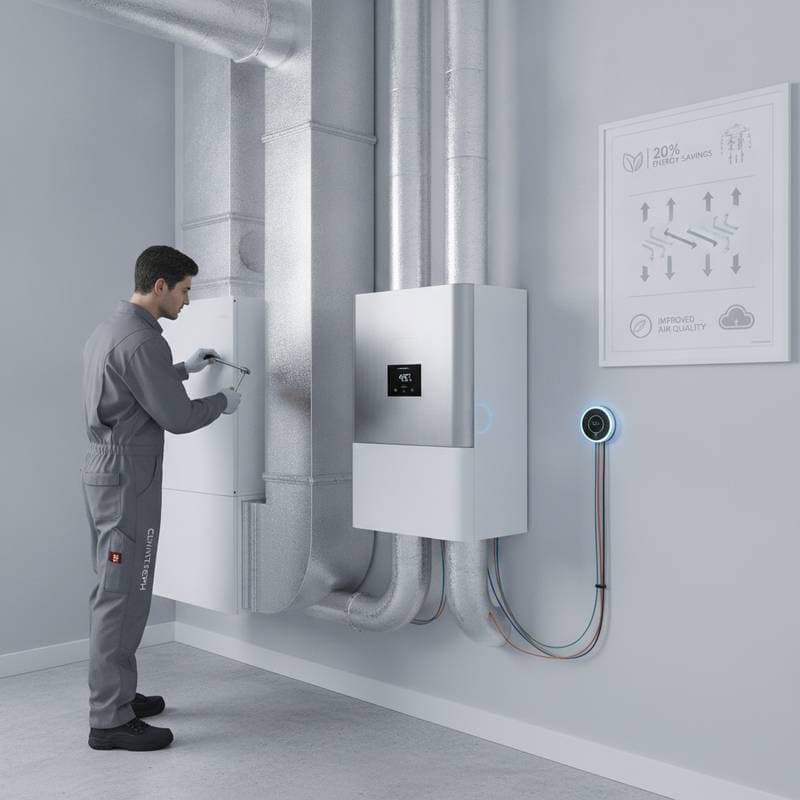
Successful installation begins with a professional load calculation. The assessment reviews insulation levels, home layout, and regional climate conditions to determine correct equipment capacity.
Homeowners should select heat pumps with Seasonal Energy Efficiency Ratio ratings above 16 and Heating Seasonal Performance Factor ratings above 9. Integration of smart thermostats enables automatic mode switching based on current conditions. Annual professional inspections preserve efficiency and can reduce energy costs by 10 to 15 percent.
Gas furnace components require inspection by licensed technicians to address any ventilation or safety concerns.
Investment and Practical Factors
Initial costs for dual fuel systems range from 6000 to 12000 dollars depending on equipment specifications and installation requirements. Many homeowners recover this investment within five to seven years through reduced utility expenses and lower maintenance demands.
Utility rebates frequently apply to high efficiency hybrid installations. Installers must obtain all necessary permits to satisfy local regulations. With routine care these systems maintain performance for 15 to 20 years.
Compatibility checks with existing ductwork and electrical service ensure optimal function from the start.
Exploring Dual-Fuel Options for Your Home
Dual fuel systems adapt to changing weather patterns and deliver reliable indoor comfort. Homeowners gain stable temperatures alongside measurable reductions in energy use. Consultation with a qualified HVAC professional provides guidance on system selection and installation.