The Emergence of Dual-Fuel HVAC in 2025
Homeowners often face the challenge of balancing seasonal comfort with rising energy expenses. Harsh winters drive up heating costs, while summers inflate cooling bills. Dual-fuel HVAC systems address this issue by integrating electric heat pumps and gas furnaces, selecting the optimal energy source based on weather conditions. This approach delivers consistent comfort, reduces expenses, and aligns with contemporary sustainability objectives.
Increasing Adoption of Hybrid Solutions
In areas with moderate winters and warm summers, dual-fuel systems gain popularity. These setups merge the steady performance of gas furnaces with the energy-saving capabilities of electric heat pumps. The heat pump manages heating and cooling in temperate conditions, while the furnace activates during extreme cold. This integration ensures reliable operation and efficiency tailored to regional climates.
Field experience demonstrates that such systems surpass conventional alternatives in performance and economy. Many users report reductions in energy bills by as much as 25 percent compared to prior configurations.
Reasons for Adopting Dual-Fuel Technology
Navigating Energy Expenses and Weather Variations
Regions with variable temperatures present unique heating challenges. A sudden freeze can overload electric systems, resulting in elevated utility charges. Exclusive dependence on gas leads to inefficiency in milder periods. Dual-fuel configurations resolve this by employing a control board that tracks outdoor temperatures and selects the most economical option.
Efficiency metrics indicate that heat pumps produce up to three units of heat for every unit of electricity consumed. In moderate conditions, this outperforms gas usage. Below a typical threshold of 32 degrees Fahrenheit, the furnace engages to deliver warmth without overburdening the heat pump.
Environmental Considerations Influencing Decisions
Heightened focus on carbon emissions prompts many to seek reduced-impact solutions. Full electric adoption raises concerns about performance in cold weather. Dual-fuel systems provide a balanced pathway, prioritizing electricity for routine operations and reserving gas for necessities. This method diminishes overall emissions while preserving reliability, making it suitable for gradual shifts toward sustainable practices.
Operational Principles of Dual-Fuel Systems
Dual-fuel HVAC comprises two primary elements:
- Electric Heat Pump: This component manages cooling and moderate heating by transferring ambient heat, achieving high efficiency in suitable temperatures.
- Gas Furnace: It activates in severe cold to generate heat directly.
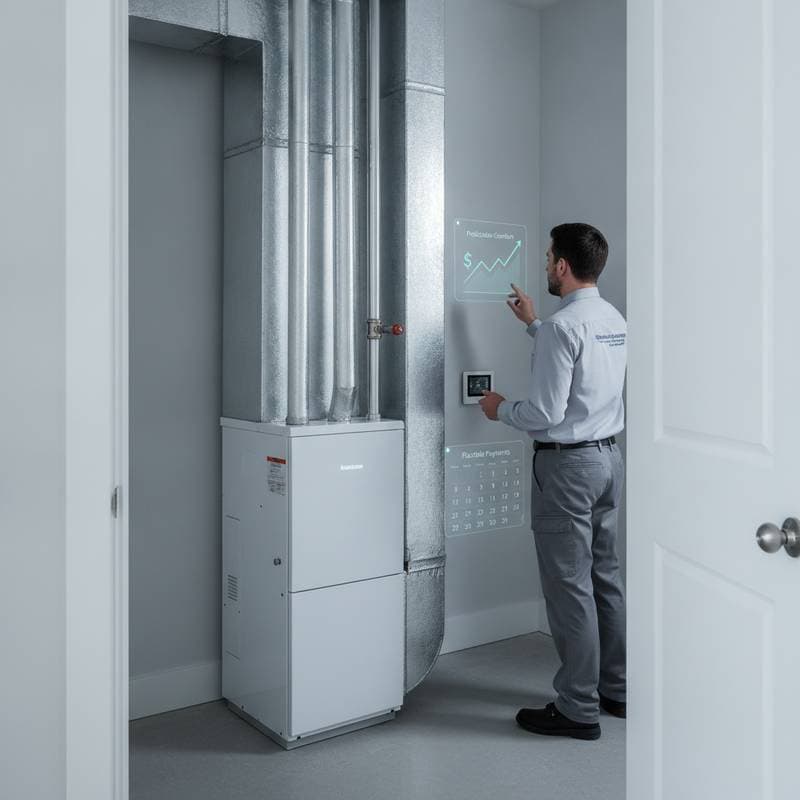
Both share an air handler and duct network, overseen by a control board that orchestrates seamless transitions. The system operates without user intervention, akin to an advanced thermostat that prioritizes efficiency and comfort.
Strategies for Maximizing System Durability
To sustain optimal function:
- Arrange biannual professional inspections, timed for seasonal transitions.
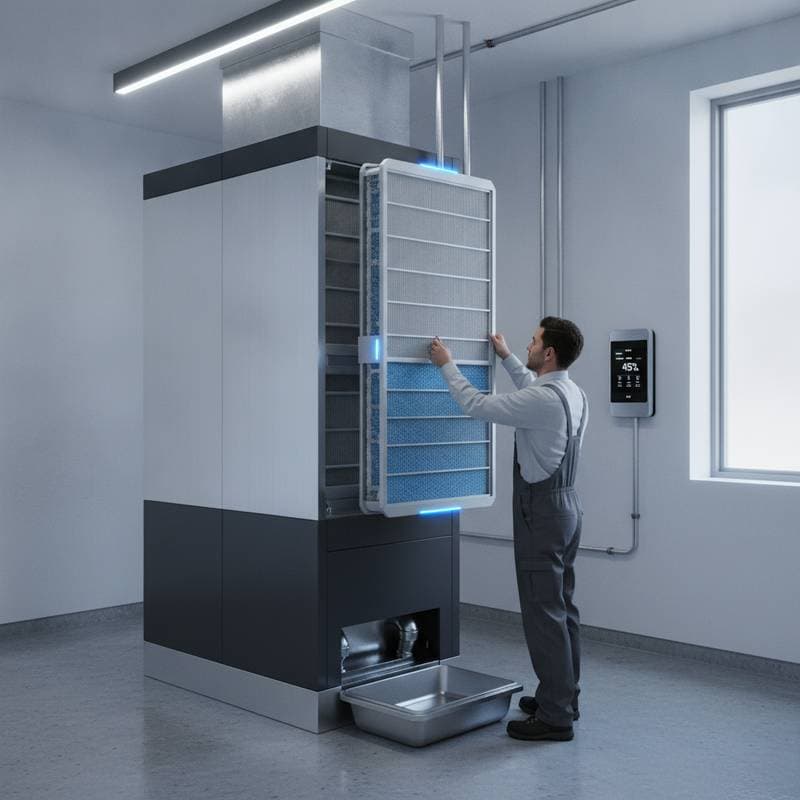
- Exchange air filters monthly to every three months to support unrestricted airflow.
- Clear outdoor units of obstructions, including debris, snow, or plants.
- Verify thermostat accuracy to facilitate precise fuel switching.
Such practices prolong equipment life and uphold efficiency levels.
Benefits of Dual-Fuel Implementation
Enhanced Efficiency and Financial Advantages
Flexibility defines the primary benefit. Heat pumps excel in transitional seasons without gas consumption. In intense cold, the furnace prevents inefficient electricity use. This dynamic allocation yields savings of up to 30 percent in heating expenses within diverse climates.
Uniform Temperature Regulation
These systems deliver stable indoor climates, minimizing cycles and temperature swings. Residents experience consistent warmth throughout the space, avoiding the inconsistencies common in single-fuel designs.
Durability and Dependability
Workload distribution between components reduces strain, extending service life and decreasing failure risks during peak seasons.
Sustainable Performance
Prioritizing electric operation for much of the year curtails fossil fuel reliance, fostering environmentally conscious energy management without compromising heating reliability.
Potential Drawbacks and Evaluation Factors
Dual-fuel systems present notable advantages, yet suitability varies. Consider these aspects prior to installation.
Upfront Expenses and Return Expectations
Initial costs range from $6,000 to $12,000, influenced by home dimensions and current setup. Rebates and incentives often mitigate expenses. Bill reductions typically recoup investments in five to eight years. Consult a local specialist familiar with regional rates and conditions for personalized guidance.
Technical Intricacies
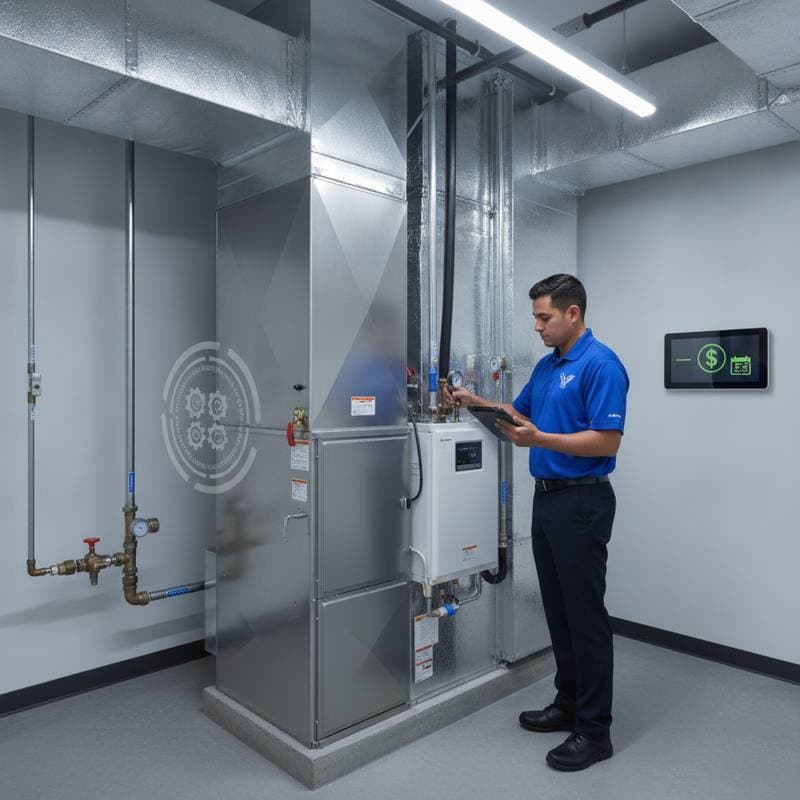
Integrating dual sources demands expertise in both heat pump and furnace servicing. Select providers versed in hybrid diagnostics to guarantee effective maintenance.
Regional Energy Dynamics
Volatile gas prices relative to electricity necessitate comparison. Optimal performance hinges on balanced local utilities.
Guidelines for Choosing an Appropriate Dual-Fuel System
1. Analyze Local Climate Patterns
These systems thrive in zones with moderate winters and humid summers. Extended subfreezing periods increase furnace reliance, yet benefits persist. Milder areas maximize heat pump utilization for superior savings.
2. Review Utility Rates
Examine gas versus electric pricing. Customize control settings to favor cost-effective sources, such as electricity during low-demand periods.
3. Engage Certified Professionals
Accurate sizing and integration require skilled assessment. Professionals calculate loads to harmonize components, preventing inefficiencies.
4. Incorporate Intelligent Controls
Smart thermostats enable remote monitoring, customized switching, and usage analytics. Adaptive models refine operations based on habits.
5. Establish Maintenance Protocols
Allocate funds for seasonal servicing, approximately $150 to $300 annually. Routine care averts most issues and sustains warranties.
Real-World Applications
Practical installations highlight effectiveness for variable demands. A Midwest resident previously dependent on propane saw winter costs decline by one-third post-conversion, eliminating supply anxieties.
In a coastal setting with persistent dampness, an upgraded hybrid outperformed an aging electric unit, employing the heat pump predominantly and gas sparingly for enhanced comfort.
Advancing Toward Implementation
Adopting dual-fuel HVAC represents a forward-thinking commitment to efficiency and environmental responsibility. Collaborate with experts to customize installations for specific home attributes and climates. Consistent upkeep ensures sustained performance and savings. Contact certified technicians via trusted networks for tailored assessments and installations aligned with your objectives.
Frequently Asked Questions
Q: In what ways does a dual-fuel HVAC system differ from a conventional heat pump?
A: Conventional heat pumps depend entirely on electricity for all functions. Dual-fuel variants incorporate a gas furnace, engaging it automatically when electric efficiency wanes in low temperatures.
Q: What duration should one anticipate for installation?
A: Projects generally span one to three days, contingent on duct modifications or utility connections. Contractors furnish precise timelines following site evaluations.
Q: Is retrofitting possible for existing infrastructure?
A: Affirmative in numerous scenarios. Compatible furnaces and ducts permit heat pump additions. Assessments identify required adaptations.