Understanding Dual-Fuel HVAC Systems for Efficient Heating
Homeowners increasingly select dual-fuel HVAC systems to achieve superior efficiency and reduced heating expenses. These hybrid setups merge the dependable performance of a gas furnace with the energy-saving capabilities of an electric heat pump. The systems switch automatically between the two components to provide steady comfort while minimizing operational costs.
Such integration allows the heat pump to manage both heating and cooling duties during moderate weather conditions. When temperatures fall significantly, the gas furnace activates to maintain effectiveness. This approach ensures reliable performance without unnecessary energy consumption.
Defining Dual-Fuel HVAC Systems
A dual-fuel system, also known as a hybrid heating system, operates using both electricity and natural gas or propane as fuel sources. The electric heat pump performs primary heating and cooling tasks for much of the year, extracting warmth from outdoor air even in cooler conditions. However, in extreme cold, the heat pump's efficiency diminishes, prompting the gas furnace to engage for robust heating.
Integrated sensors monitor outdoor temperatures and system performance to trigger switches seamlessly. Homeowners experience no need for manual interventions, resulting in an automated process that prioritizes energy conservation. This design promotes consistent indoor temperatures and reduces overall energy demands.
To illustrate the operational balance, consider a typical winter day. The heat pump suffices until temperatures drop below 30 degrees Fahrenheit, at which point the furnace assumes control. This threshold varies by model and regional climate, but the goal remains optimal energy use at all times.
Installation Costs for Dual-Fuel HVAC Systems
Homeowners typically invest between $6,000 and $12,000 for a full dual-fuel HVAC installation. This range accounts for variations in system capacity, efficiency levels, and regional labor rates. Factors such as home size and existing infrastructure further influence the total expenditure.
The following table outlines average costs by system category:
| System Type | Average Cost Range |
|---|---|
| Basic dual-fuel system | $6,000 to $8,500 |
| Mid-range hybrid system | $8,500 to $10,500 |
| High-efficiency variable-speed system | $10,500 to $12,000 |
| Conversion from existing system | $3,000 to $6,000 |
| Ductwork replacement (if needed) | $2,000 to $5,000 |
Additional cost metrics include:
| Metric | Amount |
|---|---|
| National average cost | $9,000 |
| Minimum cost | $3,000 |
| Maximum cost | $12,000 |
| Average cost range | $6,000 to $10,000 |
These figures derive from industry research and reported project expenses.
Factors Influencing Dual-Fuel HVAC Expenses
System size plays a primary role in determining costs, as larger residences demand greater capacity units that elevate both material and installation prices. Efficiency ratings, measured by Seasonal Energy Efficiency Ratio (SEER) for cooling and Heating Seasonal Performance Factor (HSPF) for heating, also affect upfront investments. Higher-rated models, such as those exceeding 16 SEER, promise long-term savings through reduced electricity consumption.
Fuel type impacts ongoing operations more than initial costs. Natural gas connections prove more economical in areas with pipeline access, whereas propane suits rural locations but incurs higher fuel prices. Labor demands rise in homes lacking ductwork or facing installation challenges, such as tight crawl spaces, potentially adding thousands to the bill.
Brand reputation and advanced features contribute to price variations. Systems from established manufacturers with variable-speed compressors or Wi-Fi-enabled thermostats offer precise control but command premiums. Finally, regional climate influences design choices; northern areas emphasize durable furnaces, while milder zones prioritize heat pump enhancements.
Advantages of Hybrid Heating Systems
Dual-fuel systems excel in energy efficiency by selecting the most economical power source according to external conditions. This automatic selection prevents reliance on the less efficient option during suboptimal weather, leading to noticeable reductions in utility statements.
Comfort levels improve through even heat distribution, eliminating the cold spots common in single-fuel setups. Environmentally, these systems curb carbon emissions by optimizing fuel use and integrating renewable-compatible heat pumps. Equipment longevity extends as neither component operates at full capacity year-round, distributing wear evenly.
Homeowners report up to 30 percent savings on heating bills compared to traditional furnaces alone. In regions with fluctuating energy prices, the flexibility of dual sources provides financial stability. Overall, hybrid systems align comfort with sustainability goals effectively.
Essential Maintenance Practices
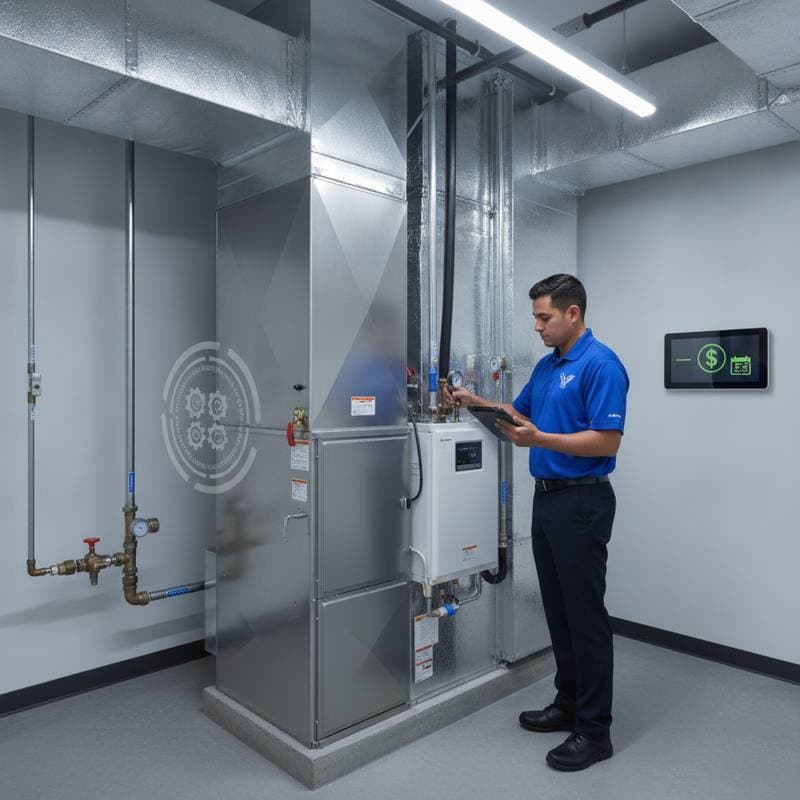
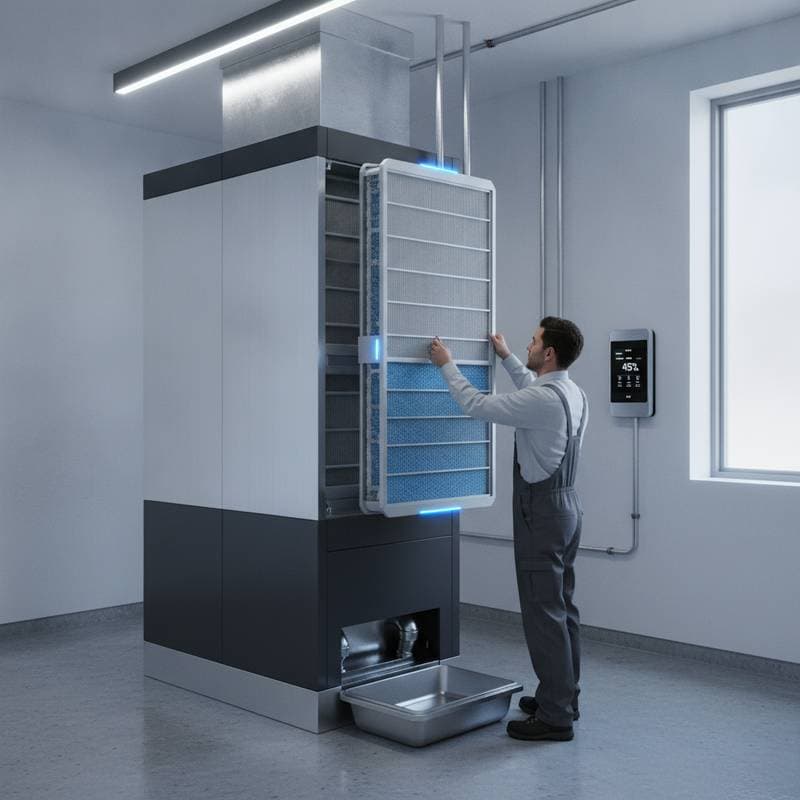
Professional servicing twice annually ensures peak performance, with inspections before heating and cooling seasons. Technicians check refrigerant levels, electrical connections, and burner functionality to preempt issues. Homeowners handle basic tasks, such as replacing air filters every one to three months to maintain airflow.
Cleaning outdoor coils annually removes debris that hampers heat exchange. Verify thermostat calibration to align with seasonal requirements, ensuring accurate temperature readings. These steps preserve warranty validity and avert breakdowns that could exceed $1,000 in repairs.
Incorporate annual combustion analysis for the gas furnace to confirm safe operation and efficiency. Monitor for unusual noises or odors, addressing them promptly through certified service. Consistent care translates to reliable operation and sustained savings.
Evaluating Repairs Versus Replacement
Assess current equipment age and repair history when considering upgrades. Systems over 10 to 15 years old often lose efficiency, making frequent fixes uneconomical. Calculate repair costs against projected dual-fuel savings, which can recoup investments in three to seven years.
For instance, a $2,000 furnace repair on an aging unit may delay but not eliminate replacement needs. Dual-fuel installations qualify for tax credits under energy efficiency programs, tipping the scales toward modernization. Consult professionals for personalized cost-benefit analyses.
Strategies to Lower Installation Expenses
Explore rebates from utility providers or federal incentives for high-efficiency installations, potentially offsetting 10 to 30 percent of costs. Obtain quotes from at least three contractors to identify competitive pricing and comprehensive services.
Time installations for spring or fall, when demand dips and discounts emerge. Combine HVAC work with other renovations, like attic insulation, to share labor expenses. Select appropriately sized units via professional load calculations to prevent overspending on excess capacity.
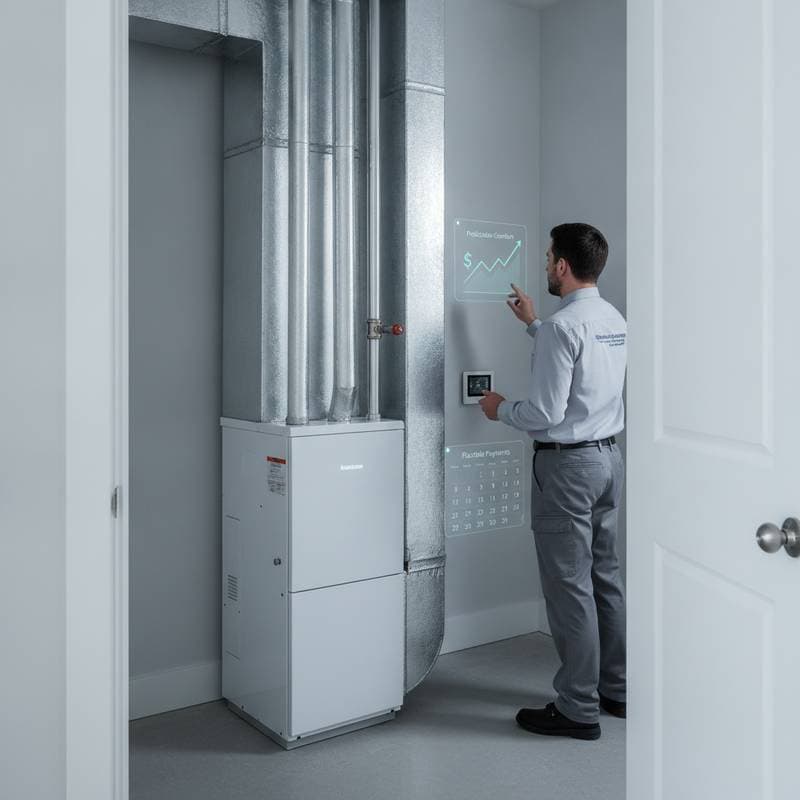
Financing options through manufacturers or local programs ease upfront burdens, with low-interest loans spreading payments. Prioritize energy audits beforehand to justify system specifications and maximize returns.
Selecting Reliable HVAC Contractors
Choose contractors licensed in your state and experienced with dual-fuel installations. Certifications from NATE indicate expertise in complex hybrid setups. Request itemized estimates detailing parts, labor, and timelines to facilitate comparisons.
Inquire about warranties, typically 10 years on compressors and five on parts, plus labor guarantees. Review energy performance certifications like ENERGY STAR to ensure compliance with efficiency standards. Discuss financing and post-installation support to confirm a complete package.
Verify references and insurance coverage to protect against liabilities. A reputable partner guides selections based on home assessments, ensuring optimal system fit.
Embracing Hybrid Heating for Lasting Efficiency
Dual-fuel HVAC systems offer a strategic blend of technologies for dependable, cost-effective climate control. By leveraging both gas and electric strengths, these setups provide tailored solutions that enhance home value and environmental responsibility. Invest in one to experience sustained comfort and financial benefits year after year.