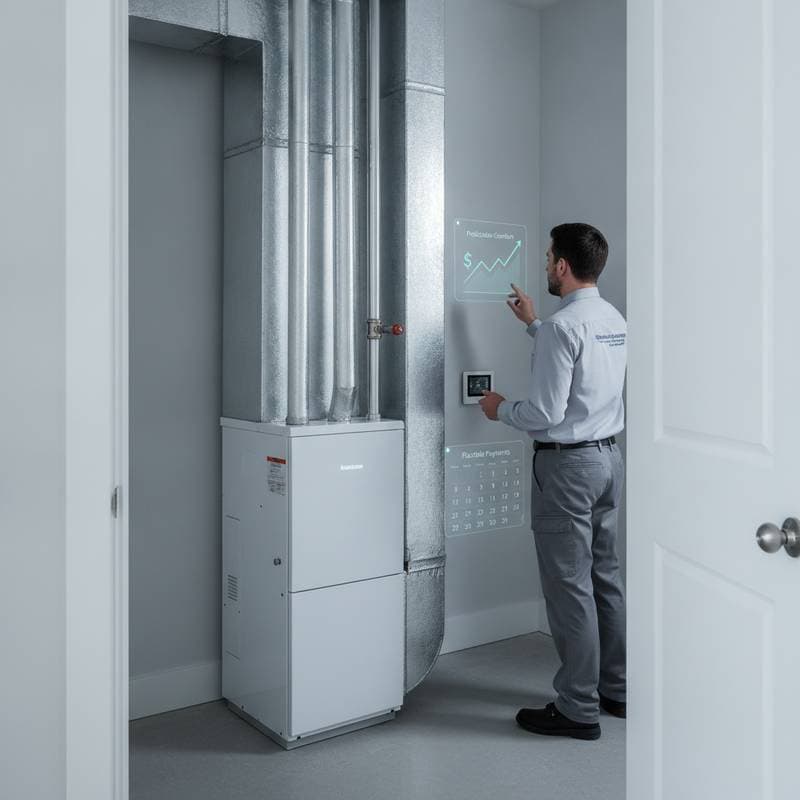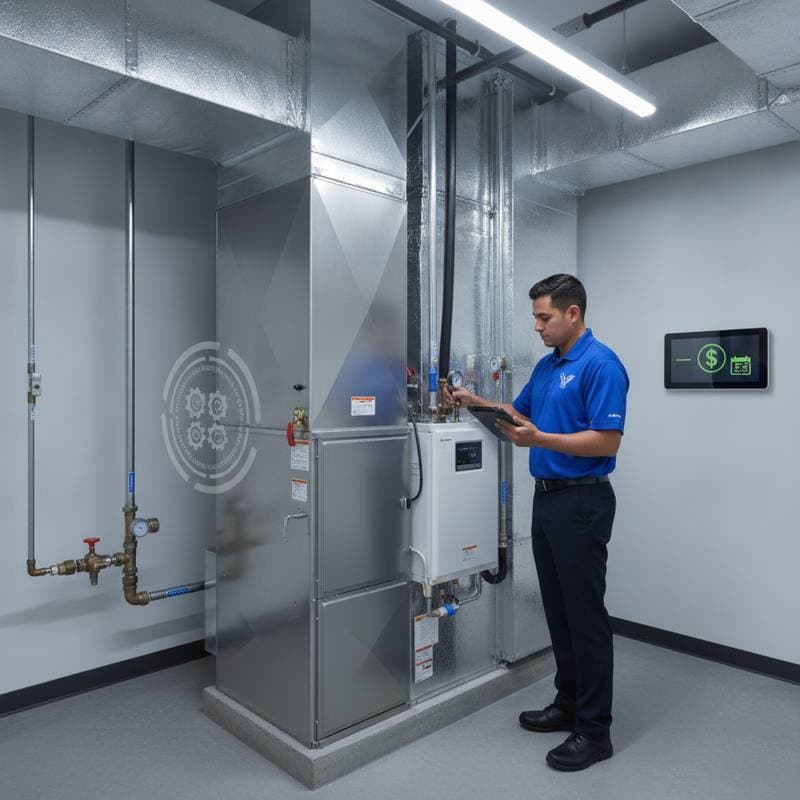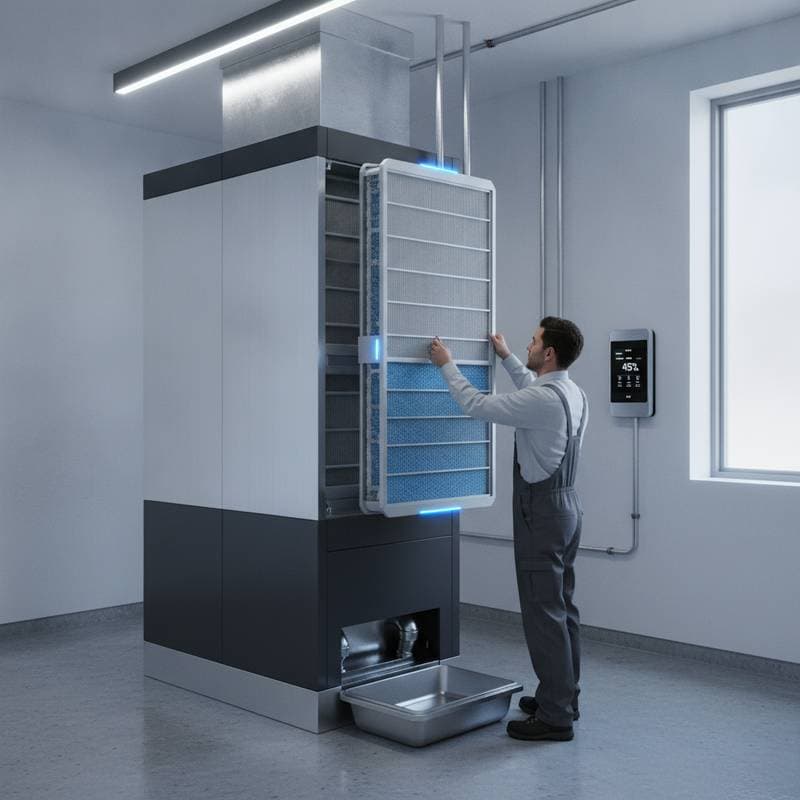
The Shift to Monthly HVAC Plans: What It Means
As an HVAC professional, I have observed numerous homeowners grappling with a common challenge. They desire reliable performance from their heating and cooling systems, yet unexpected repairs disrupt budgets and cause inconvenience. Imagine the peak of summer heat when the air conditioner fails; a service call ensues, the expense arrives, and thoughts turn to more reliable planning options. Monthly HVAC plans address this need effectively.
Why Monthly HVAC Plans Are Gaining Momentum
Homeowners in various communities increasingly adopt monthly HVAC maintenance plans, also known as service memberships. These programs combine regular tune-ups, priority service appointments, and reduced repair rates into a fixed monthly fee. Based on extensive field experience, this trend stems from escalating energy prices, more intricate system designs, and greater emphasis on preventive measures.
Consider the financial aspect: a typical emergency repair might cost as much as multiple months of plan fees. Regular maintenance significantly reduces breakdown risks, particularly during intense seasonal demands.
The Problem Homeowners Face Without Routine Maintenance
Homes with aging ductwork or inadequate insulation often encounter avoidable performance declines. Accumulated dust, refrigerant leaks, or deteriorated blower components gradually erode efficiency. Data from energy organizations indicate that unmaintained systems may forfeit up to 25 percent of their initial efficiency over time.
Signs of neglect include inconsistent temperatures, elevated utility statements, and humidity imbalances that compromise air quality. These indicators reveal excessive system strain. Failures typically emerge at inopportune times, amplifying frustration and costs.
How Monthly HVAC Memberships Work
Monthly HVAC plans offer straightforward yet comprehensive coverage. Participants pay a modest fee each month for year-round essential services, avoiding large outlays for urgent fixes. Standard inclusions encompass:
- Seasonal Tune-Ups: Biannual inspections, one prior to cooling season and one before heating, to optimize operation.
- Priority Scheduling: Expedited service for members during system issues.
- Discounted Repairs: Reductions of 10 to 20 percent on parts and labor.
- System Documentation: Ongoing records of equipment condition to predict and prevent major failures.
This framework establishes consistent care, maintains high efficiency levels, and provides reassurance against overlooked problems.
Expert Tips to Maximize the Value of a Monthly Plan
To optimize a HVAC membership, implement these strategies recommended to clients:
- Select a Reputable Provider: Prioritize companies with certified technicians who provide detailed visit reports and clear explanations.
- Clarify Inclusions: Confirm specifics, such as whether filter replacements or inspections alone are covered, to avoid unexpected charges.
- Maintain Personal Records: Log service dates and observations to support warranty claims and enhance property value.
- Integrate Smart Upgrades: Combine routine care with additions like programmable thermostats or enhanced insulation for greater overall gains.
View the membership as a proactive investment in home comfort and fiscal security, beyond mere routine servicing.
Practical Considerations Before Enrolling
Evaluate several factors prior to joining a monthly HVAC plan. Fees typically range from $15 to $40 monthly, varying by system size and service scope. This expense pales against average emergency repair bills exceeding $350, yielding net savings annually.
Assess your home's environment: coastal properties contend with salt-induced corrosion, while inland areas battle dust buildup. Inquire how the provider customizes maintenance for local conditions to ensure relevance.
Safety remains paramount. Trained experts manage refrigerants, electrical diagnostics, and carbon monoxide detection, tasks unsuitable for self-attempts. Such protocols safeguard equipment and household health.
Confirm compliance with local regulations. Established providers secure required permits and adhere to efficiency guidelines, fostering reliable collaboration.
Long-Term Benefits for Comfort and Savings
A monthly maintenance plan extends beyond immediate relief, prolonging system longevity, enhancing air purity, and curbing energy waste. Routine adjustments can reduce utility costs by 10 to 15 percent, accumulating substantial savings over time.
Professionals emphasize that prevention surpasses reaction. Early detection averts expensive disruptions and sustains consistent performance. The steady billing structure aids financial planning by distributing seasonal costs evenly.
Building Reliable Home Comfort
For systems showing unreliability, monthly plans provide essential structure, cost control, and dependability. Success depends on partnering with a local expert attuned to regional climate challenges.
Contact qualified HVAC specialists via our platform for a complimentary assessment. These professionals understand local conditions and tailor solutions to your needs. Enrolling in a plan establishes enduring efficiency and peace of mind.
Frequently Asked Questions
Q: How often should your HVAC system be serviced under a monthly plan?
A: Most plans feature two comprehensive tune-ups annually, timed before cooling and heating seasons. This regimen averts approximately 80 percent of typical failures.