2026 HVAC Codes Require Whole-Home Humidity Control
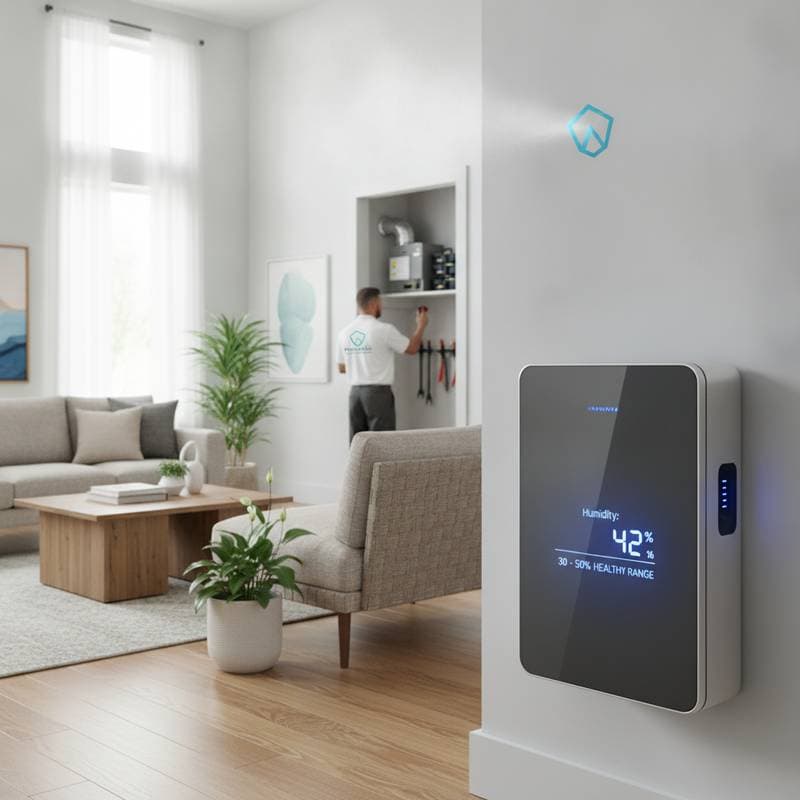
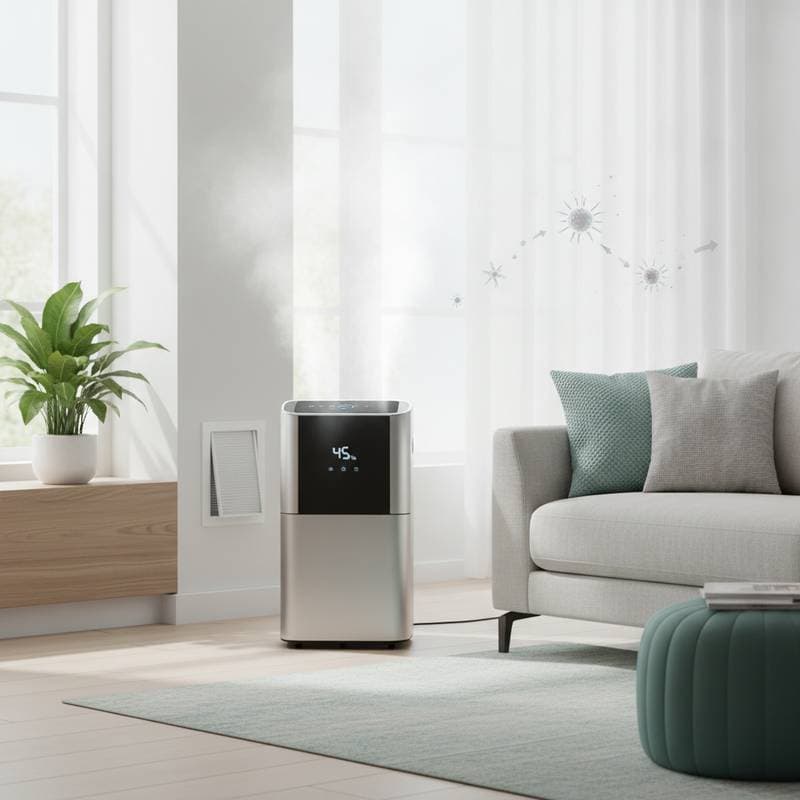
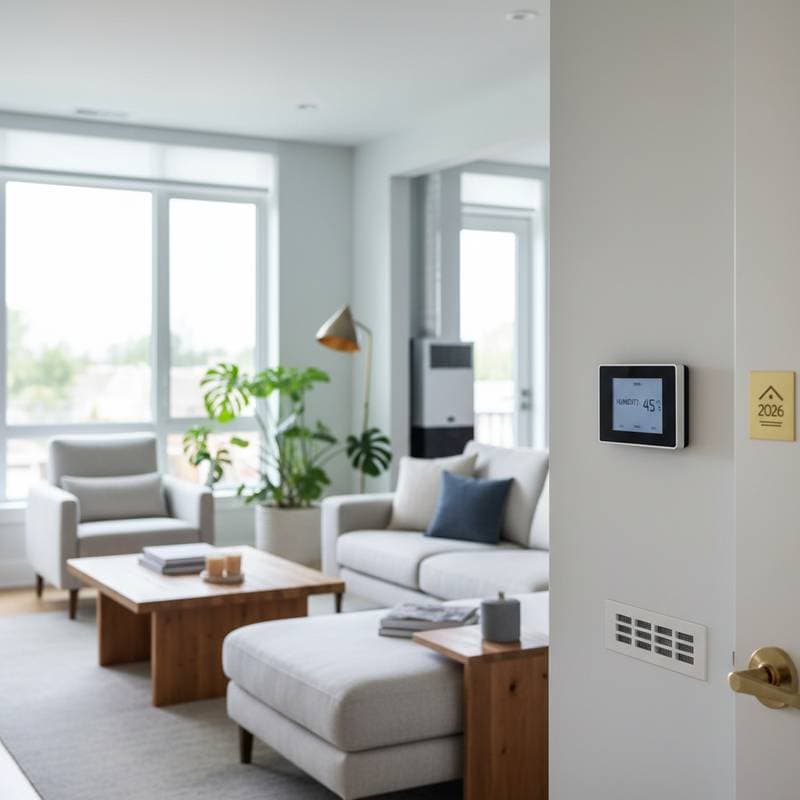
Homeowners face new requirements for whole-home humidity control under the 2026 HVAC codes. These standards address energy efficiency, occupant health, and consistent indoor air quality. Humidity levels between 30 and 50 percent reduce mold growth, limit dust mites, and prevent dryness in skin and furnishings.
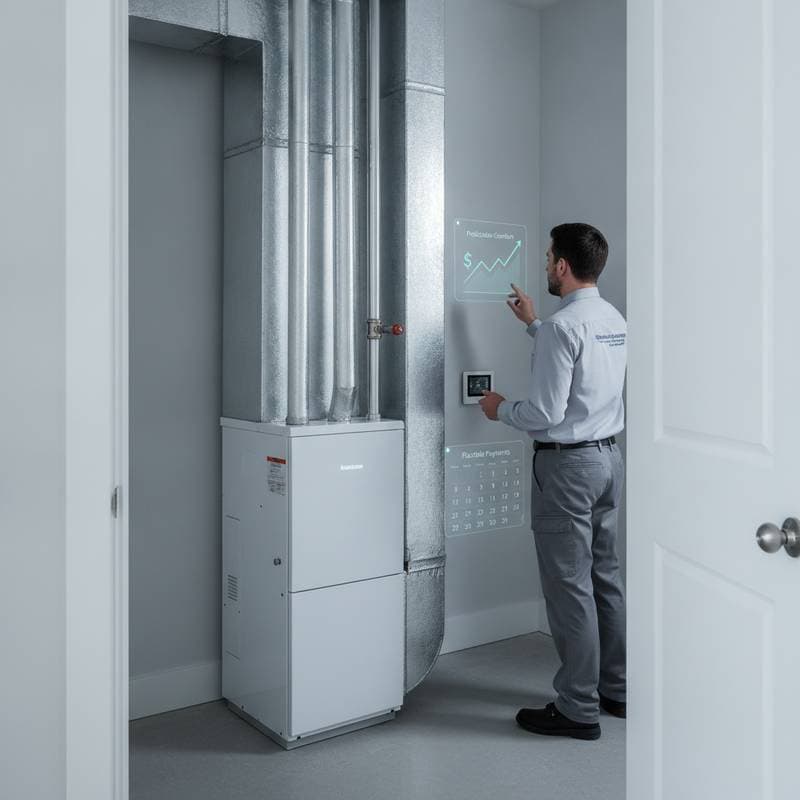
Installation costs typically range from 2000 dollars to 6000 dollars. Retrofit projects often fall between 1200 dollars and 3500 dollars. Annual maintenance adds 150 dollars to 500 dollars.
Cost Overview of Whole-Home Humidity Control
| Service Type | Average Cost |
|---|---|
| Whole-home humidifier installation | 2000 to 4500 dollars |
| Whole-home dehumidifier installation | 2500 to 6000 dollars |
| Retrofit humidity control add-on | 1200 to 3500 dollars |
| Smart humidity control system integration | 3000 to 5500 dollars |
| Annual maintenance and calibration | 150 to 500 dollars |
| Metric | Amount |
|---|---|
| National average cost | 3800 dollars |
| Minimum cost | 1200 dollars |
| Maximum cost | 6000 dollars |
| Average cost range | 2000 to 5000 dollars |
Cost figures reflect reported project data and industry research.
Reasons for the Code Updates
Updated building codes emphasize that temperature control alone does not ensure comfort. Excess moisture promotes biological growth. Insufficient moisture damages wood and increases static. Integrated humidity management therefore becomes mandatory for new installations and major renovations.
Existing systems without this capability require evaluation for upgrades. Compliance improves long-term efficiency and property value.
Detailed Cost Breakdowns
By System Type
| System Type | Typical Cost Range |
|---|---|
| Central HVAC with integrated humidity control | 4000 to 6000 dollars |
| Add-on dehumidifier or humidifier | 1500 to 3500 dollars |
| Smart thermostat with humidity sensors | 300 to 800 dollars |
| Zoning or duct upgrades for humidity balance | 700 to 2000 dollars |
Labor Versus Materials
| Component | Average Cost |
|---|---|
| Labor (installation and setup) | 800 to 2000 dollars |
| Equipment and materials | 1500 to 4000 dollars |
| Testing, calibration, and inspection | 100 to 400 dollars |
Labor costs rise when duct modifications or electrical work become necessary.
By Home Size
| Home Size | Average Cost |
|---|---|
| Under 1500 sq. ft. | 1500 to 3000 dollars |
| 1500 to 2500 sq. ft. | 2500 to 4500 dollars |
| Over 2500 sq. ft. | 3500 to 6000 dollars |
Larger homes frequently require higher-capacity units or multiple zones.
Factors That Influence Total Cost
- System type determines upfront investment and long-term performance.
- Home size dictates equipment capacity and labor hours.
- Existing HVAC compatibility reduces retrofit expenses.
- Higher efficiency ratings increase initial outlay but lower operating costs.
- Installation complexity, such as limited access or multi-story layouts, extends labor time.
- Climate conditions require equipment sized for local humidity loads.
- Advanced controls add convenience at higher equipment cost.
- Contractor certification affects both price and warranty coverage.
Related Expenses to Consider
Humidity control projects often coincide with other improvements. Permits and inspections cost 100 to 300 dollars. Removal of old equipment runs 200 to 600 dollars. Duct cleaning or sealing adds 300 to 700 dollars. Electrical upgrades range from 150 to 500 dollars. Smart thermostat replacements fall between 200 and 800 dollars.
Bundling these tasks during the same visit reduces overall labor charges.
Recommended Maintenance Practices
- Replace or clean filters every three months.
- Inspect drain lines and pans for obstructions.
- Calibrate sensors once per year.
- Arrange professional service annually.
- Keep vents and returns free of debris.
- Track levels with a reliable hygrometer or smart thermostat.
Consistent care prevents breakdowns and supports code compliance.
When Replacement Outperforms Retrofit
Systems older than ten years or lacking humidity capability often justify full replacement. Rising energy bills, persistent condensation, or repair costs exceeding one-third of replacement price signal the need for new equipment. Modern units combine variable-speed components with sensors that manage temperature and moisture together.
Steps to Control Project Expenses
- Obtain multiple detailed quotes from licensed contractors.
- Schedule work during slower seasons for better availability.
- Review utility rebates for efficient equipment.
- Preserve usable ductwork where possible.
- Combine related upgrades in one project.
- Add automated controls to reduce energy use.
- Enroll in service plans for discounted maintenance.
- Explore financing and manufacturer incentives.
Selecting a Qualified Contractor
Verify licensing, insurance, and experience with integrated humidity systems. Request references from recent humidity control installations. Confirm that the contractor performs load calculations and provides written performance guarantees.
Planning Your Installation
Proper humidity management delivers steady comfort, lower energy use, and healthier indoor air. Homeowners who prepare now meet upcoming code requirements while improving daily living conditions.