2026 Winter HVAC: Key New Cold Weather Guidelines
As an HVAC professional, I have observed numerous homeowners preparing for winter's initial deep freeze, only to discover their systems falter under the strain. Common issues include furnaces that strain noisily overnight, inconsistent temperatures across rooms, and utility bills that rise sharply as outdoor conditions worsen. Winter challenges every heating system, yet recent efficiency standards and maintenance practices provide an ideal chance to prepare effectively.
In regions with prolonged cold periods, the HVAC system serves as more than a source of comfort; it ensures the home's warmth and security. Familiarity with current winter guidelines helps avoid costly disruptions and maintains a consistent, energy-efficient indoor environment during the harshest months.
Challenges Homeowners Encounter This Winter
Through extensive field experience, I have noted how winter reveals underlying HVAC vulnerabilities. Primary factors include outdated furnaces, ignored air filters, and insulation deficiencies that compel systems to operate beyond optimal levels. In extreme cold zones, even minor efficiency reductions can increase heating expenses by 15 to 25 percent.
Homeowners frequently neglect airflow equilibrium. Dirty ducts or unsealed leaks disrupt heat delivery, leading to overheated spaces alongside persistently cool areas. Such discrepancies compromise comfort and accelerate equipment wear.
Recent energy efficiency regulations have grown stricter, with new cold weather guidelines emphasizing performance alongside safety. Systems now require reliable heat provision while curbing fuel waste and mitigating risks such as carbon monoxide accumulation.
Core Elements of the New Winter Guidelines
As an HVAC specialist, I advise treating these guidelines as a structured plan for achieving comfort and meeting requirements. They target three primary objectives:
- Elevated Efficiency: Equipment must achieve elevated minimum efficiency levels. Furnaces, for instance, require an Annual Fuel Utilization Efficiency (AFUE) rating of at least 90 percent in most areas.
- Superior Air Quality: Updated ventilation and filtration rules prioritize purer indoor air, countering irritants prevalent in tightly sealed winter residences.
- Routine Maintenance Tracking: Owners should record yearly inspections to confirm the integrity of components like heat exchangers and exhaust systems.
These measures encourage proactive maintenance over emergency interventions. The benefits include enhanced safety and reduced seasonal costs.
Detailed Steps for Winter Preparation
1. Arrange a Thorough System Inspection
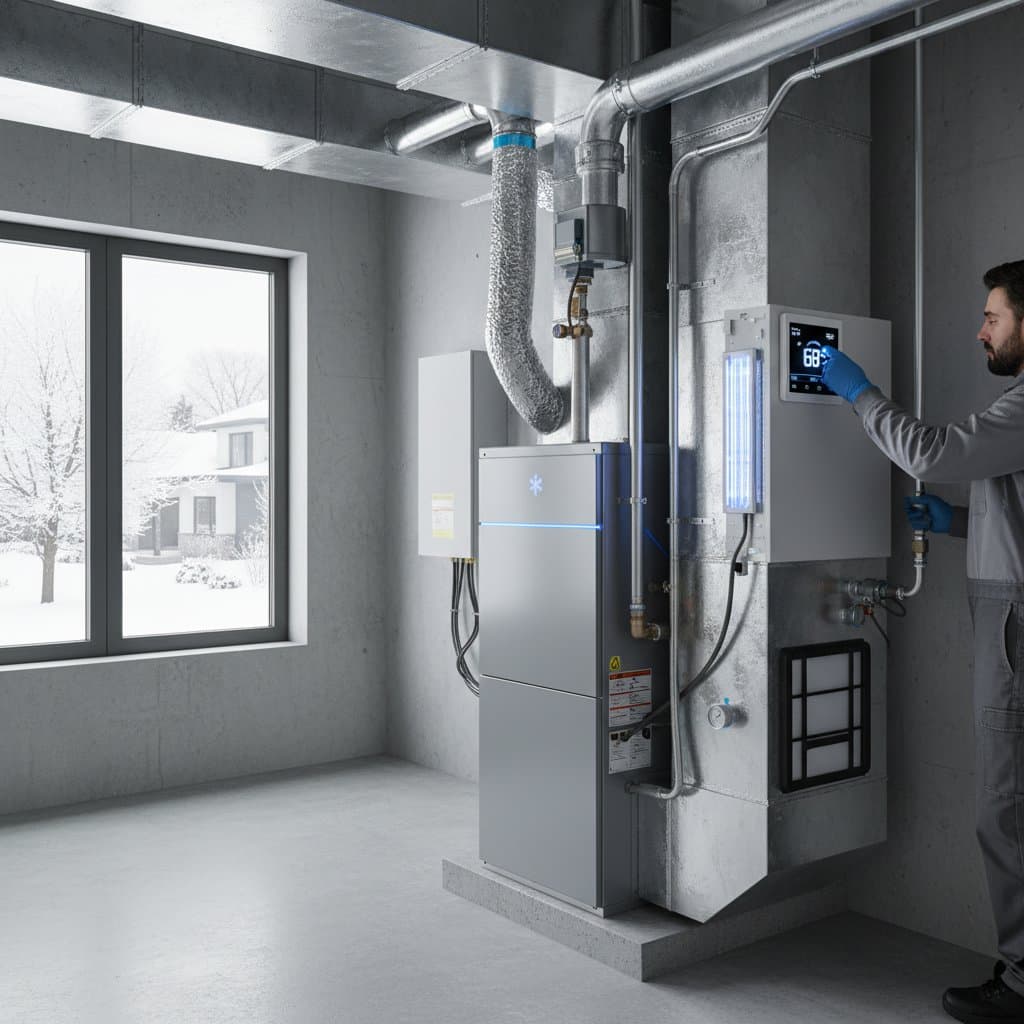
Before peak demand, subject the furnace or heat pump to a complete evaluation. A qualified technician will:
- Assess combustion processes for complete fuel utilization
- Examine heat exchangers for potential fractures that might release carbon monoxide
- Evaluate blower motors and drive belts for signs of deterioration
- Adjust thermostats to precise operation
- Service burners and ignition assemblies
Regular inspections reduce energy loss by up to 15 percent and avert approximately 80 percent of winter failures.
2. Update Filters Promptly and Regularly
Obstructed filters represent the leading airflow obstruction. In winter, exchange disposable types every 30 to 60 days. For washable variants, perform monthly cleaning. This practice sustains unrestricted circulation, eases blower demands, and elevates air purity.
3. Secure Air Leaks and Duct Connections
Ducts function as the circulatory pathways for home comfort. Escapes at joints or fittings divert warm air to unused areas like attics. Employ a smoke tester or incense to pinpoint openings near outlets and junctions. Apply specialized foil tape for sealing, avoiding ordinary duct tape that degrades over time.
4. Refine Thermostat Configurations
Intelligent thermostats form a vital part of seasonal optimization. Set reductions of 3 to 5 degrees during sleep or absence periods. Such adjustments yield 10 percent savings in heating expenditures. For legacy setups, install programmable or connected models that adapt to daily patterns.
5. Protect Exterior Components
For heat pump installations, remove accumulations of snow, frost, and refuse from external units. Preserve a minimum two-foot perimeter for ventilation. Avoid manual ice removal from coils to prevent damage; opt for gentle thawing with warm water or professional assistance if necessary.
Financial Considerations and Enduring Benefits
Initial preparation investments yield significant returns. Typical inspections cost $100 to $200, and duct repairs range from $500 to $1,200 based on property scale. These outlays recover quickly via diminished bills and avoided crises.
Furnaces exceeding 15 years warrant replacement with efficient alternatives, potentially lowering costs by 30 percent. Select ENERGY STAR models compliant with rigorous federal benchmarks for operation and environmental impact. Integrate zoning systems to target heat delivery precisely.
Incorporate safety into financial planning. Place carbon monoxide alarms adjacent to bedrooms for basic safeguarding. Local regulations often mandate them in properties with combustion-based heating.
Tailoring to Regional Weather Patterns
Local conditions demand customized approaches. Arid interiors suffer low humidity, prompting discomfort like static and nasal dryness. Install a central humidifier to normalize levels; hydrated air retains warmth more effectively.
Coastal or temperate zones suit heat pumps, though auxiliary electric heating may activate during infrequent freezes. Confirm backup functionality prior to winter onset.
In snowy territories, ensure intake and exhaust vents stay unobstructed. Blockages from drifts risk shutdowns or hazardous backdrafts.
Identifying Early Indicators of System Strain
Monitor for these signals of potential trouble:
- Inconsistent temperatures across spaces
- Repeated short cycling
- Unusual sounds like banging or clattering
- Sudden bill elevations without usage changes
- A flickering yellow flame in the furnace rather than a stable blue
Address any signs promptly with expert evaluation. Postponement transforms small problems into major expenses.
Strategies for Prolonging Equipment Durability
Field expertise underscores the value of steady upkeep over sporadic responses. Adopt these practices:
- Position furniture and drapes away from intake and output vents
- Clean registers and grilles periodically to minimize debris
- Review attic insulation yearly to curb thermal escape
- Swap thermostat batteries at heating season's start
- Ensure unobstructed furnace access for maintenance
Consistency in these routines upholds reliability and tranquility.
Collaborating with Qualified HVAC Specialists
Homeowners can handle basic tasks, but complex diagnostics require certified experts equipped with tools like gas analyzers and airflow meters. Such professionals deliver secure, regulation-compliant outcomes.
American Air HVAC links users to screened local technicians attuned to area-specific needs. All undergo verification for credentials, dependability, and service quality. Obtain obligation-free estimates to inform decisions.
Engaging pros also secures adherence to evolving codes. Permits often apply to replacements or extensive duct alterations, shielding owners from risks and affirming proper execution.
Building a Secure and Efficient Winter Environment
Effective preparation transforms winter into a period of dependable sanctuary. An optimized HVAC delivers cost reductions, healthier air, and uniform comfort throughout the home.
Initiate with a professional assessment, then implement the outlined maintenance actions. For personalized guidance or reliable support, contact American Air HVAC to engage verified experts. This approach minimizes disruptions, maximizes performance, and ensures a season of steadfast warmth.
Frequently Asked Questions
How often should furnace filters change during winter?
Replace disposable filters every 30 to 60 days. In environments with pets or elevated dust, opt for monthly intervals to support optimal airflow and air quality.