Revolutionize HVAC Maintenance with Monthly Plans
Homeowners often delay HVAC maintenance until a system failure disrupts daily life. Imagine an air conditioner failing during peak summer heat or a furnace stopping amid winter chills. These scenarios lead to discomfort, high costs, and unnecessary stress. Monthly HVAC maintenance plans address these challenges by providing ongoing care that safeguards comfort and efficiency.
Challenges of Traditional HVAC Maintenance
Traditional approaches treat HVAC maintenance as an annual event. Homeowners schedule a single tune-up and assume the system remains reliable until the next year. However, equipment experiences variable stress from seasonal demands, dust accumulation, and daily operation. In regions with extreme weather, such as intense summers and harsh winters, these factors accelerate wear.
Field experience reveals that neglected systems lose up to 25 percent efficiency. Small problems, including clogged filters or imbalanced refrigerant, evolve into extensive repairs. Energy consumption rises, indoor temperatures fluctuate, and urgent service calls increase. Monthly plans shift this pattern through systematic monitoring and intervention.
Mechanics of Monthly HVAC Maintenance Plans
Monthly plans function as a subscription for system health, delivering regular attention rather than occasional checks. Participants pay a fixed fee that includes inspections, cleanings, adjustments, and expedited support for issues. Certain plans extend benefits to discounted parts or limited repair coverage.
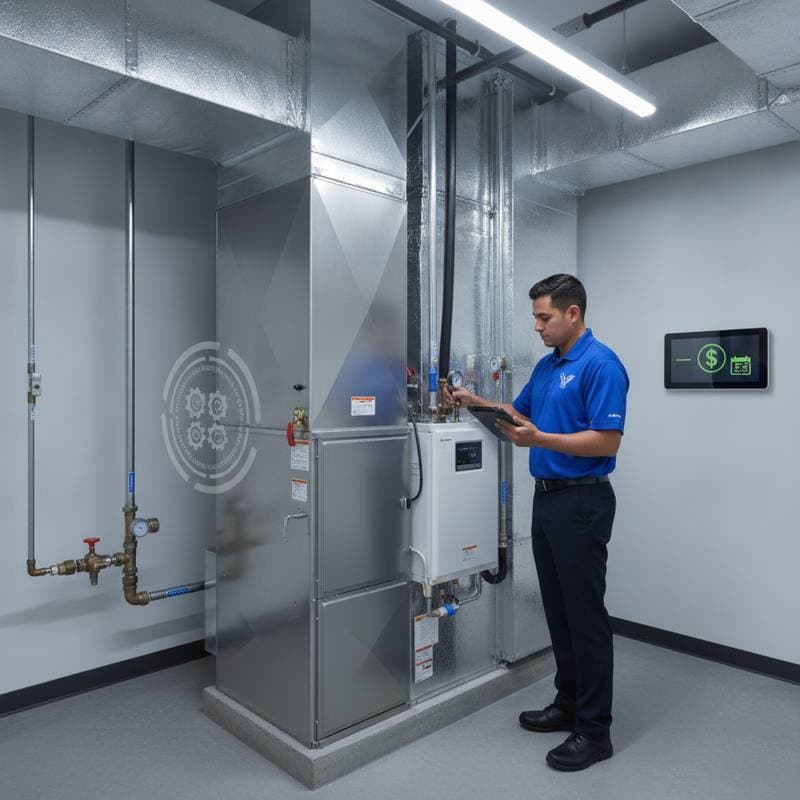
The core principle involves early detection of faults. Technicians perform routine evaluations to monitor metrics like airflow and electrical performance. They address emerging concerns, such as worn belts or sensor inaccuracies, to maintain optimal operation. This method mirrors preventive strategies in other technical fields.
Primary Advantages of Monthly Maintenance Plans
Predictable Expenses and Reduced Disruptions
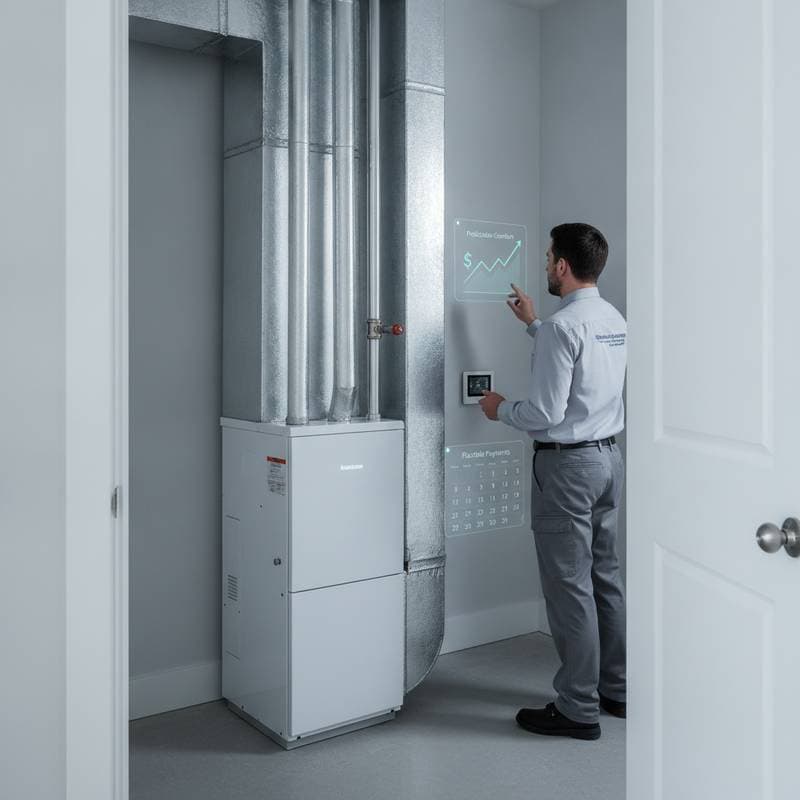
Unexpected repairs frequently exceed one thousand dollars and occur during inconvenient times. Monthly plans distribute costs at rates from fifteen to forty dollars, based on system scope. This structure minimizes financial shocks and lowers the risk of seasonal outages.
Enhanced Efficiency and Energy Savings
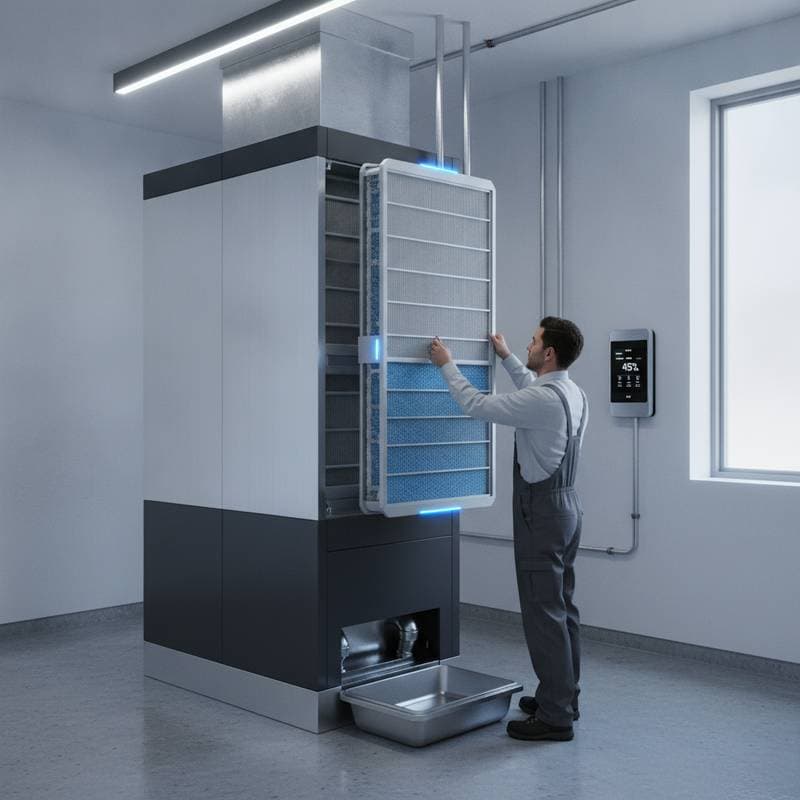
Well-maintained units operate with greater precision, consuming less power. Routine tasks like filter changes and coil cleaning yield ten to fifteen percent reductions in energy use. These improvements prove especially valuable in homes with continuous operation or expansive layouts.
Prolonged System Durability
Proper upkeep extends HVAC lifespan to fifteen or twenty years. Without it, components degrade prematurely, shortening service by multiple years. Regular lubrication of motors, calibration of controls, and refrigerant management sustain performance and postpone full replacements.
Expedited Support and Reliability Assurance
Plan members receive preferential scheduling and reduced rates for corrections. During high-demand periods, such as heat waves, this priority ensures swift resolutions. The resulting dependability fosters confidence in home climate control.
Integration of Advanced Monitoring
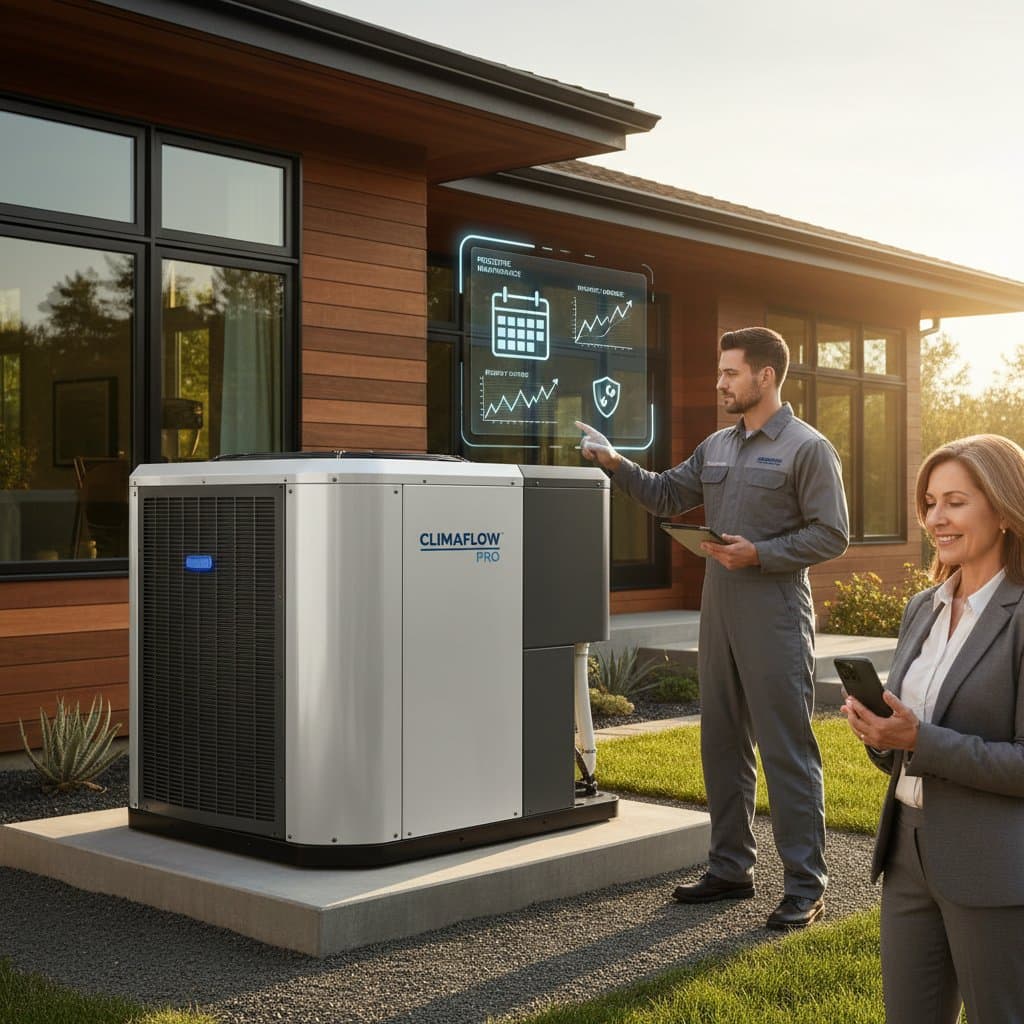
Contemporary plans incorporate digital sensors for ongoing data collection. These tools detect anomalies in real time, such as pressure drops or vibration increases, prompting preemptive action. This shift from response-based to foresight-driven care elevates overall system reliability.
Strategies to Optimize Monthly Plan Effectiveness
Homeowners can enhance outcomes by adopting these practices:
- Select a certified provider with proven expertise and adherence to industry standards.
- Review plan details to confirm inclusions, from basic checks to comprehensive repairs.
- Adhere to all scheduled appointments to sustain momentum in care.
- Prepare the site by ensuring clear paths to units and documenting any performance changes.
- Monitor indicators like noise levels, temperature consistency, and utility statements for progress.
Essential Factors in Plan Selection
Financial Analysis
Annual plan costs, around three hundred dollars for a mid-tier option, pale against potential two-thousand-dollar fixes like compressor failures. Long-term enrollment compounds savings through avoided emergencies and efficiency gains.
Safety Enhancements
Scheduled inspections mitigate risks, including electrical hazards that could spark fires or undetected gas emissions from heating units. Compliance with regulations on refrigerants and installations remains a priority for qualified technicians.
Tailored Configurations
Plans adapt to diverse setups, such as geothermal systems or multi-zone configurations. Additional features might encompass air purification or ventilation assessments, aligned with regional environmental needs.
Expected Timeline for Benefits
Initial services often yield noticeable enhancements in air circulation and thermal stability. Broader impacts, including bill reductions and repair infrequency, emerge over the initial operating season. Sustained participation amplifies these effects.
Implementing Proactive HVAC Care
Transitioning to monthly maintenance empowers homeowners to anticipate rather than react to system needs. Partnering with skilled professionals ensures alignment with local climate patterns and equipment specifications.
Envision a residence with uniform climate control, minimal operational sounds, and freedom from failure anxieties. This level of performance stems from diligent oversight and technological integration. Committing to a suitable plan transforms HVAC management into a seamless aspect of homeownership, delivering enduring comfort and fiscal prudence.