Cost Comparison: Monthly Versus Yearly HVAC Contracts
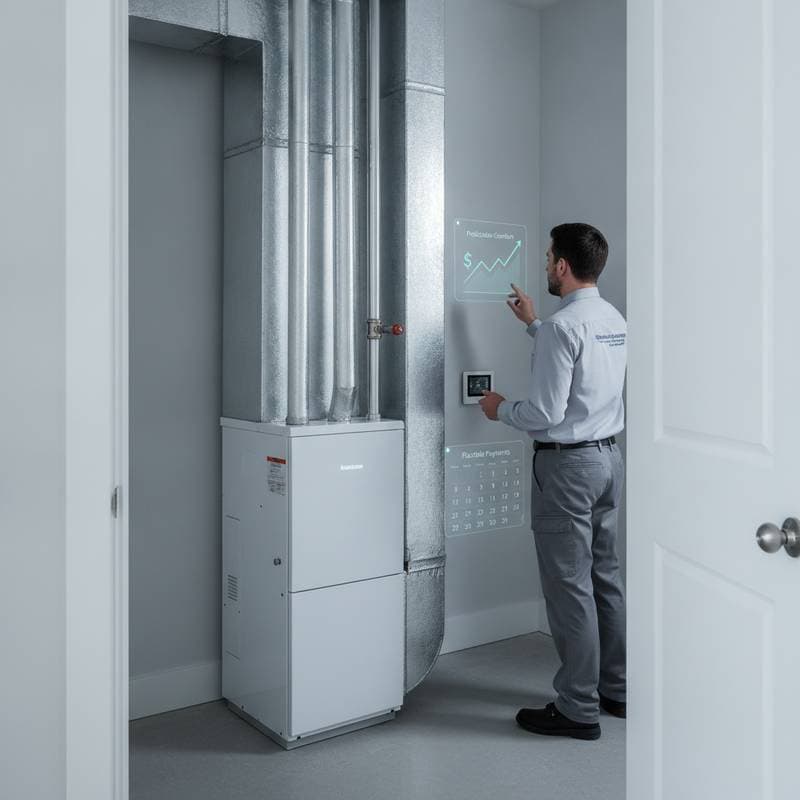
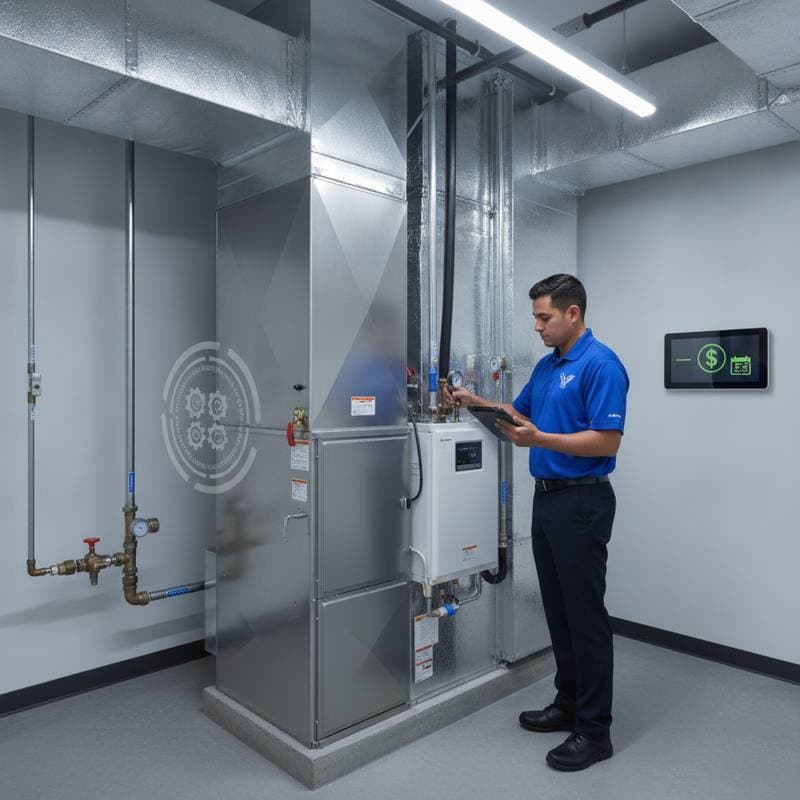
Homeowners often face the choice between monthly and yearly HVAC maintenance plans, each with distinct financial implications. Monthly plans spread costs over time but accumulate higher totals, while yearly plans demand upfront payment yet deliver greater value through discounts and comprehensive coverage.
| Feature | Monthly Plan | Yearly Plan |
|---|---|---|
| Average Cost | $18 to $35 per month | $180 to $360 per year |
| Upfront Payment | Incremental monthly fees | Single annual payment |
| Overall Value | Marginally elevated expenses | Reduced cost per service |
| Discounts Offered | Minimal incentives | Substantial reductions |
| Flexibility | Simple cancellation process | One-year commitment |
| Best For | Temporary residents | Permanent property owners |
Consider a scenario where a homeowner allocates $25 monthly, totaling $300 annually. A comparable yearly plan priced at $250 yields $50 in immediate savings. Across five years, this accumulates to $250, highlighting the long-term advantage of annual commitments.
Key Factors Influencing HVAC Plan Costs
Several elements determine the pricing of HVAC maintenance plans, affecting both monthly and yearly options. Understanding these variables enables informed decisions that align with specific home conditions.
System Size and Complexity. Properties with expansive layouts or multiple zones demand extended maintenance sessions, elevating annual fees from $300 to $600. Technicians require additional time to inspect and service larger configurations thoroughly.
Equipment Age. Units exceeding 10 years often necessitate frequent evaluations and component swaps, inflating plan rates by 10 to 25 percent. Proactive care mitigates risks associated with aging infrastructure.
Frequency of Visits. Standard agreements encompass one yearly inspection, whereas advanced packages incorporate two tune-ups aligned with seasonal transitions. This dual approach addresses summer cooling and winter heating demands effectively.
Brand and Equipment Type. Advanced models, such as those with variable-speed compressors or high-efficiency ratings, require specialized expertise, which increases labor charges. Compatibility with proprietary parts further impacts overall expenses.
Location and Climate. Residences in regions with harsh weather patterns endure prolonged system usage, prompting more intensive upkeep. Coastal or arid areas may incur extra costs for corrosion prevention or dust management.
Contractor Reputation. Providers with proven track records and certified professionals command premium rates, justified by superior workmanship and adherence to industry standards. Such reliability minimizes future complications.
Add-On Services. Options like duct sealing, filter subscriptions, or smart thermostat integration append $50 to $200 to yearly totals. These enhancements bolster system longevity and performance.
Seasonal Promotions. Providers frequently extend rebates for early sign-ups or prepayments during quieter periods, such as late fall or early spring. Timing enrollment maximizes affordability.
Services Included in Standard HVAC Maintenance Plans
Most plans outline core procedures designed to sustain optimal operation. These elements form the foundation of preventive care, targeting common efficiency inhibitors.
| Service | Description |
|---|---|
| System Inspection | Comprehensive review of air handler, condenser unit, and furnace components |
| Coil Cleaning | Elimination of accumulated debris to enhance heat exchange and airflow |
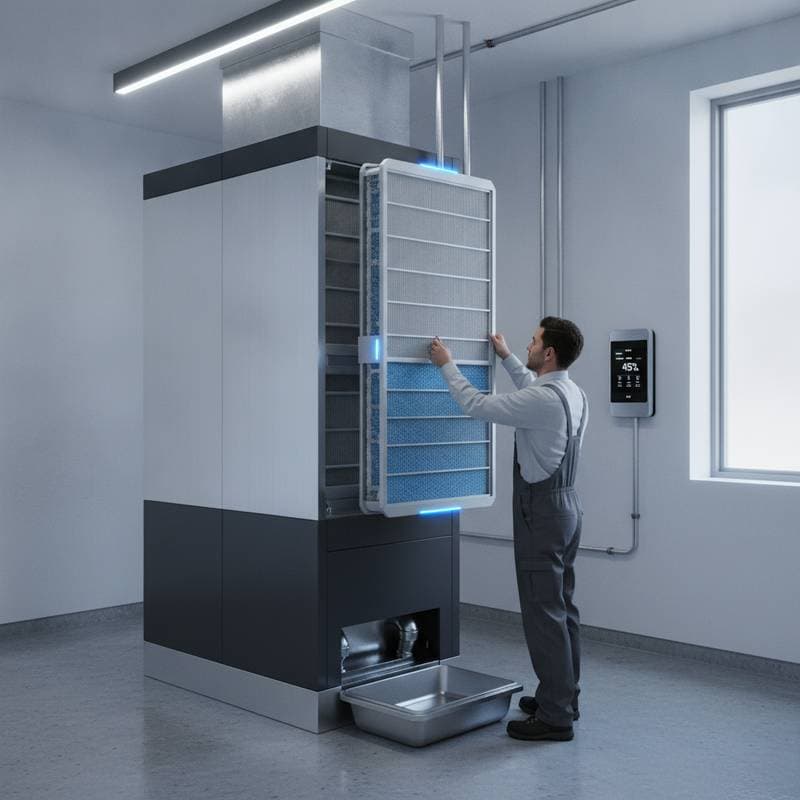
| Filter Replacement | Installation of fresh filters to maintain air circulation and quality |
| Refrigerant Check | Assessment of levels and identification of potential leaks for optimal cooling |
| Thermostat Calibration | Adjustment to ensure precise temperature regulation and energy conservation |
| Electrical Check | Securing of wiring and verification of electrical integrity |
| Safety Inspection | Examination of fuel lines, burners, and safety mechanisms |
Entry-level plans focus on labor for routine tasks, excluding extensive repairs. Upgraded versions extend to parts reimbursement, 24-hour emergency access, or expedited appointments, providing layered protection.
Additional Expenses to Evaluate
Beyond plan fees, ancillary costs influence total ownership expenses. Recognizing these helps quantify the protective role of structured maintenance.
Service call fees range from $75 to $150 per incident, frequently exempted for enrolled participants. Emergency interventions add $100 to $250 for off-schedule responses, underscoring the value of priority provisions.
Replacement components vary from $50 for basic items to $500 for critical assemblies like compressors. Filter delivery services cost $10 to $20 per delivery, simplifying routine upkeep.
Duct cleaning, if excluded, spans $300 to $600, addressing hidden inefficiencies. Comprehensive yearly agreements often integrate these, streamlining budgeting and averting surprise outlays.
Benefits of Maintenance That Lower Long-Term Costs
Consistent HVAC servicing optimizes performance, reducing utility expenditures by 5 to 15 percent through improved operational efficiency. Extended equipment lifespan, potentially by 5 to 10 years, further amortizes initial investments.
Primary Advantages
Fewer disruptions arise from early detection during scheduled checks, preventing minor issues from escalating into expensive failures. This reliability supports uninterrupted daily routines.
Manufacturer warranties demand proof of regular servicing; adherence preserves coverage against defects. Enhanced filtration and coil maintenance elevate indoor environments by curbing particulates and pollutants.
Uniform temperature distribution results from calibrated controls, fostering consistent comfort without spikes in energy use. These outcomes collectively justify the modest plan investment.
Coverage Differences: Repairs Versus Maintenance Plans
Absent a formal plan, routine malfunctions incur $350 for simple fixes or $1,200 for substantial overhauls. Enrolled status trims these by 15 to 25 percent via negotiated rates and swift interventions.
Annual subscribers benefit from waived diagnostics, conserving $100 per occurrence. Cumulative over multiple incidents surpasses plan costs, affirming financial prudence.
Selecting the Right Plan for Your Residence
Align plan selection with lifestyle and property tenure. Monthly structures suit those seeking payment ease or anticipating relocation, avoiding large commitments.
Yearly formats appeal to established owners pursuing peak discounts, exclusive perks, and robust safeguards. Evaluate offerings from three providers, scrutinizing inclusions for both heating and cooling.
Confirm transfer options for potential home sales, enhancing resale appeal. This methodical approach ensures alignment with evolving needs.
Strategies to Minimize HVAC Maintenance Expenses
- Arrange appointments in low-demand seasons, such as autumn, to secure reduced pricing.
- Bundle HVAC with related services like plumbing for composite discounts.
- Inquire about retention incentives or referral credits from current providers.
- Opt for premium filters to lessen system workload and extend intervals between services.
- Address air leaks in ducts and frames to optimize energy retention.
- Integrate programmable thermostats for automated adjustments that curb consumption.
- Solicit bids from multiple technicians to benchmark quality against cost.
- Pursue incentives for adopting energy-saving modifications, such as efficient units.
Frequently Asked Questions
What Is the Typical Cost of an HVAC Maintenance Plan?
Homeowners generally invest $180 to $360 annually. Monthly alternatives fall between $18 and $35, varying by scope and regional factors.
Do HVAC Maintenance Plans Provide Sufficient Value?
Affirmative, particularly for units over five years old. They diminish failure risks, uphold warranty conditions, and elevate operational efficiency.
What Is the Recommended Frequency for HVAC Servicing?
Systems benefit from biannual attention, timed before peak cooling and heating periods, to preempt seasonal strains.
Do These Plans Encompass Repair Work?
Fundamental packages handle evaluations and adjustments. Select premium tiers for repair subsidies or labor reductions.
Is Cancellation Possible at Any Time?
Monthly agreements permit straightforward exits, unlike yearly ones that enforce term completion. Examine contract stipulations prior to agreement.
Can Plans Transfer to Subsequent Owners?
Certain providers facilitate handovers during property transactions, bolstering marketability.
Implement HVAC Strategies for Enduring Savings
Adopting a tailored maintenance plan positions homeowners for sustained efficiency and cost control. By prioritizing yearly options and proactive habits, achieve reliable comfort while minimizing expenditures over time.