Why Wildfire Smoke Filters Represent a Key HVAC Upgrade for 2025
Installation costs range from $200 to $800 per home for wildfire smoke filters.
Replacement high-efficiency filters cost $50 to $150 each.
Whole-house air purification systems range from $300 to $1,200.
Homeowners increasingly recognize wildfire smoke filtration as a vital enhancement to HVAC systems. As air quality deteriorates during intense fire seasons, advanced filters safeguard indoor environments from pollutants. Costs depend on filter type, system integration, and labor requirements, yet these investments yield enduring advantages in health, comfort, and efficiency.
Overview of Costs for Wildfire Smoke Filters
The following table summarizes average expenses based on service types.
| Service Type | Average Cost |
|---|---|
| Standard HVAC filter upgrade | $50 to $150 |
| HEPA-grade HVAC filters | $100 to $300 |
| Whole-house smoke filtration system | $300 to $1,200 |
| Professional installation | $200 to $800 |
| Annual filter replacements | $100 to $400 |
Key metrics include a national average of $550, with minimum costs at $50 and maximums reaching $1,200. Typical ranges fall between $300 and $800. Data derives from industry research and reported project expenses.
Importance of Wildfire Smoke Filters
Wildfire smoke carries fine particulate matter, designated PM2.5, which standard HVAC filters often fail to capture. These particles infiltrate living areas, exacerbating respiratory issues and burdening HVAC components. Specialized filtration systems trap such contaminants effectively, thereby enhancing safety and air purity.
These filters also prolong HVAC equipment longevity. By intercepting debris that might otherwise accumulate in coils and ducts, the system maintains optimal performance. This efficiency translates to reduced energy consumption and lower maintenance expenses over time.
Varieties of Wildfire Smoke Filters
Filter technologies differ in protective capabilities and pricing. Selecting the appropriate type requires evaluating home needs and financial constraints.
| Filter Type | Efficiency Level | Average Cost |
|---|---|---|
| Standard MERV 8 filter | Basic dust and pollen capture | $20 to $50 |
| MERV 13 filter | Captures smoke and fine particles | $50 to $150 |
| HEPA filter | Removes 99 percent of airborne particles | $100 to $300 |
| Activated carbon filter | Neutralizes odors and gases | $75 to $200 |
| Whole-house purification unit | Integrated smoke filtration | $300 to $1,200 |
MERV-Rated Filters
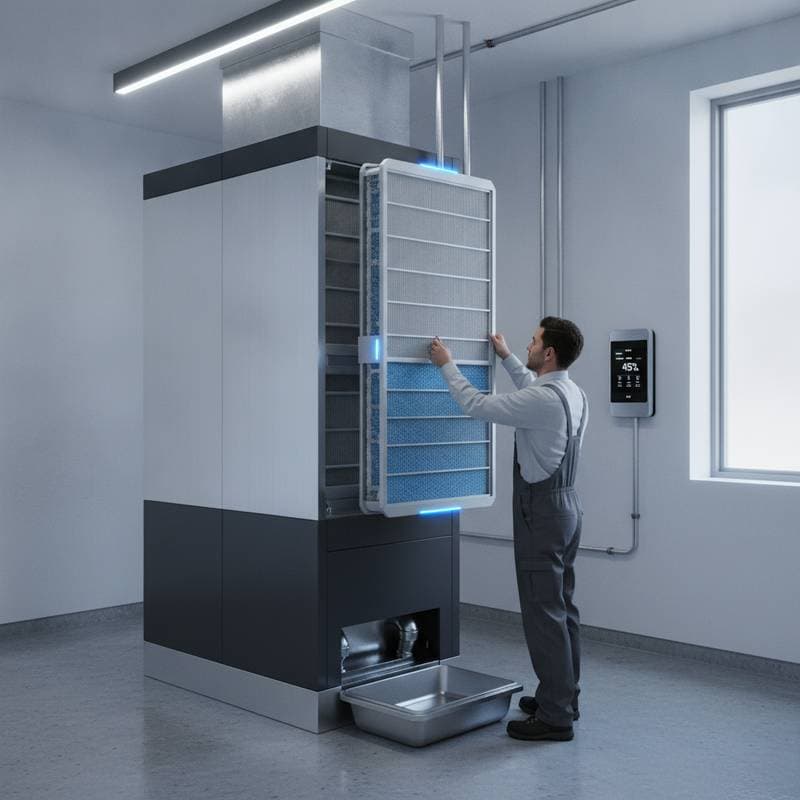
MERV denotes Minimum Efficiency Reporting Value. Filters rated 13 or above suit wildfire smoke protection, as they seize particles down to 0.3 microns. Before installation, verify HVAC airflow compatibility, since denser filters can impede circulation if mismatched.
HEPA Filtration Systems
HEPA, or High Efficiency Particulate Air, filters offer superior defense against smoke particulates. They capture virtually all submicron particles undetectable by sight. Compatible central systems accommodate HEPA filters directly, while others benefit from bypass units or retrofits.
Activated Carbon Filters
Carbon-based filters complement HEPA or MERV options by adsorbing odors and volatile organic compounds overlooked by particle traps. They prove particularly useful in residences where smoke scents persist post-clearance.
Comprehensive Whole-House Systems
Whole-house units integrate seamlessly with HVAC setups, merging HEPA and carbon elements for ongoing purification. Priced higher, they provide unparalleled coverage, especially in regions prone to wildfires.
Factors Influencing Costs of Smoke Filtration
Multiple elements determine the expense of HVAC enhancements for smoke defense.
- Filter specifications and durability: Advanced MERV or HEPA variants command premium prices but excel at finer particle retention and extended service life.
- Existing system integration: Legacy HVAC units might necessitate adaptations, such as auxiliary fans, to manage restrictive filters.
- Labor for setup: Experts ensure airtight seals and balanced airflow, with fees spanning $200 to $800.
- Residence dimensions: Expansive properties demand greater capacity, potentially involving several units.
- Regional influences: High wildfire incidence elevates demand and labor charges.
- Upkeep intervals: Intense smoke exposure accelerates clogging, raising replacement frequency and yearly outlays.
- Supplementary features: Incorporating UV sanitization or carbon layers boosts initial investment while elevating air standards.
Associated Expenses and Enhancements
Smoke protection upgrades often involve complementary services.
| Related Service | Average Cost |
|---|---|
| Air duct cleaning | $300 to $600 |
| HVAC system inspection | $75 to $200 |
| Filter housing modification | $150 to $400 |
| Smart air quality monitor | $100 to $300 |
| Energy-efficient thermostat | $120 to $250 |
Such additions optimize air purity and operational efficacy. Duct cleaning removes prior smoke residues, and monitoring devices signal declining quality or impending filter swaps.
Guidelines for Maintaining Smoke Filters
Routine care sustains filter effectiveness, particularly amid rapid clogging from dense smoke.
- Inspect filters biweekly to monthly during fire seasons.
- Swap filters promptly upon detecting airflow diminishment or staining.
- Arrange biannual professional servicing to evaluate ducts, coils, and pressure dynamics.
- Dust vents and registers periodically to avert accumulations.
- Deploy standalone purifiers in frequented areas for supplementary safeguarding.
Vigilant upkeep preserves airflow vigor and curtails cumulative expenses.
Deciding Between Repair and Full System Replacement
Post-upgrade airflow struggles signal potential replacement needs. Units exceeding a decade in age frequently underperform with efficient filters. Indicators include:
- Diminished circulation under MERV 13 or superior ratings.
- Enduring odors despite fresh filters.
- Erratic cycling or thermal overloads.
- Escalating energy costs in smoke events.
For replacements, prioritize models featuring variable-speed blowers and native filtration support. Initial expenditures recoup via diminished utility demands and superior air integrity.
Strategies to Minimize Filtration Expenses
Practical approaches curb outlays for smoke-ready HVAC modifications.
- Purchase filters wholesale to diminish individual pricing.
- Time installations for non-peak periods to secure reduced labor fees.
- Leverage rebates from producers for efficient components.
- Bundle tasks like duct sanitation with filter work for discounted rates.
- Adhere to maintenance schedules to forestall damage and repairs.
- Activate systems judiciously during peak smoke via quality oversight.
- Solicit bids from certified technicians for competitive pricing.
These tactics maximize efficacy affordably.
Frequently Asked Questions on Wildfire Smoke Filters
What is the price range for a wildfire smoke filter?
MERV 13 options span $50 to $150, whereas HEPA or carbon types range from $100 to $300. Integrated whole-house solutions may climb to $1,200 inclusive of setup.
Is self-installation feasible for wildfire smoke filters?
Accessible units permit homeowner filter swaps, but HEPA integrations or systemic overhauls demand professional expertise for optimal alignment and flow.
What replacement frequency applies to smoke filters?
In fire seasons, change every one to two months; otherwise, quarterly suffices.
Do smoke filters eliminate odors?
Activated carbon variants target and neutralize smoke scents along with gaseous emissions, fostering fresher interiors.
Can existing HVAC accommodate high-efficiency filters?
Contemporary setups often manage MERV 13, though antiquated ones require flow tweaks. Consult manufacturer guidelines prior to changes.
Which filter excels against wildfire smoke?
HEPA delivers peak particle interception; combining with carbon yields comprehensive outcomes.
Does homeowners insurance address wildfire smoke impacts?
Policies may reimburse damage remediation but seldom filtration enhancements. Verify with your insurer.
Are standalone purifiers sufficient?
They aid isolated spaces yet fall short of whole-home defense; central systems ensure broad protection.
How to detect smoke intrusion indoors?
Employ air quality sensors; elevated PM2.5 levels reveal infiltration sans olfactory cues.
Steps to Achieve Superior Indoor Air Quality
Begin by assessing your HVAC compatibility through a professional inspection. Select filters aligned with local wildfire risks and integrate monitoring tools for proactive management. These measures secure a healthier living environment year-round.