Tackle the 2025 Humidity Challenge with Dehumidification HVAC Systems
Whole-home dehumidifier installations typically range from $1,800 to $3,500. Portable or room-specific units cost between $1,000 and $2,500 to set up. Annual maintenance and filter replacements average $200 to $600.
Elevated humidity levels cause homes to feel warmer, promote mold development, and overburden HVAC systems. Modern dehumidification HVAC systems restore equilibrium to indoor air quality. Homeowners increasingly adopt whole-home dehumidifiers to achieve comfort, preserve belongings, and decrease energy expenses. Installation costs average $1,800 to $3,500, influenced by home size, system type, and setup complexity.
| Service Type | Average Cost |
|---|---|
| Whole-home dehumidifier installation | $1,800 to $3,500 |
| Portable room dehumidifier | $1,000 to $2,500 |
| HVAC-integrated dehumidification system | $2,500 to $5,000 |
| Maintenance and filter replacement | $200 to $600 |
| Smart humidity control upgrade | $400 to $900 |
| Metric | Amount |
|---|---|
| National average cost | $2,800 |
| Minimum cost | $1,000 |
| Maximum cost | $5,000 |
| Average cost range | $1,800 to $3,500 |
Cost data derives from research and reported project expenses by industry members.
Fundamentals of Whole-Home Dehumidification
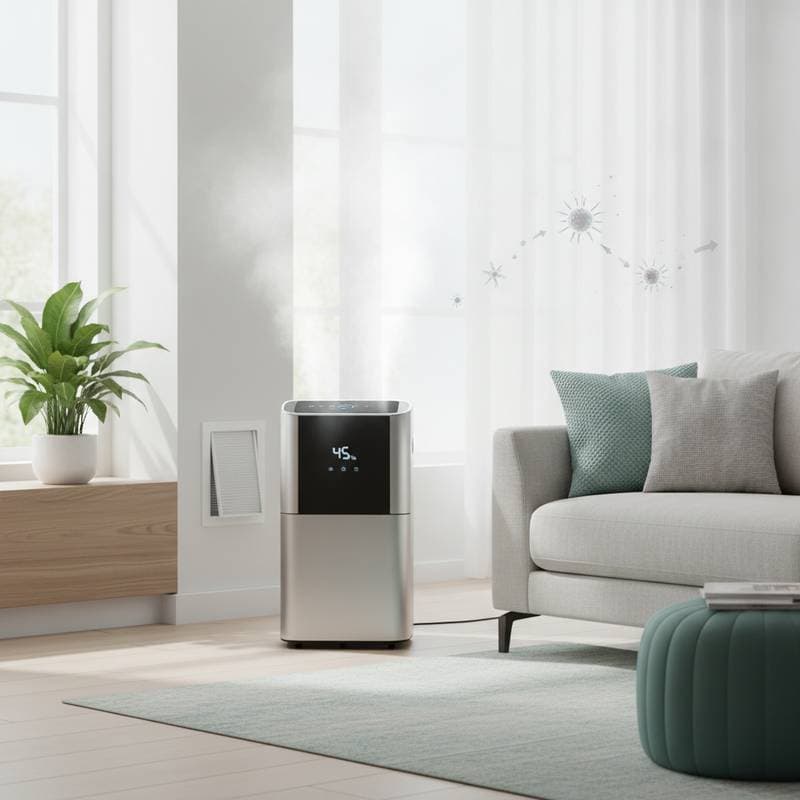
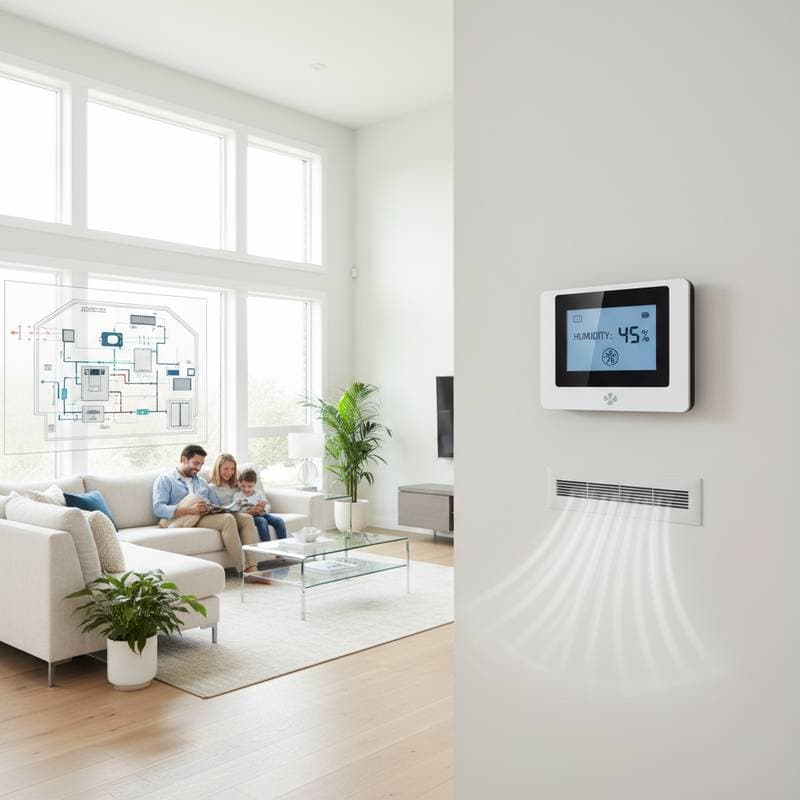
A whole-home dehumidifier integrates with the HVAC system to extract moisture from the air prior to circulation. This maintains humidity levels at 30 to 50 percent, optimal for comfort and well-being. Unlike standalone portable models, these systems address every room simultaneously and function discreetly.
Increased humidity forces air conditioners to labor more intensely to sustain temperature. Dehumidifiers alleviate this burden, which reduces cooling expenses and prolongs HVAC durability. If the home remains humid despite air conditioning operation, an integrated dehumidification solution delivers significant improvement.
Comprehensive Cost Analysis
Expenses for dehumidification vary by unit type, home dimensions, and installation demands. The following provides an overview of anticipated costs.
| System Type | Home Size | Average Cost |
|---|---|---|
| Compact dehumidifier | Up to 1,500 sq. ft. | $1,200 to $2,000 |
| Mid-size unit | 1,500 to 3,000 sq. ft. | $2,000 to $3,200 |
| Large capacity | 3,000 to 4,500 sq. ft. | $3,000 to $4,500 |
| Smart integrated system | Any size | $2,800 to $5,000 |
Equipment and Labor Breakdown
| Category | Average Cost |
|---|---|
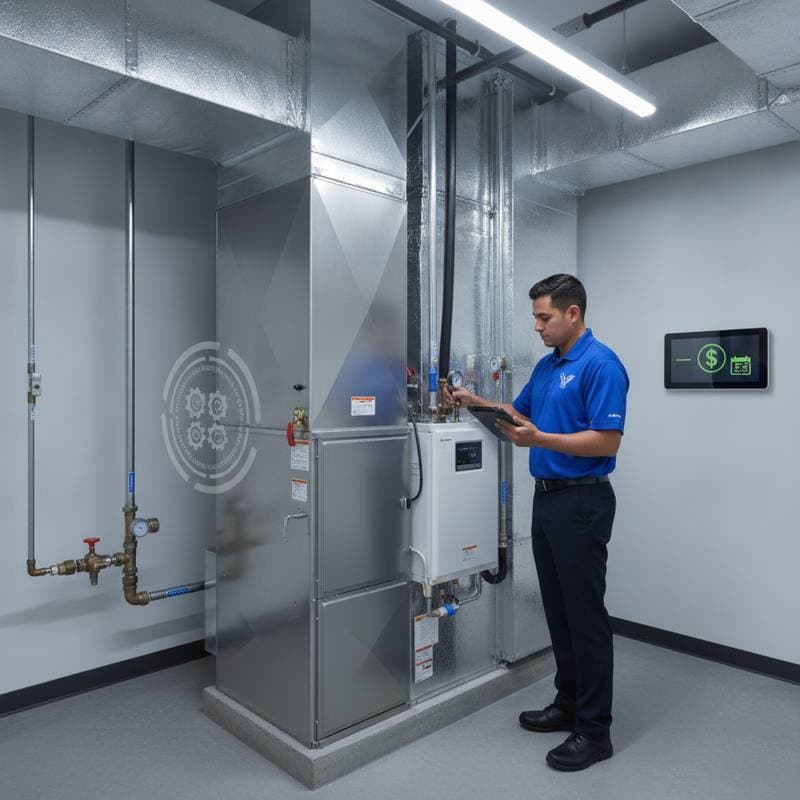
| Equipment (unit and controls) | $1,200 to $2,800 |
| Labor (installation and setup) | $600 to $1,200 |
| Ductwork modification (if needed) | $300 to $800 |
Labor constitutes 30 to 40 percent of total expenses. Intricate duct modifications or electrical enhancements elevate the investment, yet they promote superior operation and enduring reliability.
Key Influences on Dehumidification HVAC Expenses
Multiple elements determine the cost of a whole-home dehumidification system. Awareness of these aids precise budgeting.
- System capacity: Larger residences demand greater capacity, raising equipment prices by $500 to $1,500.
- Efficiency rating: Models with superior efficiency consume less power, though initial costs rise. ENERGY STAR certified options add $300 to $800.
- Installation complexity: Properties with restricted duct access or aging HVAC setups require alterations costing $400 to $1,000.
- Brand quality: Reputable brands such as Aprilaire or Honeywell command higher prices due to enhanced durability and warranties.
- Climate zone: Humid locales necessitate robust systems, increasing costs by 10 to 20 percent over arid regions.
- Smart controls: Humidity sensors or Wi-Fi features enhance usability at an additional $200 to $600.
- Maintenance needs: Certain units demand yearly filter changes or coil cleaning, contributing $100 to $300 annually.
- System age: Pairing with outdated HVAC may require supplementary electrical or duct updates.
Additional Expenses to Account For
Dehumidification projects involve ancillary costs beyond the primary estimate.
| Related Service | Average Cost |
|---|---|
| Permit or inspection fees | $100 to $300 |
| Old equipment removal | $100 to $250 |
| Duct cleaning or sealing | $300 to $700 |
| Condensate pump replacement | $150 to $400 |
| Smart thermostat upgrade | $200 to $500 |
These expenditures guarantee efficient system function and compliance with local codes.
Upkeep Strategies for Optimal Performance
Consistent maintenance sustains efficiency in dehumidification HVAC systems and averts expensive fixes. Consider these recommendations.
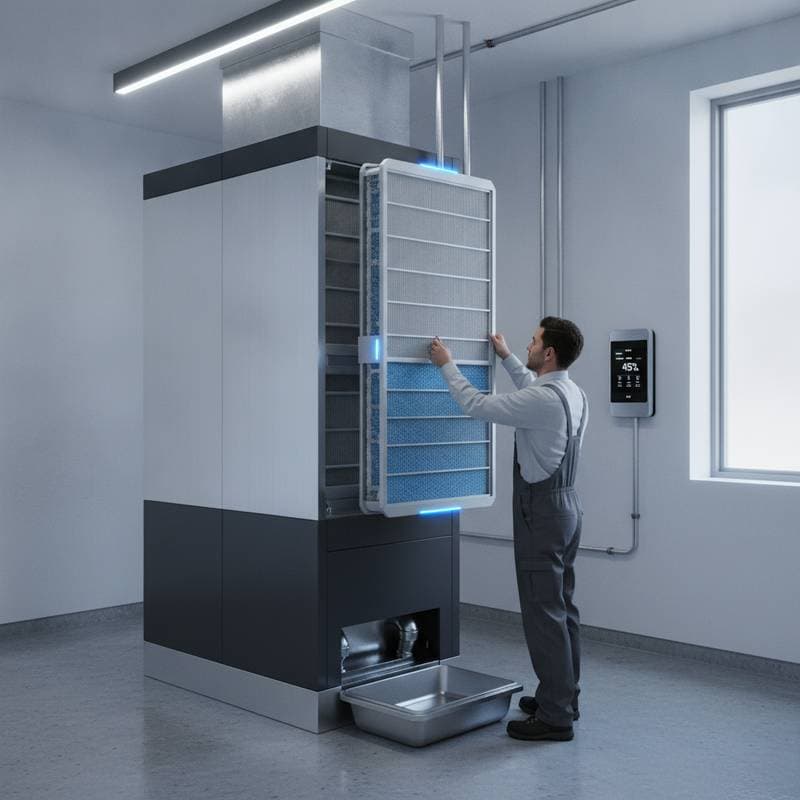
- Clean or replace filters every three to six months to preserve airflow.
- Examine condensate lines for blockages that risk water damage.
- Verify humidity sensors for precise measurements.
- Arrange annual professional inspections of coils, fans, and electrical components.
- Ensure air vents remain unobstructed by furniture to facilitate circulation.
Such practices prolong system longevity and uphold steady home comfort.
Deciding Between Repair and Replacement
When humidity control falters, evaluate whether repairs or a new unit prove more suitable. These criteria assist the choice.
- System age: Equipment exceeding ten years often diminishes in efficiency, favoring replacement.
- Repair frequency: Annual repairs exceeding one instance signal cost-effective replacement.
- Energy bills: Escalating utilities indicate excessive system effort.
- Comfort level: Ongoing dampness or odors denote ineffectiveness.
Generally, repairs surpassing 40 percent of replacement cost justify investing in a new system for sustained value.
Strategies to Minimize Dehumidification HVAC Costs
Strategic approaches and diligent care lower overall expenditures.
- Obtain quotes from several licensed HVAC specialists to evaluate options.
- Time installations for off-peak periods to access discounts.
- Pursue rebates for ENERGY STAR equipment via utility providers.
- Bundle enhancements like duct sealing or thermostat updates to consolidate labor.
- Adhere to maintenance schedules to prevent declines and failures.
- Employ ceiling fans to enhance circulation and ease HVAC demands.
- Track humidity with sensors to optimize operations.
- Seal windows and doors against moisture entry.
These measures yield substantial savings while preserving indoor comfort.
Frequently Asked Questions
What is the installation cost for a whole-home dehumidifier?
Installation averages $1,800 to $3,500, encompassing equipment and labor.
Is it possible to integrate a dehumidifier with an existing HVAC system?
Yes, integration works with most setups. Anticipate $400 to $1,000 for duct and electrical adaptations.
What is the lifespan of a dehumidification system?
Proper care yields 8 to 15 years. Routine cleaning and inspections extend durability.
What humidity level suits a home?
Aim for 30 to 50 percent indoors. Exceeding 60 percent fosters mold and mites.
Do dehumidifiers reduce cooling expenses?
Yes, drier air permits thermostat adjustments, conserving 5 to 15 percent on energy.
How frequently should a dehumidifier receive service?
Annual professional maintenance is advisable. Follow manufacturer guidelines for filters and coils.
Do portable dehumidifiers serve as viable options?
They suit individual rooms or compact spaces but omit comprehensive coverage. Manual draining and upkeep increase.
Can a dehumidifier enhance indoor air quality?
Yes, it diminishes allergens, mold, and odors for a healthier space.
How do I determine dehumidifier size?
Size hinges on square footage and humidity. Professionals assess based on air volume and moisture.
Are financing or rebates accessible?
Utilities frequently rebate efficient models. Contractors may offer financing to distribute costs.
Selecting and Quoting with HVAC Professionals
A skilled contractor guarantees effective installation and performance. Use this checklist.
- Confirm state licensing and insurance.
- Secure three written quotes.
- Inquire about experience with specific HVAC brands.
- Review references or online feedback.
- Clarify warranty details for parts and labor.
- Outline project timelines and duration.
- Request itemized cost summaries including permits.
- Examine payment schedules and deposits.
Reputable professionals detail processes and tailor advice to home requirements.
Essential Questions for HVAC Contractors
Pose these during consultations.
- Do you hold licensing and insurance for local HVAC services?
- How many whole-home dehumidifiers have you installed?
- Which brands do you endorse and for what reasons?
- What maintenance does the system entail?
- What is the full installation timeline?
- What warranties apply to equipment and labor?
- Will existing ductwork require changes?
- Do you provide financing or rebate support?
- How does the system mesh with current HVAC?
- When can installation commence post-approval?
These inquiries identify experts aligned with comfort and financial objectives.
Sustaining Year-Round Indoor Comfort
An adept dehumidification HVAC system regulates humidity, shields against moisture harm, and boosts efficiency. The appropriate configuration yields comfortable air, reduced bills, and minimized allergens.
Arrange a consultation with a reliable HVAC expert before humidity intensifies. Gather quotes, investigate rebates, and select a system suited to home scale and needs. Proactive measures secure a dry, efficient, and comfortable residence regardless of seasonal conditions.