Why Modern HVAC Systems Integrate Dehumidifiers
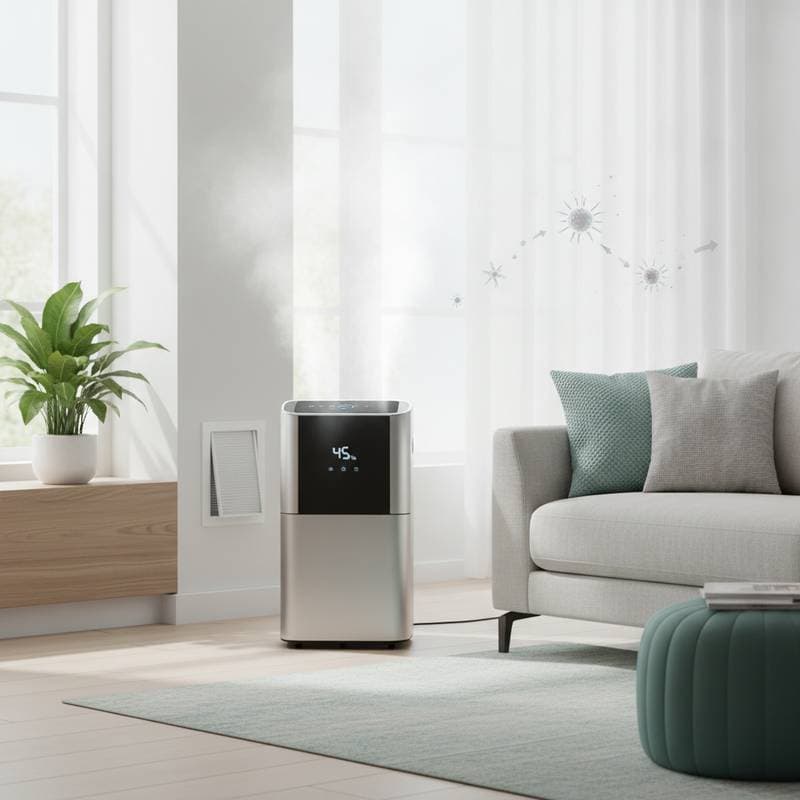
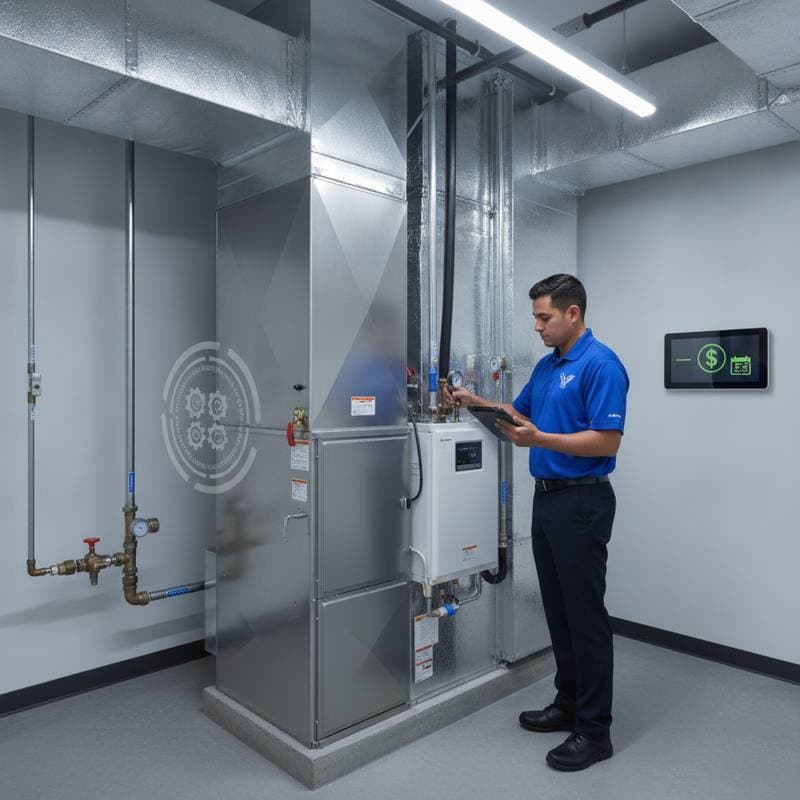
Humidity control extends beyond basic comfort in contemporary homes. Homeowners now demand HVAC systems that provide clean, balanced air through precise temperature and moisture management. The latest HVAC designs incorporate built-in dehumidification to address how excess indoor humidity impacts energy efficiency, air quality, and overall system durability. Grasping the importance of these integrated systems empowers informed decisions for a superior home environment.
Cost Overview for HVAC Systems with Integrated Dehumidifiers
Investing in an HVAC system with an integrated dehumidifier involves various expense categories. The following table outlines average costs based on service types.
| Service Type | Average Cost |
|---|---|
| New HVAC system with integrated dehumidifier | $4,000 to $8,000 |
| Add-on whole-home dehumidifier | $1,200 to $2,800 |
| Portable dehumidifier (single room) | $150 to $400 |
| Replacement of integrated dehumidifier component | $600 to $1,200 |
| Annual maintenance and cleaning | $150 to $450 |
National averages provide additional context for budgeting.
| Metric | Amount |
|---|---|
| National average cost | $5,800 |
| Minimum cost | $1,200 |
| Maximum cost | $8,000 |
| Average cost range | $4,000 to $7,000 |
Cost data derives from industry research and reported project expenses.
The Growing Importance of Humidity Control
Indoor humidity profoundly affects comfort, energy consumption, and air quality. Elevated humidity levels make air feel warmer, prompting the air conditioner to operate longer and elevate utility expenses. Excess moisture also fosters mold, dust mites, and allergens that compromise air purity. While traditional HVAC systems focus primarily on heating and cooling, they often fall short in moisture management. Integrated dehumidifiers address this gap, establishing them as a core feature in new installations.
Humidity's Impact on Energy Efficiency
Sticky air encourages lowering the thermostat for perceived cooling, which heightens energy use and accelerates HVAC wear. Integrated dehumidifiers extract moisture early, enabling comfort at warmer settings. This approach reduces monthly bills and eases system strain over time.
Enhancing Air Quality Through Dehumidification
Effective moisture control supports healthier indoor air. These dehumidifiers inhibit mold and bacterial proliferation by maintaining optimal levels. They eliminate musty smells and safeguard furnishings, floors, and walls from water damage. Households with allergy sufferers or respiratory issues benefit most from this cleaner, safer atmosphere.
Comprehensive Cost Breakdown
Understanding individual components aids in financial planning. The table below details key elements.
| Component | Average Cost | Description |
|---|---|---|
| Central HVAC unit | $4,000 to $8,000 | Encompasses heating, cooling, and built-in dehumidifier |
| Standalone dehumidifier | $1,200 to $2,800 | Connects to existing ductwork |
| Smart thermostat upgrade | $200 to $600 | Optimizes humidity and temperature regulation |
| Duct modifications | $300 to $700 | Ensures compatibility and airflow |
| Labor and installation | $1,000 to $2,000 | Covers wiring, adjustments, and sensor calibration |
Labor Versus Materials
Labor typically comprises 30 to 40 percent of the total expense. This portion includes electrical connections, duct alterations, and sensor tuning. Materials encompass the core unit, dehumidifier parts, filters, and controls.
Influence of System Size and Home Area
Home dimensions dictate capacity needs for uniform coverage.
| Home Size (Square Feet) | Average Cost Range |
|---|---|
| Up to 1,500 | $4,000 to $5,200 |
| 1,500 to 2,500 | $5,200 to $6,800 |
| 2,500 to 3,500 | $6,800 to $8,000 |
Appropriate sizing promotes even distribution and avoids inefficient short cycling in larger spaces.
Factors Influencing Overall Costs
Several variables determine the final price of an integrated system.
System capacity. Units handling greater air volumes demand more robust equipment and labor.
Energy efficiency rating. Superior SEER or AFUE scores deliver better results at a higher initial outlay.
Brand quality. Established names like Trane, Lennox, and Carrier command premiums for extended warranties and precise humidity features.
Ductwork condition. Aging or inefficient ducts necessitate repairs costing $300 to $1,000 to optimize moisture handling.
Home layout. Multi-level or expansive designs require zoning and extra sensors for balanced flow.
Installation complexity. Properties lacking pre-existing infrastructure face elevated labor charges.
Local climate. Humid areas call for stronger dehumidification capacity.
Technology integration. Connected devices like smart thermostats add minor costs for enhanced oversight.
Additional Associated Expenses
Beyond the primary installation, consider these ongoing or incidental costs.
| Related Expense | Average Cost | Description |
|---|---|---|
| Permit and inspection fees | $100 to $300 | Mandatory for certain HVAC modifications |
| Old equipment removal | $75 to $200 | Handles disposal of outdated parts |
| Filter replacements | $50 to $150 per year | Maintains filtration and efficiency |
| Annual maintenance | $150 to $450 | Involves tune-ups and thorough cleaning |
| Emergency repairs | $250 to $750 | Addresses sudden failures in sensors or components |
These elements support sustained performance and code adherence.
Essential Maintenance Practices
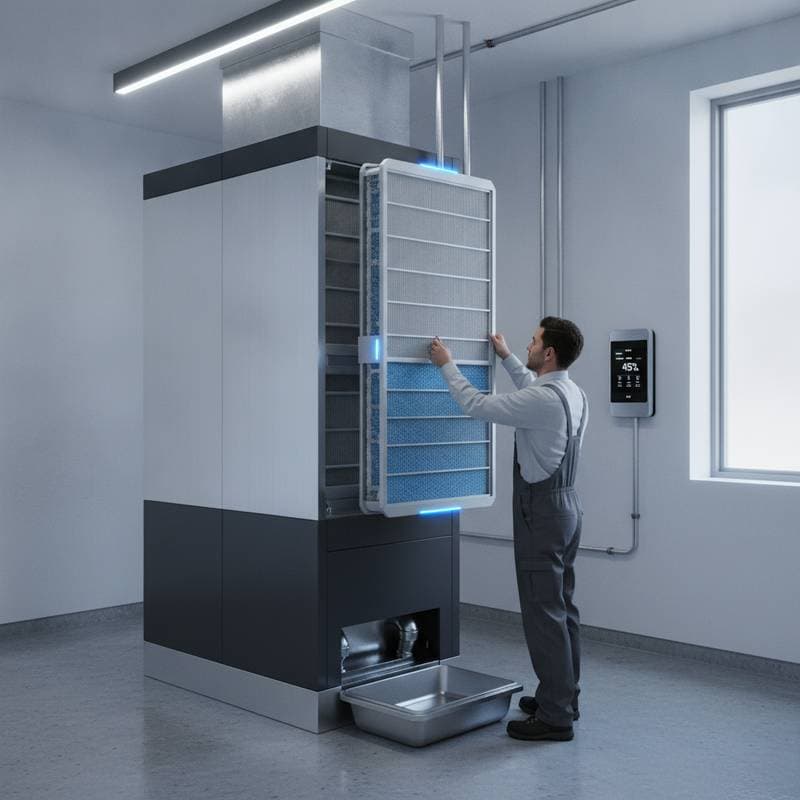
Routine upkeep preserves dehumidifier efficiency and averts humidity fluctuations.
- Replace air filters every one to three months to sustain airflow.
- Clear condensate lines periodically to prevent blockages and accumulation.
- Arrange annual professional inspections for the full HVAC setup.
- Verify and recalibrate humidity sensors for precision.
- Remove debris from outdoor condenser units regularly.
- Examine ducts for leaks that disrupt moisture balance.
- Employ smart thermostats to track and adjust humidity patterns.
- Drain or sanitize the condensate pan on a consistent basis.
Diligent maintenance safeguards both HVAC and dehumidification elements for reliable operation.
Deciding Between Repairs and Full Replacement
Persistent humidity issues or moisture signs signal potential action. Evaluate whether repairs suffice or if replacement proves more economical.
Indicators for System Replacement
- Indoor humidity consistently exceeds 60 percent.
- Mold appears or windows show condensation.
- Persistent musty odors linger after cleaning.
- Extended run times yield no comfort gains.
- Utility costs climb without explanation.
Opt for replacement if the system exceeds ten years, experiences repeated failures, or inadequately manages moisture. Modern integrated models provide superior efficiency and reliability.
Scenarios Favoring Repairs
Targeted fixes for dehumidifier coils or sensors range from $300 to $800. Repairs suit situations where core HVAC functions remain strong, offering a viable interim solution.
Strategies to Minimize Expenses
Smart planning lowers both initial and ongoing investments.
- Obtain at least three contractor quotes for competitive pricing.
- Seek utility rebates for high-efficiency installations.
- Select appropriately sized systems to avoid energy waste.
- Choose mid-range brands for dependable quality at reduced cost.
- Time installations for off-peak seasons when rates drop.
- Bundle projects like duct cleaning with HVAC work for savings.
- Commit to regular maintenance to sidestep major repairs.
- Integrate smart controls for automated adjustments that conserve energy.
These steps balance affordability with lasting comfort.
Frequently Asked Questions
How much does an integrated dehumidifier add to HVAC costs?
It increases the total by $1,200 to $2,800, varying with capacity and options. This integration outperforms standalone units for uniform results.
Is retrofitting possible for existing HVAC systems?
Yes, whole-home dehumidifiers integrate into current setups for $1,200 to $2,800, including necessary wiring.
What is the typical lifespan of integrated dehumidifiers?
Well-maintained units endure 8 to 12 years. Frequent filter changes and inspections prolong service.
Do integrated dehumidifiers raise energy consumption?
Initial use may draw more power, yet overall savings arise from reduced cooling demands and shorter cycles.
What constitutes ideal indoor humidity?
Aim for 40 to 50 percent to deter mold, preserve belongings, and ensure comfort.
Do portable dehumidifiers serve as viable substitutes?
They suit isolated rooms but fail to address whole-home needs. Integrated options deliver comprehensive control.
How to detect humidity control deficiencies?
Watch for window condensation, odors, or clammy air. Use a hygrometer for precise readings.
Which brands feature built-in dehumidification?
Carrier, Lennox, Trane, and Rheem incorporate this in select models. Prioritize efficiency and warranty details.
Does humidity influence heating in winter?
Elevated levels can distort perceived warmth, causing uneven cycles. Year-round dehumidifiers maintain equilibrium.
How to select skilled installers?
Prioritize licensed professionals experienced in humidity systems. Request certifications, warranties, and client references.
Selecting and Hiring Professionals
The ideal contractor ensures seamless humidity management.
Hiring Checklist:
- Verify licensing and insurance for HVAC work.
- Confirm experience with integrated dehumidifier installations.
- Review certifications from organizations like NATE.
- Inquire about warranty terms on labor and parts.
- Ask for recent references and project examples in similar climates.
- Ensure quotes detail all components, timelines, and potential extras.
- Evaluate communication style for clear updates during the process.
Thorough vetting secures quality results and peace of mind.
Realizing Optimal Indoor Balance
Integrated dehumidifiers elevate HVAC performance to foster healthier, more efficient living spaces. By tackling moisture at its source, these systems deliver consistent comfort, curb allergens, and trim expenses. Homeowners who prioritize such upgrades enjoy sustained benefits, from lower bills to preserved property value. Embrace this evolution for a refreshed home environment tailored to modern needs.