Why Standard HVAC Filters Trap Mold Inside
Moisture-Wicking HVAC Filters Control Mold and Humidity
As an HVAC professional I have seen countless homeowners fight a losing battle against indoor humidity. You can feel it the moment you step inside that sticky air, faint musty smell, and lingering dampness on surfaces. If you live in a region where summer air feels heavy and winters bring condensation on windows, your HVAC system might be working overtime. The hidden culprit often lies in your air filter and how it handles moisture.
Why Moisture Creates a Mold Problem
Your HVAC system is designed to balance comfort and air quality. When moisture builds up inside the ducts or filter it becomes the perfect breeding ground for mold and bacteria. Even the most efficient cooling system can struggle when excess humidity sticks around. Mold spores thrive in warm, damp environments and can quickly spread through your ductwork, affecting your entire home.
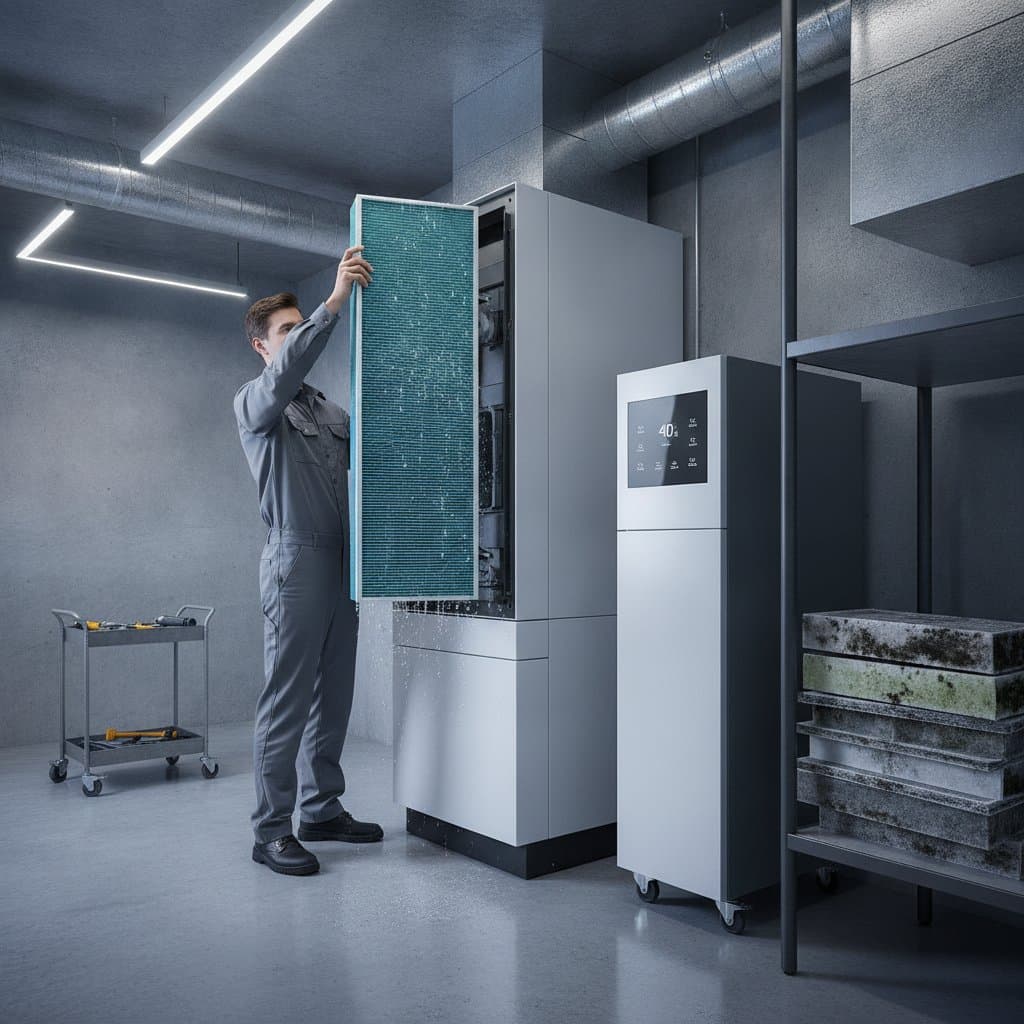
From years in the field I have seen homes with constant humidity issues use dehumidifiers yet still experience mold growth. The reason is that standard filters absorbed moisture and held it, giving spores a place to grow. This is where moisture-wicking HVAC filters come in.
The Science Behind Moisture-Wicking Filters
Moisture-wicking filters are engineered with advanced synthetic fibers that repel water rather than absorb it. The fibers draw moisture away from the surface, allowing air to pass through clean and dry. This design prevents the damp buildup that ordinary filters can trap.
Consider athletic fabric for your HVAC system. Just as moisture-wicking clothing keeps sweat away from skin, these filters keep humidity away from airflow. The result is cleaner, drier air that helps your system maintain balanced humidity levels.
How Moisture-Wicking Filters Protect Your Home
These filters do more than block dust and allergens. They act as a first line of defense against mold and microbial contamination. When your filter stays dry it prevents spores from latching onto it and spreading through the ducts.
Homeowners gain several advantages with moisture-wicking filters. Reduced mold growth occurs because the dry surface discourages bacteria and mold colonies from forming. Cleaner indoor air results as less humidity means fewer musty odors and a healthier breathing environment. Improved efficiency follows when a dry filter maintains steady airflow and helps the system run more smoothly. Longer system life comes from preventing moisture accumulation that reduces corrosion and wear inside the HVAC unit.
Expert Tips to Get the Best Results
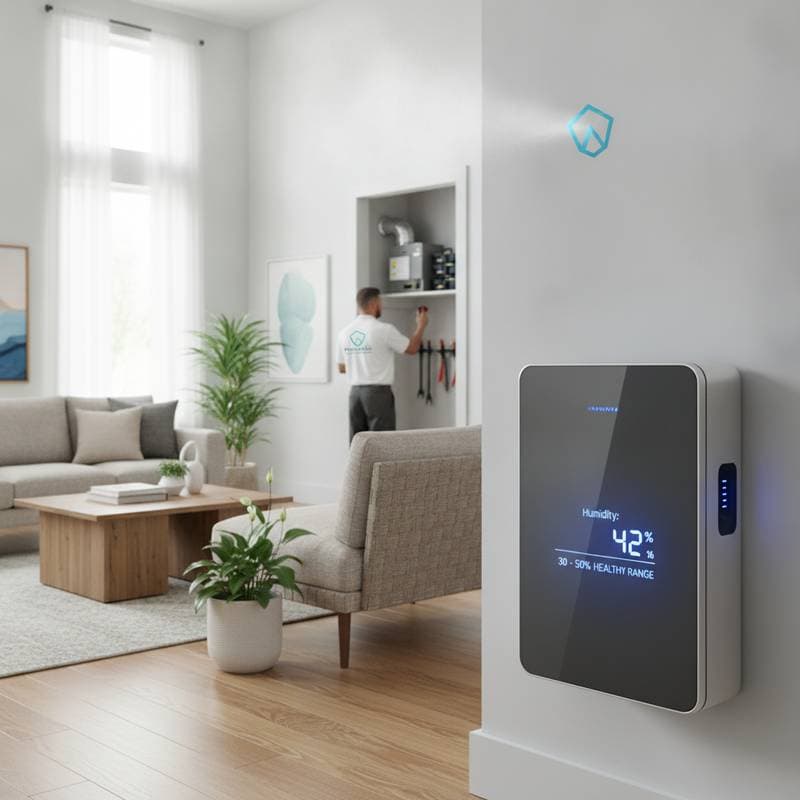
Combine moisture-wicking filters with additional steps for full moisture control. Monitor indoor humidity with a hygrometer and keep levels between 40 and 50 percent. Anything higher invites mold while lower levels can dry out skin and wood furnishings.
Replace filters regularly even when they are moisture resistant. Change them every one to three months because a clogged filter restricts airflow and traps pollutants. Inspect ductwork by having a professional check for condensation or leaks since poor insulation or gaps can allow humid air to enter the system. Keep coils clean because evaporator coils collect moisture during cooling cycles and cleaning ensures water drains properly instead of pooling. Use proper ventilation with exhaust fans in kitchens, bathrooms, and laundry areas to release trapped humidity before it circulates through the HVAC system.
Practical Considerations for Homeowners
Moisture-wicking filters typically cost slightly more than standard ones, ranging from about 20 to 60 dollars depending on size and brand. The payoff includes cleaner air, fewer maintenance issues, and less risk of mold remediation that can cost thousands. Installation takes only a few minutes and requires no special tools, making it an easy upgrade for most homeowners.
Local building codes often require HVAC systems to maintain proper airflow and air quality. Using a high-quality moisture-resistant filter helps you stay compliant while protecting the home interior environment. Always ensure the filter you choose fits your system specifications for airflow and efficiency ratings such as MERV.
Choosing Filters for Long-Term Humidity Control
Your HVAC system supports home comfort throughout the year. Switching to a moisture-wicking filter strengthens that system against humidity threats. You will notice fresher air, steadier temperatures, and fewer allergy triggers. If you are unsure which filter matches your system, reach out to a vetted HVAC expert for a no-obligation consultation. With the right filter and expert guidance your home can become a sanctuary shielded from dampness and mold.