Understanding the Shift Toward Humidity Priority in HVAC
In 2026, advancements in heating, ventilation, and air conditioning technology emphasize humidity control over mere temperature regulation. High humidity levels can make spaces feel warmer and more uncomfortable, even when thermostats read comfortably. By addressing moisture directly, homeowners experience improved well-being and operational efficiency.
Traditional systems focus on cooling or heating air, often overlooking the role moisture plays in perceived comfort. Excess humidity fosters mold, irritates respiratory systems, and strains equipment. Integrated humidity management resolves these issues, creating balanced indoor conditions that support health and sustainability.
Key Steps to Implement Effective Humidity Control
Achieving optimal humidity requires a systematic approach. Begin with evaluation and proceed to targeted installations. These steps ensure comprehensive coverage and long-term performance.
-
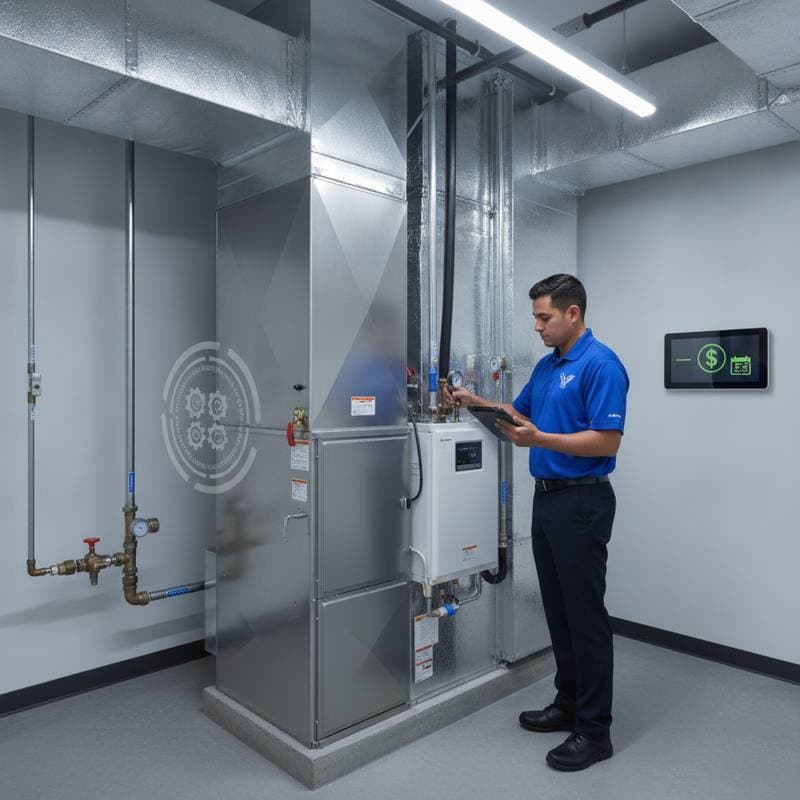
Conduct a Professional Home Assessment
A certified technician examines your home's structure, including walls, insulation, and ventilation paths. This process reveals moisture entry points, such as poorly sealed windows or inadequate attic barriers. Recommendations include specific seals or ventilation enhancements to prevent future buildup. -
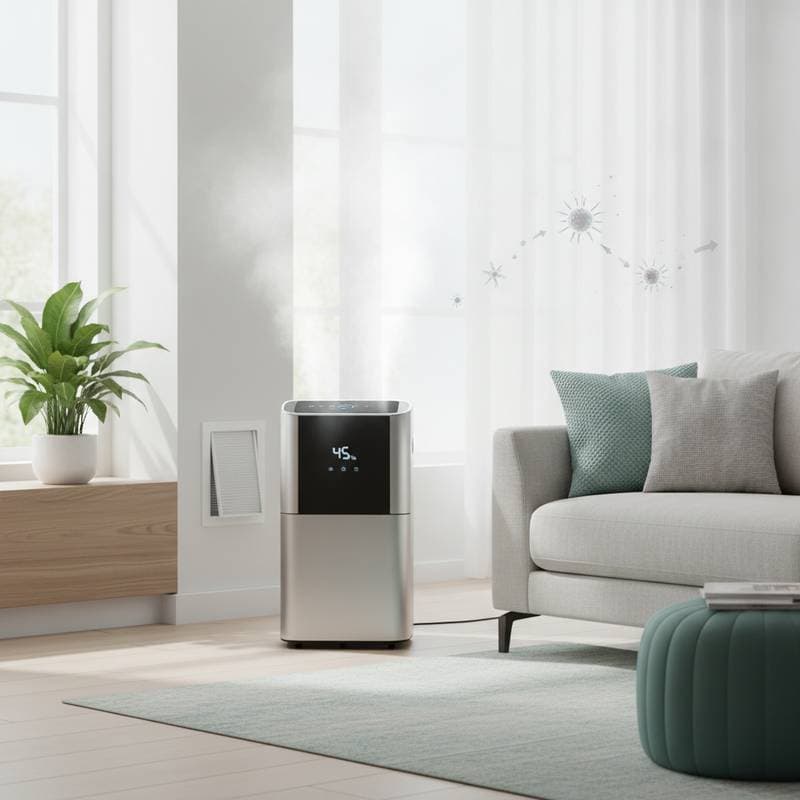
Incorporate a Whole-Home Dehumidifier
This centralized unit integrates with existing duct systems, distributing dry air evenly. Unlike standalone devices, it operates silently and covers multiple zones without relocation. Installation involves connecting to the main HVAC line for seamless moisture extraction during routine cycles. -
Adopt Variable-Speed HVAC Components
Compressors and fans that adjust speeds run extended cycles at reduced intensity. This method extracts up to 30 percent more moisture than fixed-speed alternatives. Select models certified for low-humidity operation to maximize dehumidification without excessive energy draw. -
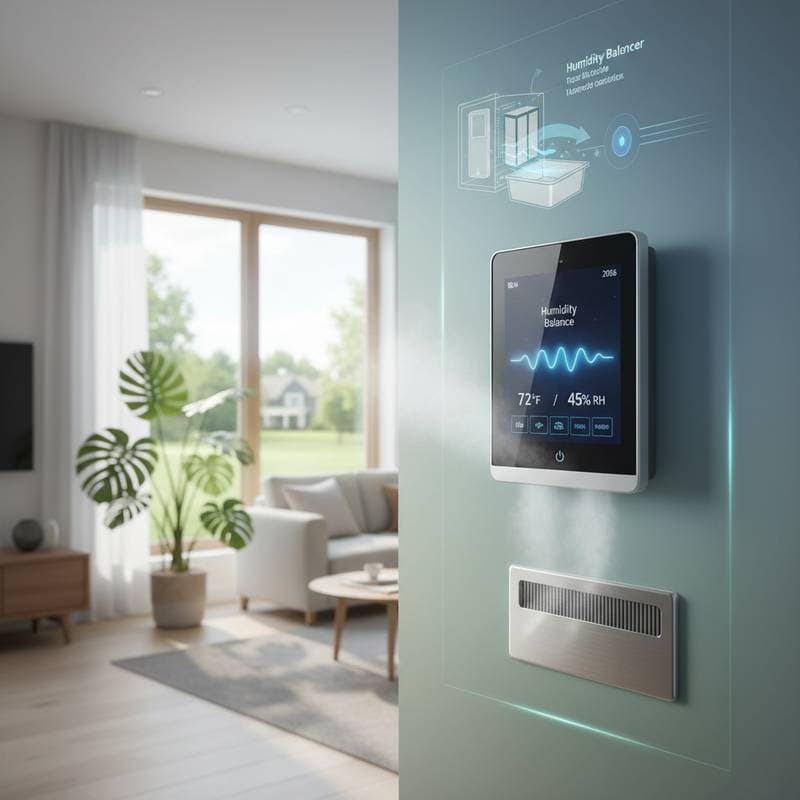
Deploy Smart Thermostats Equipped with Humidity Monitoring
These devices measure relative humidity in real time and modulate system responses. For instance, they extend fan runtime to dry incoming air or activate dehumidifiers preemptively. Integration with mobile apps allows remote adjustments and notifications for deviations beyond 40 to 60 percent humidity. -
Secure and Insulate Duct Systems Thoroughly
Inspect ducts for leaks that introduce outdoor humidity from basements or roofs. Apply mastic sealant and wrap insulation around vulnerable sections. This upgrade not only controls moisture but also minimizes conditioned air loss, enhancing overall system efficacy.
Immediate Advantages of Balanced Humidity
Once implemented, humidity control delivers tangible improvements swiftly. Residents report reduced stuffiness and more stable room conditions. The following outcomes emerge consistently:
- Suppression of mold and allergen proliferation
- Preservation of wooden surfaces against expansion or contraction
- Elimination of surface moisture on glass and interior walls
- Enhancement of restful sleep and eased breathing
- Optimization of energy use, yielding measurable bill reductions
One homeowner described their summer evenings transforming from oppressive heat to refreshing coolness after system upgrades. Cooling expenses decreased by 15 percent, allowing greater enjoyment of living spaces without discomfort.
Essential Factors in System Upgrades
Planning a humidity-focused HVAC installation involves evaluating several practical elements. These considerations guide informed decisions and prevent common pitfalls.
-
Investment Spectrum: Full system replacements with humidity features range from $3,000 to $6,000, depending on home size and complexity. Retrofitting dehumidifiers to current setups costs $1,500 to $3,000, offering a cost-effective entry point.
-
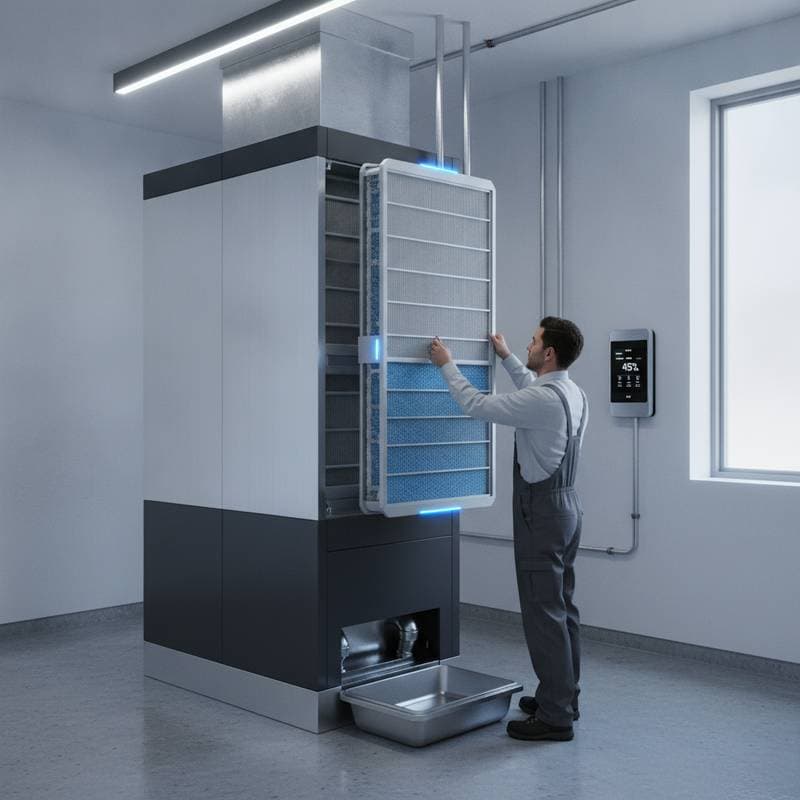
Ongoing Upkeep Requirements: Replace air filters biannually and calibrate sensors during professional visits. Routine checks maintain precision in moisture detection and removal processes.
-
Efficiency Gains: Proper humidity regulation cuts energy demands by 10 to 20 percent through reduced compressor strain and optimized airflow.
-
Regulatory Adherence: Engage licensed experts versed in regional building standards. Correct setup avoids problems like improper drainage or premature component wear.
HVAC specialist Marcus Reed notes, “Humidity control is about balance. Too much or too little moisture can wear down your system faster than temperature extremes ever will.” This perspective underscores the protective role of moisture management for both homes and appliances.
Strategies for Sustained System Efficiency
Maintaining peak performance demands regular attention to core components. Simple routines prevent declines in functionality and air quality.
-
Replace Filters on Schedule to sustain unrestricted airflow and filtration effectiveness.
-
Inspect Condensate Lines quarterly to clear blockages and facilitate smooth water discharge.
-
Service Evaporator Coils Annually by professionals to remove residue that impedes dehumidification.
-
Track Humidity Metrics daily via integrated displays or standalone devices for proactive adjustments.
-
Arrange Seasonal Checkups to verify alignment with changing weather patterns and usage needs.
Adopting these practices ensures reliable operation and extends the lifespan of humidity-controlled features.
The Transformative Impact of Advanced Humidity Management
This technology shifts HVAC from basic climate control to sophisticated environmental stewardship. It prioritizes sensory comfort alongside measurable health and cost benefits. Families with sensitivities to allergens often notice relief quickly, while structural elements endure seasonal shifts better.
Over years of installations, professionals observe preserved interiors and heightened resident satisfaction. Such systems eliminate reliance on temporary fixes, delivering automated precision tailored to daily life.
Steps to Achieve Your Humidity-Controlled Home
Transitioning to this standard begins with expert consultation. Contact certified HVAC providers specializing in moisture solutions for a customized evaluation. They assess local climate influences, from coastal dampness to arid interiors, to design resilient setups.
Professional guidance ensures installations align with your home's unique demands. The result: an interior that safeguards assets, nurtures wellness, and provides enduring refreshment upon entry.