Humidity Control HVAC: 2026's Comfort Game-Changer
As an HVAC professional, I have observed numerous homeowners grappling with inconsistent indoor environments. Even with efficient air conditioners or furnaces, many experience stickiness during summer or dryness in winter. This discomfort often stems from an overlooked element: humidity. In coastal areas with abundant moisture or arid regions where air feels brittle, effective humidity control serves as the essential component for optimal home comfort.
Imagine entering your home after a demanding day to encounter crisp, refreshing air that neither adheres to your skin nor causes irritation. Such comfort represents more than a luxury in 2026. Advanced HVAC humidity control systems now establish new standards for efficient and comfortable living.
Why Humidity Matters More Than You Think
Homeowners typically prioritize temperature when adjusting thermostats, yet humidity profoundly affects perceived comfort. Elevated humidity causes air to feel warmer than the actual reading, whereas low humidity renders it cooler and more abrasive. Maintaining indoor humidity between 40 and 60 percent yields significant advantages.
Balanced humidity, based on extensive field experience, accomplishes the following:
- Prevents mold and mildew proliferation
- Safeguards wood flooring, furniture, and instruments from damage
- Elevates indoor air quality
- Boosts energy efficiency by allowing comfortable settings at moderate temperatures
Excess moisture fosters musty odors and material warping, while insufficient levels provoke dry skin, static electricity, and respiratory discomfort.
The Opportunity: Whole-Home Humidity Control
Standard air conditioners and furnaces often fail to regulate moisture precisely. Air conditioners extract some humidity during cooling, but lack precision for consistent management. Furnaces, meanwhile, tend to deplete moisture in winter months. Dedicated humidity control systems address these limitations effectively.
Whole-home dehumidification and humidification units integrate seamlessly with existing HVAC infrastructure. These components collaborate with heating and cooling elements to sustain ideal moisture levels automatically. As a result, every room maintains uniform comfort, irrespective of external weather variations.
Energy experts report that homes with regulated humidity achieve up to 20 percent lower energy consumption. When humidity balances temperature perception, residents can adjust thermostats higher in summer or lower in winter while preserving satisfaction.
How Modern Humidity Control Systems Work
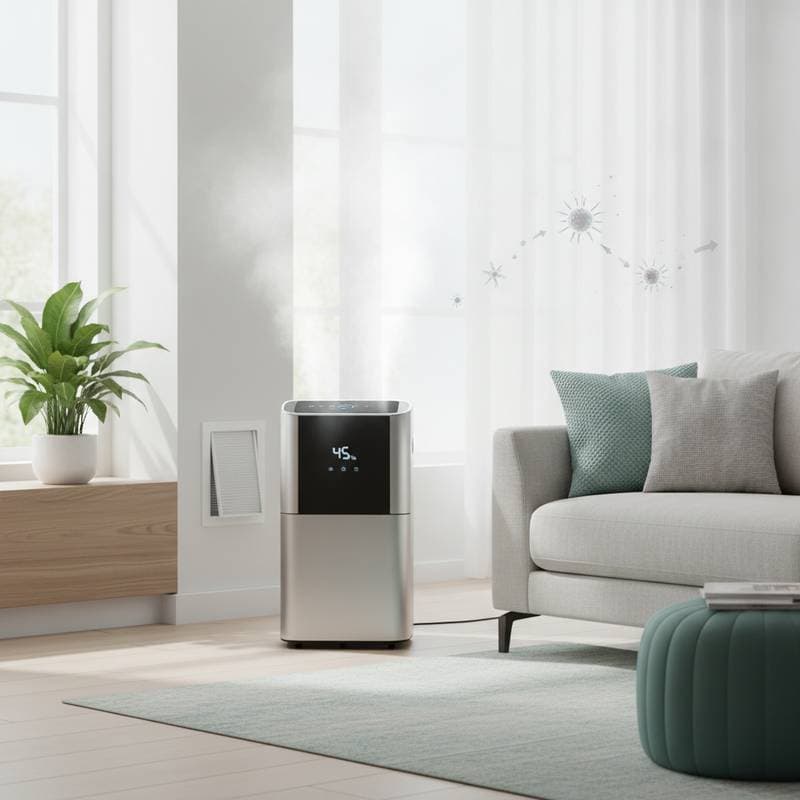
Contemporary humidity control systems employ sensors and intelligent controls to assess indoor conditions continuously. If humidity exceeds optimal levels, the dehumidifier removes surplus moisture and directs it away through dedicated drainage. In dry conditions, the humidifier introduces moisture via evaporation or steam methods.
Key Components Include:
- Integrated Sensors – These devices measure humidity and relay data to the central control unit.
- Dehumidifier Unit – This extracts moisture from incoming air prior to duct distribution.
- Humidifier Unit – This disperses moisture through evaporative pads or steam generation.
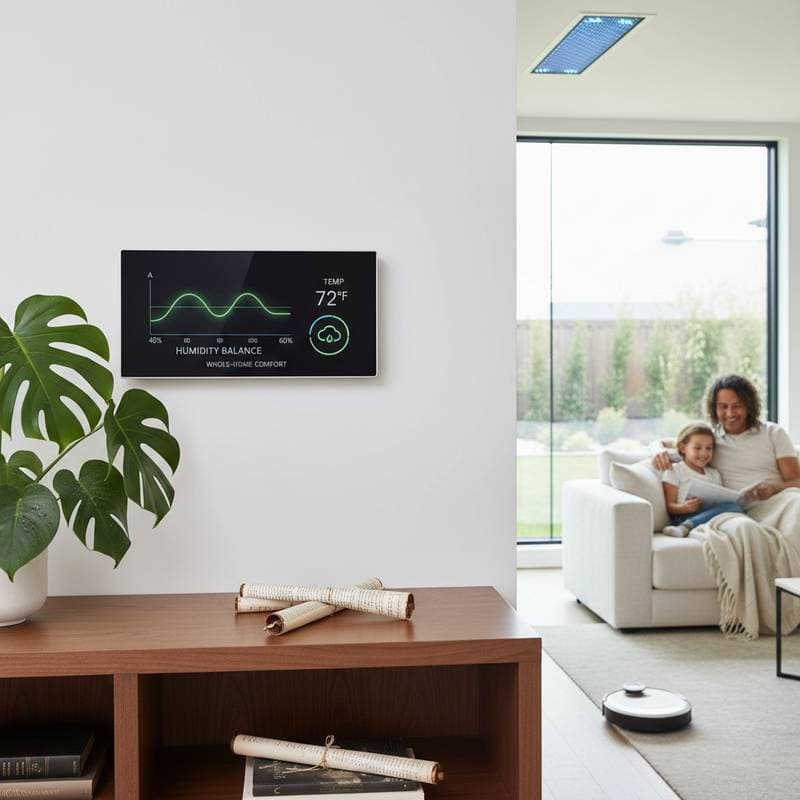
- Smart Thermostat – This enables users to set humidity preferences alongside temperature controls.
This integrated approach delivers balanced, purified air throughout the year.
Expert Steps to Upgrade Your System
Upgrading to humidity control requires a structured approach for optimal results.
-
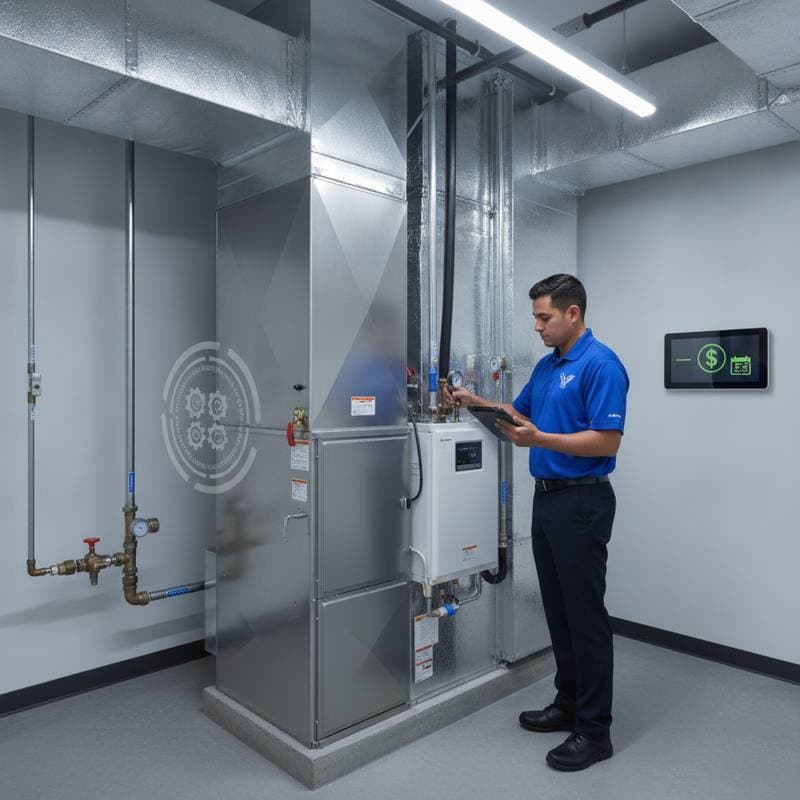
Schedule a Professional Inspection
A certified technician evaluates existing humidity, examines duct integrity, and detects issues like condensation or leaks. -
Select the Right Equipment
Opt for whole-home dehumidifiers in humid climates, humidifiers in dry areas, or hybrid units for versatility. -
Integrate Smart Controls
Connect humidity management to a smart thermostat for hands-free operation and efficiency gains. -
Ensure Proper Sizing
Professionals determine unit capacity according to home size, insulation, and local conditions to avoid underperformance. -
Plan Regular Maintenance
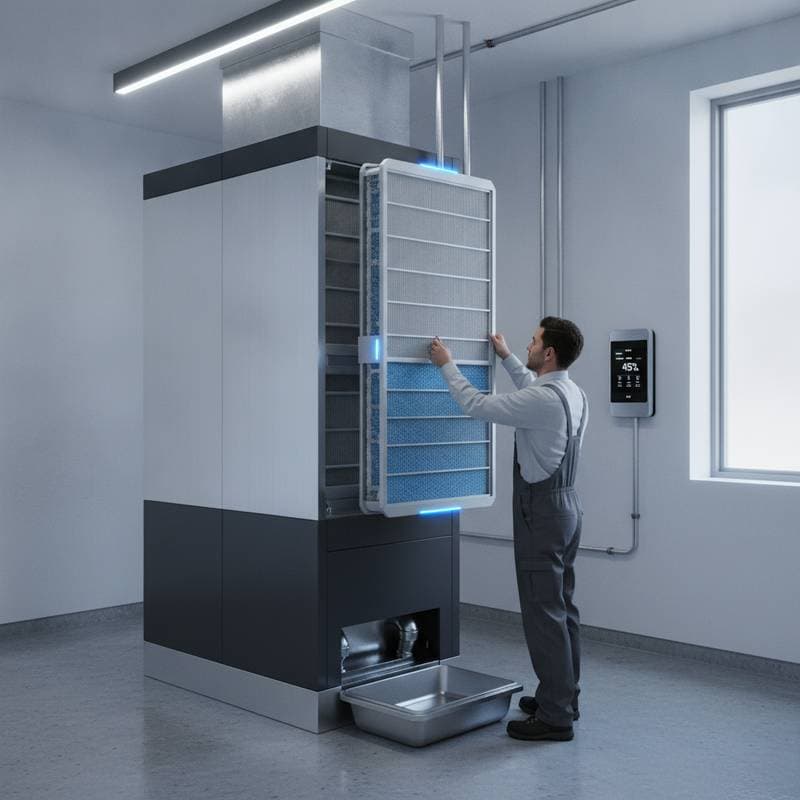
Conduct filter replacements, coil cleanings, and drainage checks biannually to sustain reliability.
Certified technicians should perform tune-ups before seasonal changes to avert expensive repairs.
Practical Considerations for Homeowners
Humidity control enhances long-term comfort but demands thoughtful implementation. Installation costs for a whole-home dehumidifier range from $1,500 to $3,000, while humidifiers fall between $600 and $1,000. Advanced combinations with smart features may exceed these figures, yet deliver enduring value.
Energy reductions frequently recoup initial investments. Regulated humidity eases demands on HVAC components, lowering bills by 10 to 15 percent yearly.
Safety measures include routing dehumidifier drains to avoid water hazards and routine humidifier cleaning to prevent bacterial growth. Contractors manage permits for duct or electrical modifications, ensuring adherence to local codes.
Expert Tips to Keep Humidity in Check Year-Round
Implement these strategies to sustain optimal indoor humidity:
- Operate exhaust fans in bathrooms and kitchens to vent excess moisture.
- Seal ductwork to block humid infiltration into controlled areas.
- Deploy a hygrometer for independent humidity tracking.
- Replace air filters monthly, as blockages impair airflow and regulation.
- Inspect windows, doors, and foundations for leaks that introduce unwanted moisture.
HVAC consultant Dana Ruiz notes, “Humidity is the invisible element of comfort. You can’t always see it, but you definitely feel when it’s off balance.” This perspective underscores the importance of proactive management for well-being and property integrity.
The Future of Comfort: Smarter, Healthier Living
Home automation advancements enable remote monitoring of temperature, humidity, and air quality via mobile devices. Emerging systems incorporate predictive algorithms that adapt to household routines, preempting imbalances before they affect comfort.
Field observations reveal that these technologies not only refine comfort but also promote health. Controlled humidity inhibits dust mites, minimizes allergens, and supports better sleep. A harmonious indoor atmosphere fosters tranquility and cleanliness.
Implementing Humidity Control for Lasting Benefits
Persistent stuffiness in summer or aridity in winter signals the need for humidity intervention. Engage a professional to assess your setup and recommend climate-specific solutions, such as dehumidifiers, humidifiers, or integrated systems.
Success depends on expert installation, consistent maintenance, and vigilant monitoring. These elements secure elevated comfort, asset protection, and superior air quality across seasons.
Contact a qualified HVAC specialist through americanairhvac.net for a complimentary consultation and explore tailored humidity solutions.
FAQ
Q: How can I tell if my home needs a dehumidifier or humidifier?
A: Condensation on windows, musty odors, or clammy air indicate a dehumidifier requirement. Dry skin, static electricity, or wood cracking suggest a humidifier. Professional testing provides definitive guidance.