Why Humidity Control Prevents Mold and Allergens
As an HVAC professional, I frequently encounter homeowners frustrated by ongoing allergy issues and lingering musty odors. Many attribute these problems to dust accumulation or outdated filters, yet humidity often serves as the underlying cause. When indoor moisture exceeds optimal levels, it transforms your home into an ideal habitat for mold spores, dust mites, and various allergens that flourish in moist conditions.
Residents in areas with humid summers or prone basements recognize the sensation of thick, sticky air. This excess moisture infiltrates drywall, wooden structures, and carpets. Over time, it promotes mold proliferation and exacerbates respiratory discomfort. Fortunately, targeted humidity management establishes a stable indoor climate that promotes freshness, health, and durability across seasons.
Understanding Moisture Imbalance and Its Effects
Humidity represents the concentration of water vapor in the air. Levels surpassing 50 percent over prolonged durations initiate a series of air quality challenges. Mold requires only minimal moisture to activate; it adheres to warm, wet surfaces and disperses tiny particles that inflame respiratory passages. Elevated humidity similarly sustains dust mites, a primary allergen source in sleeping areas and soft furnishings.
In my professional experience, even minor leaks or inadequate airflow can result in extensive mold behind structural elements. One homeowner endured repeated sinus problems unaware that her crawl space maintained 75 percent humidity. After installing a whole-home dehumidifier and securing vents, her condition improved rapidly.
Low humidity presents its own issues, such as splitting wood floors, drying skin, and heightened vulnerability to irritants. The optimal range of 35 to 50 percent relative humidity inhibits mold without sacrificing comfort.
Impacts of Humidity on Health and Well-Being
Consider why marginally moist air exerts significant effects on health. The explanation resides in the interplay between your body, home, and moisture levels. Excessive humidity impairs sweat evaporation, causing overheating and exhaustion. Your HVAC unit operates extended periods to extract moisture, thereby increasing energy demands.
Mold, dust mites, and bacteria proliferate in such conditions. HVAC consultant James R. notes, "Humidity control ranks among the most neglected aspects of allergy management. Even the finest air purifier proves ineffective if humidity remains unbalanced, allowing allergens to persist."
Stable indoor humidity enhances comfort, safeguards structural integrity, minimizes energy loss, and bolsters respiratory wellness.
Essential Methods for Managing Indoor Humidity
No universal remedy suits all residences. Effective strategies align with local climate, existing HVAC configuration, and lifestyle patterns. The following proven techniques restore humidity balance.
1. Integrate a Whole-Home Dehumidifier
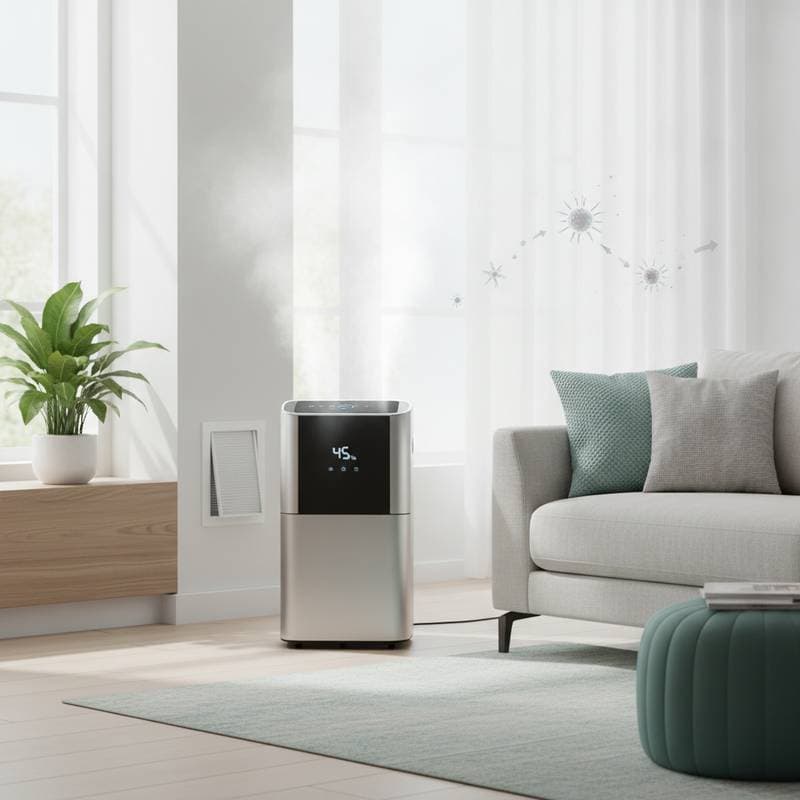
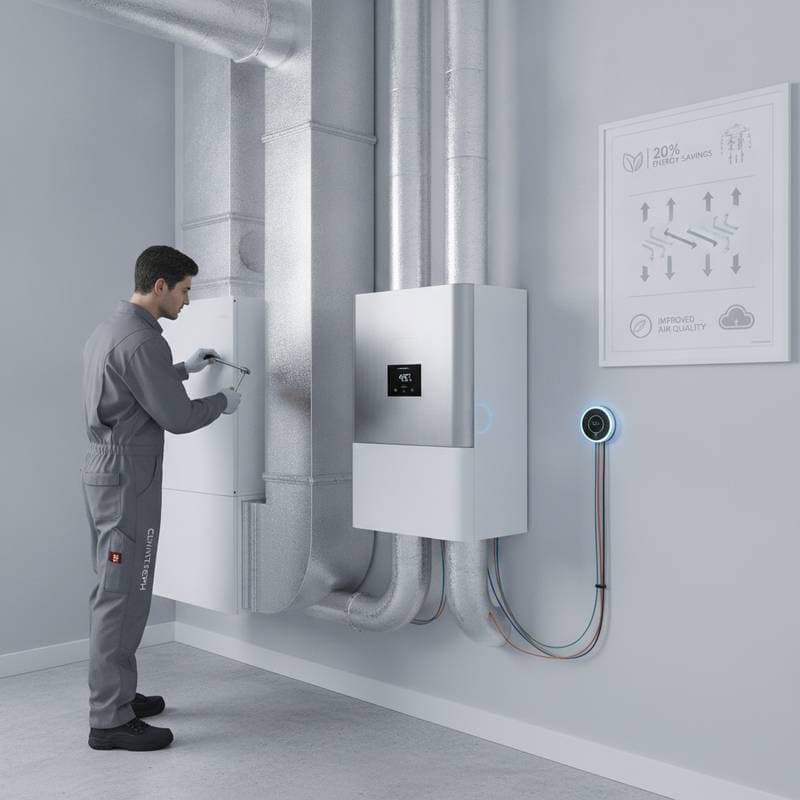
A whole-home dehumidifier integrates with HVAC ducting to extract surplus moisture prior to air distribution. Unlike standalone models, it ensures even humidity throughout the house.
Key advantages:
- Consistent regulation without frequent reservoir emptying
- Suppression of mold and mildew in concealed areas
- Enhanced air conditioner performance by alleviating moisture removal duties
For properties in coastal or humid zones, I advocate whole-home units. Installation typically ranges from $1,800 to $3,000, yielding reduced utility costs, diminished allergy episodes, and extended equipment longevity.
2. Optimize Ventilation and Air Circulation
Effective ventilation refreshes indoor air and curbs moisture accumulation. High-humidity zones include kitchens, bathrooms, and laundry spaces.
Practical steps:
- Activate exhaust fans during cooking and bathing.
- Verify that vents expel air outside, avoiding attics or crawl spaces.
- Install an energy recovery ventilator to swap stale indoor air with conditioned outdoor air while preserving thermal equilibrium.
Ventilation functions as your home's breathing mechanism, expelling moisture before it permeates surfaces.
3. Eliminate Leaks and Enhance Insulation
Moisture infiltrates via minor fissures and insufficient insulation. Seal gaps around windows, doors, and ducts to block entry. Focus on basements and crawl spaces, where temperature differentials foster condensation.
Expert recommendation: Apply vapor barriers and closed-cell foam insulation in vulnerable spots. These prevent water uptake, reduce dew formation, and contain mold within inaccessible regions.
4. Service Your HVAC System Routinely
Air conditioners dehumidify during operation, but undersized or neglected units fail to extract adequate moisture.
Routine maintenance tasks:
- Exchange filters every one to three months.
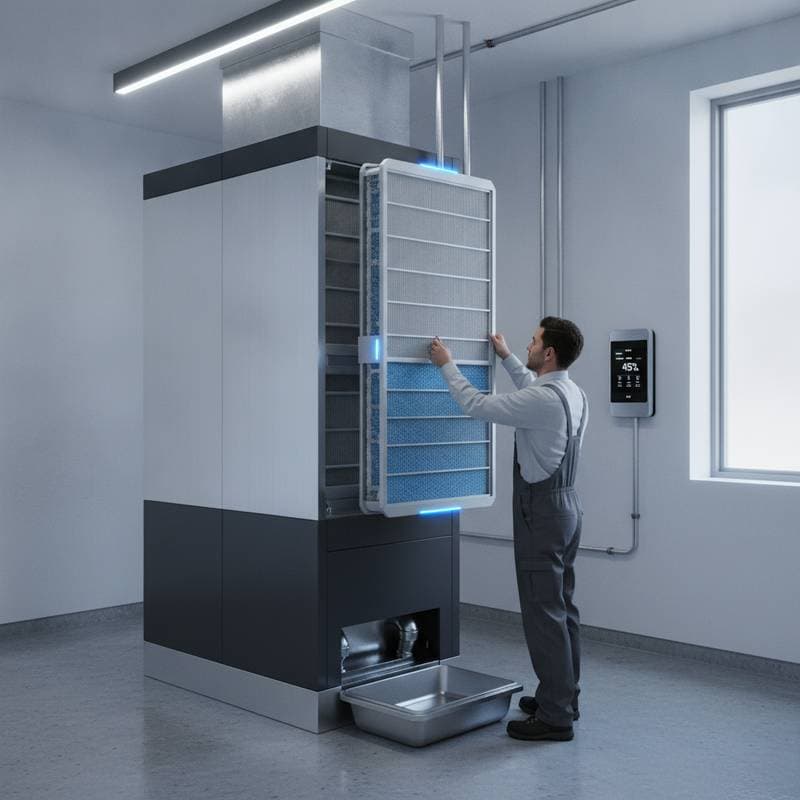
- Clear evaporator coils and drain pans to avoid standing water.
- Arrange biannual professional inspections.
A client remarked post-service, "The air feels lighter and purer now." Such upkeep yields noticeable improvements.
5. Track Humidity Levels Consistently
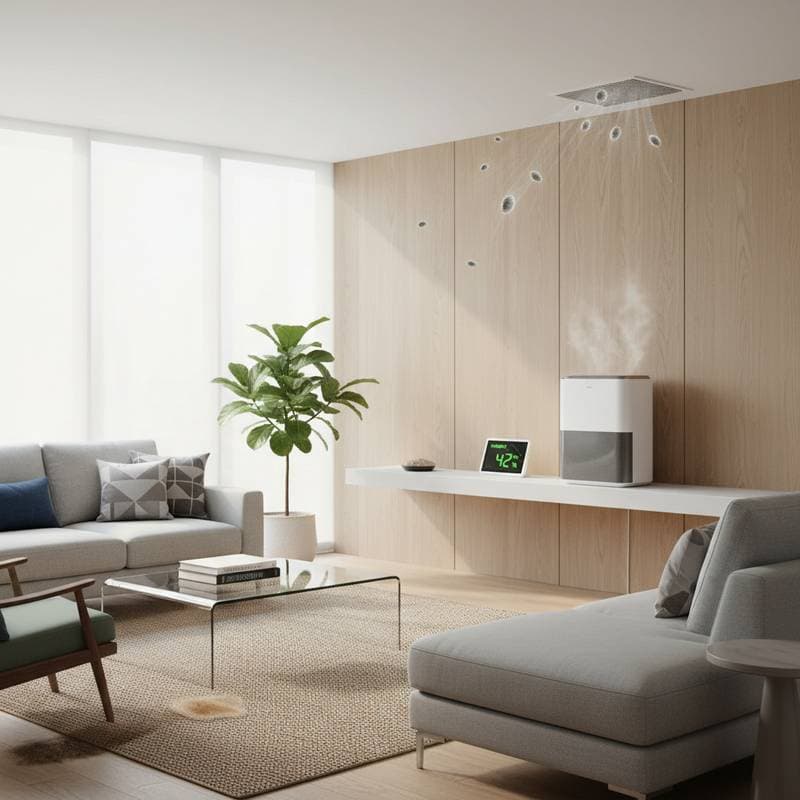
Measurement precedes control. A digital hygrometer provides instant humidity readings. Advanced thermostats monitor and modulate HVAC responses automatically.
If levels exceed 55 percent, engage dehumidification or boost airflow. Below 30 percent, consider humidification to counteract aridity.
Proactive Measures Against Mold and Allergens
Humidity regulation forms the foundation, yet complementary practices ensure enduring protection.
Identify warning indicators:
- Window or pipe condensation
- Musty scents in storage or lower levels
- Apparent mold on surfaces
- Worsening indoor allergies
Implement preventive routines:
- Clear gutters to divert water from foundations.
- Opt for open shelving over enclosed bins in moist zones.
- Deploy silica gel absorbers in tight spaces.
- Operate ceiling fans for uniform air movement.
Achieving Efficiency and Cost-Effectiveness
Humidity solutions need not strain finances. Portable dehumidifiers, priced at $200 to $500, suit targeted areas like basements. Comprehensive systems, despite higher initial costs, cut energy use by up to 15 percent by easing HVAC strain.
Evaluate choices based on power consumption, upkeep needs, and regional conditions. Humid locales gain from dehumidifiers; arid ones may require humidifiers to avert static and material damage.
Prioritize safety: Direct drainage properly to prevent spills. Position units away from combustibles and adhere to cleaning protocols to inhibit growth.
Navigating Regulations and Seeking Expertise
Local codes govern ventilation and dehumidification. Modifications like adding dehumidifiers or ventilators often necessitate permits and checks. Expert setup guarantees compliance and compatibility with current infrastructure.
Consult certified HVAC specialists for assessments. They evaluate airflow, insulation, and capacity to design climate-specific plans, addressing coastal dampness or elevated dryness.
Steps to a Balanced Indoor Environment
Humidity management extends beyond comfort to preserve health, property, and tranquility. Balanced moisture renders air vibrant, keeps surfaces arid, and eases breathing.
Success demands ongoing oversight, upkeep, and suitable equipment selection. From whole-home dehumidifiers to humidity-aware thermostats or refined ventilation, each element contributes to superior air quality.
Address mold or allergies promptly. Professional support and appropriate tools convert your residence into a moisture-resistant haven. Contact American Air HVAC to link with qualified technicians and attain optimal freshness and ease.
Frequently Asked Questions
Q: How often should I operate my dehumidifier?
A: Activate it when humidity exceeds 50 percent. In moist regions, daily operation may occur in summer. Automated units sustain targets effortlessly.
Q: Can an air conditioner replace a dehumidifier?
A: Air conditioners extract partial moisture, but lack specialization. Persistent high humidity during cooling warrants a dedicated unit for superior results and savings.
Q: What humidity range best relieves allergies?
A: Target 35 to 50 percent. This range curbs mold and mites while supporting skin and lung comfort.
Q: How do I detect hidden humidity-induced mold?
A: Note musty smells, surface stains, or allergies that subside outdoors. Experts conduct thorough evaluations for safe remediation.
Q: Does humidity management enhance HVAC performance?
A: Yes. Balanced air allows efficient cooling and heating.