Why Ductless Mini-Splits Outperform Traditional HVAC in Older Homes
Older homes often present unique challenges for heating and cooling systems. Traditional HVAC setups rely on extensive ductwork, which can be inefficient, costly to install, and disruptive in structures with limited space or historical features. Ductless mini-splits address these issues directly by providing targeted climate control without the need for ducts. This approach delivers superior efficiency, flexibility, and comfort tailored to the layout of vintage properties.
Homeowners appreciate how ductless systems integrate seamlessly into existing homes. They eliminate the energy losses associated with duct leaks, which can waste up to 30 percent of conditioned air in traditional systems. In addition, these units offer precise temperature management for individual rooms, ensuring even comfort throughout the house. As energy costs rise, the appeal of such innovations grows, positioning ductless mini-splits as a forward-thinking solution for 2026 and future upgrades.
Key Advantages of Ductless Mini-Splits
Enhanced Energy Efficiency
Ductless mini-splits utilize advanced inverter technology to adjust compressor speed based on real-time demand. This results in significant energy savings compared to traditional HVAC systems that cycle on and off abruptly. For older homes, where insulation may vary, these systems maintain consistent temperatures with minimal electricity use. Studies indicate potential reductions in energy bills by 20 to 40 percent, depending on the home's size and climate zone.
Simplified Installation Process
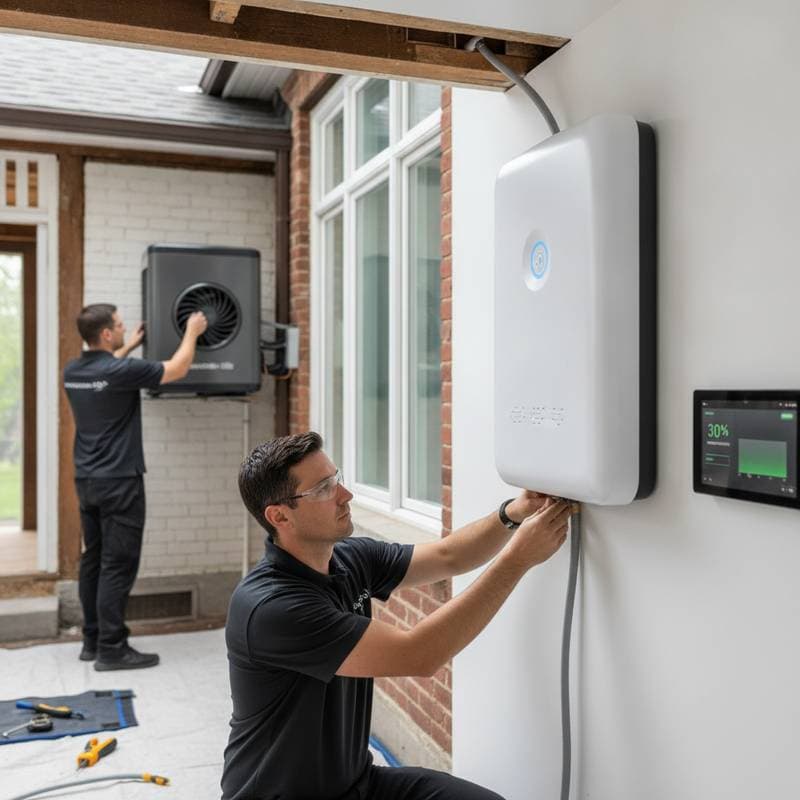
Installing traditional HVAC often requires cutting into walls, ceilings, and floors to run ducts, leading to weeks of construction and high costs. Ductless systems bypass this entirely. Technicians drill small holes, typically three inches in diameter, to route refrigerant lines and electrical wiring from an outdoor unit to indoor wall-mounted heads. This method causes far less disruption, allowing families to remain in their homes during the process. Completion times range from one day for single-zone setups to a few days for multi-zone configurations.
Flexible Zoning for Custom Comfort
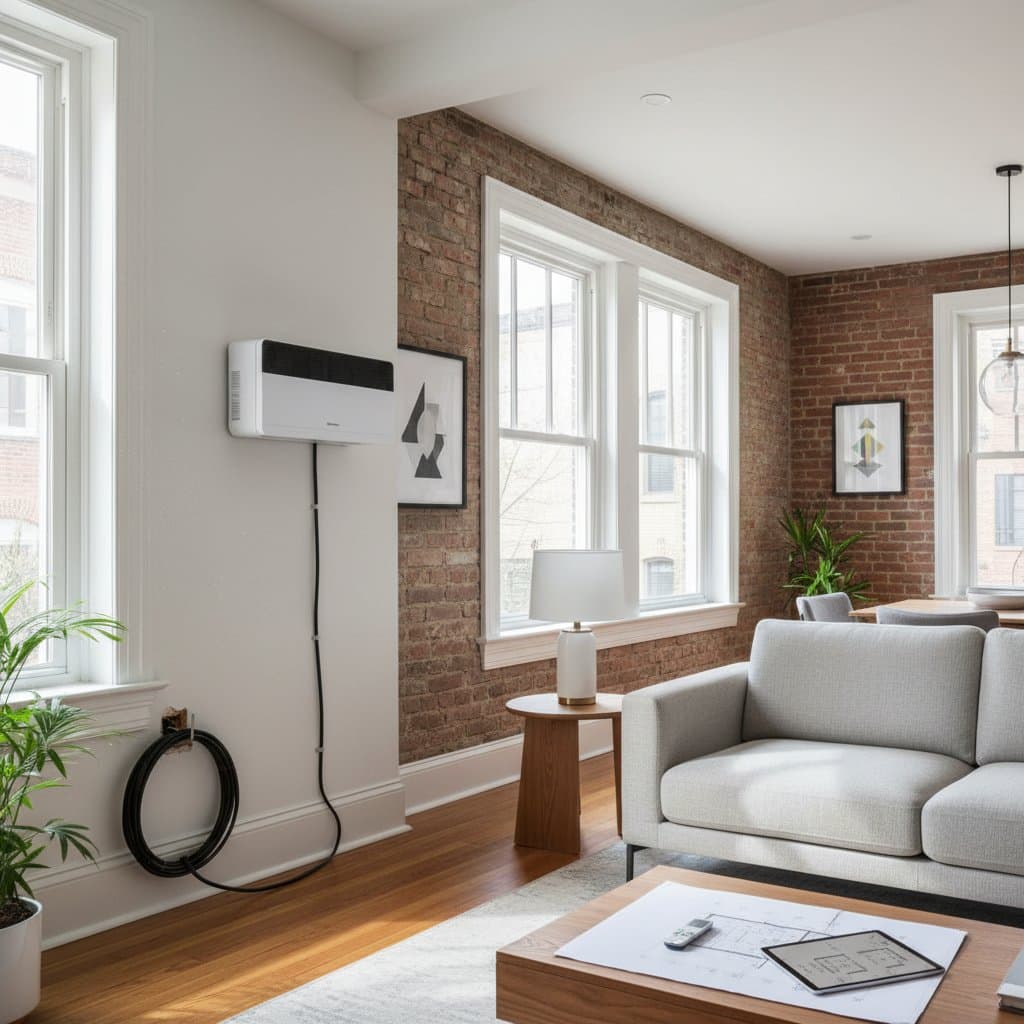
One standout feature is the ability to control temperatures in specific areas independently. Traditional systems treat the entire home as one unit, often overcooling or overheating unused spaces. With ductless mini-splits, each indoor unit operates on its own, enabling personalized settings for bedrooms, living areas, or offices. This zoning not only enhances comfort but also optimizes energy use by focusing resources where needed most.
Improved Air Quality and Quiet Operation
These systems incorporate multi-stage filtration to capture dust, allergens, and pollutants more effectively than many duct-based alternatives. In older homes prone to drafts or poor ventilation, this upgrade promotes healthier indoor environments. Furthermore, indoor units produce minimal noise, often below 30 decibels, creating a peaceful atmosphere without the hum of central blowers.
Costs, Efficiency Gains, and Long-Term Savings
Initial investment for a ductless mini-split system varies based on factors such as home size, number of zones, and unit efficiency ratings. A basic single-zone setup starts at around $3,000, while comprehensive multi-zone installations for larger homes can reach $10,000 or more. These figures include equipment, labor, and basic electrical modifications. Despite the upfront cost, payback occurs through lower utility bills and reduced maintenance needs.
Efficiency ratings, measured by SEER (Seasonal Energy Efficiency Ratio) and HSPF (Heating Seasonal Performance Factor), often exceed 20 for modern units, far surpassing many older HVAC systems. In cold climates, heat pump models extract warmth from outdoor air down to temperatures as low as five degrees Fahrenheit. Over a decade, savings can accumulate to thousands of dollars, making the switch a financially sound decision for aging properties.
Ways to Save Money on Ductless Retrofits
Homeowners can reduce expenses through strategic planning and informed choices. Consider the following approaches:
- Obtain multiple quotes: Solicit estimates from at least three licensed contractors to ensure competitive pricing and accurate assessments.
- Pursue rebates and incentives: Utility providers and government programs frequently offer rebates for high-efficiency heat pumps, potentially covering 10 to 30 percent of costs.
- Schedule during off-peak seasons: Opt for installation in spring or fall when contractor demand decreases, leading to lower rates.
- Bundle with home improvements: Pair the retrofit with insulation enhancements or air sealing to maximize efficiency and qualify for additional discounts.
- Select appropriately sized units: Work with professionals to match system capacity to your home's needs, preventing energy waste from oversized equipment.
- Commit to regular maintenance: Annual professional servicing prevents breakdowns and prolongs system life, avoiding expensive repairs.
- Explore financing options: Many providers offer flexible payment plans with low or zero interest to spread costs over time.
Common Questions About Ductless Retrofits
How Much Does a Ductless System Cost for an Older Home?
Costs typically range from $3,000 to $10,000, influenced by the number of indoor units, home square footage, and selected efficiency features. Single-zone systems suit smaller spaces, while multi-zone options cover entire homes. Factor in potential rebates to lower the net expense.
Are Ductless Systems Efficient for Heating as Well as Cooling?
Yes, ductless heat pumps excel in both heating and cooling through inverter-driven compressors that modulate output for optimal performance. They function effectively in temperatures from extreme cold to intense heat, providing reliable climate control year-round.
Do Ductless Retrofits Require Major Construction?
No, the process involves minimal invasiveness. Small holes accommodate refrigerant lines and wiring, with no need for duct channels or extensive structural changes. This makes ductless ideal for preserving the integrity of older homes.
How Long Does Installation Take?
Single-zone installations generally complete in one day, assuming straightforward access. Multi-zone projects may extend to two or three days, particularly if electrical upgrades are necessary. Professional teams coordinate to minimize household impact.
What Brands Are Most Reliable?
Leading manufacturers include Mitsubishi Electric, Daikin, and Fujitsu, known for durable components and strong warranties. These brands consistently receive high marks for performance and longevity in independent tests.
Can I Control Each Zone Separately?
Yes, each indoor unit features its own remote or app-based controls, allowing independent temperature adjustments. This customization ensures energy efficiency and personalized comfort across different areas of the home.
How Long Do Ductless Systems Last?
With proper maintenance, these systems endure 15 to 20 years or longer. Indoor units often outlast outdoor compressors, and routine filter cleaning extends overall reliability.
Do Ductless Systems Add Value to a Home?
Absolutely, by enhancing energy efficiency and modernizing infrastructure. Appraisers note that such upgrades can increase property value by five to ten percent, appealing to eco-conscious buyers.
Hiring the Right Contractor and Securing Quotes
Selecting a qualified professional ensures a smooth retrofit. Follow these steps to make informed decisions:
- Verify state and local licensing requirements.
- Confirm certifications from NATE or specific manufacturers.
- Request detailed written estimates outlining all components.
- Inquire about warranty terms and available service plans.
- Review online feedback and contact provided references.
- Ensure old equipment disposal is part of the package.
- Discuss project timelines and payment structures.
- Evaluate total project costs, including labor and materials.
Embrace Efficient Comfort in Your Home
Ductless mini-splits transform older homes into havens of modern efficiency and tailored climate control. By sidestepping the limitations of traditional HVAC, these systems deliver substantial savings, superior air quality, and effortless zoning. Homeowners who invest in this upgrade enjoy enhanced daily living and a valuable asset for years ahead. Consult a trusted contractor today to explore how ductless technology fits your unique needs.