Why Ductless HVAC Systems Are Booming in New Construction
Homeowners and builders increasingly question conventional heating and cooling approaches. Consider a new residence featuring streamlined architecture, energy-saving windows, and expansive open layouts that require adaptable climate management. Rather than extensive duct networks concealed in ceilings, compact wall units provide consistent, fresh airflow with minimal intrusion. Ductless HVAC systems deliver this contemporary level of comfort in fresh builds.
The Increasing Adoption of Ductless Systems
Construction professionals adopt ductless mini-split configurations primarily because these systems align with the preferences of environmentally aware residents. In areas with humid summers and occasional cold spells, the capacity to regulate temperatures in specific zones proves transformative. Over years of professional observation, ductless setups have gained popularity as clients emphasize reliability, visual appeal, and resource conservation.
Conventional forced-air arrangements depend on extended ducts that may lose as much as 30 percent of treated air. Such inefficiencies lead to elevated utility expenses and inconsistent temperatures. Ductless configurations bypass these drawbacks completely, establishing them as a leading option for emerging structures.
Key Reasons Builders and Homeowners Select Ductless
Ductless HVAC offers advantages that extend past reduced energy use. These systems embody an updated approach to residential climate control: customized, effective, and aesthetically integrated.
The following elements highlight their suitability for new projects:
- Energy Efficiency: Ductless units achieve elevated SEER ratings. Numerous models surpass 20 SEER, potentially lowering energy expenses by 25 percent relative to outdated central configurations.
- Zoned Comfort: Independent temperature adjustments per room become possible. For instance, a child's room maintains warmth while a workspace stays temperate, eliminating disputes over settings.
- Design Flexibility: Absence of duct requirements allows architects to create unobstructed ceilings, taller windows, and innovative spatial arrangements.
- Quieter Operation: Outdoor compressors minimize noise, while indoor components produce only a soft murmur. Residents frequently note the operation as nearly silent compared to traditional fans.
- Simplified Installation: In new builds, specialists position components for peak effectiveness without allocating space for duct channels.
Guide to Integrating a Ductless System in a New Build
For those designing a new residence, follow these steps to incorporate ductless features effectively from the outset:
- Evaluate the Floor Plan: Determine zones according to room functions, natural light patterns, and usage frequency. Separate controls often suit sleeping quarters, communal spaces, and lower levels.
- Determine Appropriate Capacity: Collaborate with an HVAC specialist to calculate BTU needs per area. Units that are too large or small compromise overall performance.
- Choose Indoor Unit Types: Options include wall-mounted, recessed ceiling, and baseboard models. Select based on interior style and ventilation demands.
- Map Out Line Pathways in Advance: During the framing stage, designate routes for refrigerant tubing and wiring. This prevents later modifications.
- Verify Electrical Infrastructure: Dedicated circuits support most ductless setups. Coordinate wiring during the electrical installation period.
- Conduct Final Testing: Post-installation, technicians check refrigerant levels, airflow distribution, and zone equilibrium to guarantee uniform results.
Strategies to Optimize a Ductless System
- Refine Zone Configurations: Establish reasonable temperature thresholds and employ automated schedules to harmonize ease and conservation.
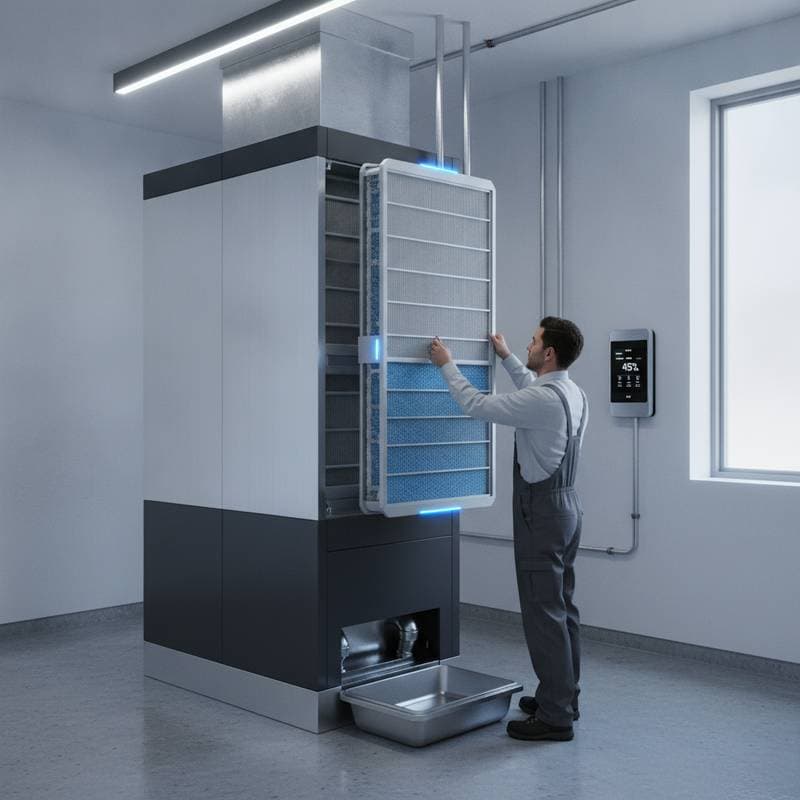
- Maintain Filters Routinely: Indoor filters prove easy to access and clean. Regular attention upholds ventilation and purifies air.
- Arrange Expert Servicing: Biannual inspections prolong durability and uphold peak functionality.
- Incorporate Intelligent Features: Connected thermostats enable distant operation and consumption monitoring for added control.
Professional advice suggests incorporating ductless elements during initial planning. This alignment of electrical, structural, and ventilation aspects supports enduring effectiveness.
Essential Factors for Builders and Homeowners
Installation costs for a multi-zone ductless array in a new structure generally span $6,000 to $15,000, influenced by zone count and unit sophistication. Although this may exceed simple ducted alternatives initially, subsequent energy reductions and decreased upkeep expenses recoup the investment promptly.
Safety considerations are paramount. Advanced refrigerants demand precise handling, reserved for licensed technicians during setup or repairs. Builders value how ductless designs diminish reliance on bulky enclosures that hinder workflows and restrict overhead clearance.
Regarding regulations, fresh builds mandate defined energy benchmarks. Ductless units frequently satisfy or surpass these standards, easing adherence and elevating market appeal. Certain locales provide incentives for efficient ductless adoption, further enhancing economic viability.
Enduring Comfort and Dependability
Properly executed ductless installations endure 15 to 20 years with few interventions. Success depends on regular care and skilled support. Residents enjoy adaptable regulation, diminished bills, and enhanced air purity, free from allergen-laden duct passages.
HVAC specialist Michael Reyes observed, “Every new home I’ve worked on with ductless systems ends up being easier to maintain and far more comfortable. Homeowners notice the difference immediately.” This perspective aligns with experiences from numerous installations: the accuracy of zoned regulation creates lasting preference.
Advancing Your Project with Ductless HVAC
In pursuing a new residence blueprint, evaluate the potential of ductless HVAC to improve livability, style, and utility. Engage a certified HVAC authority familiar with regional conditions and standards. Such experts guide selections in scale, arrangement, and capabilities for sustained results.
At americanairhvac.net, access qualified professionals focused on ductless implementations. They review designs, offer tailored advice, and confirm all elements align with comfort objectives and efficiency norms. Thoughtful preparation paired with expert input positions your new home as an exemplar of seamless, advanced living.
Frequently Asked Questions
Q: How long does it take to install a ductless system in new construction?
A: When planned into the construction timeline, the process typically requires two to three days, varying by zone quantity and setup intricacy.