Why Ductless Heat Pumps Excel in Cold Climates in 2025
Homeowners in cold regions often face inadequate heating as temperatures plummet. Traditional systems strain to deliver consistent warmth, leading to discomfort and higher energy costs. Ductless heat pumps address these challenges effectively, providing reliable performance even in severe winter conditions.
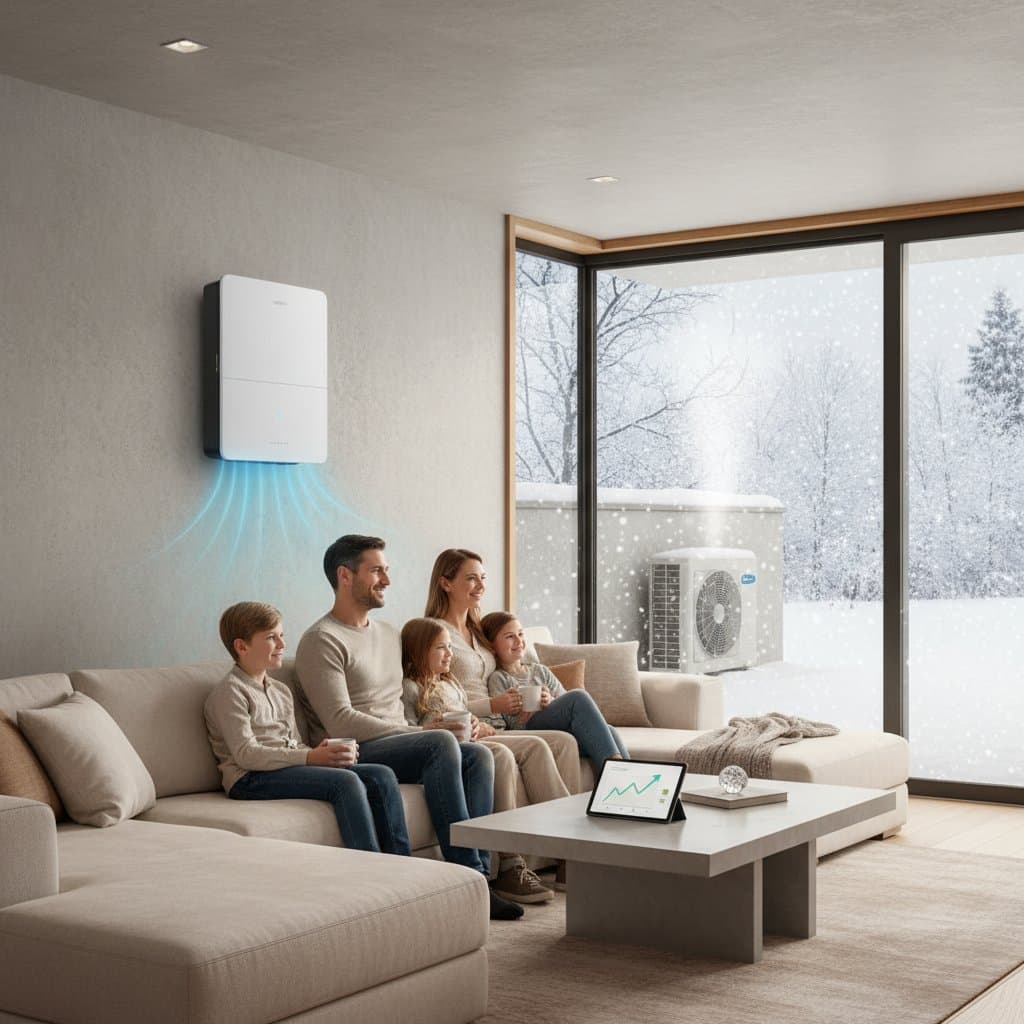
Advancements in technology have transformed ductless heat pumps from mild-weather options into robust solutions for harsh climates. These systems offer energy efficiency, zoned control, and quiet operation. Professionals increasingly recommend them for their balance of performance and sustainability.
Challenges of Traditional Heating in Cold Regions
Furnaces and boilers dominate heating in northern areas, yet they present notable drawbacks. Inefficiencies arise from duct leaks, uneven distribution, and high maintenance demands. Homeowners experience fluctuating room temperatures, elevated utility expenses, and more frequent repairs during peak cold periods.
Data indicates that up to 30 percent of heated air escapes through ductwork imperfections. This loss means significant portions of energy warm unintended spaces like attics. Over extended winters, such inefficiencies compound, increasing both financial burdens and discomfort levels.
Benefits of Ductless Heat Pumps
Ductless heat pumps, or mini-splits, bypass duct systems by delivering conditioned air directly to targeted zones. This approach minimizes energy loss and enables precise temperature adjustments. The result is enhanced comfort tailored to specific areas of the home.
These systems prove ideal for older structures lacking ducts, room additions, or spaces with persistent temperature discrepancies. Their efficiency metrics, including Heating Seasonal Performance Factor (HSPF) and Seasonal Energy Efficiency Ratio (SEER), surpass those of conventional forced-air setups. Homeowners gain control over heating without widespread energy waste.
Core Performance Advantages
- Superior Cold-Weather Functionality: Inverter technology modulates compressor speed dynamically, enabling heat extraction from outdoor air below freezing levels.
- Substantial Energy Savings: Users typically observe 25 to 50 percent reductions in heating expenses upon installation.
- Targeted Zoning: Heat only occupied rooms to optimize resource use.
- Minimal Noise Levels: Indoor units operate at near-silent volumes, unlike the audible fans in traditional furnaces.
- Streamlined Setup: Professionals complete installations in one to two days, avoiding extensive structural changes.
Mechanisms for Extreme Cold Performance
Heat pumps function by transferring thermal energy from outside air via refrigerant cycles. Variable-speed compressors adapt to environmental demands, ensuring operation in low temperatures. Even in frigid conditions, ambient air retains extractable heat.
Specialized cold-climate variants incorporate enhanced vapor injection (EVI) compressors. These maintain heating output without auxiliary systems. Field evaluations show capacities of 80 to 90 percent in subzero scenarios, supporting dependable indoor warmth.
Strategies to Optimize Performance in Cold Climates
Proper installation and upkeep determine long-term success. Undersized or misplaced units compromise efficiency. Professionals conduct Manual J load calculations to match system capacity to home needs accurately.
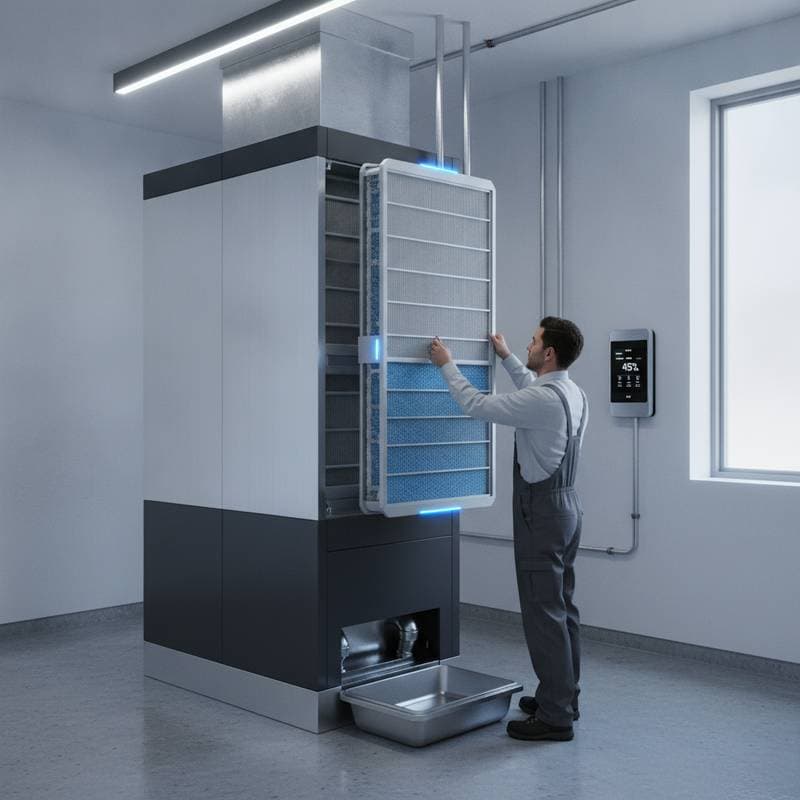
Position indoor units on interior walls for even air circulation. Elevate outdoor components to avoid snow accumulation. Regular filter cleaning every few weeks sustains airflow during intensive use.
Annual professional inspections detect potential problems early. Monitor defrost cycles, which occur periodically in extreme cold; excessive frequency may signal airflow restrictions. These practices extend system life and maximize savings.
Ductless Heat Pumps Versus Conventional Options
Comparing features highlights ductless advantages for modern needs.
| Feature | Ductless Heat Pump | Furnace | Boiler |
|---|---|---|---|
| Efficiency | High (HSPF 10-13) | Moderate (AFUE 80-95%) | Moderate to high |
| Installation | Rapid, low disruption | Ducts or vents required | Piping necessary |
| Maintenance | Low | Moderate | High |
| Zoning | Full capability | Limited | Limited |
| Cooling | Integrated | None | None |
A client who upgraded from an oil furnace to a multi-zone ductless setup reported 40 percent lower bills after two cycles. They appreciated the reduced noise and uniform temperatures during intense cold.
Key Factors for Ductless Installation
Selection and execution influence outcomes significantly. Single-zone systems cost $4,000 to $7,000; multi-zone configurations for larger homes range from $8,000 to $15,000. Energy reductions often offset investments within three to five years.
Secure necessary permits for electrical and refrigerant compliance. Engage licensed contractors to handle upgrades if required. Explore utility rebates to lower upfront expenses.
Prioritize safety by delegating refrigerant and electrical tasks to experts. Such precautions preserve warranties and ensure optimal function.
Efficiency Gains and Sustainability Benefits
Ductless systems promote fiscal and ecological advantages. Electric operation avoids fossil fuel combustion, curbing emissions. Integration with solar panels further enhances cleanliness.
Studies reveal up to 45 percent carbon reductions when replacing oil or propane units. This transition supports sustainable living while delivering reliable heating.
Field Examples of Ductless Success
Practical applications demonstrate real impacts. A lakeside resident swapped baseboard heaters for a two-zone system, achieving consistent warmth and 35 percent bill savings promptly. An older farmhouse owner eliminated cold spots across rooms after installation.
HVAC technician Lisa Moreno notes, "The difference is night and day. When installed properly, a ductless system provides the same steady comfort as a furnace without the noise, dry air, or uneven heating."
Steps to Upgrade Your Heating
Address heating shortcomings by consulting a qualified professional for an evaluation. They assess insulation, layout, and objectives to propose fitting options. Installation proceeds efficiently, yielding immediate improvements in comfort and efficiency.
Contact vetted experts through americanairhvac.net for regional insights. Receive a no-obligation quote to explore ductless benefits tailored to your home.
Frequently Asked Questions
Q: How often should you service a ductless heat pump?
A: Schedule a professional tune-up once a year, ideally before winter starts. Filter cleaning should be done every few weeks to maintain airflow and prevent dust buildup.
Q: Will a ductless system still heat effectively during extremely cold weather?
A: Yes. Modern cold-climate models are engineered to maintain strong performance even in subfreezing conditions. They use inverter-driven compressors that adjust to demand, ensuring consistent heat output.
Q: How long does a ductless heat pump last?
A: With regular maintenance, most systems last 15 to 20 years. Keeping filters clean and scheduling annual inspections can help extend lifespan and efficiency.