Surge in Dual-Fuel HVAC: Benefits of Gas-Electric Hybrids
Homeowners often face tough choices between gas and electric heating options. Energy bills climb steadily, and systems falter against erratic weather patterns. In regions with sharp seasonal shifts, from harsh winters to temperate transitions, single-fuel setups prove inadequate. Dual-fuel HVAC systems address these challenges by integrating gas and electric components for reliable performance and cost control.
Why Dual-Fuel Systems Gain Popularity
Imagine a cool morning when the gas furnace activates to distribute steady warmth. As sunlight raises outdoor temperatures, the electric heat pump assumes control, preserving comfort with minimal energy use. This seamless transition defines dual-fuel operation. The approach appeals to homeowners nationwide for its responsiveness to weather and economic pressures.
Field experience reveals a clear trend toward hybrid solutions. Escalating energy prices, regulatory efficiency mandates, and environmental priorities drive this change. Data from the sector indicates a 30 percent increase in dual-fuel installations in variable-climate areas. These systems suit both new constructions and existing homes seeking upgrades.
How Dual-Fuel HVAC Functions
Dual-fuel setups pair two key elements:
- Electric Heat Pump: Manages cooling in summer and efficient heating in milder conditions. It moves heat from outside to inside, achieving superior energy use.
- Gas Furnace: Engages during extreme cold when the heat pump loses effectiveness. It delivers powerful heat for subfreezing temperatures.
A central control module oversees the handover. The system monitors external temperatures and selects the optimal source without user input. This automation ensures effortless climate management.
Key Advantages of Gas-Electric Hybrids
Year-Round Efficiency
Dual-fuel designs optimize performance across seasons. Heat pumps reach 300 percent efficiency in moderate weather, producing three units of heat per unit of electricity. In severe cold, the switch to gas avoids inefficiency losses. Overall, these systems reduce energy costs by 20 to 30 percent relative to conventional alternatives.
Consistent Comfort Levels
Hybrids prevent temperature fluctuations common in single-source systems. The heat pump offers even distribution in gentle conditions, while the furnace provides intense output during peaks. Homeowners experience stable environments with reduced noise and faster responses.
Lower Environmental Impact
Electricity handles most operations, with gas reserved for necessities. This strategy cuts emissions significantly. Clients value the blend of eco-friendliness and reliability in their heating choices.
Prolonged Equipment Durability
Workload distribution eases stress on components. Neither unit operates at full capacity year-round, minimizing degradation. Expect fewer service calls and delayed replacements over time.
Strategies to Enhance System Performance
Fine-Tune Thermostat Configurations
- Establish the Balance Point: Technicians set the threshold temperature for switching fuels. Typically 35 to 40 degrees Fahrenheit in transitional climates, this setting aligns with insulation quality and utility rates for optimal balance.
- Integrate Smart Thermostats: These devices adapt to daily routines, adjusting cycles to cut waste while upholding comfort standards.
Implement Routine Maintenance
Seasonal checks sustain peak operation. Technicians should:
- Examine heat pump coils and refrigerant charges.
- Service furnace burners and verify gas flow.
- Validate control mechanisms and safety features.
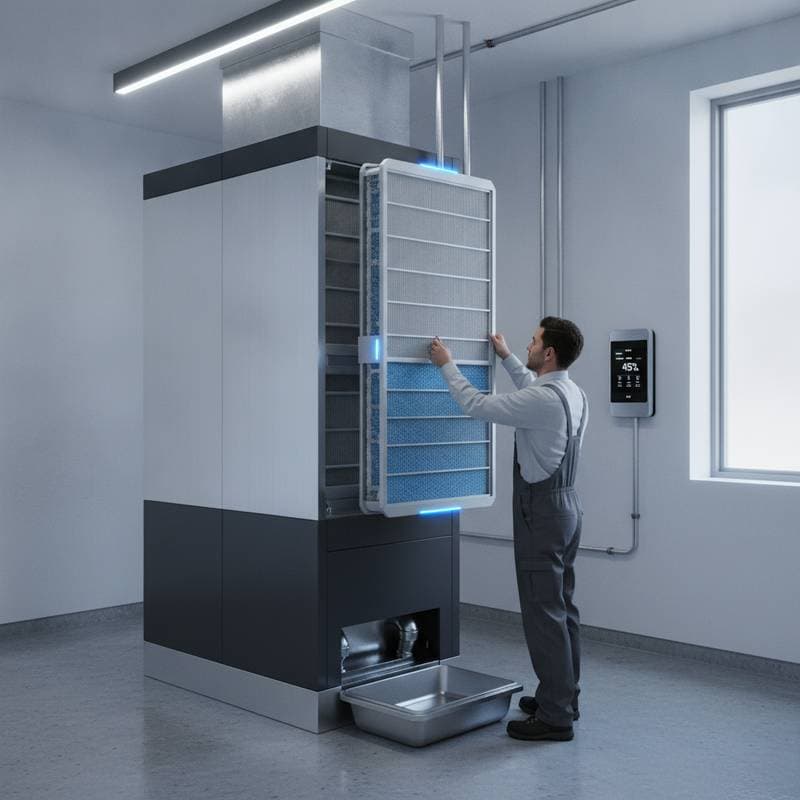
- Swap air filters to support airflow.
Such care improves efficiency by 15 percent and averts unexpected failures.
Improve Home Envelope Integrity
Superior insulation amplifies any HVAC investment. Address duct leaks, add attic barriers, and apply door seals. These measures stabilize temperatures and amplify savings.
Factors to Evaluate Before Purchase
Installation Expenses
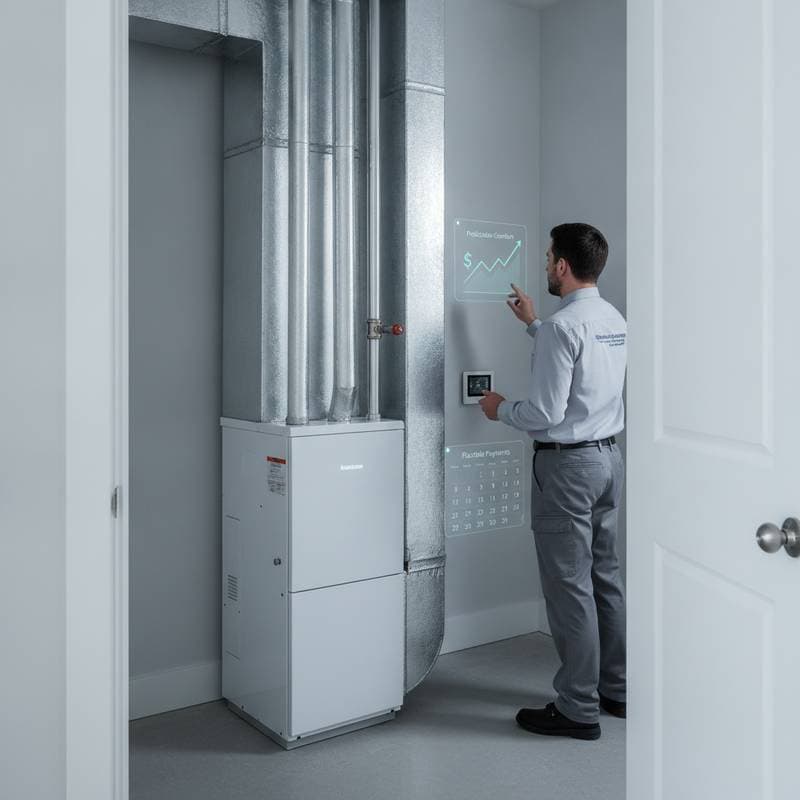
Expect costs from $6,000 to $12,000, influenced by unit capacity, home layout, and regional labor. Initial outlay exceeds single-system prices, yet savings recoup expenses in three to five years. Qualifying units often access utility incentives.
Installation Safety Protocols
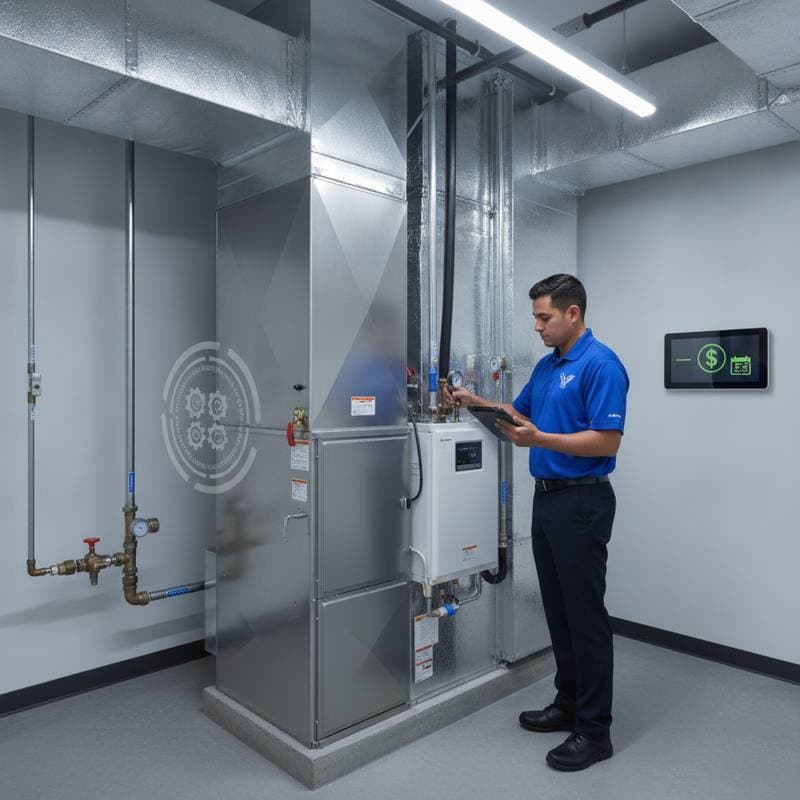
Professional expertise proves essential for gas integration. Certified installers handle connections, ventilation, and wiring to eliminate risks. Adhere to local codes through inspections and permits for secure functionality.
Projected Savings and Payback
Benefits peak in climates with cold snaps and mild intervals. Annual heating reductions reach several hundred dollars, paired with precise control. Return varies by local rates and usage patterns.
Climate-Specific Applications
Midwest and Southeast regions, marked by temperature extremes, benefit most from hybrids. Heat pumps manage transitional periods efficiently, while furnaces counter deep freezes without lag. Technician David Rios notes, “Dual-fuel systems give homeowners the best of both worlds. They adapt faster than you can adjust your thermostat.”
Coastal areas with brief winters leverage the heat pump's high SEER ratings for economical cooling. The furnace idles until rare cold fronts arrive, maintaining versatility.
Steps to Achieve Efficient Home Climate Control
Assess your current setup for dual-fuel compatibility. Engage a specialist to review insulation, ducts, and usage data for tailored recommendations. Proper sizing ensures maximum effectiveness.
American Air HVAC links clients to experienced professionals focused on hybrid installations. Secure a free consultation to explore quotes and payment plans. Transition to a system that delivers summer cooling and winter warmth with reduced expenses and reliable operation.
Dual-fuel technology represents a strategic investment in adaptive comfort. It aligns heating needs with fiscal and ecological goals for sustained performance.
Frequently Asked Questions
Q: How long does a dual-fuel HVAC system last?
A: With regular maintenance, a dual-fuel system can last 15 to 20 years. The shared workload between the heat pump and furnace helps extend each component’s service life.